In apparel manufacturing, every element plays a role in the final product. While fabrics, trims, and designs often take center stage, the thread is the unseen force that holds everything together. Weak or inconsistent thread can ruin an otherwise well-designed garment, leading to seam failure, production inefficiency, and unhappy customers. In children’s clothing, where durability and safety are critical, thread quality becomes even more essential.
Thread quality matters because it directly affects seam strength, fabric compatibility, machine performance, comfort, safety, appearance, and overall production costs. Choosing the right thread ensures reliable garments, while poor thread selection creates defects and waste.
In the sections below, I will explain how thread quality impacts every stage of garment production and why manufacturers must treat it as a top priority.
How Does Thread Strength Impact Durability?
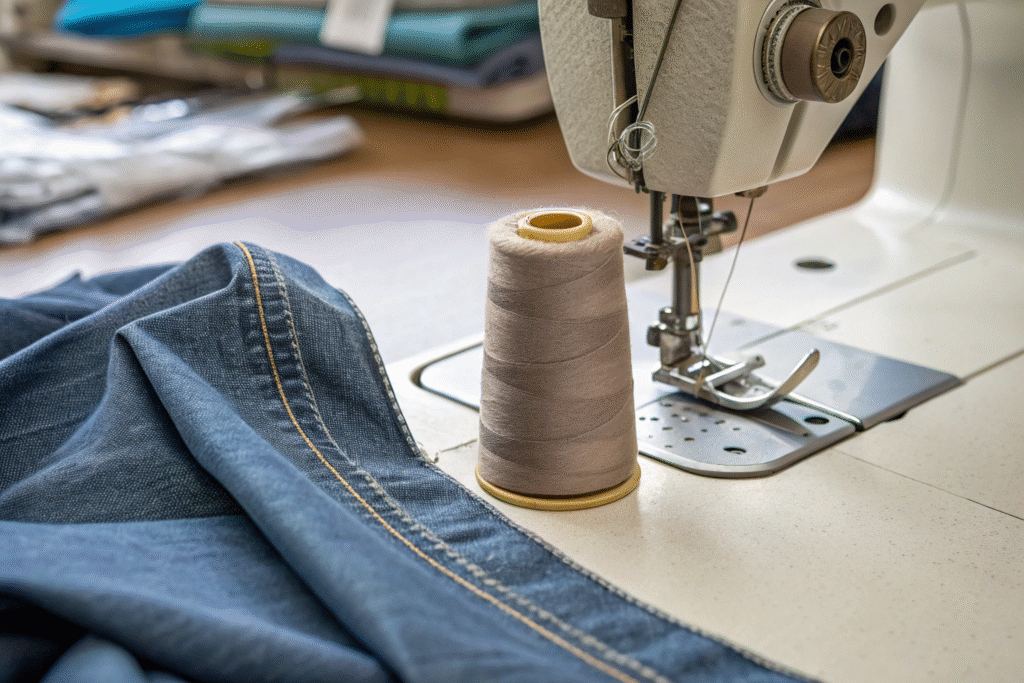
Thread is the backbone of garment construction. It holds fabrics together and determines whether a garment can withstand everyday use.
High-quality thread ensures strong seams that last through repeated wear and washing, while low-quality thread causes seams to unravel or break.
Why Are Strong Seams Important?
- They maintain garment structure under stress.
- They prevent unraveling and holes.
- They reduce returns and complaints from customers.
The American Apparel & Footwear Association highlights seam durability as a key quality-control standard, reflecting its importance across the industry.
Why Does This Matter for Children’s Clothing?
Children’s garments face constant movement, stretching, and frequent washing. Parents expect clothes to last, and weak seams quickly erode brand trust. Strong thread guarantees both reliability and customer satisfaction.
How Should Thread Match Different Fabrics?
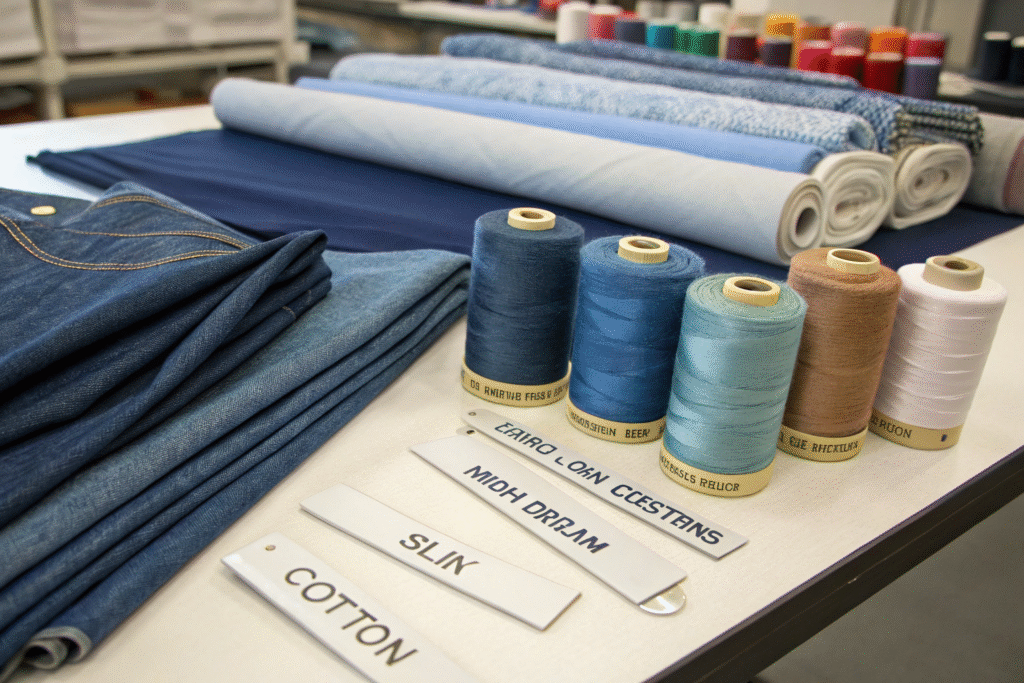
Every fabric type requires a different thread specification. Using the wrong thread creates technical issues and reduces garment quality.
The right thread provides compatibility with the fabric, ensuring smooth sewing and proper garment performance.
Which Fabrics Require Specialized Threads?
- Lightweight fabrics like baby cotton need fine, soft threads to avoid stiffness.
- Heavy fabrics such as denim require strong polyester or core-spun threads.
- Stretch fabrics demand elastic threads to maintain flexibility.
Guides from Coats Thread explain how to select the right type for different fabrics.
What Happens With Poor Matching?
- Threads that are too thick can cut fabric.
- Threads without stretch can cause puckering.
- Inconsistent sizing creates discomfort.
Manufacturers always test fabric-thread combinations before production to prevent such issues.
Why Does Thread Quality Affect Machine Efficiency?
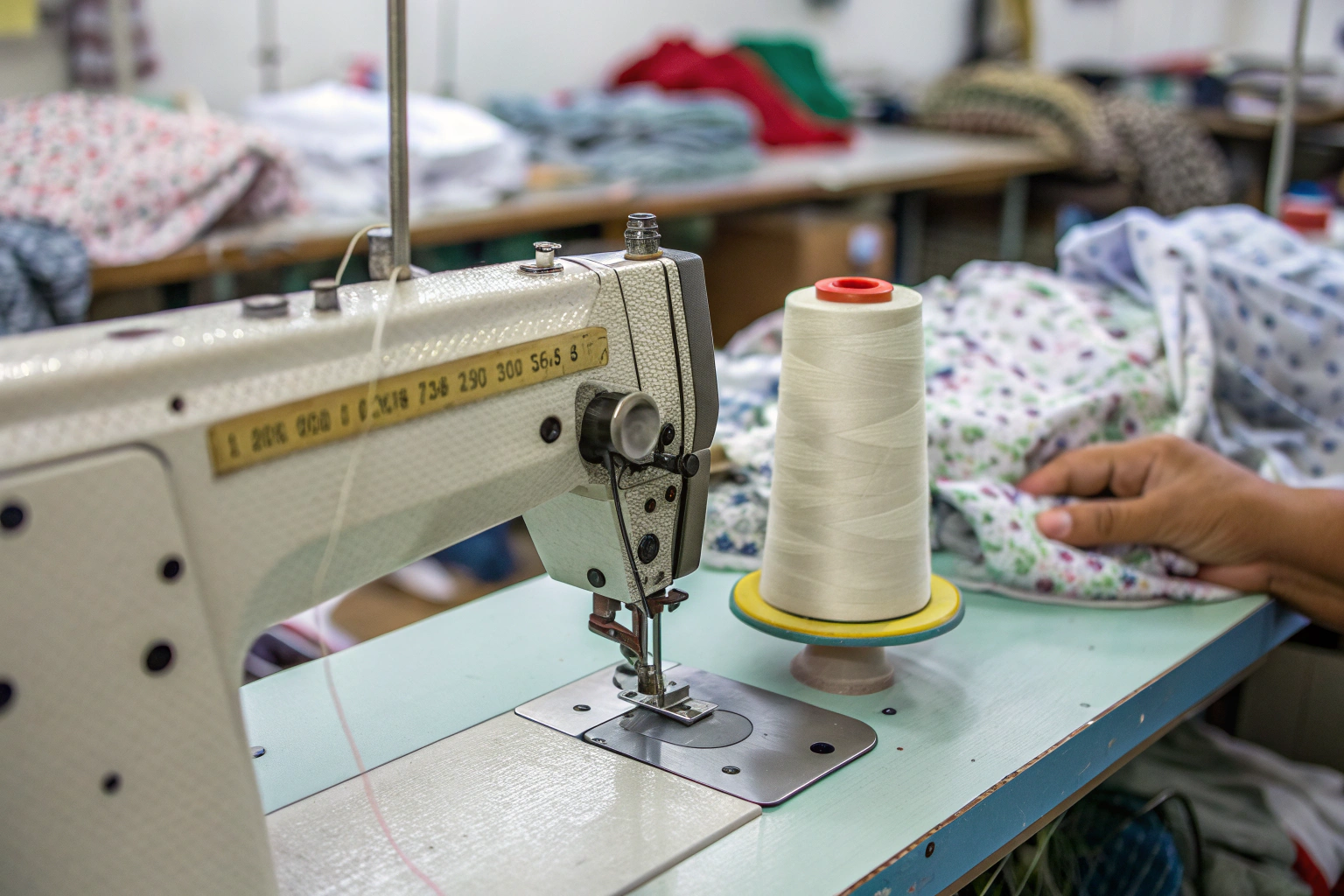
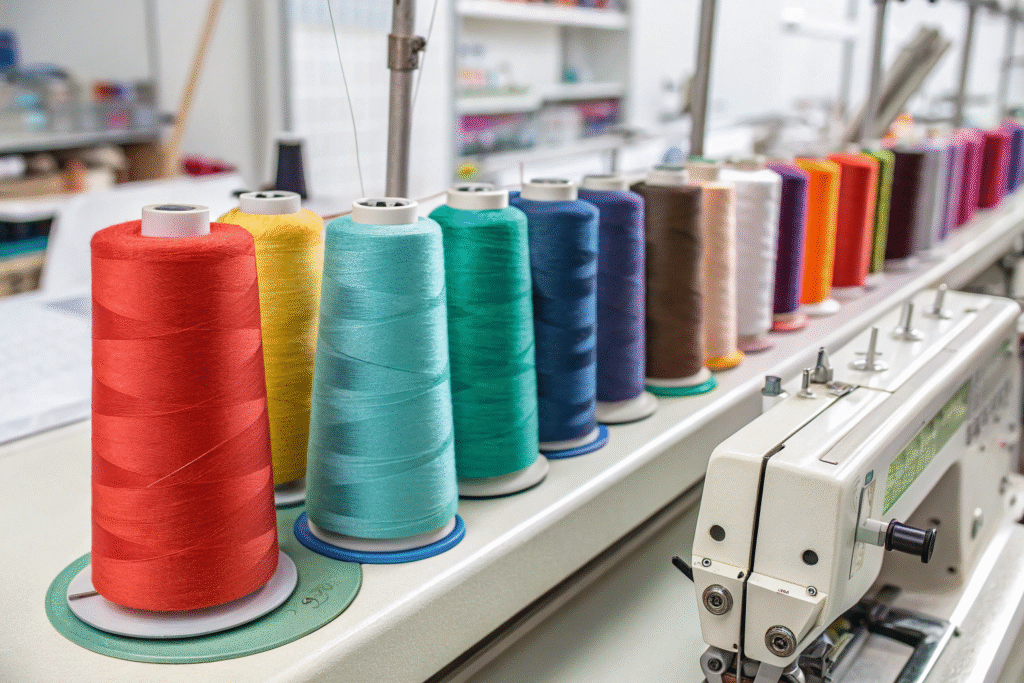
In large-scale production, sewing machine efficiency determines output speed and costs. Poor-quality threads often cause breakdowns and delays.
High-quality threads reduce breakage, skipped stitches, and tension issues, keeping machines running smoothly.
How Do Low-Quality Threads Disrupt Production?
- Frequent thread breaks slow operators.
- Friction damages needles and fabrics.
- Tension inconsistencies create uneven seams.
According to Textile World, smoother, well-finished threads minimize friction, protecting machines and fabrics.
Why Is This Critical in Mass Production?
When hundreds of machines are running, even small stoppages add up to hours of lost production daily. Reliable threads improve efficiency, reduce waste, and lower long-term operating costs.
How Does Thread Influence Comfort and Safety?
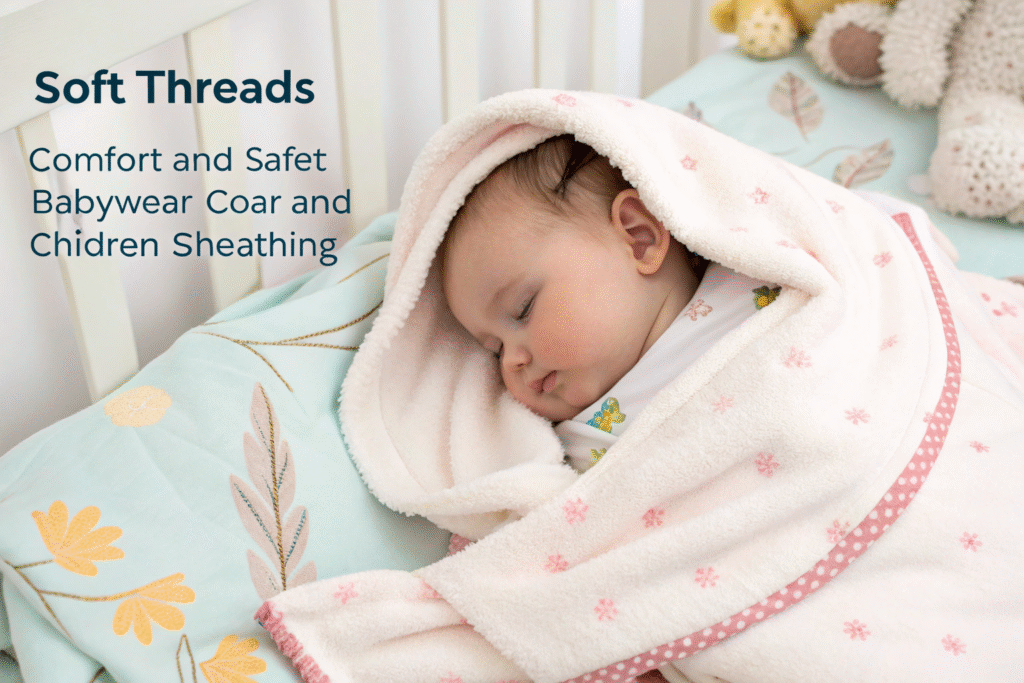
Threads are in constant contact with the skin, making comfort and safety especially important in babywear and children’s clothing.
High-quality, certified threads provide softness and ensure garments are safe for sensitive skin.
What Ensures Comfort?
- Soft, smooth threads prevent scratching.
- Flat seams created with fine threads reduce irritation.
- Fray-resistant thread avoids rough edges.
Certifications such as OEKO-TEX Standard 100 verify that threads are free of harmful substances, which is essential for infants.
How Do Strong Threads Improve Safety?
Secure stitching prevents buttons, snaps, or embellishments from detaching, reducing choking risks. Quality threads ensure garments meet strict international safety standards.
Why Does Thread Quality Shape Aesthetics and Costs?
Thread influences how a garment looks and how much it costs to produce.
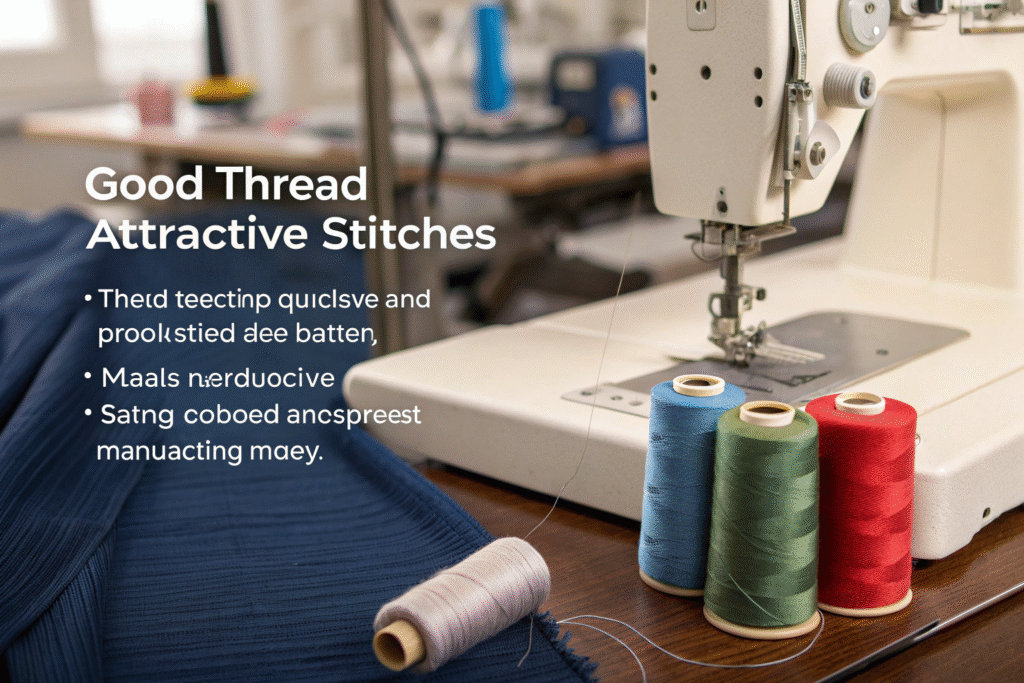
Good thread ensures even, attractive stitches, while also cutting waste and saving money in production.
How Does It Affect Appearance?
- Consistent stitches improve garment presentation.
- Colorfast thread prevents fading and mismatches.
- Glossy decorative threads add a premium finish.
For fashion brands, neat stitching can make garments more appealing to customers.
How Does It Improve Cost Efficiency?
- Fewer thread breaks save operator time.
- Stronger seams reduce product returns.
- Consistent quality lowers rejection rates in inspections.
While quality thread costs more initially, it reduces long-term production waste and strengthens brand reputation.
Conclusion
Thread may be small, but in manufacturing, it is one of the most important components. It determines seam durability, fabric compatibility, production efficiency, comfort, safety, and even the overall look of the garment. For children’s wear, these factors are even more critical since parents demand clothes that are durable, safe, and comfortable.
At Shanghai Fumao Clothing, we place great importance on using premium-quality thread for every order. This ensures that our garments not only meet international standards but also deliver comfort and reliability to the children who wear them.
If you are a brand buyer, distributor, or apparel company owner looking for a reliable manufacturing partner, please contact our Business Director Elaine at elaine@fumaoclothing.com.