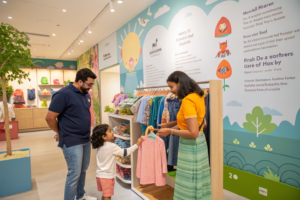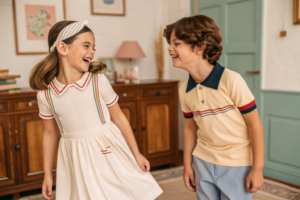

The tween market, typically encompassing girls aged 8-12, represents one of the most dynamic and potentially lucrative segments in the children's apparel industry. This demographic occupies a unique space between childhood and teenage years, creating specific fashion needs and purchasing behaviors that forward-thinking brands are increasingly recognizing as essential to their growth strategies.
The tween market is a key focus for girls apparel brands because it represents a substantial purchasing power, demonstrates early brand loyalty formation, bridges critical style transition needs, and influences both younger and older demographic purchasing decisions. This segment's distinctive characteristics create opportunities for brands that understand their dual nature—still children in many ways but beginning to explore teenage independence.
Tweens are developing their personal style identities while navigating complex social dynamics, making fashion choices deeply meaningful beyond mere clothing functionality. Brands that successfully serve this market segment establish relationships that can last through the teenage years and into adulthood. Let's explore why this demographic deserves specialized attention and how smart brands are capturing their loyalty.
What purchasing power do tweens actually wield?
The financial influence of the tween demographic extends far beyond their direct spending, encompassing influence on family purchasing decisions, gift requests, and early independent shopping experiences. This multi-faceted economic impact makes them a valuable audience despite their young age.
Tweens wield significant purchasing power through direct allowance spending, heavy influence on parental purchases, specific gift requests during holidays and birthdays, and growing access to digital payment methods that facilitate independent shopping. Their economic impact extends beyond their immediate spending to shape broader family purchasing patterns.

How does tween influence shape family spending?
Research indicates that tweens influence approximately 80% of family apparel purchases, either through direct requests or by establishing style preferences that parents accommodate. This influence extends beyond their own clothing to siblings' items and sometimes even parental purchases as families increasingly value their fashion opinions. Unlike younger children who accept whatever parents select, tweens actively participate in shopping decisions, researching options online, comparing brands, and expressing strong preferences that parents typically respect within budget constraints.
What makes tween spending habits distinctive?
Tweens represent the first generation of true digital natives, comfortable with online shopping, social media influence, and peer recommendations in ways that significantly differ from previous generations. Their purchasing journey often begins with social media or peer discovery, moves to online research, and frequently involves store visits for trying items before potentially purchasing online. This hybrid approach requires brands to maintain strong omnichannel presence. Additionally, tweens demonstrate early brand consciousness, often preferring established labels over generic options, making this a critical period for brand loyalty formation.
How does brand loyalty develop during tween years?
The tween period represents a crucial window for establishing long-term customer relationships as girls develop their first independent brand preferences separate from parental influence. The brand connections formed during these years often persist into adulthood.
Brand loyalty develops during tween years as girls establish personal style identities, seek peer acceptance through fashion choices, respond to authentic brand storytelling, and form emotional connections with brands that understand their unique needs. These early loyalties can determine shopping preferences for decades.
What factors drive tween brand preferences?
Tweens gravitate toward brands that successfully balance several key factors: style that feels age-appropriate yet mature, quality that withstands school and social activities, reasonable pricing that aligns with parental budgets, and brand values that reflect their emerging worldviews. Additionally, peer approval significantly influences brand perception, with social validation often outweighing other considerations. Brands that understand this social dynamic and create shareable, recognizable products gain disproportionate advantage in this highly impressionable market.
How can brands build lasting tween relationships?
Successful brands engage tweens through authentic storytelling that respects their intelligence while acknowledging their transitional life stage, create inclusive marketing that represents diverse tween experiences, and develop products that genuinely solve their unique clothing challenges. This might include designs that accommodate rapidly changing bodies, styles that transition easily from school to social settings, and inclusive sizing that addresses the significant physical variations within this age group. Brands that demonstrate understanding of these specific needs earn loyalty that extends beyond superficial fashion trends.
What style transition needs define this market?
The tween years represent a challenging fashion transition between childish designs and teenage styles, creating a significant gap in the market that many brands fail to address appropriately. Understanding this style evolution is key to serving this demographic effectively.
Style transition needs include clothing that bridges childhood and teenage aesthetics, accommodates developing bodies without being overly mature, supports increasing independence in dressing, and provides versatility for rapidly changing social contexts. This balancing act requires nuanced understanding of tween development.

How do tween bodies influence design requirements?
The tween growth period involves significant physical changes that standard children's sizing fails to address properly. Girls in this age group may experience height spurts, changing proportions, and the beginnings of puberty that require thoughtful design adaptations. Successful brands incorporate features like adjustable waists, stretch fabrics, longer torso lengths, and strategic styling that flatters developing figures without drawing unwanted attention. These practical considerations often outweigh purely aesthetic concerns for both tweens and their parents.
What aesthetic elements resonate with tween preferences?
Tweens typically reject clothing they perceive as "babyish" while often finding teenage styles too mature or intimidating. The sweet spot involves transitional designs that incorporate youthful colors and patterns in more sophisticated silhouettes, modest versions of teenage trends, and individual customization options that allow personal expression. Successful collections often mix playful elements with more mature pieces, allowing tweens to experiment with their style identity while maintaining parental approval and age-appropriateness.
How do tweens influence broader market trends?
The tween demographic exerts influence that extends both upward to teenage trends and downward to younger children's preferences, creating a ripple effect throughout the youth apparel market. Their position as trend bridges makes them valuable beyond their immediate purchasing power.
Tweens influence broader market trends through social media content creation, aspirational impact on younger children, trend adaptation that makes teenage styles accessible, and family influence that shapes siblings' preferences. This multi-directional influence amplifies their market importance.
What is the "aspirational downward" influence?
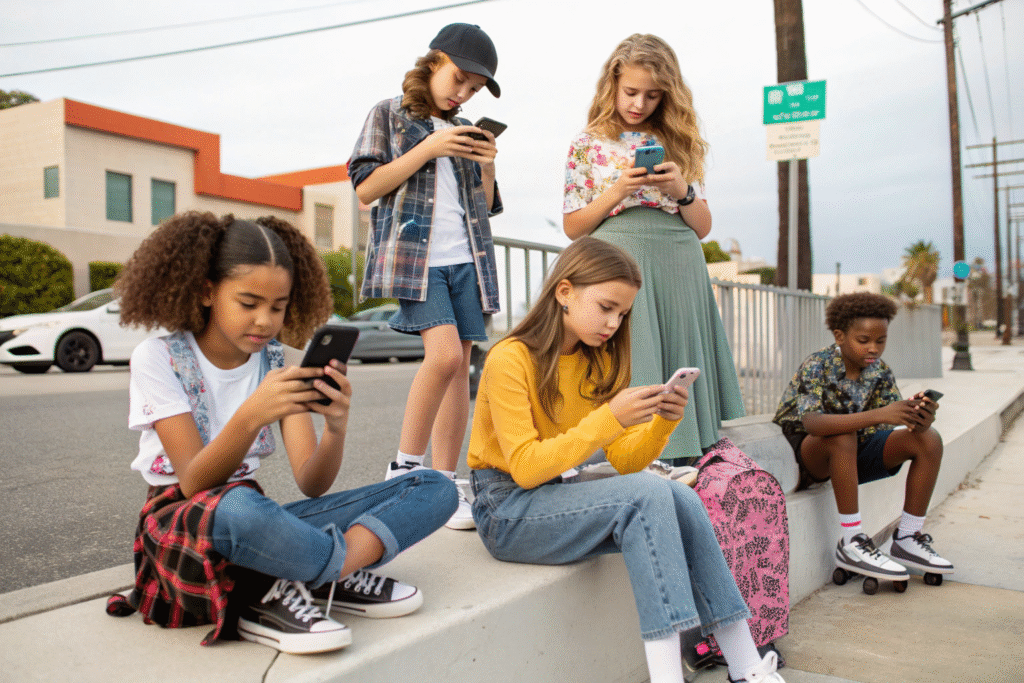
Younger children often look to tweens as style role models, adopting preferences for brands and styles they observe among slightly older peers. This trickle-down effect means that tween-focused brands frequently gain popularity among the 6-8 age group whose parents seek slightly more mature options. Similarly, teenage sisters often influence tween preferences, creating a natural style progression that smart brands can leverage by offering coordinated but age-appropriate collections across adjacent age groups.
How does digital savviness amplify tween influence?
Tweens are increasingly active on social platforms like TikTok, Instagram, and YouTube, where they both consume and create fashion content. This digital participation extends their influence far beyond their immediate social circles, allowing them to shape perceptions and preferences across geographic and demographic boundaries. Brands that successfully engage tweens in digital spaces benefit from organic content creation and word-of-mouth marketing that is both authentic and far-reaching, often reaching audiences far beyond their target demographic.
What marketing strategies effectively reach tweens?
Connecting with the tween demographic requires approaches that respect their growing independence while acknowledging their transitional status between childhood and adolescence. Traditional children's marketing tactics often fail with this increasingly sophisticated audience.
Effective tween marketing strategies include authentic social media engagement, inclusive representation that reflects their diverse experiences, peer-driven content creation, value-based messaging that aligns with their emerging worldviews, and parental outreach that addresses practical concerns. This dual approach acknowledges both tween preferences and parental oversight.

How does social media engagement differ for tweens?
Unlike traditional advertising, successful tween engagement involves authentic interaction rather than one-way messaging. This includes featuring real tween customers (with parental permission), responding genuinely to comments and questions, creating shareable content that reflects their interests beyond products, and collaborating with age-appropriate influencers they genuinely admire. The most effective approaches feel like peer recommendations rather than corporate marketing, leveraging the social dynamics that naturally influence tween preferences.
Why must marketing address both tweens and parents?
Successful tween brands recognize that while tweens drive preference, parents typically control purchasing. This requires dual messaging strategies that appeal to tween desires for style and social acceptance while addressing parental concerns about quality, value, appropriateness, and practicality. Marketing that resonates with tweens but alienates parents (or vice versa) ultimately fails. The most effective campaigns create bridges between these perspectives, showing tweens that the brand understands their style aspirations while reassuring parents that products meet their standards for quality and appropriateness.
Conclusion
The tween girls apparel market represents a critical strategic focus for forward-thinking brands due to its substantial purchasing power, brand loyalty formation potential, unique style transition needs, and disproportionate influence on broader market trends. By understanding the nuanced needs of this demographic and developing specialized approaches that respect their transitional status between childhood and adolescence, brands can establish relationships that deliver both immediate returns and long-term customer value.
Ready to develop a tween collection that captures this influential market? Our manufacturing expertise includes creating age-appropriate styles that bridge childhood and teenage fashion while addressing the practical needs of developing bodies. Contact our Business Director, Elaine, at elaine@fumaoclothing.com to discuss how we can help you create a tween line that resonates with both young customers and their parents.