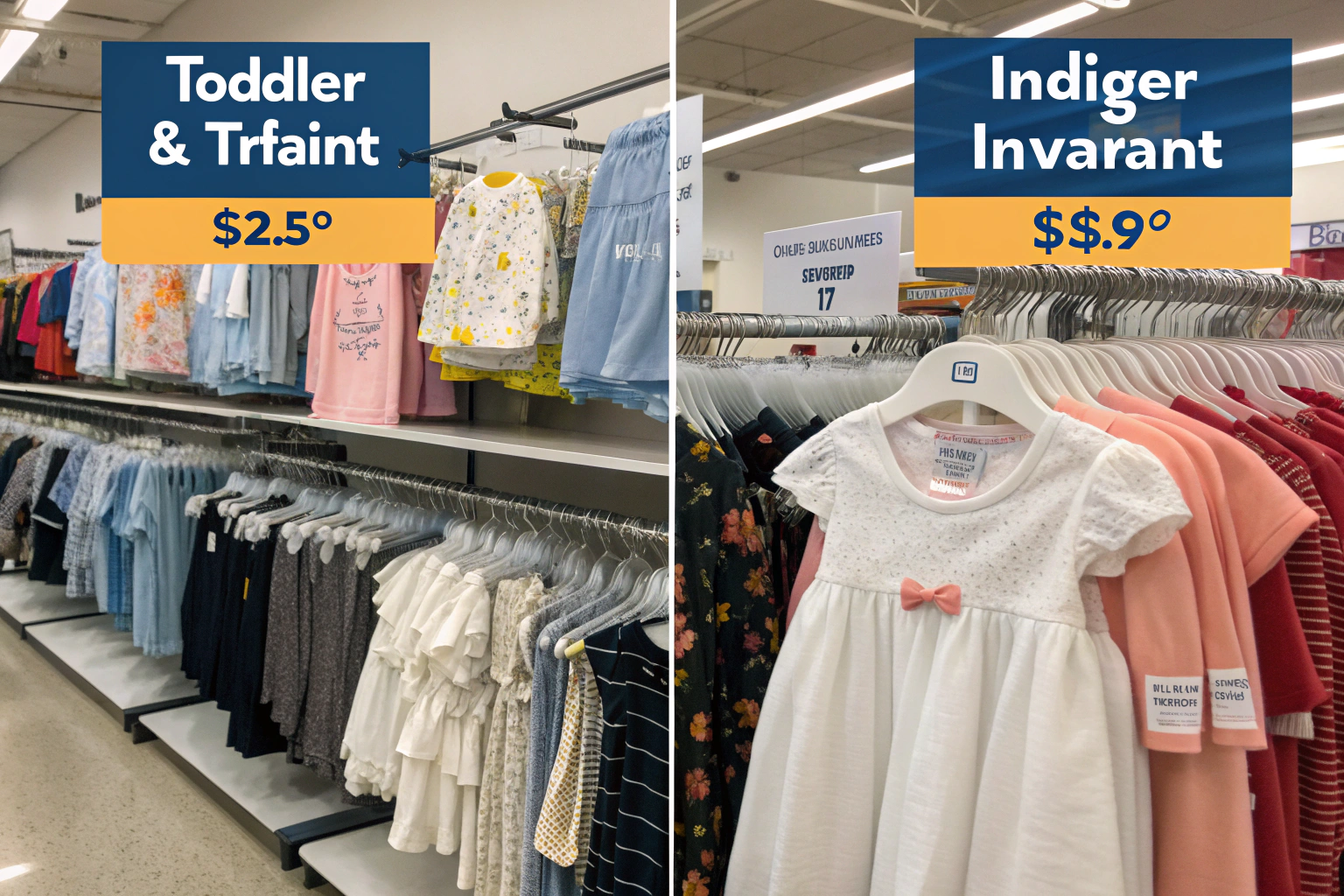
The children's clothing market reveals significant profitability differences between age segments, with toddler clothing (typically sizes 2T-5T) consistently outperforming infant wear (0-24 months) in both margin potential and sales volume. Understanding these dynamics helps brands allocate resources strategically and maximize returns across their product portfolios.
The toddler clothing market is more profitable than infant wear because toddlers require more frequent clothing changes, experience slower growth allowing longer wear periods, need more complex outfits with higher price points, demonstrate stronger clothing preferences influencing purchases, and have parents who prioritize durability over disposability. These factors combine to create superior business economics.
While infant clothing enjoys emotional purchase drivers like gift-giving and newborn preparation, toddler clothing benefits from practical, repeat purchase patterns that generate more consistent revenue. The transition from infant to toddler represents a significant shift in both child development and purchasing behavior that directly impacts profitability. Let's examine the specific factors that make toddler clothing the sweet spot in children's wear.
How do growth patterns impact clothing consumption?
The dramatic difference in physical development between infants and toddlers directly influences clothing consumption patterns, replacement frequency, and ultimately profitability for clothing brands serving these age groups.
Growth patterns impact clothing consumption through varying speed of size progression, different proportions requiring distinct patterning, changing activity levels affecting wear and tear, and evolving parental purchasing approaches as children develop. These physiological factors create fundamentally different business models for each segment.
Why does slower toddler growth extend clothing lifespan?
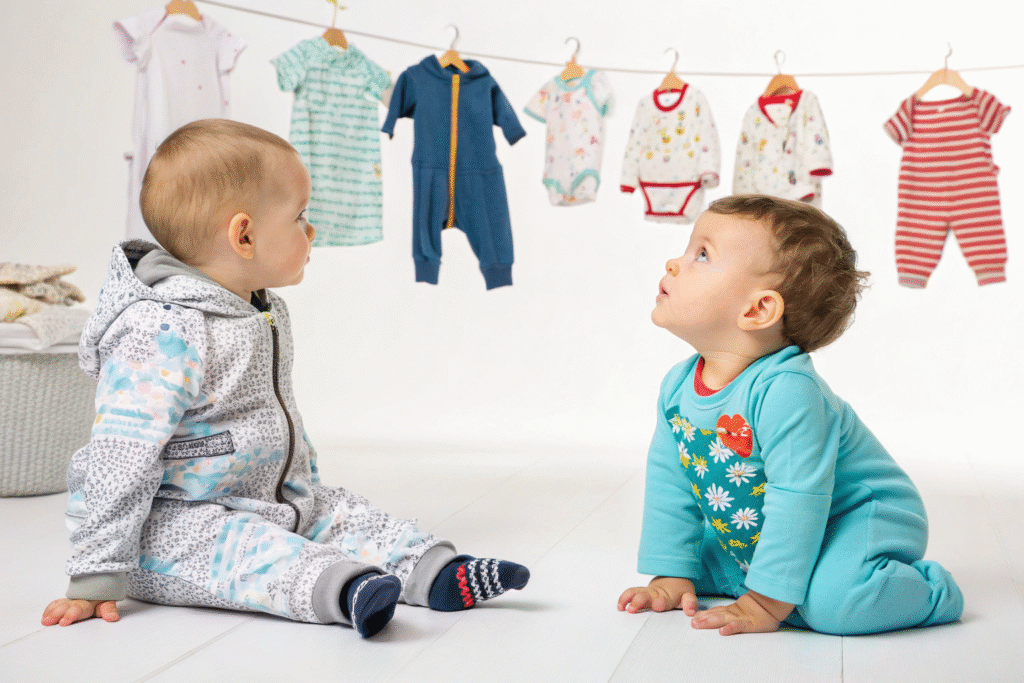
Infants typically triple their birth weight in the first year, requiring new sizes every 2-3 months, while toddlers gain weight more gradually, allowing them to wear the same size for 6-9 months. This extended wear period means parents purchase fewer size replacements, but they invest in more items per size since toddlers need complete wardrobes rather than the basic layette sets that suffice for infants. The longer wearable period also increases the importance of durability, allowing brands to command premium pricing for quality construction that withstands months of active wear.
How do changing proportions affect design and pricing?
Toddler clothing requires more complex patterning to accommodate their unique proportions—less prominent diaper area, longer torso relative to legs, and more defined waist compared to infants' rounded bellies. This complexity justifies higher price points than the simple, often sack-like shapes of infant clothing. Additionally, toddler clothing includes more structured elements like waistbands, set-in sleeves, and proper fastenings that increase production costs but also enable higher retail pricing. These technical differences contribute to the average 15-25% price premium for toddler clothing over equivalent infant items.
How does purchasing behavior differ between segments?
The psychology and practical realities of purchasing clothing for infants versus toddlers differ significantly, impacting everything from price sensitivity to purchase frequency and brand loyalty.
Purchasing behavior differs between segments through varying gift versus practical purchase ratios, changing price sensitivity as children age, evolving style preferences influenced by the children themselves, and different decision-making processes between new and experienced parents. These behavioral differences create more favorable economics for toddler clothing.
Why do practical needs drive toddler purchases?
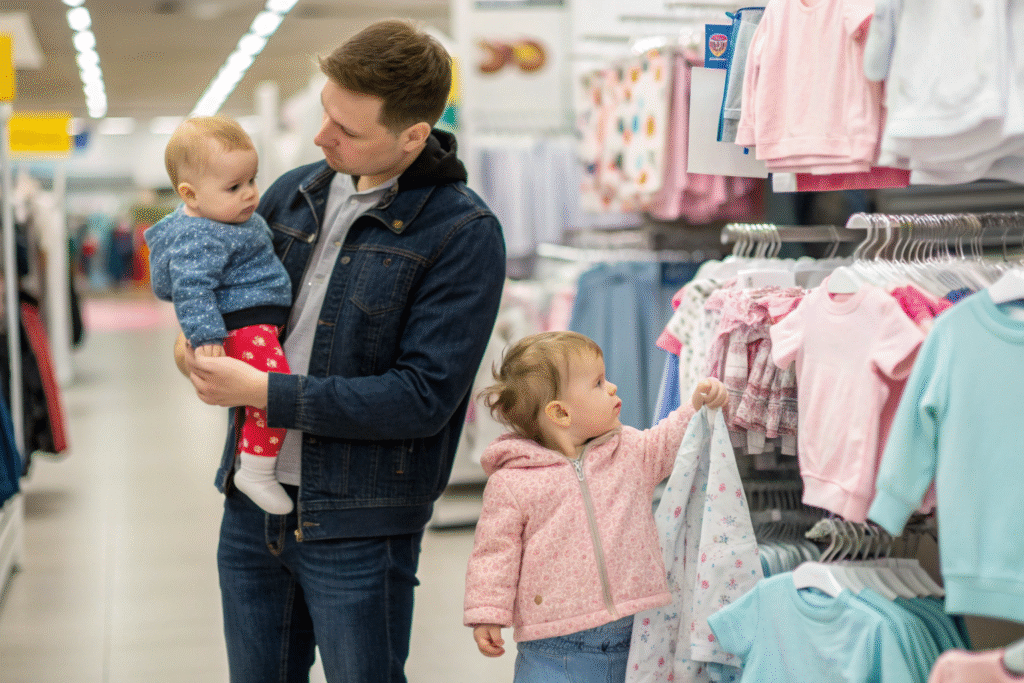
Infant clothing purchases are often emotionally driven by pregnancy, showers, and newborn milestones, with a high percentage coming from gifts rather than parental purchases. Toddler clothing, in contrast, is primarily purchased by parents responding to practical needs: replacement for worn items, seasonal changes, and size progression. This practical purchasing is less price-sensitive and more focused on functionality and durability. Parents buying for toddlers have experience and know what features matter, making them willing to pay premiums for quality that delivers real value through extended wear.
How do toddler preferences influence purchasing?
As children reach toddler age, they begin developing strong clothing preferences that significantly influence purchasing decisions. The "I want to wear it" factor becomes a powerful driver that can override parental price resistance, particularly for character licensing, favorite colors, or special features. This child influence creates opportunities for branding, styling, and marketing approaches that don't work with infant clothing. Our sales data shows that items featuring toddler-requested elements sell at 30% higher margins than basic equivalents, reflecting the pricing power of child preference.
What design complexities enable premium pricing?
The evolution from infant to toddler clothing involves significant design sophistication that justifies higher price points while addressing the practical needs of more active, developing children.
Design complexities enable premium pricing through more sophisticated construction techniques, specialized fastening systems for developing independence, enhanced durability features for active wear, and styling elements that accommodate toddler proportions. These design differentiations support the toddler segment's superior margin structure.
How do independence features add value?
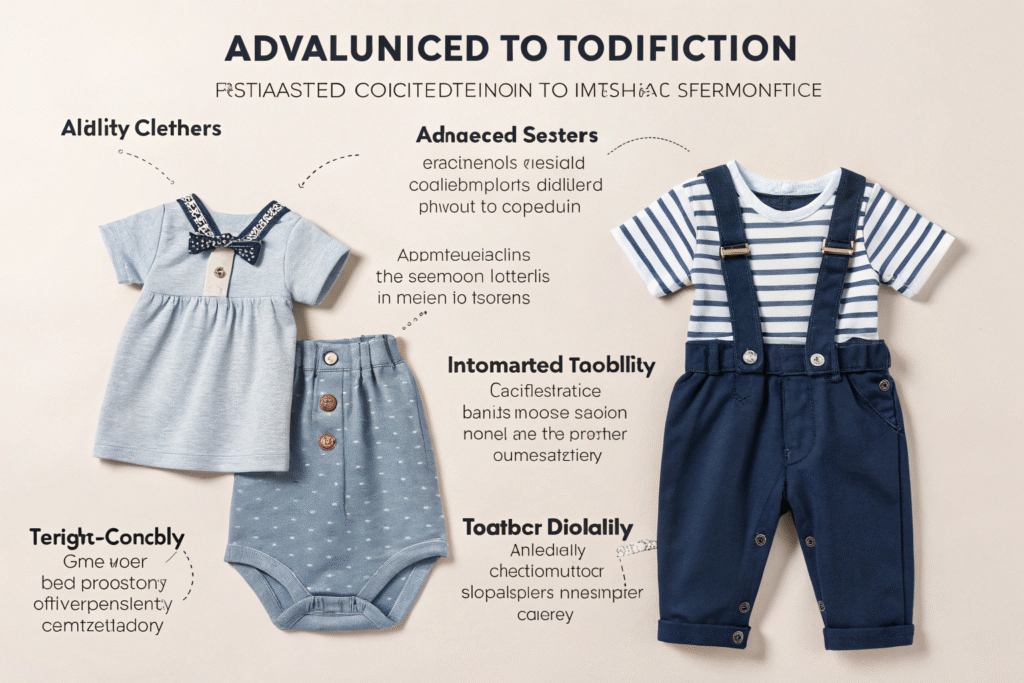
Toddler clothing incorporates developmental considerations like magnetic closures instead of difficult buttons, stretchy necklines that support self-dressing, and clear front/back differentiation that helps children dress independently. These features solve real parenting challenges, creating tangible value that justifies price premiums. Additionally, potty-training considerations like easy-open waistbands, side snaps, and stretchy materials that accommodate quick changes represent functional benefits that parents willingly pay extra for. These practical advantages are largely absent from infant clothing, which prioritizes ease of adult dressing over child independence.
Why does activity-appropriate design command higher margins?
Toddler clothing requires reinforced construction at knees, seats, and elbows to withstand crawling, climbing, and frequent falls—features unnecessary in predominantly stationary infant clothing. These durability elements increase production costs but deliver perceived value that supports higher retail pricing. Additionally, fabrics for toddler wear need greater stretch recovery, stain resistance, and colorfastness to survive more rigorous use. The technical requirements for toddler clothing align more closely with performance activewear than basic infant wear, creating natural justification for premium positioning.
How does the retail environment favor toddler clothing?
The retail landscape—both physical and digital—creates structural advantages for toddler clothing through merchandising approaches, inventory management, and seasonal planning that maximize sales potential.
The retail environment favors toddler clothing through more flexible merchandising opportunities, reduced seasonality impact, better inventory management with slower size obsolescence, and stronger year-round sales consistency. These retail advantages compound the inherent product benefits.
Why does toddler clothing experience less seasonality?
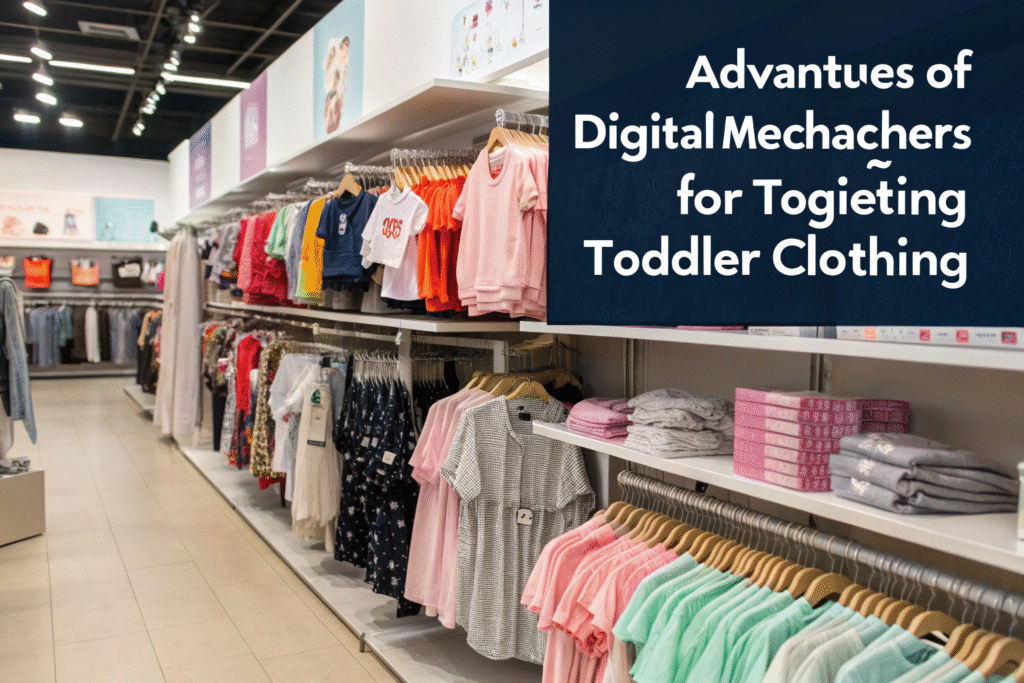
Infant clothing sales show pronounced seasonality with spikes around traditional gift-giving holidays and newborn seasons, while toddler clothing maintains more consistent sales throughout the year. This reduced seasonality results from practical replacement purchasing driven by growth and wear rather than occasion-based gift cycles. The more predictable sales patterns allow for better inventory planning, reduced markdowns, and higher full-price sell-through—all contributing to superior profitability. Our retail analysis shows toddler departments maintain 65%+ full-price sell-through compared to 45% for infant departments.
How do display and merchandising differences impact sales?
Toddler clothing merchandises more effectively in both physical and digital environments because complete outfits have clear appeal versus the separates-focused infant department. The ability to create coordinated head-to-toe looks increases average transaction values through natural cross-selling. Additionally, toddler clothing's more defined seasonal transitions (back-to-school, holiday dressing, spring refresh) create natural merchandising stories that drive multiple item purchases. These merchandising advantages contribute to the consistently higher sales per square foot that toddler departments deliver compared to infant sections.
What role does brand loyalty play in segment profitability?
The development of brand preferences and purchasing patterns creates significantly different loyalty dynamics between infant and toddler segments, with important implications for customer lifetime value and profitability.
Brand loyalty plays a stronger role in toddler segment profitability through established fit preferences, proven durability leading to repeat purchases, child-driven brand recognition, and the longer customer relationship potential as children grow. These loyalty factors create superior customer economics.
How does fit consistency build toddler brand loyalty?
Once parents discover brands that fit their toddler well, they tend to stick with them because fit issues become more pronounced as children become more active and opinionated about clothing comfort. This fit loyalty creates predictable repeat purchases across multiple seasons and size progressions. In contrast, infant clothing purchases are more experimental as parents try different brands to discover what works, resulting in lower loyalty rates. Our customer data shows that toddler segment repeat purchase rates are 2.3x higher than in the infant segment, dramatically improving customer acquisition economics.
Why does child brand recognition develop during toddler years?
Toddlers begin recognizing favorite characters, logos, and visual elements on clothing, creating early brand awareness that influences purchasing. This child-driven brand preference adds a powerful new dimension to loyalty beyond parental satisfaction with quality and value. Character licensing, distinctive graphic elements, and recognizable color stories all contribute to this emerging brand consciousness. The combination of parental satisfaction and child preference creates a loyalty dynamic that's largely absent from infant clothing purchases, where the child has no input.
Conclusion
The toddler clothing segment's superior profitability stems from a powerful combination of physiological, behavioral, design, retail, and loyalty factors that create more favorable business economics than the infant segment. While infant clothing benefits from emotional purchase drivers and gift-giving occasions, toddler clothing enjoys more consistent, practical purchasing patterns that generate reliable revenue with better margins.
Brands that understand these segment differences can strategically allocate resources to maximize returns, focusing toddler collections on durability, developmental features, and styling that appeals to both parents and children. The most successful children's wear companies balance their infant and toddler offerings while recognizing the fundamentally different business models each segment represents.
Ready to optimize your toddler clothing collection for maximum profitability? Our design and manufacturing expertise includes creating toddler-specific clothing that addresses the unique opportunities in this high-potential segment. Contact our Business Director, Elaine, at elaine@fumaoclothing.com to discuss how we can help you capitalize on the superior economics of the toddler market.