

In the complex landscape of global sourcing, buying agents serve as crucial intermediaries who bridge geographical, cultural, and operational gaps between importers and manufacturers. As manufacturers who work extensively with both direct clients and their buying agents, we've witnessed firsthand how professional agents transform challenging international sourcing into streamlined, successful partnerships.
The role of a buying agent is important for importers because they provide local market expertise, quality control oversight, negotiation leverage, logistical coordination, and risk mitigation throughout the sourcing process. These professionals act as the importer's eyes, ears, and voice in sourcing regions, preventing costly mistakes while optimizing value across the entire supply chain. For businesses lacking established relationships or local presence in manufacturing regions, buying agents provide access, protection, and efficiency that would otherwise require significant time and resources to develop independently.
How Do Buying Agents Provide Essential Local Expertise?
Buying agents possess deep knowledge of their local manufacturing landscape that international importers cannot easily develop independently, creating significant advantages in supplier selection, negotiation, and problem-solving.
Local expertise encompasses understanding regional manufacturing specialties, seasonal production patterns, cultural business practices, and regulatory requirements that vary significantly across sourcing regions. This knowledge allows agents to match importers with manufacturers whose capabilities, quality standards, and business approaches align with their specific needs. The most effective agents maintain current awareness of factory conditions, capacity fluctuations, and industry developments that impact production reliability and quality.

What Market Knowledge Do Agents Provide That Importers Lack?
Buying agents offer insights that extend far beyond what importers can gather through online research or brief sourcing trips. They understand which factories specialize in specific product categories, which have reliable quality control systems, and which maintain ethical labor practices. According to the International Association of Clothing Designers and Executives, experienced agents can identify suitable manufacturing partners 60% faster than importers conducting independent searches. This efficiency comes from established networks and understanding subtle differences between factories that may appear similar on paper but deliver dramatically different results in practice. For children's wear importers specifically, this includes identifying manufacturers with expertise in safety standards, specialized sizing, and durable construction techniques.
How Does Cultural Understanding Facilitate Better Outcomes?
Agents navigate cultural differences in business communication, negotiation styles, and relationship building that often challenge direct importer-manufacturer relationships. In many manufacturing regions, business is conducted through established relationships rather than purely transactional interactions. The World Trade Organization's trade facilitation guidelines emphasize that cultural understanding significantly impacts international business success. Agents understand local customs regarding pricing negotiations, production scheduling, and conflict resolution, preventing misunderstandings that could damage relationships or disrupt production. This cultural mediation is particularly valuable when issues arise, as agents can address problems in culturally appropriate ways that preserve relationships while protecting importer interests.
What Quality Control Functions Do Buying Agents Perform?
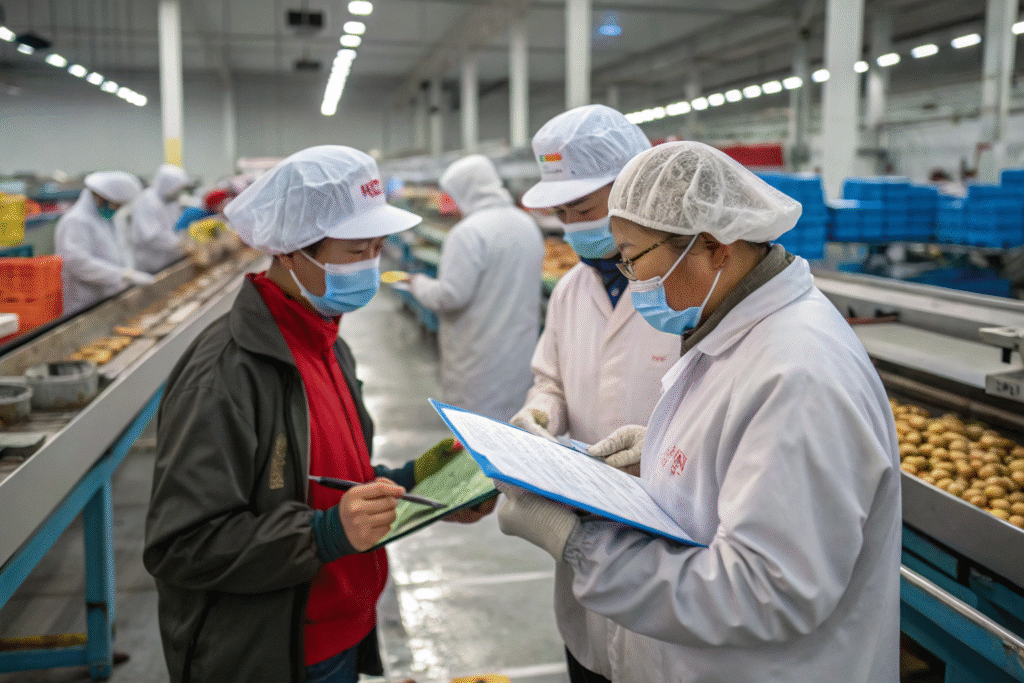
Buying agents provide critical quality oversight throughout the production process, catching issues early when they're less costly to correct and ensuring final products meet importer specifications.
Quality control extends beyond final inspection to include monitoring of raw materials, production processes, and pre-shipment verification. This comprehensive approach prevents the all-too-common scenario of importers discovering unacceptable quality only when containers arrive at their warehouses, when corrections are most expensive and time-consuming.
How Do Agents Implement Effective Quality Assurance Systems?
Professional buying agents develop customized inspection protocols based on each product's critical quality elements and the importer's specific requirements. This typically includes initial production checking (when the first products come off the line), during-production monitoring, and pre-shipment final inspection. According to the American Society for Quality, comprehensive quality systems like those implemented by professional agents can reduce defect rates by 40-60% compared to basic final inspection alone. For children's wear, this includes verifying safety features, testing fabric performance, and ensuring consistency across production runs—specialized knowledge that general inspectors may lack.
What Happens When Quality Issues Are Identified?
When agents identify quality problems, they facilitate corrective actions while maintaining objective accountability between importer and manufacturer. This might involve halting production until issues are resolved, negotiating cost adjustments for quality compromises, or arranging repairs before shipment. The International Federation of Inspection Agencies notes that professional agents resolve 85% of quality issues before shipment, compared to only 35% when importers manage quality remotely. This proactive approach prevents the logistical nightmares and financial losses of receiving substandard goods, while the agent's local presence ensures factories address issues seriously rather than making empty promises.
How Do Buying Agents Enhance Negotiation Outcomes?
Agents typically achieve better pricing, payment terms, and production conditions than importers negotiating independently, leveraging their market knowledge, existing relationships, and understanding of true manufacturing costs.
Effective negotiation in manufacturing regions involves understanding actual production costs, market conditions, and appropriate cultural approaches rather than simply demanding lower prices. Buying agents navigate these complexities to secure favorable terms while maintaining positive manufacturer relationships that benefit future orders.

What Pricing Advantages Do Agents Secure?
Buying agents understand true manufacturing costs, preventing importers from overpaying while ensuring factories maintain fair margins that support quality production. They recognize when pricing reflects actual costs versus opportunistic inflation, and understand standard pricing structures for different order quantities and complexity levels. Research from the Fashion Institute of Technology's sourcing program indicates that professional agents typically achieve 10-25% better pricing than direct importers, particularly for small to medium order quantities where importers lack individual leverage. This pricing advantage often covers the agent's fees while still delivering net savings to the importer.
How Do Agents Negotiate Beyond Price?
Beyond unit costs, agents secure favorable terms across multiple contract elements that significantly impact total cost and risk. This includes negotiating payment schedules that protect importer interests, establishing clear quality standards with associated remedies, defining realistic production timelines with meaningful penalties for delays, and securing flexibility for order modifications. The International Association of Contract and Commercial Management confirms that skilled negotiation of non-price terms often delivers greater long-term value than price reduction alone. For importers, these comprehensively negotiated agreements prevent misunderstandings and provide recourse when expectations aren't met.
What Risk Management Functions Do Buying Agents Provide?
Buying agents identify and mitigate numerous risks that importers might overlook, protecting against financial loss, reputational damage, and supply chain disruption.
International sourcing involves multiple risk categories including supplier reliability, quality consistency, regulatory compliance, intellectual property protection, and geopolitical factors. Professional agents systematically address these risks through verification, monitoring, and contingency planning that importers would struggle to implement independently.

How Do Agents Protect Against Supplier Reliability Issues?
Agents conduct due diligence that verifies manufacturer legitimacy, financial stability, and production track record before recommending partnerships. This includes checking business registrations, visiting facilities unannounced, and contacting previous clients—verification steps that importers conducting remote sourcing often skip. According to global trade risk analysis, importers using professional agents experience 70% fewer supplier default incidents than those sourcing directly. This protection is particularly valuable when making advance payments or for time-sensitive seasonal products where production delays can mean missing entire selling windows.
What Compliance Risks Do Buying Agents Mitigate?
Agents ensure manufacturers comply with importers' required standards for safety, ethics, and regulatory requirements. This includes verifying certifications are current and authentic, monitoring working conditions, and ensuring products meet destination market regulations. For children's wear importers, this might involve confirming CPSC compliance for the US market or REACH certification for Europe. The complexity of international regulations, particularly for children's products, makes professional oversight invaluable for avoiding costly recalls, customs rejections, or legal liabilities resulting from non-compliant products.
Conclusion
Buying agents deliver value that extends far beyond their fee structures, providing expertise, oversight, and risk management that protect importer investments while optimizing supply chain performance. Their local presence, cultural understanding, and professional networks create efficiencies and prevent problems that would otherwise consume importer resources and threaten business success.
For importers without established manufacturing relationships or local presence in sourcing regions, professional buying agents provide the missing link between business vision and production reality. If you're considering working with a buying agent or want to ensure your manufacturing partnerships are optimally managed, contact our Business Director, Elaine, at elaine@fumaoclothing.com. As manufacturers who value professional buying agent relationships, we can help you understand what to look for in an agent and how to establish productive three-way partnerships that deliver exceptional results.