
In today's global marketplace, the "Made in China" label continues to maintain a dominant position in the children's fashion industry, despite increasing competition from other manufacturing regions. This enduring strength might surprise those who associate Chinese manufacturing solely with low-cost production, but the reality reveals a much more complex and sophisticated ecosystem that has evolved significantly over the past decade.
The Made in China label remains strong in kids fashion because of decades-refined manufacturing expertise, comprehensive supply chain integration, reliable quality control systems, exceptional scalability, and continuous innovation in safety standards and sustainable practices. Chinese manufacturers have successfully transitioned from competing primarily on price to competing on quality, reliability, and value-added services.
The perception of Chinese manufacturing has undergone a remarkable transformation, particularly in the children's wear sector where safety, quality, and consistency are non-negotiable. Let's examine the specific factors that maintain China's competitive edge in this specialized market.
How has manufacturing expertise evolved beyond basic production?
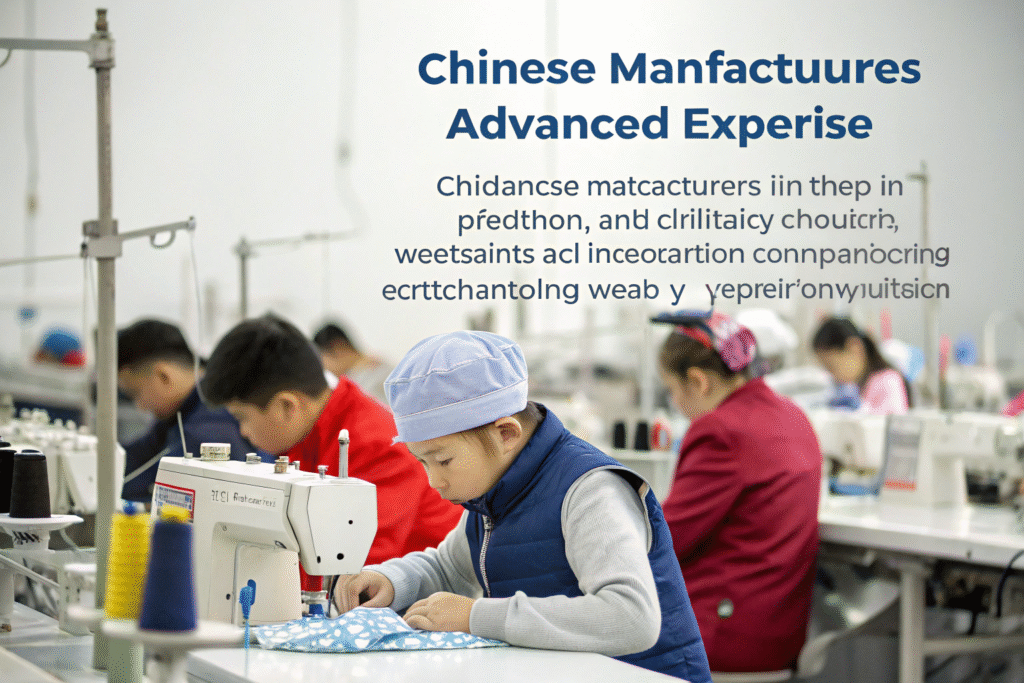
Chinese manufacturers have developed specialized knowledge that extends far beyond simple assembly line production. This deep expertise encompasses everything from fabric sourcing and development to specialized construction techniques specific to children's wear requirements and safety standards.
Manufacturing expertise has evolved to include technical fabric development, specialized pattern-making for children's proportions, advanced quality control systems, and comprehensive understanding of international safety standards. This specialized knowledge creates significant barriers to entry for newer manufacturing regions and provides tangible value to brands seeking manufacturing partners.
What technical capabilities distinguish Chinese manufacturers?
Chinese factories have invested heavily in specialized equipment for children's wear production, including computerized pattern grading systems, automated cutting machines that optimize fabric usage, and specialized sewing equipment for delicate materials. This technical infrastructure allows for precision manufacturing at scales that smaller production regions cannot match. Additionally, decades of experience producing for global brands have created institutional knowledge about different market requirements, from European safety standards to American sizing preferences.
How does design collaboration enhance value?
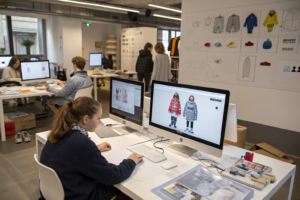
Many Chinese manufacturers now offer integrated design and development services, working as creative partners rather than just production facilities. This design collaboration includes creating tech packs, developing custom fabrics, and providing sample-making capabilities that significantly reduce development time for brands. The ability to rapidly prototype designs and make adjustments based on manufacturing feasibility provides invaluable efficiency that brands have come to depend on for staying competitive in fast-moving children's fashion markets.
Why does supply chain integration provide competitive advantages?
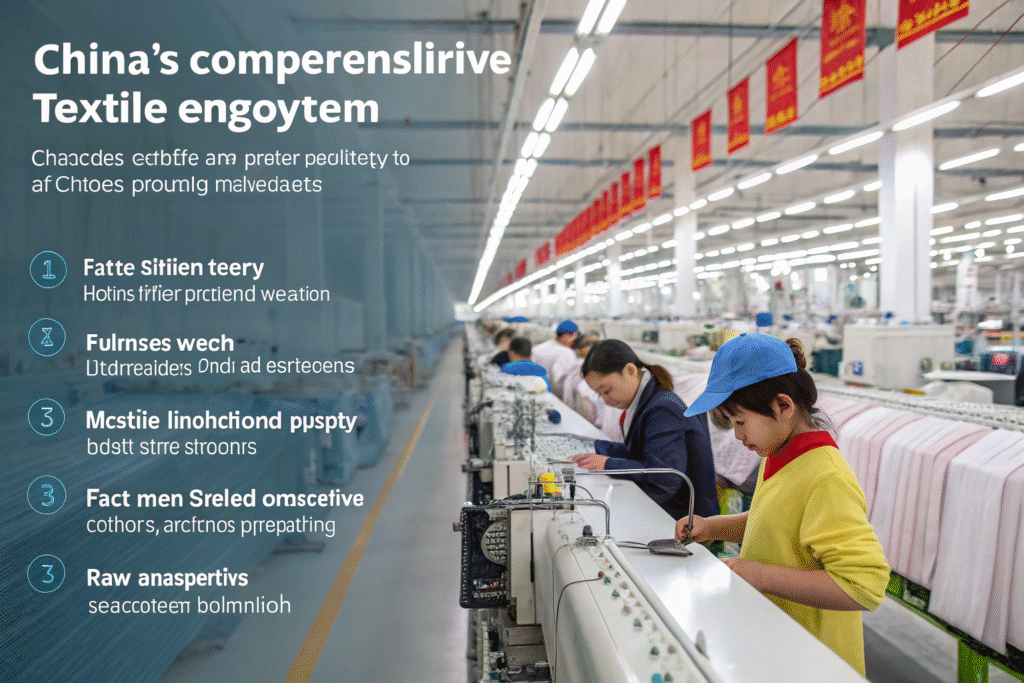
China's comprehensive textile ecosystem creates significant efficiencies that translate into better pricing, faster production times, and greater material options for children's wear brands. This vertical integration spans from raw material production to finished garment manufacturing within concentrated geographic regions.
Supply chain integration provides competitive advantages through reduced lead times, cost efficiencies from vertical operations, greater material selection, and simplified logistics management. Having all production stages within proximity creates synergies that dispersed manufacturing regions struggle to replicate.
How does material access impact product development?
China's dominance in textile production means manufacturers have immediate access to an unparalleled variety of fabrics, trims, and components specifically developed for children's wear. This includes specialized materials like OEKO-TEX certified cottons, innovative performance fabrics, and safety-compliant components like breakaway drawstrings and non-toxic dyes. The ability to source these materials locally with minimal logistics complexity allows for faster sampling and production while maintaining cost control.
What logistics efficiencies support global distribution?
China's established infrastructure for international shipping, including major ports, established freight relationships, and expertise in customs documentation, creates significant advantages for brands distributing globally. This logistics capability ensures reliable delivery to markets worldwide, a critical consideration for children's wear brands with seasonal collections and tight delivery windows. The predictability of shipping timelines from China, despite global disruptions, remains a key factor in its manufacturing appeal.
How have quality and safety standards transformed perception?
The narrative around Chinese manufacturing quality has undergone a dramatic shift, particularly in the children's wear sector where safety is paramount. Chinese manufacturers have invested heavily in certifications, testing facilities, and quality management systems that meet the most stringent international standards.
Quality and safety standards have transformed perception through rigorous certification processes, investment in testing infrastructure, implementation of comprehensive quality management systems, and demonstrated compliance with global safety regulations. This evolution has been essential for maintaining access to Western markets with strict children's product regulations.
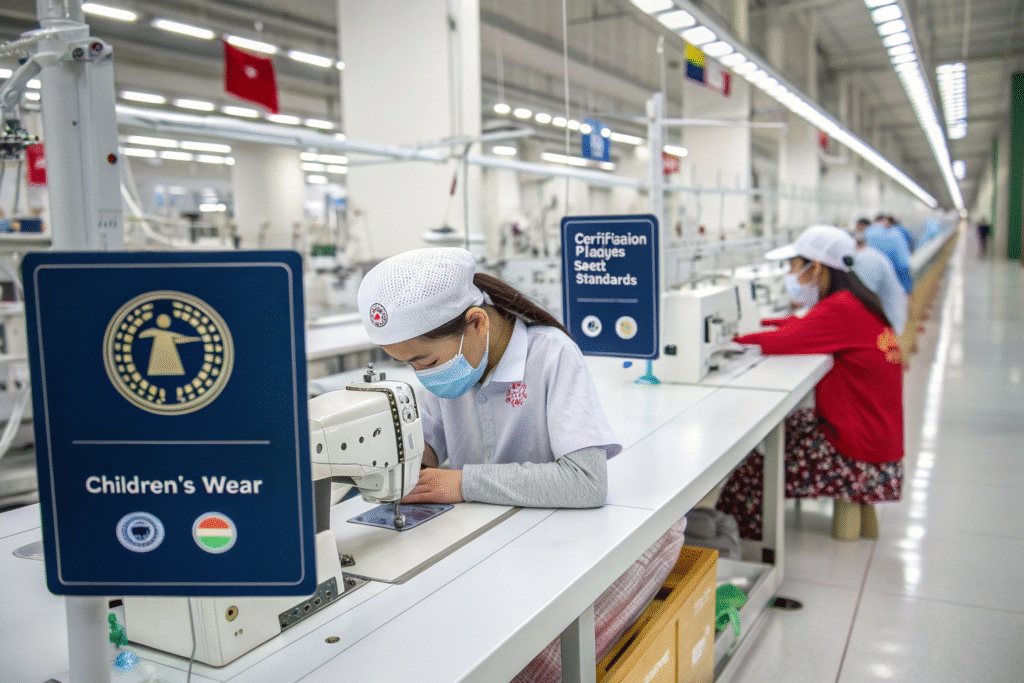
What certifications demonstrate compliance capability?
Leading Chinese manufacturers maintain comprehensive certifications including ISO 9001 for quality management, ISO 14001 for environmental management, and specialized certifications for children's product safety like CPSIA compliance for the US market and EN 71 for European markets. These certifications are not merely paperwork but represent investments in processes, training, and infrastructure that ensure consistent compliance. The transparency and auditability of these systems provide brands with confidence in their manufacturing partners.
How has safety innovation addressed market concerns?
Chinese manufacturers have proactively developed safety innovations specifically for children's wear, including magnetic closure systems that meet safety standards, non-toxic printing inks, flame-resistant sleepwear fabrics, and construction techniques that eliminate choking hazards. This safety innovation demonstrates a commitment to product safety that goes beyond basic compliance. The development of specialized safety features has become a competitive differentiator for manufacturers serving quality-conscious brands.
What scalability benefits support brand growth?
The ability to scale production efficiently remains one of China's most significant advantages for children's wear brands. This scalability encompasses not just production volume but also the flexibility to accommodate fluctuations in demand and the capability to grow alongside successful brands.
Scalability benefits support brand growth through flexible production capacities, ability to handle complex orders, rapid response to market trends, and infrastructure that supports business expansion. This growth accommodation provides brands with manufacturing stability as they scale from startup to established player.
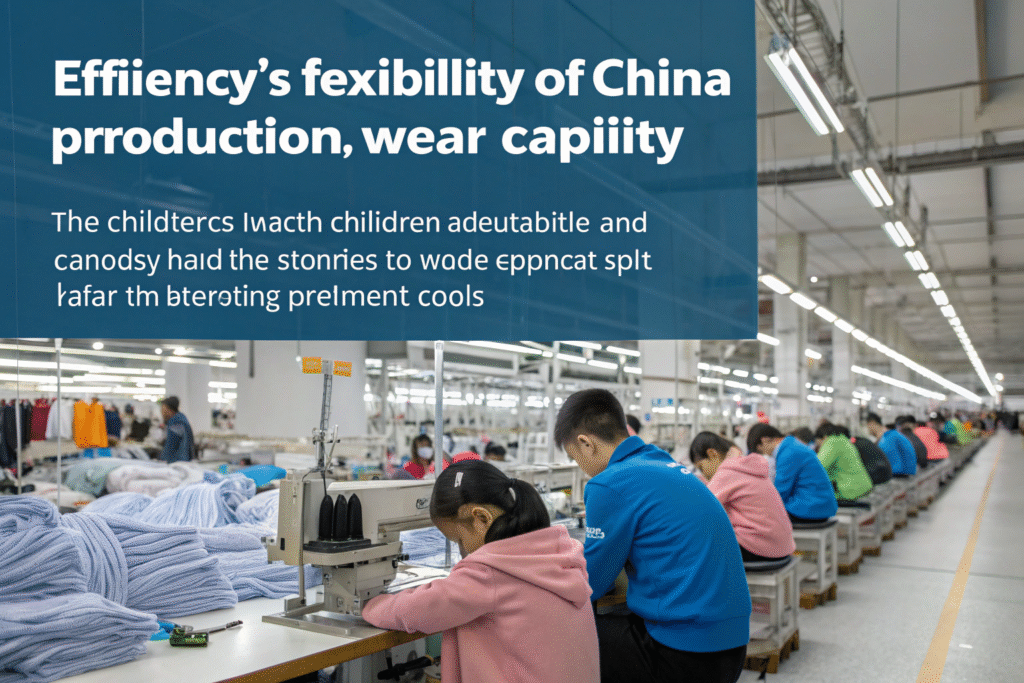
How does production flexibility benefit seasonal businesses?
Children's wear is inherently seasonal, with production peaks around key selling periods and school calendars. Chinese manufacturers have developed systems to manage this seasonality through production planning that accommodates fluctuating order volumes while maintaining quality standards. The ability to ramp production up or down without significant cost penalties provides brands with crucial flexibility in managing inventory and cash flow.
What advantages does order complexity management provide?
Modern children's collections often involve complex combinations of sizes, colors, and styles that require sophisticated production management. Chinese factories have developed specialized systems for managing this complexity while maintaining efficiency. This includes advanced inventory management for multiple components, coordinated production across specialized lines, and quality control processes that maintain consistency across complex orders—capabilities that have been refined through decades of experience serving global brands with diverse requirements.
How has sustainability become a competitive differentiator?
The perception of Chinese manufacturing as environmentally indifferent has been challenged by significant investments in sustainable practices across the textile industry. For children's wear brands with eco-conscious positioning, Chinese manufacturers now offer credible sustainable production options.
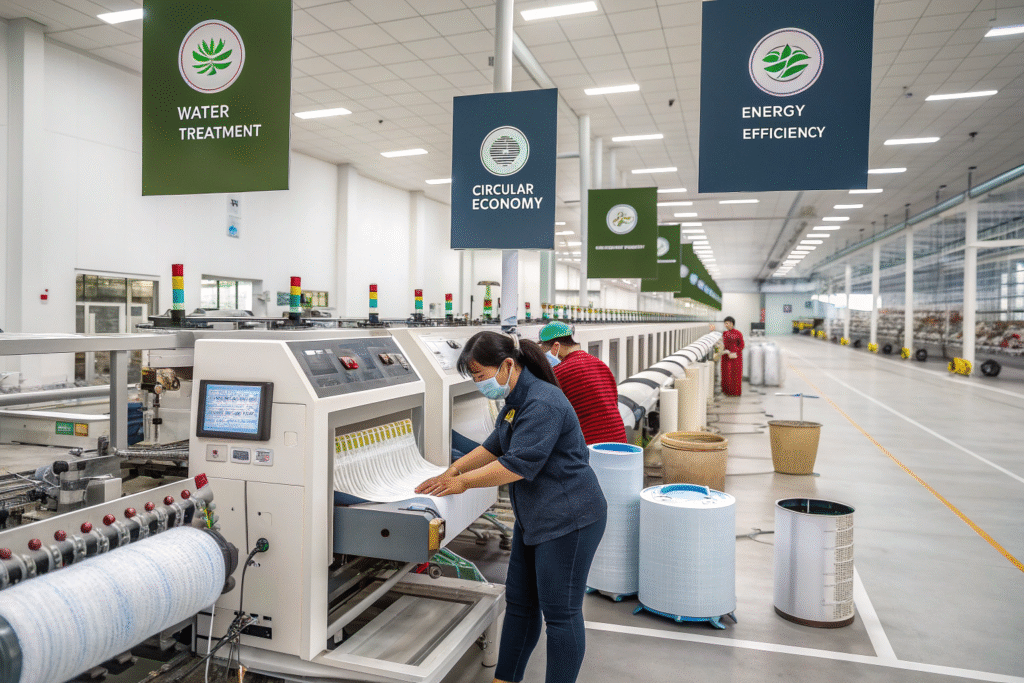
Sustainability has become a competitive differentiator through investments in water treatment, energy efficiency, sustainable material development, and circular economy initiatives that appeal to environmentally conscious brands. This evolution addresses growing consumer demand for responsibly produced children's products.
What environmental certifications demonstrate commitment?
Leading manufacturers have pursued certifications like GOTS (Global Organic Textile Standard) for organic materials, Bluesign for environmental production standards, and various carbon neutrality certifications that demonstrate measurable environmental commitment. These certifications require substantial investment in equipment, processes, and verification systems, moving beyond greenwashing to genuine environmental responsibility. The availability of certified sustainable manufacturing has become increasingly important for brands marketing to environmentally conscious parents.
How are manufacturers implementing circular economy principles?
Progressive Chinese manufacturers are implementing circular economy approaches through fabric recycling programs, water reclamation systems, and waste reduction initiatives that minimize environmental impact. These sustainable practices not only address environmental concerns but also create cost efficiencies that benefit brands. The development of closed-loop systems for water and chemical usage represents significant innovation that aligns with global sustainability trends in the fashion industry.
Conclusion
The continued strength of the "Made in China" label in kids fashion stems from a strategic evolution from low-cost production to value-added manufacturing partnerships. By combining decades of refined expertise with continuous innovation in quality, safety, and sustainability, Chinese manufacturers have maintained their relevance to brands seeking reliable, scalable, and sophisticated production capabilities.
Looking for a manufacturing partner that combines Chinese manufacturing strengths with exceptional quality and reliability for your children's fashion brand? Our factory specializes in producing premium children's wear that meets the highest international standards. Contact our Business Director, Elaine, at elaine@fumaoclothing.com to discuss how we can bring your designs to life with quality you can trust.