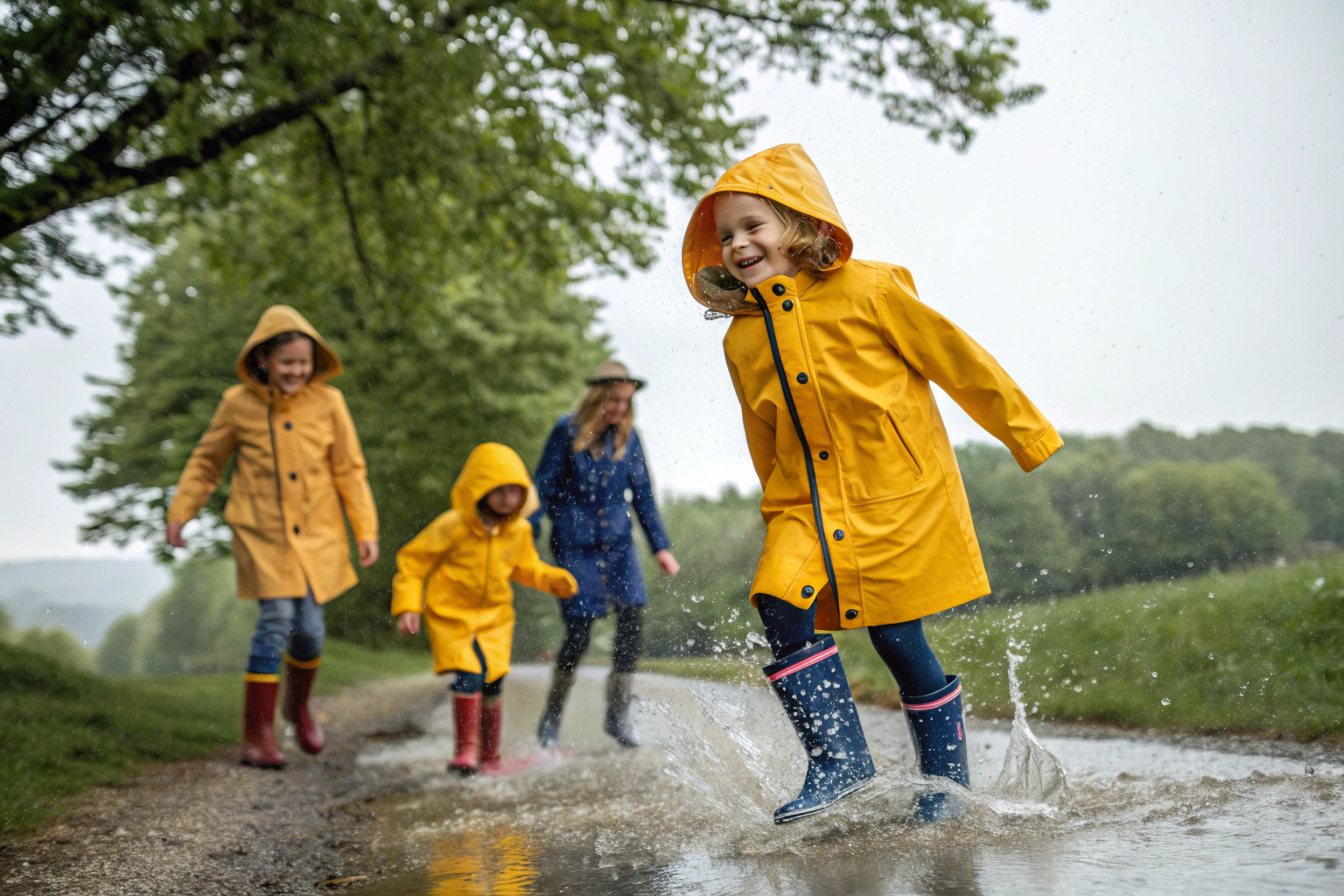
In the vast and often saturated landscape of children’s apparel, the rainwear segment stands out as a uniquely strategic and defensible niche. It’s a category driven by a universal, non-negotiable need—keeping kids dry—but elevated by modern parents’ demands for style, performance, and sustainability. As a manufacturer specializing in functional apparel, I see the kids’ rainwear market not as a seasonal afterthought, but as a year-round opportunity with high margins, loyal customers, and clear competitive moats. It’s a smart niche because it brilliantly solves a functional problem while offering ample room for brand storytelling and innovation.
The kids rainwear market is a smart niche because it addresses a universal, weather-driven need with high repurchase potential, commands premium pricing due to its technical and material requirements, faces less direct competition from fast fashion giants, and allows brands to build a strong identity around adventure, functionality, and playful design.
This market rewards expertise and quality. Let’s explore the compelling commercial and strategic reasons why focusing on kids’ rainwear can be a brilliant business decision.
How Does Functional Demand Create a Resilient Market?
Rainwear is purchased out of necessity, not just desire. In climates with regular precipitation, it’s an essential part of a child’s wardrobe. This creates a predictable, recurring demand that is somewhat insulated from the whims of fashion trends. While colors and prints may change, the core need for waterproof, breathable outerwear remains constant.
This functional demand is amplified by parental pragmatism. A parent buying a party dress might hesitate; a parent needing a rain jacket for the walk to school does not. Furthermore, children are notoriously hard on clothing—they outgrow items quickly, and rainwear is no exception. This drives a natural repurchase cycle every 1-2 years due to growth, and often sooner due to wear and tear, creating a reliable revenue stream for brands that build loyalty.

Why is the "Growth and Wear" Cycle a Commercial Advantage?
Unlike a delicate dress worn a few times, rainwear is used frequently and subjected to harsh conditions. This combination of physical growth and active wear-and-tear means a family may purchase multiple rain jackets and sets of boots for a single child throughout their youth. A brand that delivers on durability and fit earns the trust for that repeat purchase. If you capture a customer at age 2, you have the potential to retain them through age 10, not just for rainwear but potentially for other categories within your brand universe. This significantly boosts customer lifetime value (CLTV).
How Does Seasonality Present an Opportunity, Not a Limitation?
While peak demand aligns with rainy seasons, smart brands market rainwear for four-season use. A lightweight, packable rain shell is essential for spring hikes, summer camp, and unpredictable fall weather. Insulated rain jackets serve as winter coats in wet, mild climates. By positioning rainwear as a versatile layering piece for year-round adventure, brands can smooth out sales curves and reduce the risk of dead stock. Marketing a "3-in-1 system" (removable liner, outer shell) further enhances this year-round appeal.
Why Can Rainwear Command Premium Pricing and Margins?
Rainwear is a technical product. Its value is derived from its performance—its ability to keep water out while allowing sweat vapor to escape. Achieving this requires specialized, often expensive, materials and construction techniques. This inherent cost structure justifies a higher price point, and consumers understand they are paying for technology, not just fabric.
Premium pricing is supported by the use of branded waterproof membranes (like Gore-Tex or proprietary equivalents), fully taped seams, high-quality YKK aquaguard zippers, and durable, yet soft, face fabrics. Parents are willing to invest in a jacket that will keep their child dry and comfortable through a full school year of playground time, whereas they might balk at a similarly priced fashion item.

What Are the Key Technical Differentiators That Justify Price?
- Waterproof vs. Water-Resistant: True rainwear is waterproof (with a hydrostatic head rating of 5,000mm or higher), not just water-resistant. Educating consumers on this difference is key to justifying price.
- Breathability (MVTR): A plastic poncho is waterproof but traps sweat. High-quality rainwear has a moisture vapor transmission rate (MVTR) that allows perspiration to escape, preventing clamminess. This is a major selling point for active kids.
- Durable Water Repellent (DWR) Finish: A high-quality DWR causes water to bead and roll off the fabric’s surface. Brands can market this renewability (re-treating with a spray) as part of the product’s longevity story.
Communicating these technical features in simple terms transforms the product from a commodity into a piece of performance gear.
Why is Brand Storytelling Around Adventure So Effective?
Rainwear is inherently linked to outdoor play and adventure. Brands can build powerful narratives around "puddle jumping," "forest explorers," and "weather-ready adventures." This storytelling elevates the product from a utilitarian item to an enabler of childhood joy and resilience. It creates an emotional connection that transcends the technical specs, allowing brands to cultivate a loyal community of families who identify with this adventurous, playful ethos. This is a classic strategy in lifestyle branding.
How Does the Niche Protect Against Fast Fashion Competition?
Fast fashion giants excel at copying style trends quickly and cheaply. However, they struggle to replicate the technical integrity and durable quality required for true performance rainwear. Their supply chains are optimized for volume and speed, not for the precise seam taping, specialized material sourcing, and rigorous quality control that functional rainwear demands.
This creates a protective moat. A budget fashion retailer can make a raincoat-looking item, but it will likely lack proper sealed seams, use a low-grade coating that washes out, and have poor breathability. Disappointed customers quickly learn to seek out specialized brands for this category. This allows dedicated rainwear brands to compete on quality and performance rather than engaging in a losing price war.

What Role Does Certification and Verification Play?
Trust is paramount. Brands can solidify their position by using and advertising independent certifications. The most recognized is OEKO-TEX Standard 100, which verifies the absence of harmful substances—crucial for items worn close to the skin. For recycled materials, the Global Recycled Standard (GRS) adds credibility. Some brands even submit their finished garments for rainroom testing and publish the results. These verifications are difficult for fast fashion to mimic credibly and provide a clear, objective reason for parents to choose a specialist brand.
How Can a Focus on Sustainability Deepen the Moat?
The rainwear market is ripe for sustainable innovation, which further distances it from fast fashion. Leaders in the space are:
- Using recycled polyester (rPET) for shells and linings.
- Implementing PFAS-free DWR treatments (a major environmental concern with traditional waterproofing).
- Designing for repairability (e.g., offering patch kits for tears) and end-of-life recycling programs.
- Using bio-based membranes as an alternative to petrochemical derivatives.
These initiatives require R&D investment and supply chain partnerships that are beyond the scope of fast fashion, creating a sustainable competitive advantage that aligns with the values of modern, eco-conscious parents.
What Are the Strategic Expansion Opportunities Within the Niche?
Mastering kids’ rainwear creates a solid platform for logical and credible brand extensions. The trust earned in one functional category can be leveraged into adjacent areas, allowing for portfolio growth without diluting the brand’s core identity.
Natural expansions include matching adult rainwear (for family matching sets), rain boots and accessories (hats, mitts, umbrellas), snowwear (which shares similar technical construction), and all-weather backpacks or lunch bags. Each extension reinforces the brand’s position as the expert in "weather-ready" family gear.

Why is "Family Matching" a Powerful Growth Lever?
The desire for coordinated family outfits, especially for outdoor activities, is a strong market force. A brand that starts with best-in-class kids’ rainwear can successfully launch adult-sized versions of its most popular prints and styles. This not only doubles the potential market per household but also creates viral social media moments (think: family hiking photos in matching rain gear) that serve as powerful organic marketing. It turns a children’s brand into a family lifestyle brand.
How Does a Niche Focus Enable Direct Customer Relationships?
Operating in a focused niche like rainwear allows for deeper, more meaningful engagement with a specific customer segment. Brands can create highly targeted content: "How to Layer Under a Rain Shell," "Best Rainy Day Activities," "How to Re-proof Your Jacket." They can build communities around wet-weather adventures. This direct relationship provides invaluable feedback for product development and creates brand advocates who are fiercely loyal. This is the antithesis of the anonymous, transactional relationship typical of fast fashion.
Conclusion
The kids’ rainwear market is a smart niche because it masterfully intersects necessity with innovation, function with fashion, and practicality with passion. It offers a clear path to profitability through technical differentiation, fosters deep customer loyalty via essential performance, and provides a defensible position against low-cost competitors. For entrepreneurs and brands, it represents a chance to build a business with purpose, quality, and longevity—one that keeps children dry while allowing their spirits, and your brand, to shine regardless of the weather.
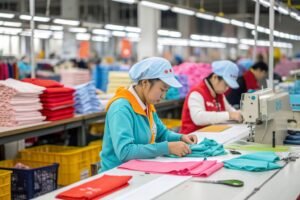
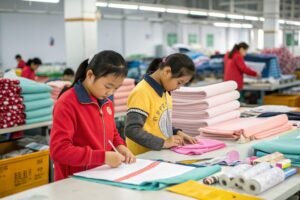
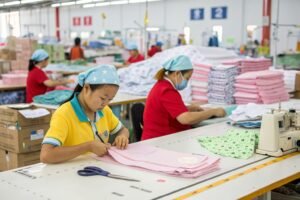
For manufacturers like Fumao Clothing, partnering with rainwear brands means engaging at a higher technical level—mastering seam sealing, sourcing performance membranes, and ensuring flawless waterproof construction. We provide the precision engineering that turns a good idea into a reliable, best-in-class product. If you’re looking to build a brand that stands up to the elements and the market, let’s create it together. Contact our Business Director, Elaine, at elaine@fumaoclothing.com to start developing your niche-defining rainwear collection.