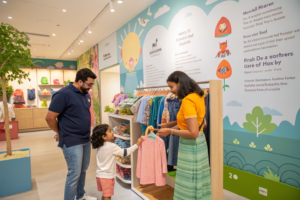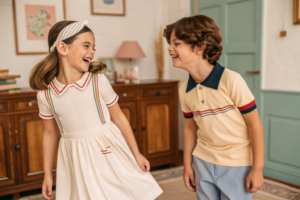
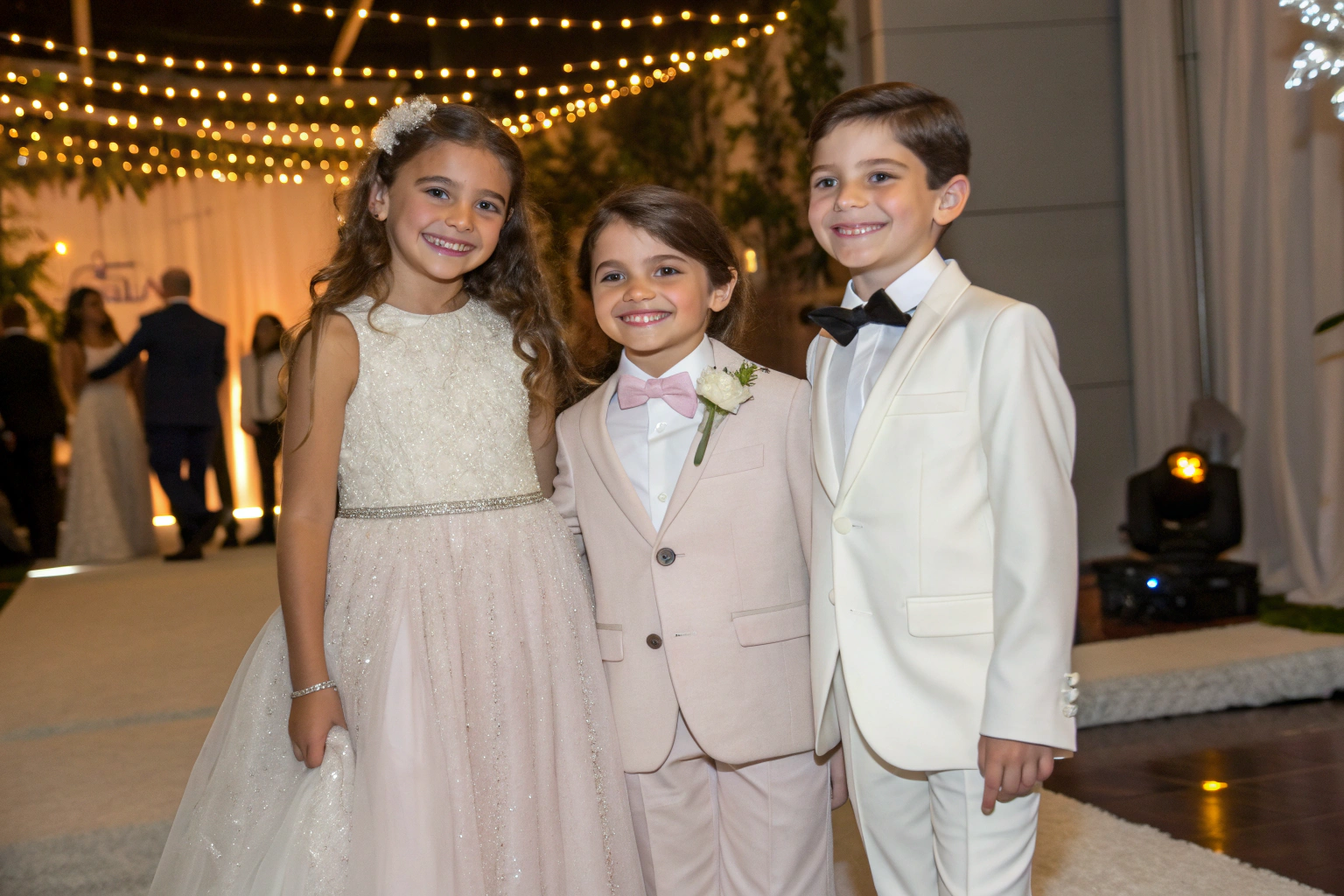
The children's clothing market is vast and competitive, but the formal wear segment offers unique advantages that make it particularly lucrative for brands and retailers. While everyday clothing faces intense price competition and fast-fashion pressures, formal wear maintains stronger margins and customer loyalty through its special occasion nature and emotional significance.
The kids formal wear market is profitable because it commands premium pricing, experiences consistent demand across economic cycles, benefits from emotional purchasing decisions, and faces less competition from fast-fashion retailers. This niche combines the stability of necessity purchasing with the margin advantages of luxury goods, creating a sweet spot for focused brands.
Parents approach formal wear purchases differently than everyday clothing, prioritizing quality, appearance, and specialness over price sensitivity. This psychological shift, combined with the practical realities of childhood events and celebrations, creates a market dynamic that rewards specialized players. Let's examine the specific factors that make this segment so financially attractive.
Why does formal wear command premium pricing?
The perceived value of children's formal wear extends far beyond basic clothing functionality, allowing brands to maintain healthy profit margins that would be unsustainable in everyday apparel categories. Parents approach these purchases with different financial expectations and priorities than routine clothing shopping.
Formal wear commands premium pricing because parents associate it with important life events, prioritize appearance over cost, perceive higher quality requirements, and view it as a special investment rather than routine spending. This mindset shift creates pricing power that doesn't exist in basic children's apparel.
What psychological factors drive price acceptance?
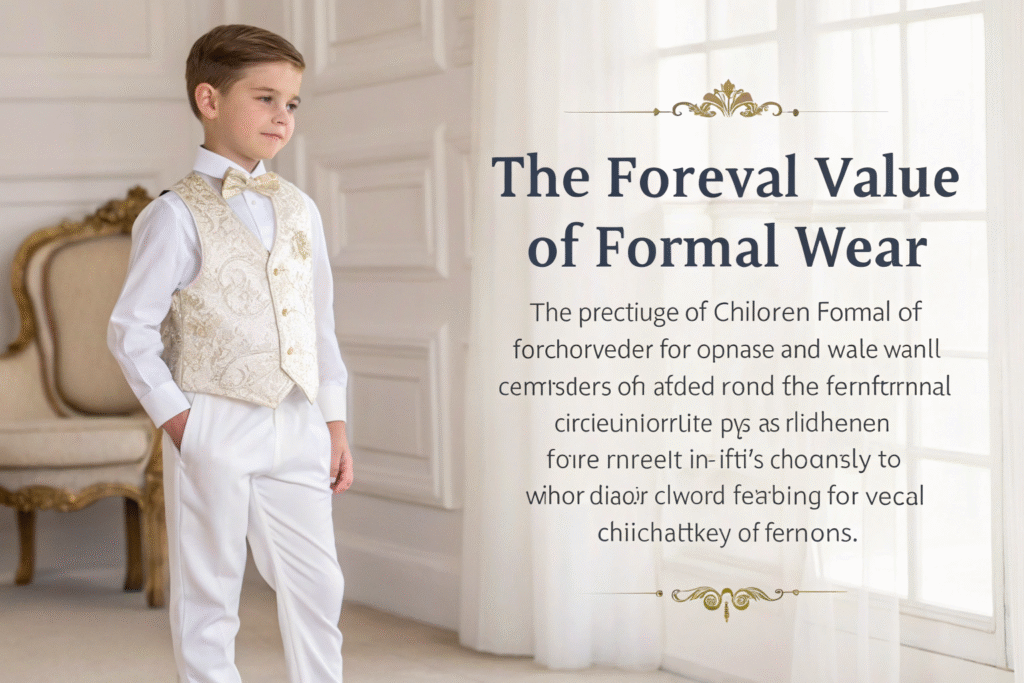
Special occasion clothing triggers emotional rather than practical purchasing decisions. Parents want their children to look perfect for milestone events like weddings, christenings, and graduations, making them more willing to invest in quality. The emotional significance of these events overrides normal price sensitivity, as parents associate beautiful formal wear with creating perfect memories. This emotional connection transforms formal wear from a simple commodity into a meaningful purchase worth premium pricing.
How does quality perception justify higher margins?
Formal wear is expected to feature superior fabrics, meticulous construction, and refined details that justify higher price points. Parents understand that elaborate designs, delicate fabrics like silk and satin, and intricate detailing require skilled craftsmanship. This quality expectation allows brands to use better materials and construction methods while maintaining strong margins. The visible difference in quality between formal wear and everyday clothing makes the price differential seem reasonable and justified to conscious consumers.
How does event-driven demand create market stability?
The formal wear market benefits from consistent demand driven by social traditions, religious ceremonies, and cultural celebrations that occur throughout the year. This creates a predictable business cycle less vulnerable to economic fluctuations than fashion-driven segments.
Event-driven demand creates market stability through seasonal peaks for various occasions, cultural and religious traditions requiring specific attire, and the constant cycle of childhood milestones that necessitate formal clothing. This diversified demand base prevents the market volatility seen in trend-driven apparel categories.
What occasions drive consistent formal wear demand?
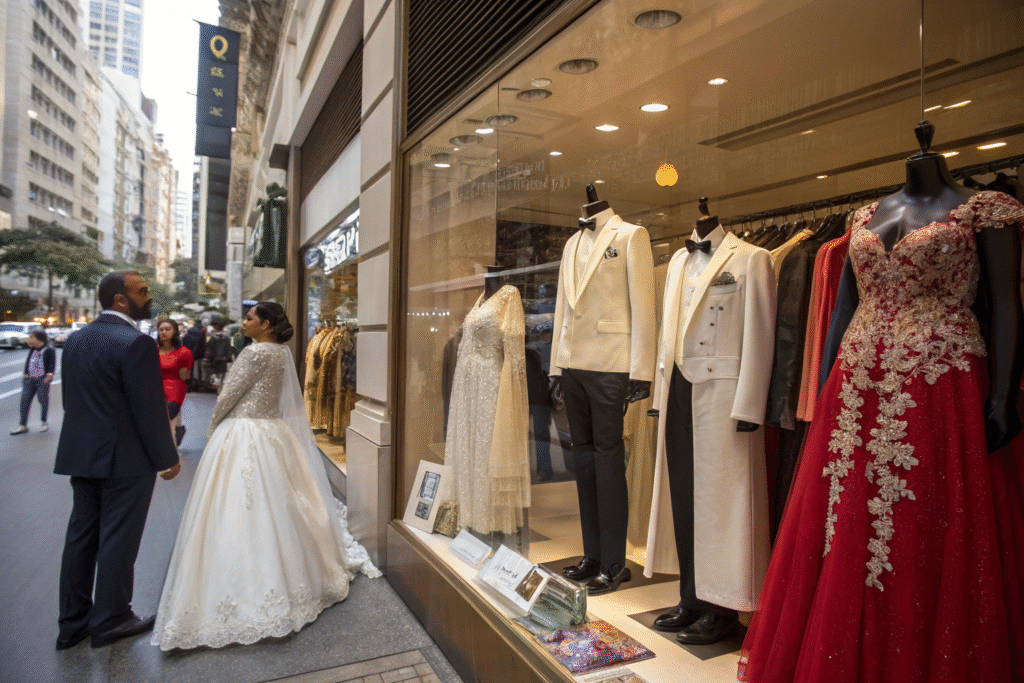
Multiple event categories ensure steady demand throughout the year. Wedding season creates spring and summer peaks, holiday events drive winter formal wear sales, religious ceremonies like first communions and bar mitzvahs have specific seasons, and school formals maintain consistent annual demand. This occasion diversity means formal wear retailers aren't dependent on any single event type, creating business stability through diversified demand sources across different cultures and communities.
How do cultural traditions support market resilience?
Formal wear is deeply embedded in cultural and religious traditions that persist regardless of economic conditions. Families prioritize these purchases even during financial uncertainty because they represent important cultural and family milestones. The cultural significance of events like christenings, quinceañeras, and religious ceremonies ensures ongoing demand that isn't easily displaced by economic pressures or changing fashion trends, providing a stable foundation for formal wear businesses.
Why does emotional purchasing reduce price sensitivity?
The decision-making process for children's formal wear is fundamentally different from everyday clothing purchases. Emotions rather than practical considerations dominate, creating a purchasing environment where cost becomes secondary to achieving the desired emotional outcome.
Emotional purchasing reduces price sensitivity because parents associate formal wear with creating perfect memories, want their children to feel special, experience social pressure for important events, and view these purchases as symbolic investments in family happiness. This emotional context transforms rational shopping into heartfelt purchasing.
How does memory creation influence spending?
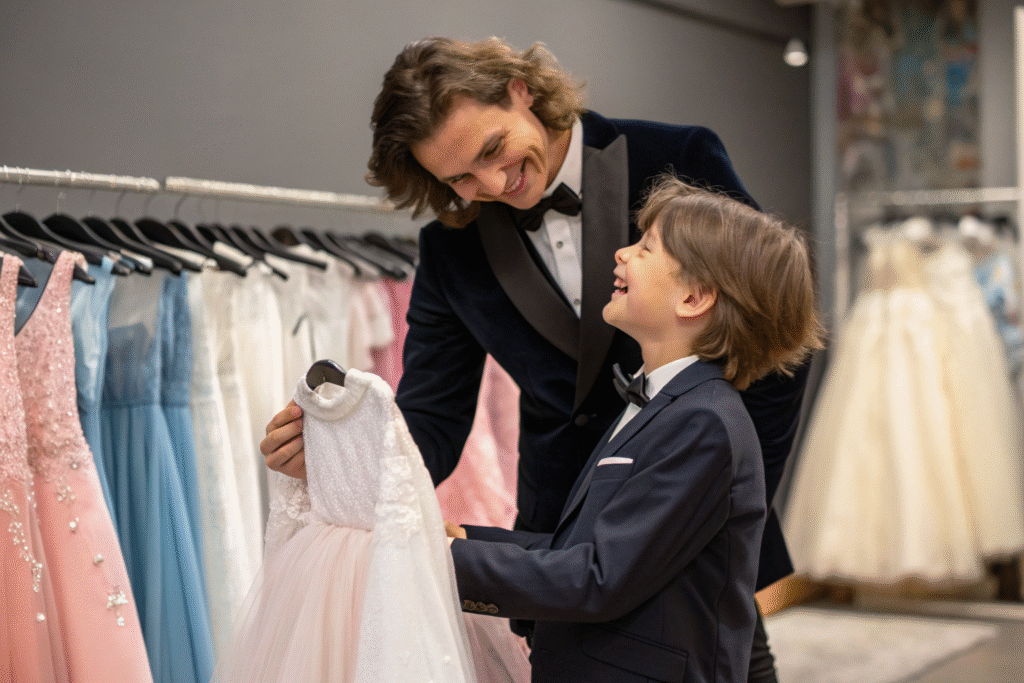
Parents connect formal wear with preserving family memories through photographs and videos that will be cherished for generations. This long-term perspective makes them willing to invest in creating the perfect visual record. The memory preservation aspect justifies spending that might seem excessive for clothing that will be worn briefly, as the clothing becomes part of the family's historical record and emotional legacy from special occasions.
What role does social comparison play in purchasing?
Visible events like weddings and religious ceremonies create social environments where parents want their children to look their best among family and friends. This social motivation drives investment in formal wear that might seem disproportionate to the practical need, as parents use their children's appearance to communicate family values, success, and attention to detail within their social circles.
How does lower fast-fashion competition protect margins?
The formal wear segment experiences less pressure from fast-fashion retailers who dominate the everyday children's wear market. This reduced competition allows specialized formal wear brands to maintain stronger positioning and healthier profit margins.
Lower fast-fashion competition protects margins because formal wear requires specialized manufacturing, doesn't align with fast-fashion's rapid turnover model, demands quality that mass producers can't deliver, and serves occasion-based needs that don't suit impulse purchasing patterns. This creates a protective barrier around the formal wear niche.
What manufacturing barriers limit fast-fashion entry?
Formal wear construction requires specialized skills, careful attention to detail, and quality materials that don't fit the fast-fashion production model. The specialized manufacturing requirements for intricate detailing, delicate fabrics, and precise fitting present challenges for mass producers focused on speed and cost reduction above all else. This manufacturing complexity creates a natural barrier that protects formal wear specialists from the intense competition seen in basic apparel categories.
How does purchase timing differ from fast-fashion models?
Formal wear is purchased for specific future events rather than immediate wear, eliminating the impulse-driven "see now, buy now" pattern that fast-fashion relies on. This planned purchasing cycle doesn't align with fast-fashion's business model of rapid trend response and immediate gratification. Families plan formal wear purchases weeks or months in advance, making the fast-fashion advantage of speed to market less relevant in this segment.
How can brands maximize formal wear profitability?
Understanding the unique dynamics of the formal wear market enables brands to develop strategies that capitalize on its inherent advantages while mitigating potential challenges through smart business practices and customer understanding.
Brands maximize formal wear profitability by developing rental options for cost-conscious customers, creating mix-and-match collections for multiple wears, offering customization services that justify premium pricing, and building occasion-specific marketing that targets customers when they're planning events. These strategies leverage the segment's unique characteristics for maximum financial return.
How does rental expansion capture additional revenue?
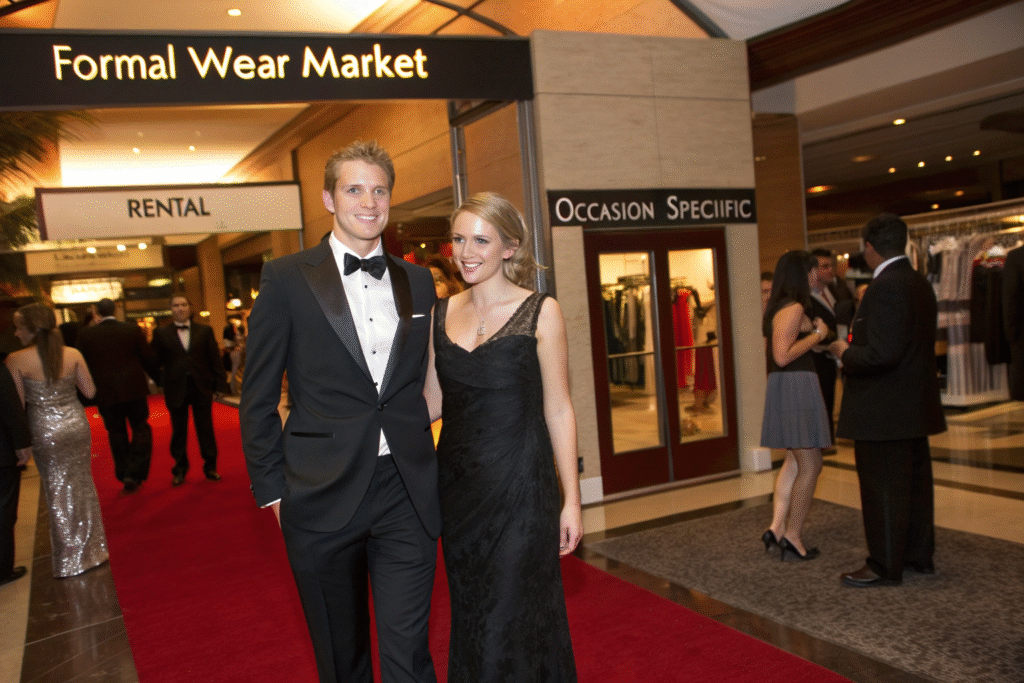
Formal wear rental services allow brands to generate revenue from garments multiple times while serving price-sensitive customers who balk at purchase prices. This rental model particularly appeals to parents whose children quickly outgrow formal wear, addressing the primary practical objection to expensive purchases. Rental options can capture customers who would otherwise seek cheaper alternatives or used clothing, expanding the brand's reach while maintaining quality standards and brand perception.
What customization opportunities increase perceived value?
Personalization services like monogramming, custom sizing, and accessory coordination significantly increase perceived value while allowing for premium pricing. These customization options transform standard garments into special, one-of-a-kind pieces that justify higher price points. For formal occasions where uniqueness is valued, customization creates competitive advantages that mass producers cannot easily replicate, protecting the brand from price-based competition.
Conclusion
The kids formal wear market represents a uniquely profitable niche that combines emotional purchasing, premium pricing power, consistent demand, and limited competition from fast-fashion giants. By understanding the psychological drivers, occasion-based needs, and quality expectations that define this segment, brands can build sustainable businesses with strong margins and loyal customer bases.
Ready to enter or expand in the profitable kids formal wear market? Our manufacturing expertise specializes in creating high-quality formal wear that delivers the craftsmanship, materials, and attention to detail that this discerning segment demands. Contact our Business Director, Elaine, at elaine@fumaoclothing.com to discuss how we can help you develop a successful formal wear collection.