The children's formal wear market operates on distinct seasonal patterns that differ significantly from everyday children's clothing. As a manufacturer who has produced formal wear for children for over a decade, I've observed how these seasonal cycles drive everything from production planning to marketing strategies in this specialized segment.
The kids formal dress market is seasonal because it's driven by specific social events, holiday celebrations, school calendars, and weather patterns that cluster during particular times of year. The demand peaks align with occasions like weddings in spring/summer, holiday parties in winter, and graduation ceremonies in late spring, creating predictable cycles that manufacturers and retailers must anticipate months in advance.
Understanding these seasonal patterns is crucial for businesses operating in this market, as missing these narrow windows can mean losing the entire year's opportunity in this category.
What Events Drive Seasonal Demand Peaks?
The formal wear market for children is entirely occasion-driven, with specific events creating concentrated demand during predictable periods. Unlike everyday clothing, these purchases cannot be postponed or advanced significantly.
The timing of social and cultural events creates natural peaks and valleys in demand that define the market's seasonal nature.
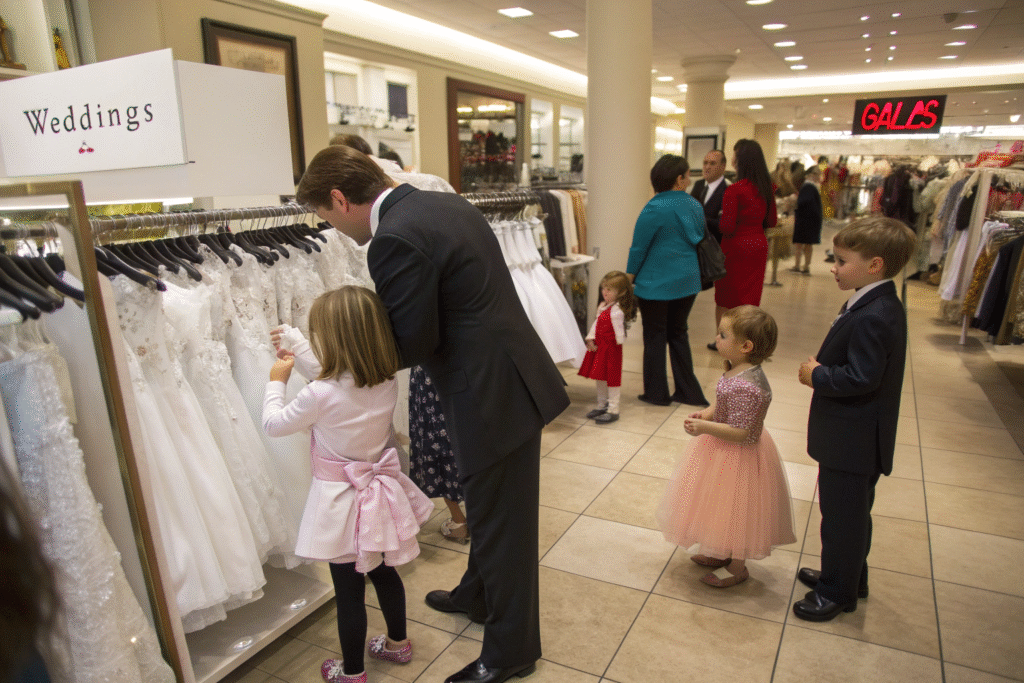
How Do Wedding Seasons Impact Formal Wear?
The traditional wedding season from late spring through early fall creates the first major demand peak for children's formal wear. As flower girls, ring bearers, and junior attendants require special outfits for these events, manufacturers must produce these collections nearly a year in advance. The spring/summer wedding season particularly drives demand for lighter fabrics, pastel colors, and breathable materials suitable for warmer weather ceremonies. This creates a production cycle where designs are finalized in summer for the following year's wedding season.
What Role Do Holiday Celebrations Play?
The winter holiday season from November through December generates the second major demand spike for children's formal wear. Holiday parties, religious services, and family gatherings create need for festive outfits that are typically more luxurious and weather-appropriate than spring/summer formal wear. This season demands richer fabrics like velvets and wools, deeper colors, and long-sleeved designs. The compressed nature of the holiday season—essentially just six weeks of peak demand—makes inventory planning particularly challenging.
| Season | Key Events | Typical Styles | Production Timeline |
|---|---|---|---|
| Spring (March-May) | Weddings, Easter, communions | Light dresses, suits, pastels | Design: Previous July, Production: Previous November |
| Summer (June-August) | Weddings, graduations, parties | Breathable fabrics, lighter colors | Design: Previous September, Production: Previous January |
| Fall (September-November) | Homecoming, religious events | Transitional fabrics, autumn tones | Design: Previous January, Production: Previous May |
| Winter (December-February) | Holiday parties, New Year | Velvets, wools, rich colors | Design: Previous March, Production: Previous July |
How Does Weather Influence Seasonal Patterns?
Climate and weather conditions significantly impact formal wear design, fabric selection, and purchasing timing. Parents seek clothing appropriate for both the occasion and the expected weather conditions.
Weather considerations add another layer of complexity to seasonal planning in children's formal wear.
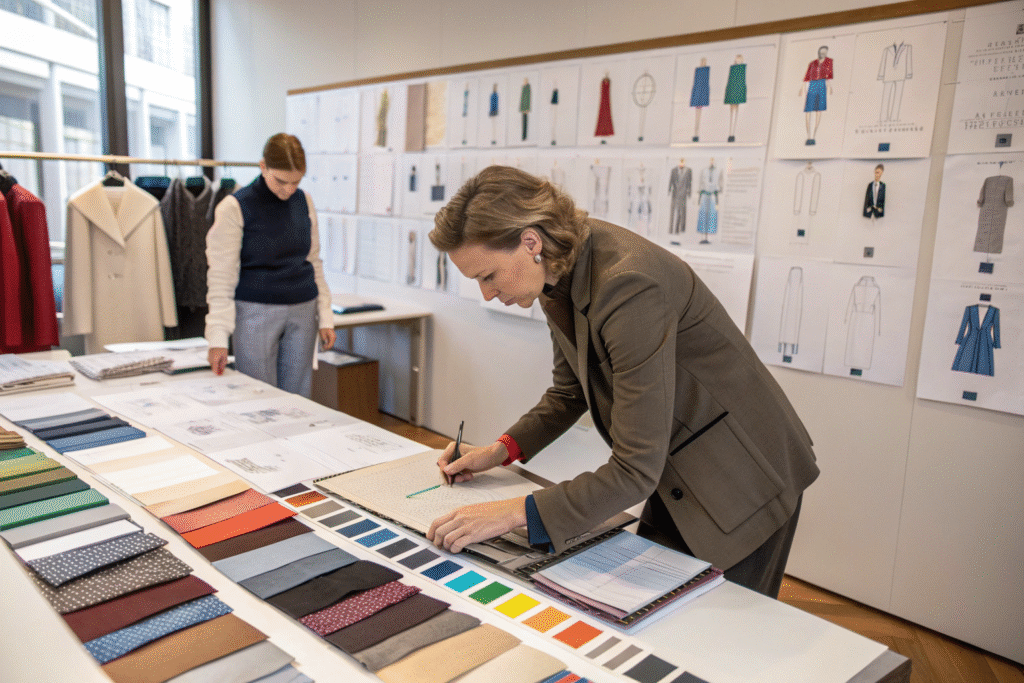
Why Does Fabric Selection Vary by Season?
Seasonal weather patterns dictate fabric choices in children's formal wear. Summer collections prioritize breathable cottons, linens, and lightweight synthetics that keep children comfortable in warm weather. Winter collections feature warmer materials like velvets, wools, and corduroys, often with added lining for insulation. These seasonal fabric requirements mean manufacturers must source different materials throughout the year and manage separate inventory for each season's specific needs.
How Does Geographic Variation Affect Seasonality?
Regional climate differences create distinct seasonal patterns across markets. Southern states may have extended spring and fall formal wear seasons, while northern regions require heavier winter formal wear for longer periods. This geographic variation means successful manufacturers must produce regional collections or incorporate adaptable elements that work across climates. Understanding these regional differences allows for better inventory distribution and reduces the risk of being stuck with seasonally inappropriate stock in specific markets.
What Role Do School Calendars Play?
The academic calendar creates predictable formal wear throughout the year, with events clustered around natural breaks in the school schedule and traditional academic milestones.
School-related events provide the third major seasonal driver for children's formal wear purchases.
How Do End-of-Year Events Drive Demand?
School calendars create concentrated formal wear demand during graduation season in late spring and prom/homecoming seasons in fall. These events require age-appropriate formal wear that differs significantly from wedding attire. Graduation ceremonies typically drive demand for sophisticated but modest outfits, while prom and homecoming allow for more fashionable and trendy formal wear. The timing of these events is remarkably consistent year-to-year, allowing for precise production planning.
What About Beginning-of-Year Formality?
The start of the academic year in September generates demand for formal wear for events like back-to-school religious services, orientation events, and fall weddings. This creates a smaller but significant seasonal peak that bridges summer and fall collections. This transitional period requires versatile pieces that work across slightly changing weather conditions, often incorporating layering elements that can adapt to temperature variations.
How Does Retail Cycle Timing Impact Seasonality?
The retail industry's built-in seasonal cycles profoundly influence when formal wear is available, promoted, and discounted. These cycles create their own seasonal patterns independent of actual occasion timing.
Understanding retail calendars is essential for timing production, delivery, and marketing activities.
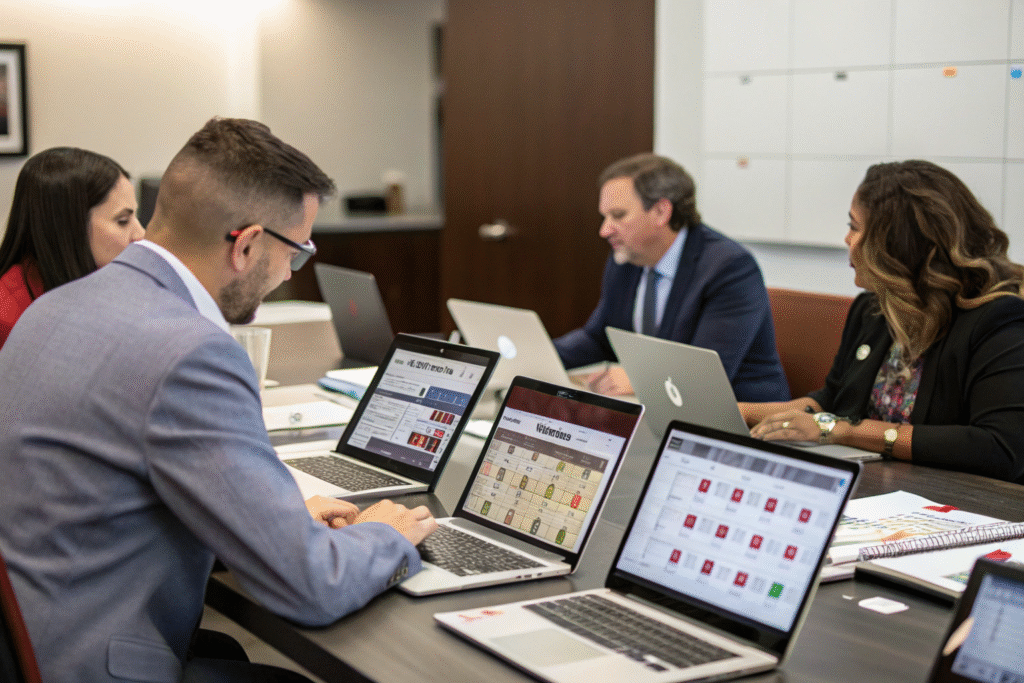
Why Must Production Precede Seasons by Months?
The retail calendar requires formal wear to arrive in stores 2-3 months before the actual season begins. Spring collections typically land in January, summer collections in March, fall collections in July, and holiday collections in September. This advanced timing means manufacturers must complete production long before consumers even begin thinking about their seasonal formal wear needs. This disconnect between production timing and actual usage creates significant forecasting challenges.
How Do Clearance Cycles Create Secondary Seasons?
Post-season clearance periods create secondary mini-seasons for formal wear. As retailers clear out seasonal inventory, price-sensitive consumers purchase formal wear for future use or non-traditional occasions. This clearance timing is itself seasonal—winter formal wear goes on sale in January, spring formal wear in June, etc. Some manufacturers specifically produce for these clearance periods with simplified designs and cost-reduced construction to compete in this price-sensitive segment.
Conclusion
The children's formal wear market's seasonal nature stems from the predictable timing of social events, weather patterns, school calendars, and retail cycles. These overlapping seasonal drivers create distinct peaks and valleys in demand that require sophisticated forecasting, production planning, and inventory management. Success in this market depends on understanding these patterns deeply and planning far in advance to capitalize on narrow seasonal windows.
At Shanghai Fumao Clothing, we've mastered the art of seasonal planning for children's formal wear. Our production schedules are carefully calibrated to meet these seasonal demands while maintaining quality and flexibility. If you're looking for a manufacturing partner who understands the complexities of seasonal formal wear production, contact our Business Director, Elaine, at elaine@fumaoclothing.com. Let's create beautiful formal wear that arrives precisely when your market needs it.