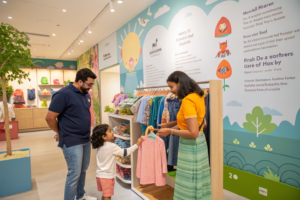
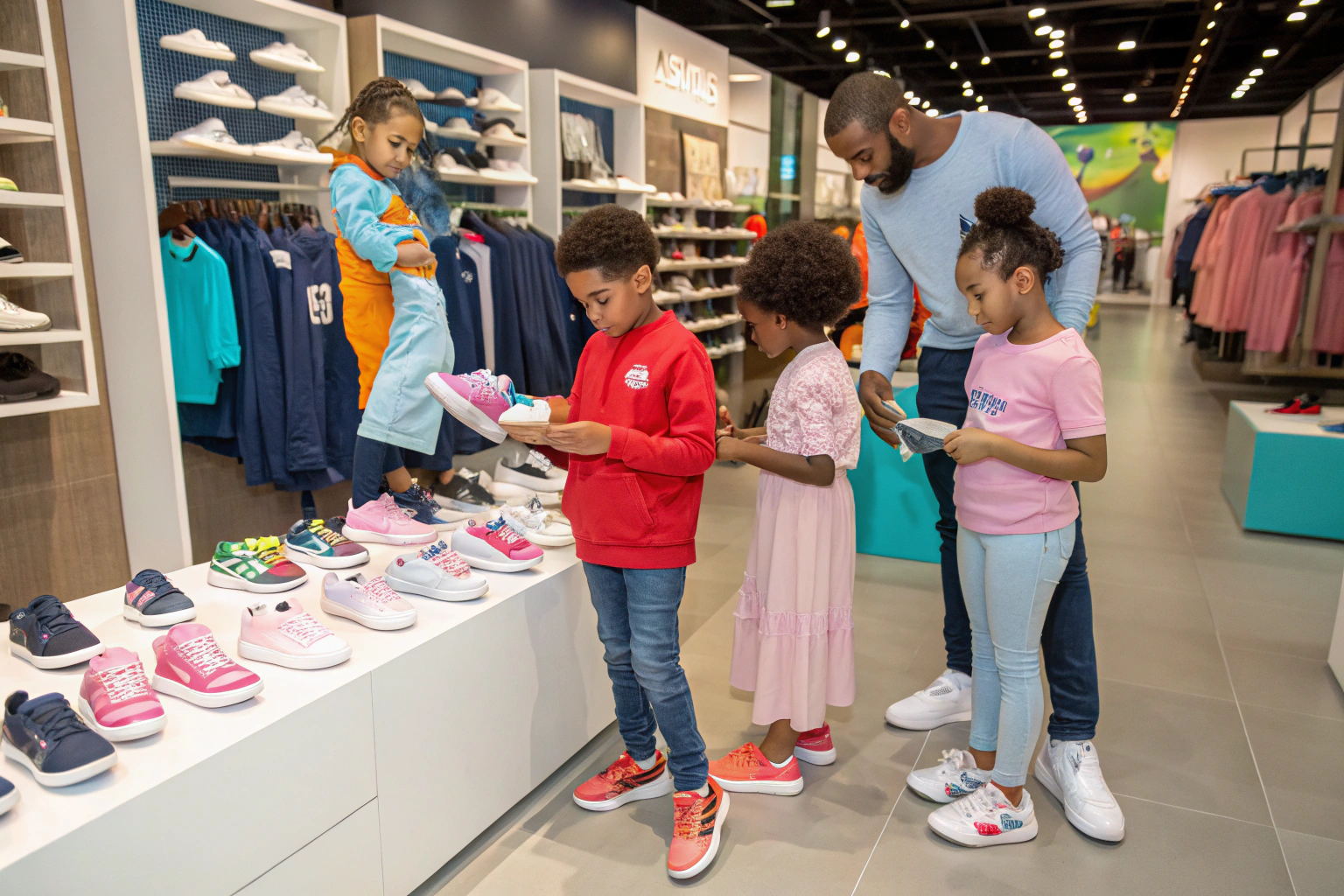
The children's footwear market is experiencing parallel growth with apparel, driven by similar consumer forces while also benefiting from category-specific dynamics. As manufacturers producing both children's shoes and clothing, we observe the interconnected growth patterns and unique factors propelling both categories forward.
The kids footwear market is growing with apparel due to complementary purchasing patterns, similar demographic drivers, parallel premiumization trends, coordinated fashion cycles, and shared emphasis on technical innovation. Footwear has evolved from practical necessity to fashion accessory and performance gear, mirroring apparel's transformation while adding category-specific growth drivers related to foot health, developmental needs, and specialized activity requirements. The synergy between footwear and apparel creates natural cross-selling opportunities while addressing parents' holistic approach to children's wardrobe needs.
How Do Complementary Purchasing Patterns Drive Growth?
Footwear and apparel purchases are naturally connected in family shopping behavior, with new clothing acquisitions often triggering complementary footwear purchases and vice versa.
The psychological and practical connection between shoes and clothing creates a powerful cross-category growth engine. When parents purchase seasonal apparel, they frequently seek coordinating footwear to complete outfits, while shoe purchases may inspire new clothing acquisitions that showcase the footwear. This complementary relationship means growth in one category naturally stimulates growth in the other, creating a virtuous cycle that benefits both markets simultaneously.
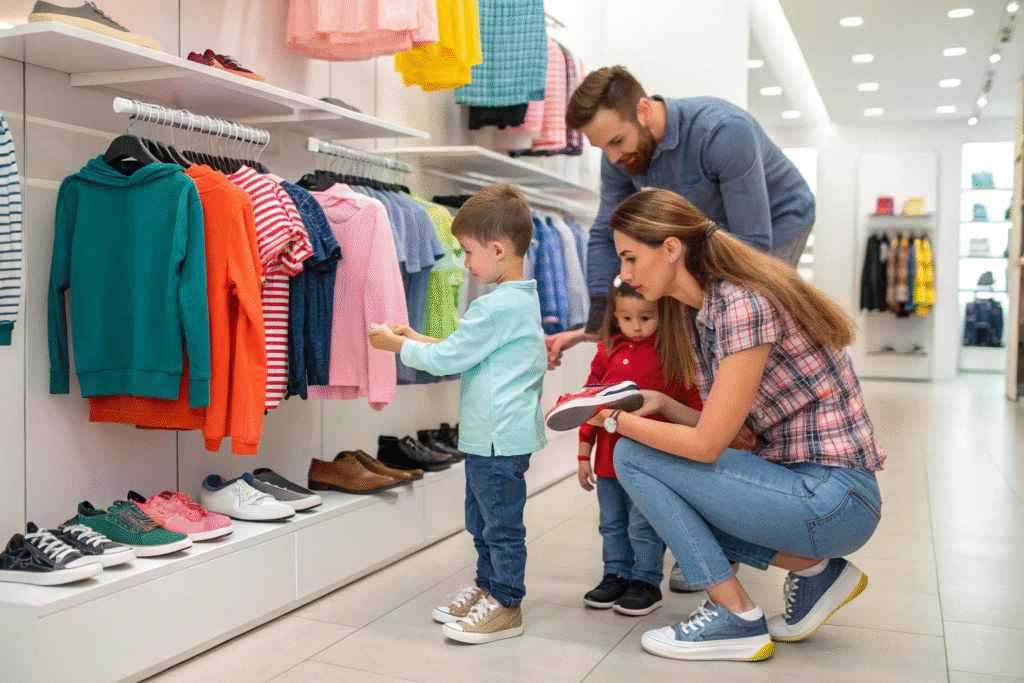
What Is the Natural Purchase Connection Between Shoes and Clothing?
Seasonal wardrobe updates typically include both apparel and footwear, as children need weather-appropriate shoes to match their new clothing. Back-to-school shopping, for instance, involves both uniform/school clothing and appropriate school shoes. According to the National Retail Federation's back-to-school survey, 65% of parents purchase shoes and clothing during the same shopping trip, with average spending increasing 25% when both categories are purchased together. This natural bundling means apparel brands that expand into footwear (and vice versa) capture more of the total wardrobe budget while simplifying shopping for time-pressed parents.
How Does Outfit Coordination Influence Purchasing Decisions?
The rise of "complete look" dressing and social media sharing has increased demand for coordinated footwear and apparel. Parents dressing children for special occasions, photos, or social events often seek perfectly matched shoes and clothing. Research from the Journal of Fashion Marketing and Management indicates that outfit coordination drives 40% higher spending per shopping occasion compared to purchasing items individually. Children's footwear has evolved from basic necessity to fashion accessory that completes an outfit, mirroring adult fashion patterns where shoes often anchor the entire look. This coordination mindset has elevated footwear from practical afterthought to essential style component.
What Demographic Factors Benefit Both Categories?
The same demographic trends driving apparel growth similarly benefit footwear, with population dynamics, parental spending patterns, and generational preferences impacting both categories simultaneously.
Children's footwear and apparel respond to identical demographic drivers, including birth rates, parental age and income, family formation patterns, and generational attitudes toward children's products. Understanding these shared demographic foundations helps explain why both categories experience parallel growth trajectories despite different product characteristics and purchase cycles.

How Do Parental Age and Income Impact Both Markets?
Older first-time parents with established careers and higher disposable income drive premiumization in both footwear and apparel. According to Pew Research Center data, the average age of first-time mothers has increased significantly, correlating with higher household income and greater spending on children's products. These parents prioritize quality, specialized features, and brand reputation in both footwear and apparel, willing to pay premiums for developmental benefits, superior materials, and ethical production. This demographic shift has supported growth in premium segments of both markets simultaneously.
What Role Does the "Grandparent Economy" Play?
Grandparents represent a significant purchasing force for both children's footwear and apparel, often buying more premium items than parents. The AARP Grandparenting Study found that grandparents spend an average of $2,562 annually on grandchildren, with clothing and footwear representing the largest categories. Grandparents frequently purchase special occasion outfits with coordinating shoes, seasonal updates, and "just because" gifts that include both apparel and footwear. This additional purchasing source amplifies growth in both categories beyond what parental spending alone would generate.
How Are Premiumization Trends Affecting Both Categories?
The movement toward premium products in children's wear equally impacts footwear, with parents increasingly willing to invest in higher-quality, feature-rich products for both clothing and shoes.
Premiumization manifests similarly across footwear and apparel, focusing on better materials, specialized features, brand storytelling, and perceived developmental benefits. Parents approach both categories with similar quality expectations and willingness to pay for perceived advantages, whether for clothing that supports sensitive skin or footwear that promotes healthy foot development.
What Quality Expectations Drive Premium Purchases?
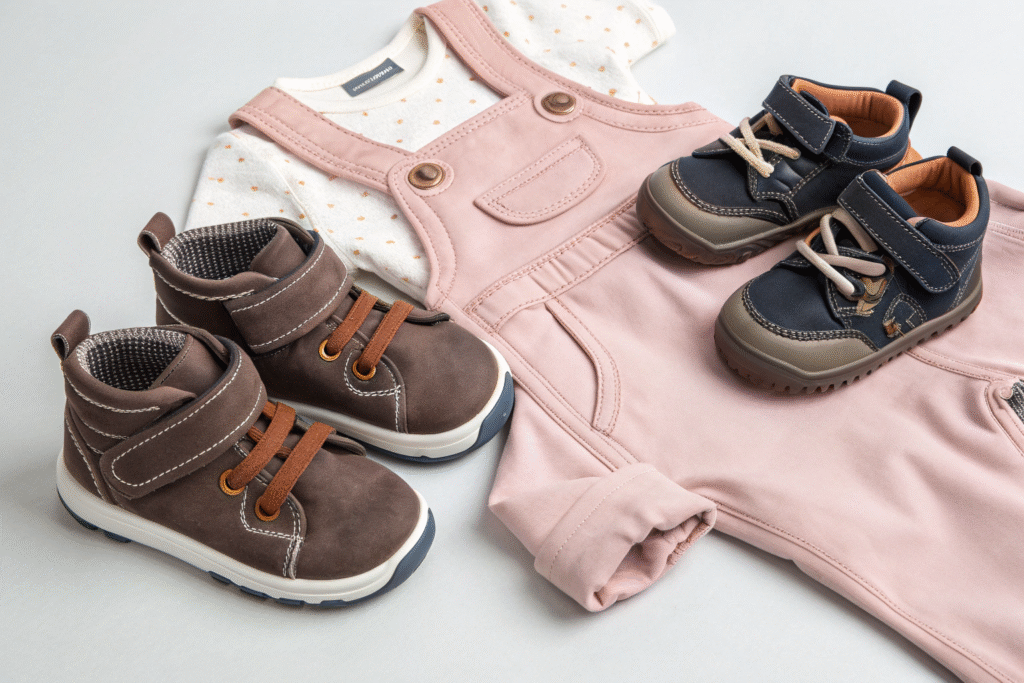
Parents increasingly seek footwear and apparel that offer tangible benefits beyond basic functionality. In footwear, this includes features like proper arch support for developing feet, flexible soles that support natural movement, and breathable materials that prevent moisture buildup. Similarly, premium apparel emphasizes organic fabrics for sensitive skin, reinforced construction for durability, and thoughtful design details that simplify dressing. The parallel premiumization means growth in both categories comes increasingly from value rather than volume, with higher average prices supporting market expansion even with stable unit sales.
How Do Brand Story and Values Influence Premiumization?
Modern parents increasingly consider brand values and storytelling when selecting both footwear and apparel, supporting companies that align with their beliefs about sustainability, ethics, and community impact. Brands like See Kai Run in footwear and Primary in apparel have built loyal followings by combining quality products with clear brand philosophies. According to Nielsen's Global Sustainability Report, 73% of millennials will pay more for sustainable products, driving growth in ethically positioned brands across both footwear and apparel categories. This values-based purchasing represents a significant growth vector beyond traditional quality and feature considerations.
What Technical Innovations Are Driving Both Markets?
Advancements in materials, construction, and design have transformed both children's footwear and apparel from basic commodities to technically sophisticated products that command higher prices and frequent replacement.
Technical innovation provides compelling reasons for parents to invest in premium products and replace items more frequently, driving market growth through both value and volume increases. Both categories have benefited from material science advancements, specialized designs for different activities, and features that address specific developmental needs.
How Has Performance Technology Influenced Both Categories?
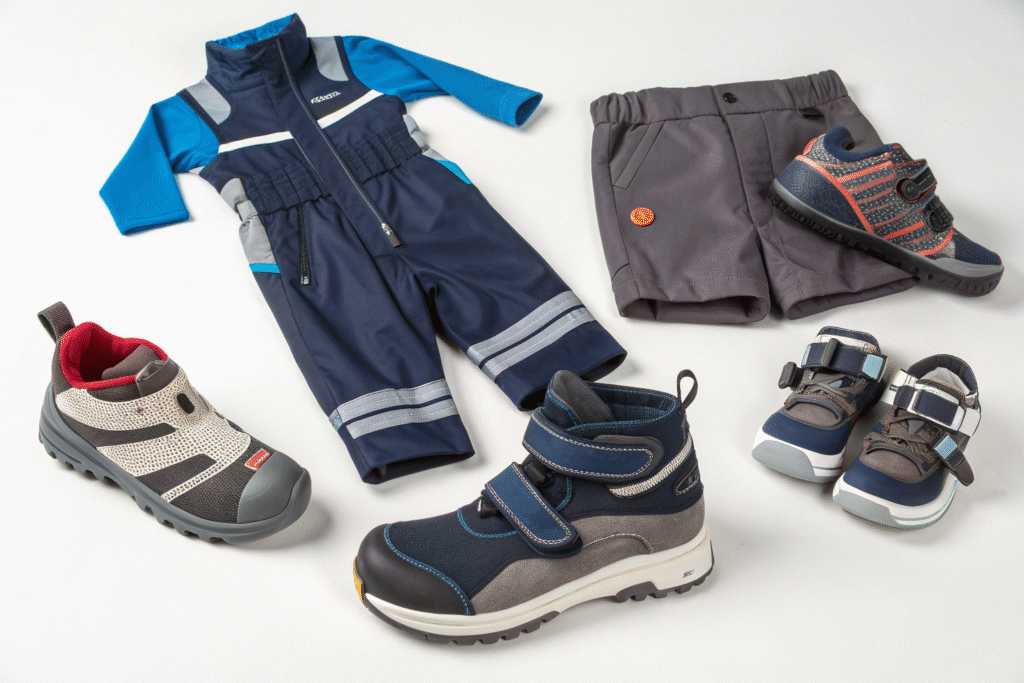
Performance features originally developed for adult athletic wear have trickled down to children's products, creating new premium segments in both footwear and apparel. In footwear, this includes lightweight cushioning systems, moisture-wicking linings, and traction patterns optimized for specific surfaces. Apparel has similarly incorporated moisture management, temperature regulation, and odor control technologies. The American Academy of Podiatric Sports Medicine emphasizes that proper children's footwear supports physical activity development, making technical features increasingly important to parents. These performance benefits justify premium pricing while addressing parents' desires to support their children's active lifestyles.
What Role Does Developmental Design Play?
Footwear and apparel designed to support children's physical development represent a growing premium segment in both categories. Podiatrist-approved shoes with features like flexible soles, wide toe boxes, and proper heel support address foot health concerns. Similarly, apparel with unrestricted movement patterns, adaptive features for different abilities, and designs that support developmental milestones meets parent demand for products that actively contribute to child development. This focus on developmental benefits creates growth opportunities beyond fashion-driven purchases, expanding the market's foundation to include health and wellness considerations.
Conclusion
The parallel growth of kids footwear and apparel markets stems from shared consumer drivers, complementary purchasing patterns, and similar evolution from basic necessities to expressive, technically advanced products. Both categories benefit from demographic trends, premiumization, technical innovation, and the natural connection between shoes and clothing in creating complete looks for children. Understanding these interconnected growth drivers helps brands develop coordinated strategies that capture more of the total children's wardrobe budget while meeting parents' holistic approach to dressing their children.
The synergy between footwear and apparel suggests that future growth will increasingly come from brands that successfully bridge both categories with coordinated offerings. If you're expanding your children's product line and need manufacturing expertise that spans both footwear and apparel, contact our Business Director, Elaine, at elaine@fumaoclothing.com. Let's discuss how we can help you develop coordinated collections that leverage the natural connection between these growing markets while meeting the highest standards of quality, safety, and design.