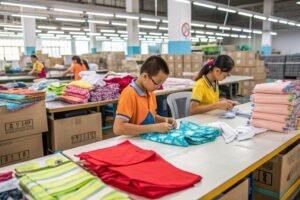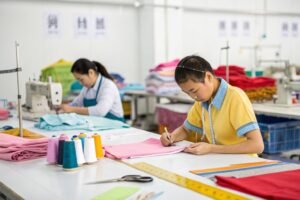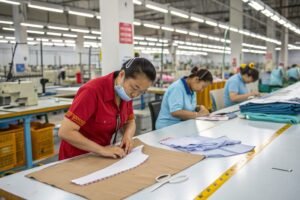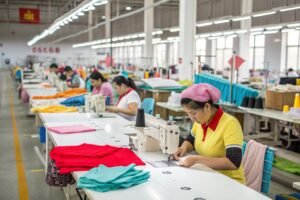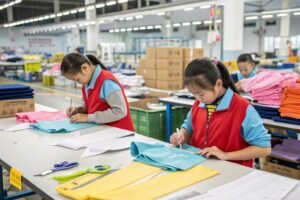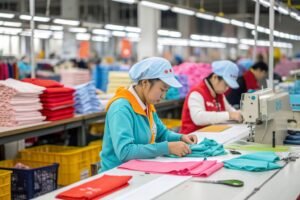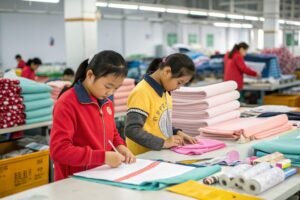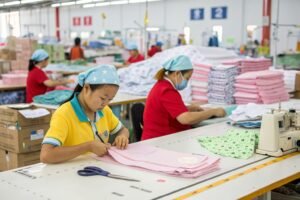
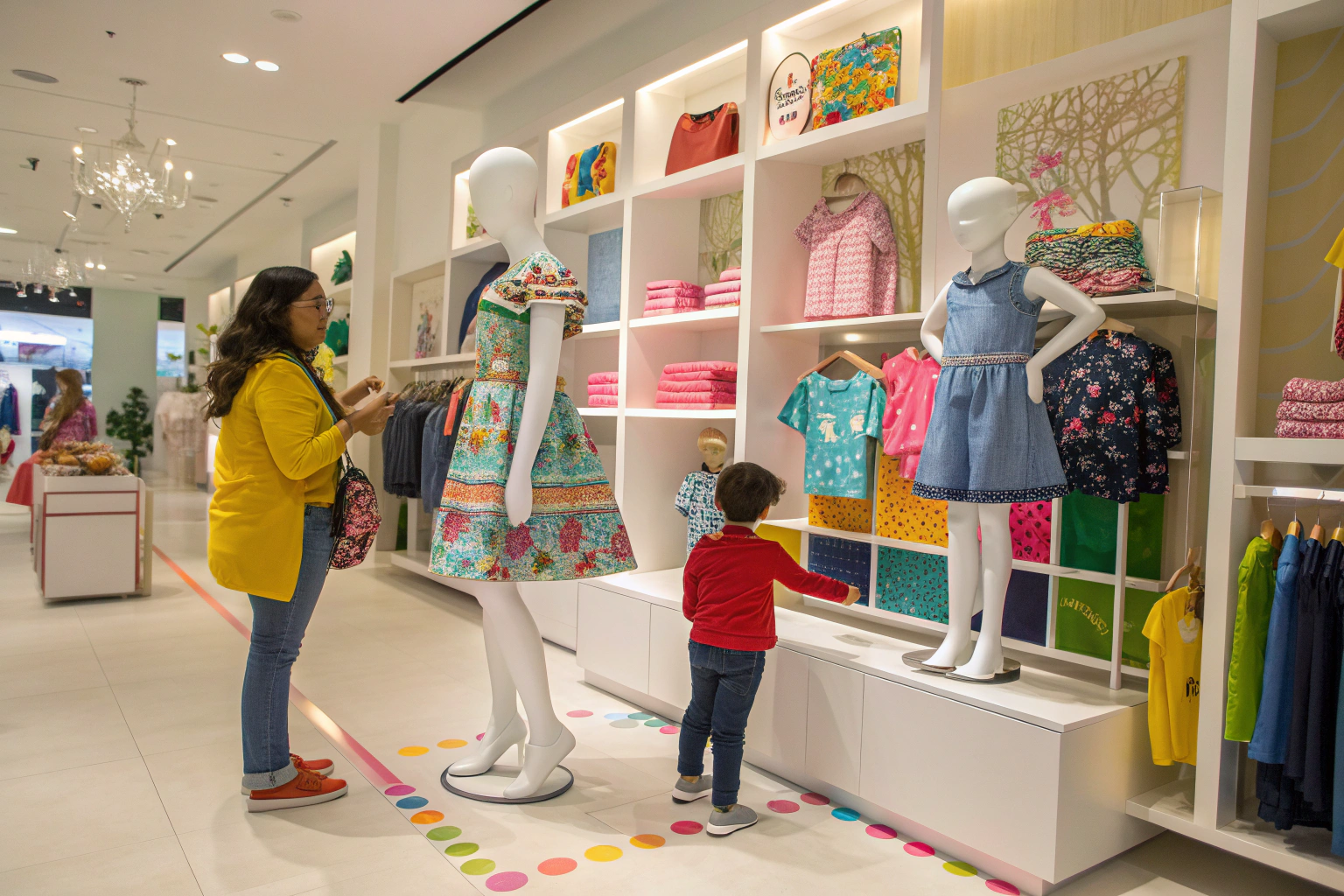
If you’re in the apparel business, you’ve likely noticed a significant trend: the children’s wear sector is expanding at an impressive pace, often outpacing adult fashion. What’s driving this accelerated growth in a market segment once considered merely functional? As the owner of Fumao Clothing, a manufacturer specializing in European and American children’s fashion, I’ve witnessed this transformation firsthand from our factory floors to our export records.
The kids fashion market is growing faster than adult fashion due to rising disposable income focused on children, social media influence, smaller family sizes allowing for greater per-child spending, and the expansion of children’s fashion into specialized categories that mirror adult trends. These factors combine to create a dynamic, rapidly evolving market that presents significant opportunities for brands and retailers who understand its unique drivers.
While adult fashion faces saturation and minimal growth in many categories, the children’s wear segment continues to discover new avenues for expansion. The transformation of children’s clothing from practical necessity to fashion statement has fundamentally reshaped this industry.
How Has Social Media Transformed Kids Fashion?
The influence of social media on children’s fashion cannot be overstated. Platforms like Instagram and TikTok have created new channels for showcasing children’s style, while also accelerating trend cycles that once moved much more slowly.
Social media has democratized children’s fashion inspiration, moving it beyond traditional catalogues and store displays. "Instagram kids" accounts with substantial followings have become unexpected trendsetters, while parent influencers showcase their children’s outfits to engaged audiences. This constant visual exposure has raised style consciousness among both parents and children themselves, creating demand for more fashionable options across all price points.

Why Are Children Becoming Fashion Decision-Makers?
Today’s children are increasingly influencing purchasing decisions, often through what marketers term "pester power." With greater access to digital devices, children are exposed to fashion trends earlier than previous generations. At Fumao, we’ve observed this shift in the design requests we receive from our brand partners – children’s preferences for specific colors, characters, and styles are being taken more seriously than ever. The Fashion Retail Academy notes that children’s influence on apparel purchases has grown substantially in the past decade, requiring brands to appeal to both parent and child sensibilities.
How Does Visual Content Drive Purchasing Behavior?
Platforms like Instagram and Pinterest have made children’s fashion more visually accessible and aspirational. The "outfit of the day" phenomenon once reserved for adults has extended to children, with parents sharing curated looks that garner attention and validation. This social proof creates immediate demand for similar items. Our brand partners who leverage visual commerce strategies consistently report higher engagement and conversion rates compared to traditional product photography alone.
What Role Does Disposable Income Play?
Economic factors significantly contribute to the children’s fashion boom, with household spending patterns shifting toward greater investment in children’s apparel across multiple global markets.
Rising disposable income in many households, combined with smaller family sizes, means more money is being spent per child. Parents and grandparents are willing to invest in higher-quality, fashionable clothing for children, viewing it as both an expression of love and a reflection of family identity. This trend is particularly pronounced in the mid-to-high market segment that Fumao specializes in serving.

How Have Spending Priorities Shifted Toward Children?
Contemporary parents, particularly millennials and Gen Z, are allocating a larger percentage of their clothing budget to their children. This reflects broader societal shifts where children occupy a more central position in family life. Our export data shows consistent growth in average order values for children’s wear, even during periods of economic uncertainty. According to Child Fashion Economic Research, parents now spend approximately 25% more per capita on children’s clothing compared to a decade ago, adjusted for inflation.
Why Are Grandparents Important Customers?
The grandparent market represents a significant and often overlooked driver of children’s fashion growth. Grandparents tend to purchase more premium items as gifts, often choosing higher price points than parents. Many of our brand partners have developed specific marketing strategies targeting this demographic, recognizing their importance in the premium and special occasion segments. The extended family ecosystem has become a powerful economic engine for children’s fashion.
How Has Kids Fashion Design Evolved?
Children’s fashion has transformed from simplified adult clothing to a specialized field with its own trends, technical requirements, and design philosophies.
Today’s children’s wear incorporates sophisticated design elements once reserved for adult fashion, including technical fabrics, detailed embellishments, and trend-right styling. At our manufacturing facility, we’ve invested in specialized equipment and training to handle these complex designs while maintaining the comfort, durability, and safety standards required for children’s apparel.

Why Are Mini-Me Collections So Successful?
The "mini-me" or matching family trend has been a significant growth driver, allowing brands to extend their reach across multiple demographic segments simultaneously. When parents can purchase coordinated looks for themselves and their children, it increases basket size and strengthens brand loyalty. Many of our most successful brand partnerships have developed coordinated capsules that work across age groups. The Global Fashion Design Council identifies family matching as one of the most profitable strategies in contemporary fashion retail.
What Technical Innovations Drive Children’s Wear?
Performance fabrics and functional designs have elevated children’s wear beyond basic cotton. Moisture-wicking properties, stretch technologies, and easy-care finishes appeal to practical parents, while creative designs attract style-conscious consumers. At Fumao, we’ve developed specialized expertise in innovative children’s wear fabrics that balance fashion with functionality, a combination that drives premium purchases in the current market.
Why Is Market Segmentation Driving Growth?
The children’s fashion market has evolved from a one-size-fits-all approach to highly specialized segments targeting specific age groups, occasions, and lifestyles.
Unlike adult fashion, which faces saturation in many categories, children’s wear continues to discover new sub-segments ripe for development. From dedicated babywear collections to tween-focused lines, this segmentation creates multiple growth avenues within the broader children’s fashion ecosystem.

How Has Occasion-Wear Expanded?
The formalization of children’s social calendars has created robust markets for specialized occasion wear. Beyond traditional christening and wedding outfits, children now need clothing for birthday parties, photoshoots, and various extracurricular activities. Each occasion represents a separate purchasing decision, driving frequency and volume. Our manufacturing data shows consistent year-over-year growth in the special occasion category across all our export markets.
Why Are Age-Specific Designs Important?
The recognition that toddlers, young children, and tweens have distinct style preferences and functional requirements has led to more precisely targeted collections. This segmentation allows brands to capture multiple sales as children grow, extending customer lifetime value. Our brand partners who implement age-specific design strategies report higher customer retention rates compared to those offering generic children’s collections.
Conclusion
The children’s fashion market’s accelerated growth compared to adult fashion stems from powerful social, economic, and industry-specific factors that show no signs of weakening. The transformation of children’s wear from practical necessity to expressive fashion category has created dynamic opportunities for brands and manufacturers who understand these unique market dynamics.
At Shanghai Fumao Clothing, we’ve positioned ourselves at the intersection of these trends, manufacturing premium children’s fashion that meets the evolving demands of the North American and European markets. If you’re looking to capitalize on the growth potential in children’s fashion, contact our Business Director Elaine at elaine@fumaoclothing.com to discuss how we can help develop your next successful collection.