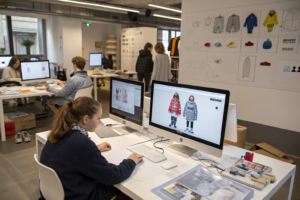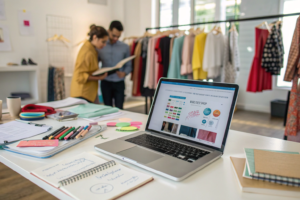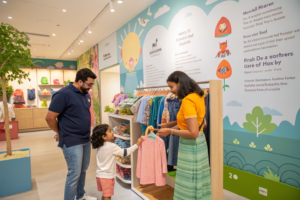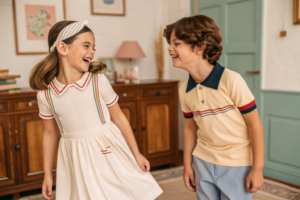
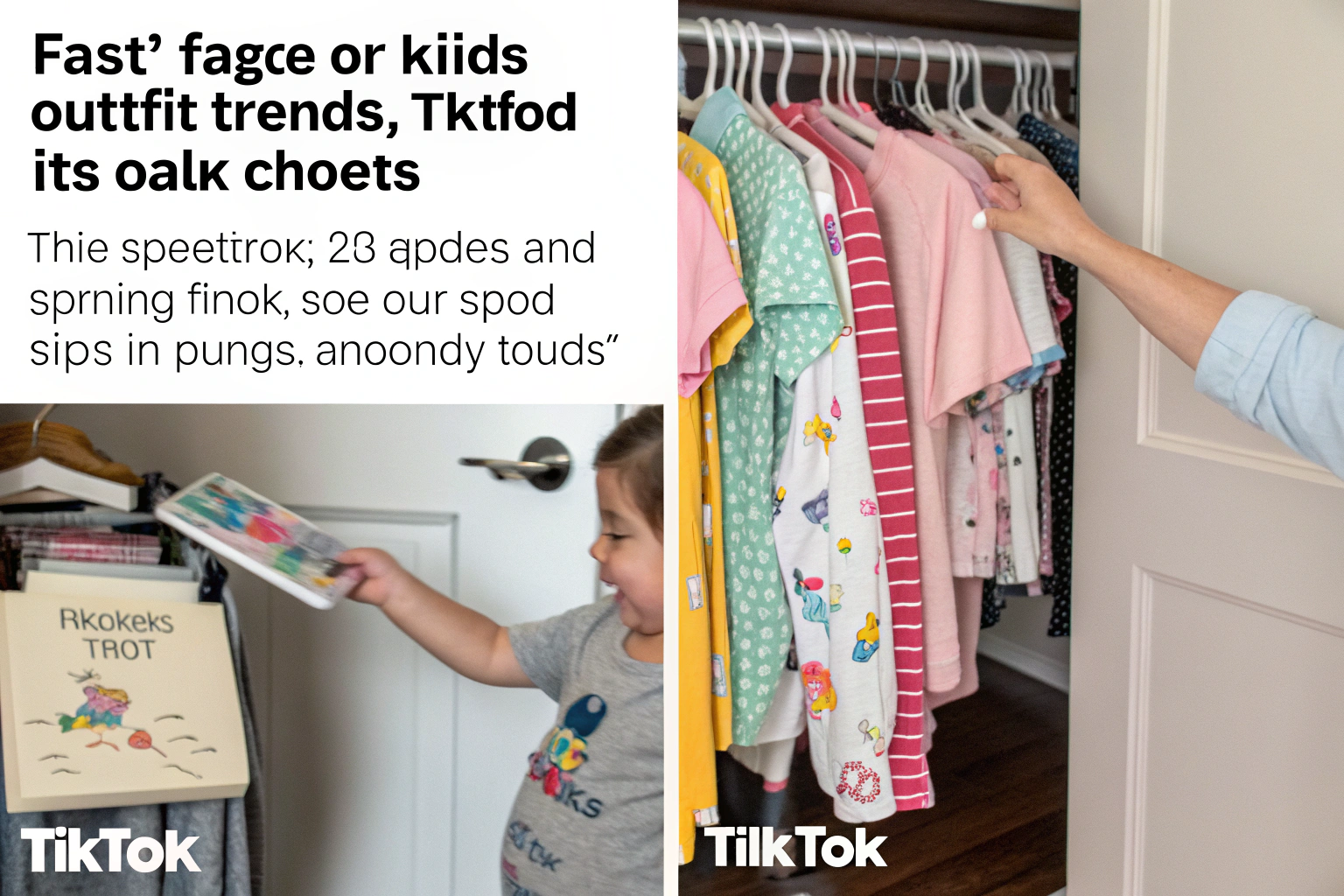
The children's apparel industry is one of the most dynamic and fast-paced sectors in fashion. Trends seem to shift overnight, and what captivated parents one season is forgotten the next. This constant state of flux isn't random chaos; it's the predictable result of powerful, interconnected forces that make the kids' market uniquely volatile. As a manufacturer with a front-row seat to these shifts, understanding this "why" is crucial for any brand hoping to build lasting relevance, not just chase fleeting fads.
The kids clothing market is constantly changing due to the rapid influence of social media and digital trends, shrinking generational cycles of parenting, intense pressure from fast fashion giants, evolving safety and sustainability regulations, and the inherent need for product categories to adapt as children physically grow and their interests develop.
This isn't a market you can set and forget. Success requires agility, foresight, and a deep understanding of the underlying currents driving change. Let's unpack the primary engines of this relentless evolution.
How Do Social Media and Digital Culture Accelerate Trends?
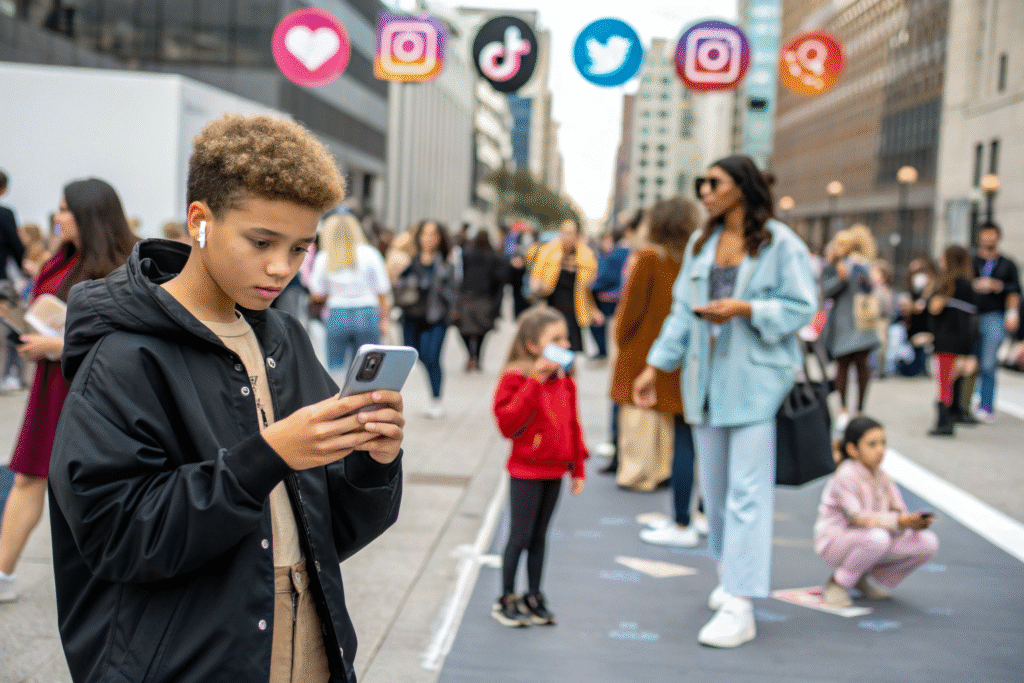
The primary accelerant for change is the digital ecosystem. Platforms like TikTok, Instagram, and Pinterest have collapsed the traditional fashion cycle from years to weeks or even days. Trends no longer trickle down from runways; they explode horizontally across communities of parents and kids.
Social media drives change by enabling viral micro-trends (like "cottagecore" or "kidcore"), empowering kid influencers who set style norms, facilitating peer-to-peer inspiration among parents, and creating instant feedback loops that make brands react at unprecedented speed. The shelf life of a trend is now incredibly short.
What is the Impact of "Haul" Culture and Micro-Trends on Kids' Fashion?
Platforms like TikTok are dominated by haul culture, where users showcase large quantities of purchased items. For kids' fashion, this has normalized frequent, volume-based buying to participate in the latest micro-trend. A specific style of knit vest or a particular cartoon graphic can become a "must-have" for millions in a week, only to be deemed "over" just as quickly. This forces brands and retailers to produce and ship with lightning speed, putting immense pressure on traditional supply chains never designed for such volatility. The result is a faster trend turnover and increased inventory risk.
How Do Algorithms and Peer Influence Shape Parental Purchasing?
The social media algorithm creates echo chambers. If a parent engages with content about minimalist, sustainable kids' wear, their feed will be filled with it, reinforcing that aesthetic as the "norm." Conversely, another parent might see only colorful, character-driven fast fashion. This algorithmic curation creates highly segmented style tribes. Furthermore, purchasing decisions are heavily influenced by peers in digital communities (Facebook parenting groups, Reddit threads) and by "momfluencers" or "dadfluencers" whose recommendations carry the weight of a trusted friend. This peer-driven dynamic makes trends more potent and geographically widespread than ever before.
Why Do Parenting Generations and Values Shift So Quickly?
The demographic of "primary purchaser" is constantly renewing. Millennial parents brought values of experience and Instagrammability; Gen Z parents are entering the market with even stronger drives toward sustainability, diversity, and digital-native shopping habits. Each new cohort arrives with its own cultural baggage and expectations.
These generational shifts impact color palettes, design aesthetics, material preferences, and brand communication. A brand that resonated with Gen X parents may feel completely out of touch with a Millennial or Gen Z parent. The definition of "quality" and "value" evolves with each generation.

How Have Millennial and Gen Z Parenting Philosophies Redefined the Market?
Millennial parents, often older and more financially stable, pioneered the "premiumization of kids' wear," investing in higher-quality, aesthetically curated mini-me looks and experiential brands. They prioritized organic materials and brand storytelling. Gen Z parents, even more digitally immersed, demand radical transparency, authentic diversity in marketing, and a strong stance on sustainability and ethics. They are skeptical of marketing and seek validation through UGC and deep research. This forces brands to continuously audit and evolve their practices and messaging to stay relevant to the new gatekeepers.
Why is the "Mini-Me" Trend a Powerful but Fickle Driver?
The desire to dress children as miniature versions of adults—the "mini-me" trend—is a major style driver but also a source of constant change. As adult fashion trends cycle rapidly (from normcore to cottagecore to gorpcore), the kids' version follows instantly. This creates a direct pipeline from the volatile adult contemporary and streetwear markets into children's wear. A brand must now track two fashion cycles: kids' specific trends and relevant adult trends. This doubling of influences significantly increases the rate of change and the need for agile product development.
How Does Competition and the Retail Landscape Force Adaptation?
The kids' market is fiercely competitive, with pressure coming from all sides: vertically integrated fast fashion giants, resilient big-box retailers, and a relentless wave of direct-to-consumer startups. This battlefield necessitates constant innovation and adaptation just to survive.
Competition drives change through relentless price pressure, ever-faster delivery expectations (thanks to Amazon Prime mentality), the constant need for novelty to drive footfall and clicks, and the strategic moves of large players who can set new standards (e.g., Target's partnerships, Zara's speed) that others must respond to.
What is the "Shein Effect" on Speed and Volume Expectations?
The rise of ultra-fast-fashion giants like SHEIN has fundamentally altered consumer expectations around speed, volume, and price. While their ethical and environmental model is contentious, their operational model—thousands of new styles weekly, delivered globally at rock-bottom prices—creates a background hum of "newness" that all other players must contend with. It trains a segment of consumers to expect constant novelty, making a brand's "core basics" seem stale faster. This pushes even mid-market and sustainable brands to increase their launch frequency and amplify their unique value propositions around quality and ethics to compete.
How Have DTC Brands Changed the Rules of Engagement?
The explosion of direct-to-consumer (DTC) kids' brands has fragmented the market and raised the bar for customer experience. These niche brands excel at community building, storytelling, and leveraging social media. They respond to micro-trends with small batches and use customer feedback in real-time. Their success forces traditional wholesalers and larger brands to develop their own DTC channels, improve their digital storytelling, and create more authentic community connections. The entire market's pace of communication and innovation has sped up as a result.
How Do Growth Stages and Practical Needs Dictate Change?
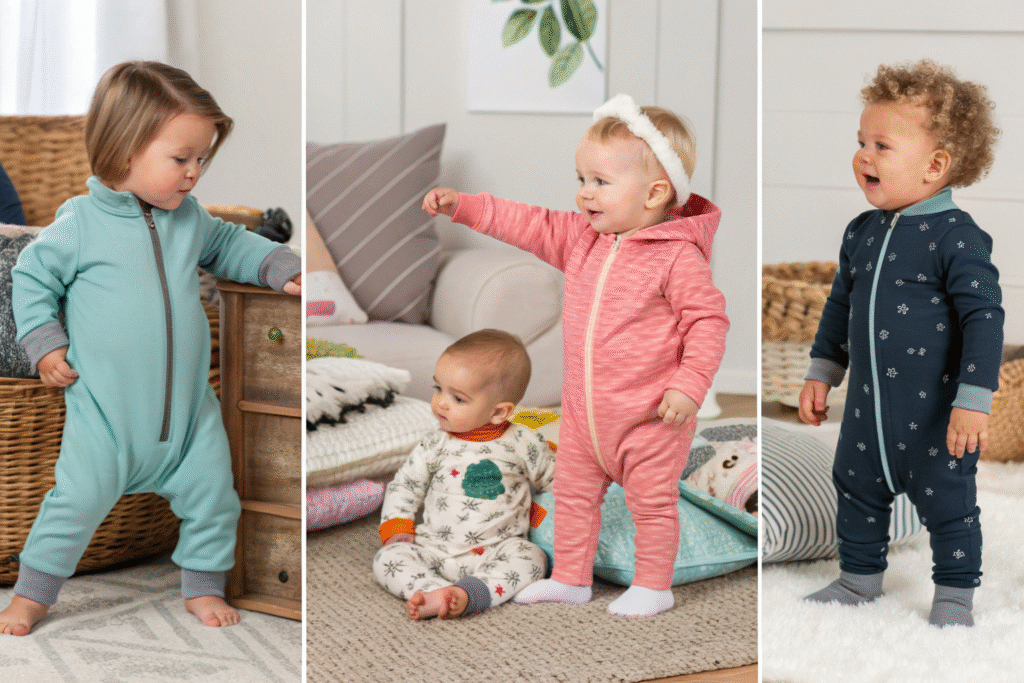
Unlike adult fashion, the kids' market has a built-in, non-negotiable driver of change: children grow. This biological reality segments the market into distinct categories (newborn, baby, toddler, kid, tween) with vastly different functional and aesthetic needs, forcing brands to evolve their offerings in lockstep with their customer's age.
Practical needs shift dramatically from stage to stage: zippered sleepsuits for infants, durable play clothes for toddlers, identity-forming styles for tweens. A brand must either master a specific stage or expertly navigate the transition between them, all while accounting for changing safety standards, size proportions, and activity levels.
Why is the Transition from "Baby" to "Kid" a Critical Pivot Point?
The shift from baby/toddler (0-4 yrs) to kids (5-12 yrs) is one of the most challenging transitions for brands and retailers. The purchasing driver moves almost entirely from parent (focused on practicality, softness, ease) to a co-purchasing dynamic with the child (focused on style, identity, peer trends). The aesthetic changes from cute and whimsical to more sophisticated, often mirroring older youth trends. Sizing, fit, and construction (more durable for independent play) all change. Brands that fail to successfully navigate this tween market risk losing customers they've nurtured for years. This inherent lifecycle forces constant portfolio reevaluation.
How Do Safety Regulations and Sustainability Push Innovation?
External pressures also mandate change. Governments regularly update product safety standards (e.g., flammability, drawstring rules, chemical restrictions), forcing redesigns and new testing protocols. Simultaneously, the powerful consumer drive toward sustainability pushes innovation in materials (recycled fibers, organic cotton), processes (low-impact dyeing), and business models (rental, resale). These aren't fleeting trends but structural shifts that require continuous R&D and investment. A brand cannot stand still; it must proactively adapt to new regulations and rising ethical expectations or face obsolescence.
Conclusion
The kids clothing market is in perpetual motion because it sits at the intersection of technological acceleration, generational turnover, cutthroat competition, and biological imperative. It is a market that rewards agility, deep customer insight, and strategic foresight over rigid, long-term plans. Success belongs to those who see change not as a threat, but as the very essence of the opportunity—a chance to continuously reconnect with new parents, meet evolving needs, and reinvent what it means to dress the next generation.
For manufacturers and brands, this means building partnerships and systems that are resilient and responsive. At Fumao Clothing, we've structured our operations to be agile—supporting small-batch testing, rapid fabric sourcing, and flexible production—to help our partners navigate this ever-changing landscape. If you're building a brand ready to adapt and lead, let's connect. Contact our Business Director, Elaine, at elaine@fumaoclothing.com to build a collection that's made for the moment, and the future.