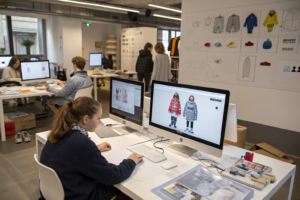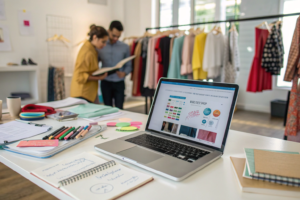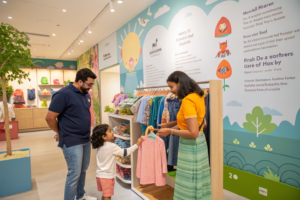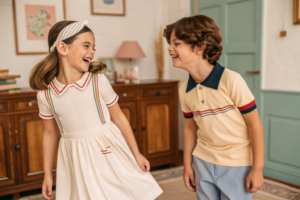

The children's accessory market presents unique opportunities that make it particularly attractive for startup businesses. As a manufacturer who has worked with numerous new brands, I've seen how accessories can serve as the perfect launching pad for entrepreneurs entering the children's wear industry. The lower barriers to entry and faster product development cycles make this segment ideal for testing concepts and building brand identity.
The kids accessory market is an excellent startup entry point due to lower minimum order requirements, faster development cycles, reduced inventory risk, higher profit margins, and the ability to test brand concepts with minimal investment. These factors allow startups to validate their business model, build customer loyalty, and establish cash flow before expanding into more complex product categories like apparel.
Accessories enable startups to create immediate brand recognition while managing the operational challenges that often overwhelm new businesses in the fashion industry.
What Makes Accessories Logistically Advantageous?
The operational simplicity of accessories compared to apparel provides significant advantages for startups with limited resources and experience. From manufacturing to inventory management, accessories streamline many complex aspects of the fashion business.
The logistical benefits allow startups to focus on branding and marketing rather than getting bogged down in operational complexities.

Why Do Lower MOQs Benefit Startups?
Lower Minimum Order Quantities (MOQs) dramatically reduce the financial barrier to entry. While apparel manufacturers often require hundreds of pieces per style, accessory manufacturers typically accept orders as small as 50-100 units per design. This allows startups to test multiple designs without committing to large inventory investments. At our factory, we've helped numerous startups begin with small accessory collections that generated enough cash flow to fund their subsequent apparel launches, creating a sustainable growth pattern.
How Do Faster Production Cycles Help?
Accessory production cycles are typically 4-8 weeks compared to 12-20 weeks for apparel collections. This accelerated timeline enables startups to respond quickly to trends, customer feedback, and sales data. The shorter lead times mean faster inventory turnover and reduced capital tie-up. Startups can essentially test, learn, and adapt within a single season rather than waiting multiple seasons to correct course. This agility is invaluable for new businesses finding their market position.
| Operational Factor | Accessories Advantage | Apparel Challenge | Startup Impact |
|---|---|---|---|
| MOQ Requirements | 50-200 units | 300-1000+ units | Lower upfront investment |
| Production Timeline | 4-8 weeks | 12-20 weeks | Faster market entry |
| Inventory Space | Compact storage | Bulkier items | Lower storage costs |
| Quality Control | Simpler inspection | Complex grading | Reduced quality risks |
How Do Accessories Enable Brand Building?
Accessories serve as powerful brand-building tools that create visual identity and customer recognition at a fraction of the cost of full clothing collections. They act as entry points into a brand's world, establishing aesthetic and quality perceptions.
The brand-building power of accessories lies in their visibility, shareability, and ability to communicate brand values quickly and effectively.
Why Are Accessories More Instagrammable?
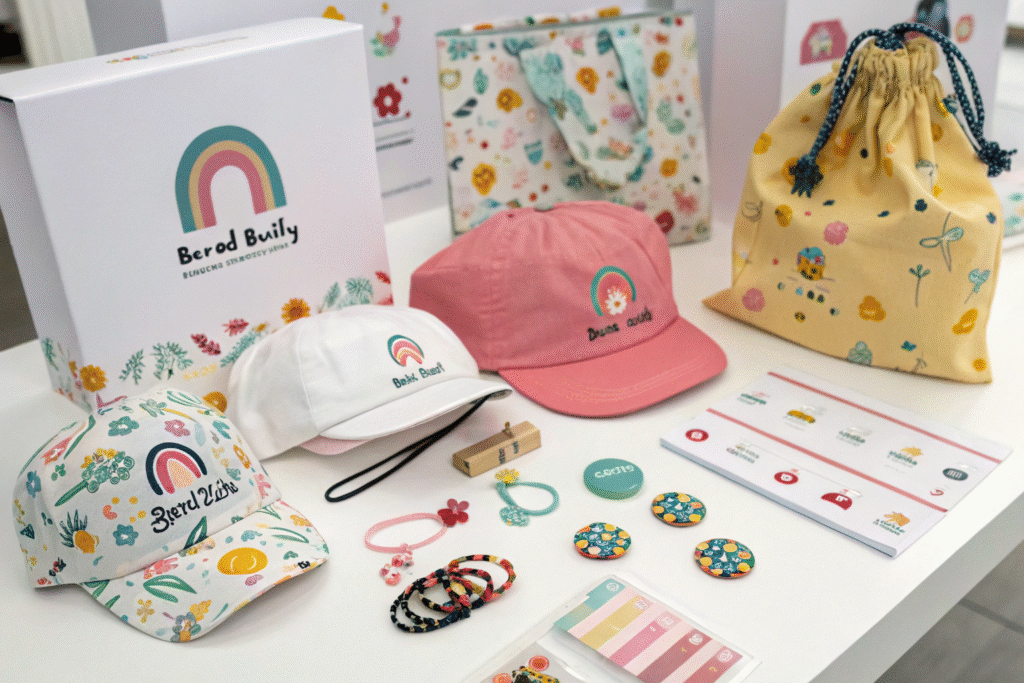
The visual nature of accessories makes them inherently shareable on social media platforms. A beautifully designed children's hair accessory or character backpack generates more engagement than basic clothing items. This organic social media exposure drives brand awareness without significant marketing budgets. Accessories often become signature pieces that customers associate with your brand, creating instant recognition in crowded digital spaces. Their photogenic quality encourages user-generated content, effectively turning customers into brand ambassadors.
How Do Accessories Test Brand Concepts?
Accessories allow startups to validate their brand positioning before committing to broader collections. By introducing signature design elements through accessories, startups can gauge customer response to their aesthetic, quality level, and price positioning. A successful accessory launch provides valuable market intelligence that informs future product development across categories. This testing approach minimizes risk while building a foundation of customer data and feedback that guides strategic expansion decisions.
What Financial Advantages Do Accessories Offer?
The financial structure of accessory businesses provides startups with healthier cash flow, better margins, and reduced risk compared to apparel-focused models. These economic benefits are crucial for survival during the vulnerable early stages of business development.
Understanding the financial advantages helps startups build sustainable business models from day one.
Why Are Profit Margins Typically Higher?
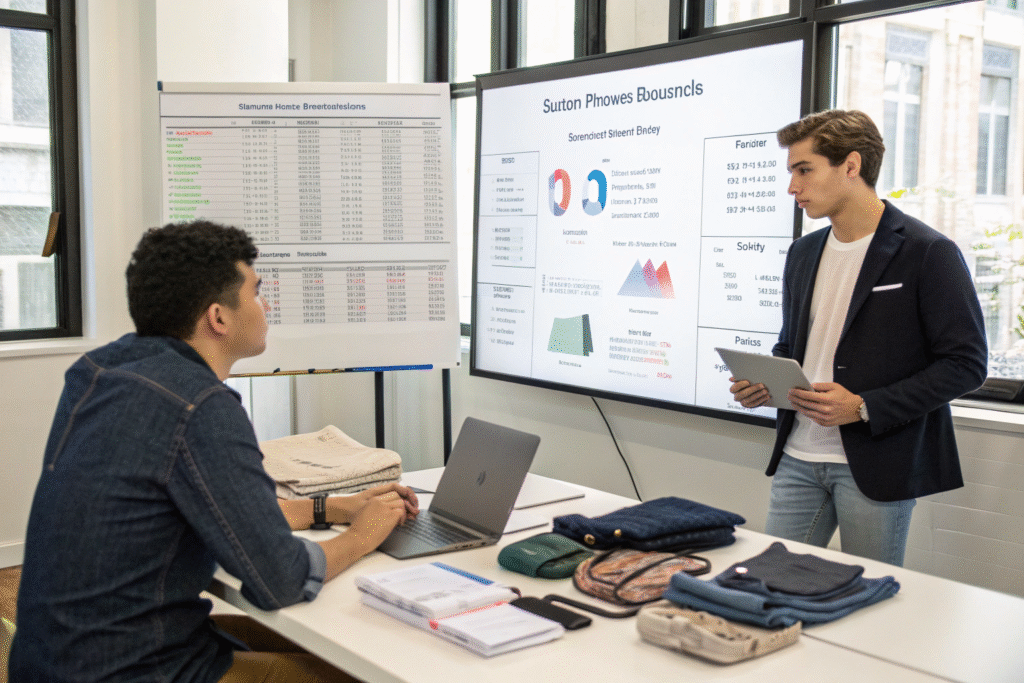
Accessories generally command higher profit margins than apparel due to lower production costs relative to retail pricing. The markup structure for accessories often allows for 3-5x wholesale pricing compared to 2.5-3.5x for basic apparel. Lower shipping costs, reduced damage rates, and minimal size-related returns contribute to better net margins. These financial advantages provide startups with more operating capital and faster break-even points, creating a healthier financial foundation for growth.
How Do Accessories Manage Inventory Risk?
The compact nature of accessories reduces inventory storage costs and management complexity. Unlike apparel which requires extensive size runs and seasonal clearance, accessories have longer shelf lives and take up minimal space. This allows startups to maintain broader assortments with less capital commitment. The reduced inventory risk enables more aggressive testing of new designs and faster adaptation to selling trends without the financial burden of slow-moving inventory that plagues many apparel startups.
How Can Startups Leverage Accessory Trends?
The accessory market's responsiveness to trends provides startups with numerous opportunities for quick wins and viral moments. Understanding how to identify and capitalize on these trends can accelerate growth and brand recognition.
Trend-focused strategies allow startups to punch above their weight in competitive markets.
What Role Do Character Licensing Opportunities Play?
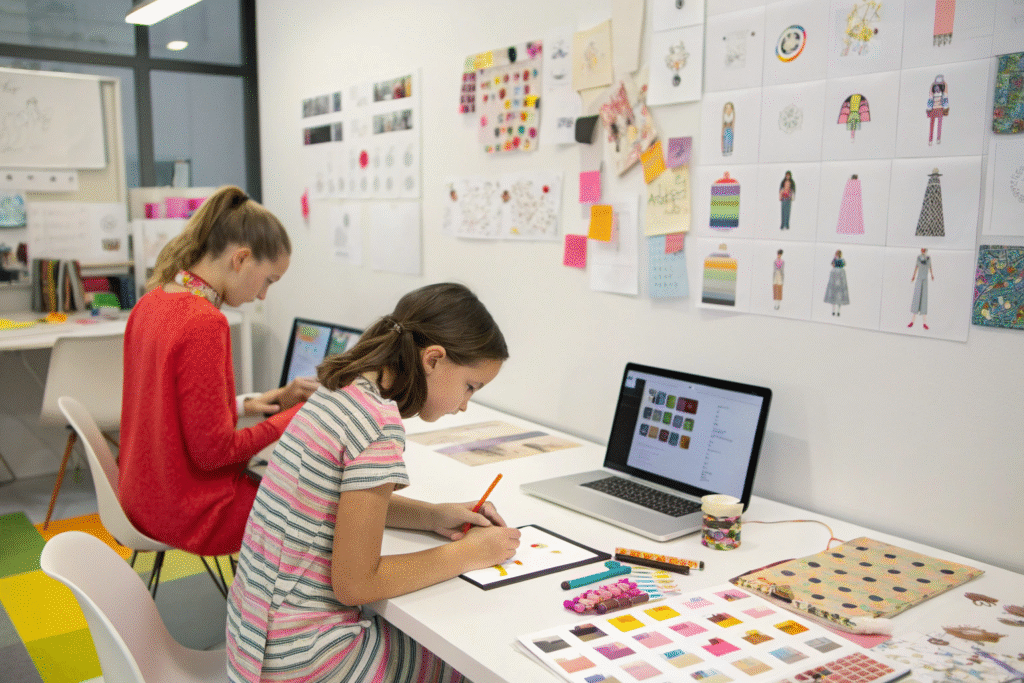
Character-based accessories provide instant recognition and demand from specific customer segments. While major character licensing can be expensive for startups, many smaller independent artists and emerging character properties offer affordable licensing opportunities. These collaborations generate immediate interest and can serve as entry points into retail accounts that might be hesitant to take risks on unknown brands. Character accessories often become gateway products that introduce new customers to a brand's broader offering.
How Do Seasonal Collections Drive Business?
Seasonal accessory collections create natural purchase cycles and marketing opportunities throughout the year. The development speed of accessories allows startups to capitalize on holiday shopping trends and seasonal themes with minimal lead time. From Valentine's Day hair bows to Halloween-themed bags, these limited-edition collections generate urgency and repeat purchases. The seasonal nature also provides natural content for marketing campaigns and social media engagement, keeping the brand relevant throughout the year.
Conclusion
The children's accessory market offers startups a unique combination of operational simplicity, financial advantages, and brand-building power that makes it an ideal entry point into the competitive children's products industry. By starting with accessories, entrepreneurs can validate their concepts, build customer loyalty, establish cash flow, and create brand recognition before tackling the complexities of apparel manufacturing. This strategic approach reduces risk while accelerating learning and growth.
At Shanghai Fumao Clothing, we've helped numerous startups launch successful children's accessory collections that evolved into comprehensive brands. Our manufacturing capabilities support both small initial orders and scalable growth, making us an ideal partner for entrepreneurs at every stage. If you're considering entering the children's products market, contact our Business Director, Elaine, at elaine@fumaoclothing.com. Let's discuss how accessories can be your gateway to building a successful children's brand.