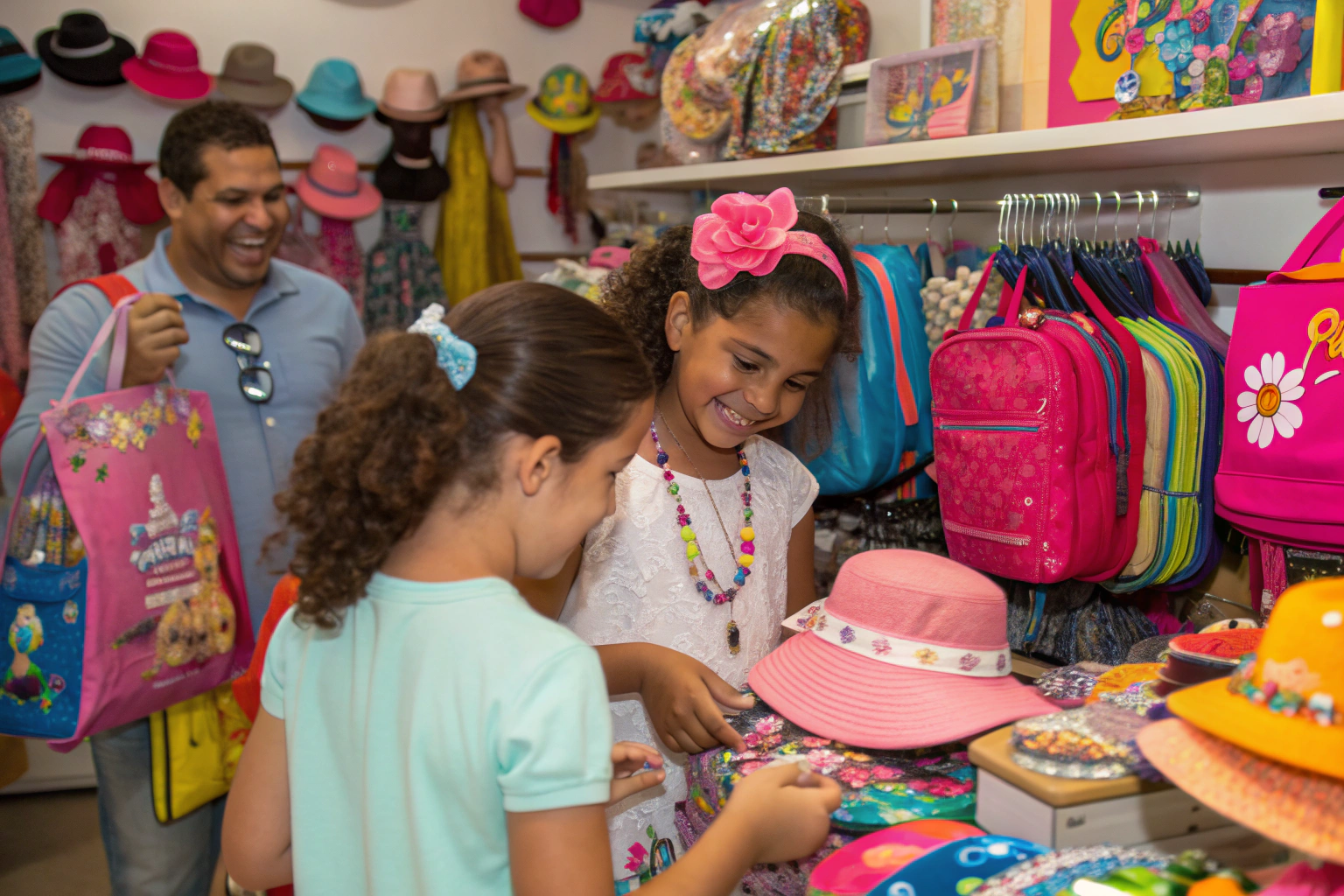
The children's accessories market has transformed from a minor category into one of the fastest-growing segments in the children's fashion industry. What was once limited to basic necessities like hair clips and winter hats has exploded into a diverse landscape of fashion-forward products that drive significant revenue and brand engagement. This expansion reflects broader shifts in parenting approaches, children's influence on purchasing decisions, and evolving fashion dynamics within family spending.
The kids accessories market is booming because accessories offer affordable fashion experimentation, enable personal expression for children, provide high-margin opportunities for brands, align with social media sharing trends, and allow frequent purchases without the fit challenges of clothing. These factors combine to create a perfect storm of growth drivers that show no signs of slowing.
Accessories have become the sweet spot in children's fashion, offering the style updates parents and children crave without the practical limitations of garment purchasing. While children quickly outgrow clothing, accessories maintain their relevance across seasons and growth spurts, creating repeat purchase opportunities that clothing categories struggle to match. Let's examine the specific forces driving this accessories revolution.
How do accessories solve key parenting purchasing challenges?
Parents face consistent challenges when buying children's fashion: rapid growth making clothing quickly obsolete, stain destruction ruining expensive items, and children's strong preferences creating wardrobe battles. Accessories provide elegant solutions to each of these pain points while delivering the fashion satisfaction both parents and children seek.
Accessories solve key parenting purchasing challenges by offering size flexibility that accommodates growth, lower price points that reduce financial risk, durability that withstands rough treatment, and opportunities for children's self-expression without clothing conflicts. These practical advantages make accessories appealing purchases even for budget-conscious families.
Why do accessories bypass sizing frustrations?
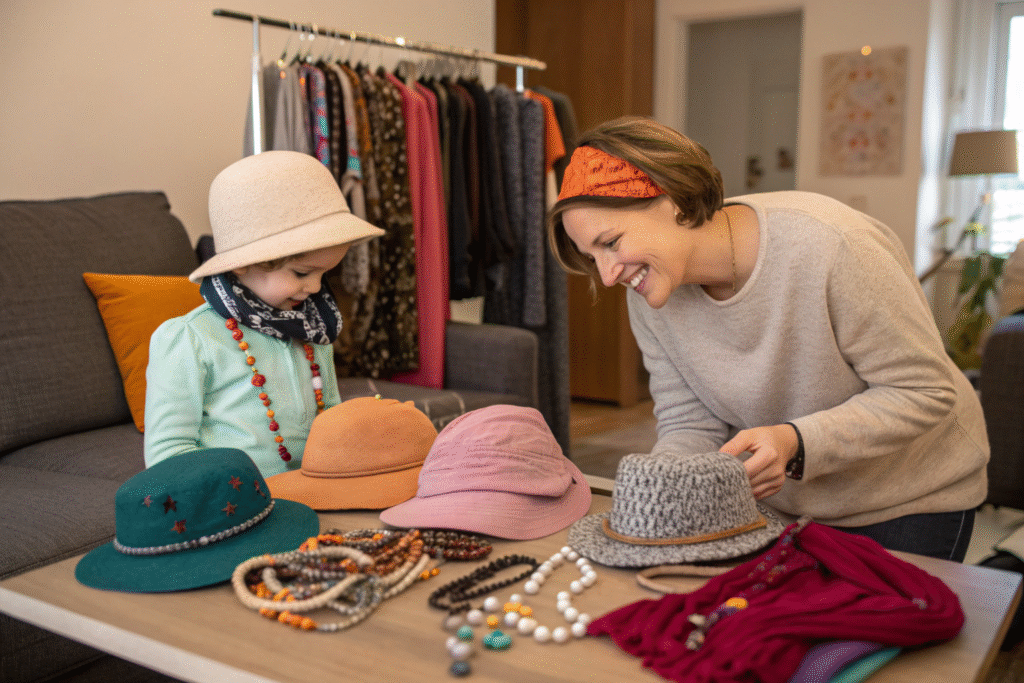
Unlike clothing that must fit specific measurements, most accessories work across multiple ages and sizes. A backpack purchased for kindergarten likely remains functional through elementary school, while hair accessories and jewelry fit regardless of growth spurts. This size flexibility eliminates the primary frustration of children's clothing purchases—the short wearable lifespan due to rapid physical development. For parents tired of replacing perfectly good clothing that no longer fits, accessories represent satisfying purchases that deliver long-term value.
How do accessories reduce financial risk for parents?
With most children's accessories priced significantly below clothing items, parents can indulge children's fashion preferences without major financial commitment. A $25 character backpack feels manageable compared to a $75 dress that might be stained or outgrown within months. This lower risk threshold encourages more frequent purchases and willingness to try new trends. Additionally, accessories typically withstand more wear and cleaning than clothing, further extending their value proposition for practical-minded parents.
How do accessories empower children's self-expression?
Children naturally gravitate toward accessories as tools for identity exploration and personal style development. In a world where adults make most clothing decisions, accessories become one of the first fashion categories where children exercise genuine choice and control.
Accessories empower children's self-expression by providing visible identity markers, enabling easy style experimentation, offering ownership of personal style decisions, and creating opportunities for social bonding through shared accessories with friends. This emotional dimension drives both initial purchases and ongoing engagement with accessory categories.
Why are accessories ideal for style experimentation?
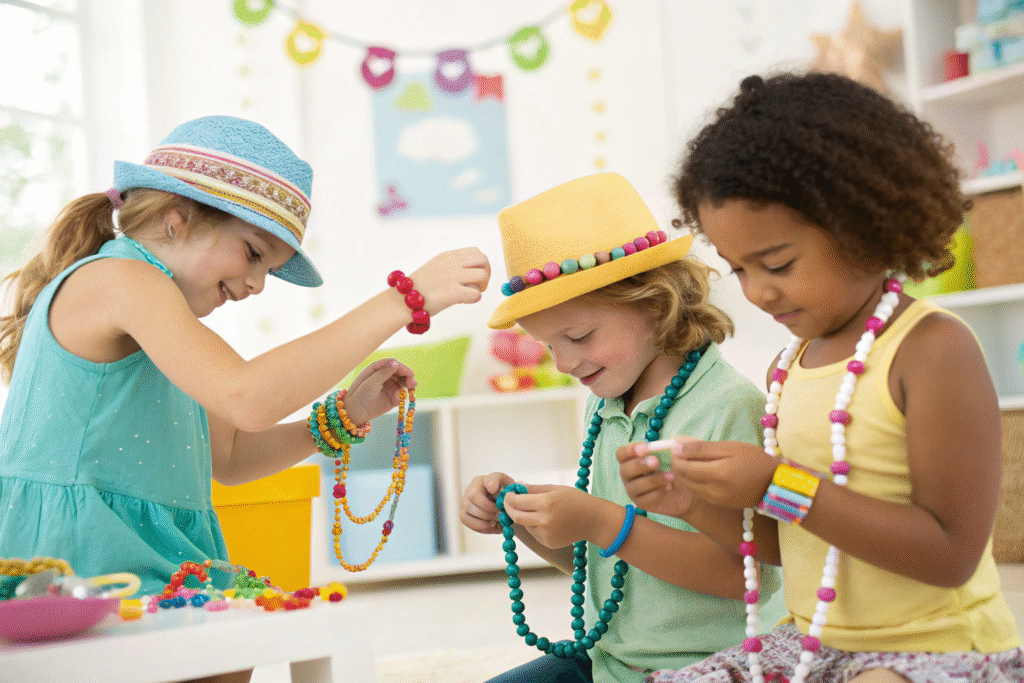
Accessories allow children to explore different personas and style identities without the commitment of full outfits. A sparkly hair clip can transform a basic school outfit, while character-themed backpacks allow affiliation with favorite stories and heroes. This low-stakes experimentation is developmentally appropriate for children testing boundaries and discovering their preferences. Unlike clothing that parents might veto for practicality reasons, accessories rarely raise parental objections, giving children unprecedented fashion autonomy.
How do accessories facilitate social connection?
Accessories become social currency in children's worlds, with matching friendship bracelets, shared character affiliations through backpacks, or coordinated hair accessories creating visible bonds between friends. The social dynamics of accessory ownership drive demand as children seek belonging through shared style choices. This social dimension creates powerful word-of-mouth marketing as children influence each other's preferences and requests, often with more effectiveness than traditional advertising channels.
What business advantages drive brand investment?
From a commercial perspective, the children's accessories category offers compelling advantages that explain why brands are allocating increasing resources to this segment. The financial metrics and marketing benefits create a strong business case for accessory expansion.
Business advantages driving brand investment include higher profit margins than clothing, lower production and inventory risks, stronger brand recognition through visible products, and opportunities for frequent new collection introductions that maintain customer engagement. These factors make accessories particularly attractive in competitive markets.
Why do accessories deliver superior margins?
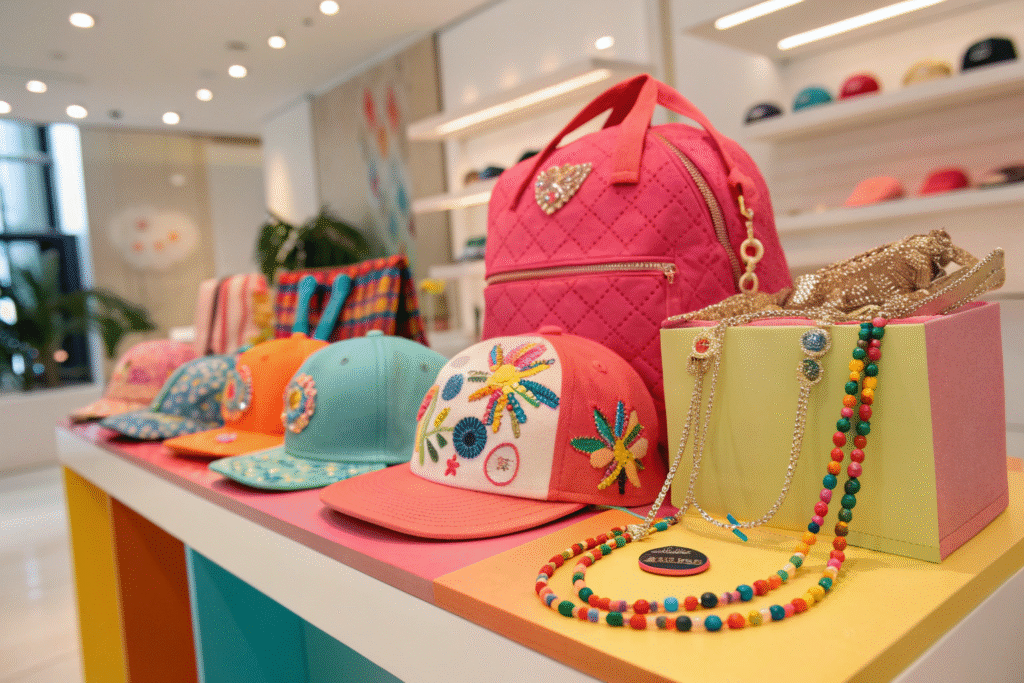
Accessories typically command higher margin structures than clothing due to lower production costs, reduced size-related complexity, and perceived value that exceeds their functional cost. A hair bow that costs $1.50 to produce can retail for $12, while a dress costing $15 to manufacture might sell for $45. This margin advantage allows for aggressive marketing investment and wholesale discounting while maintaining healthy profitability. Additionally, accessories face less price pressure from discount retailers who dominate basic clothing categories.
How do accessories reduce business risk?
The accessories business involves less complexity than clothing manufacturing, with fewer size variations, simpler logistics, and more flexible inventory management. This operational efficiency translates to lower markdowns and higher full-price sell-through rates. While clothing retailers might be stuck with unsold inventory in specific sizes, accessories have broader appeal and longer shelf lives. This risk profile encourages brands to experiment with more adventurous designs and color stories that might be too speculative in their clothing collections.
How has social media accelerated accessory growth?
Social media platforms have dramatically amplified the visibility and desirability of children's accessories, creating new marketing channels and purchase inspiration sources that simply didn't exist a decade ago.
Social media has accelerated accessory growth by creating visual platforms ideal for accessory display, enabling peer influence at unprecedented scale, facilitating direct shopping integration, and rewarding shareable content that features distinctive accessories. The visual nature of accessories makes them perfect for social media ecosystems.
Why are accessories perfectly suited to visual platforms?
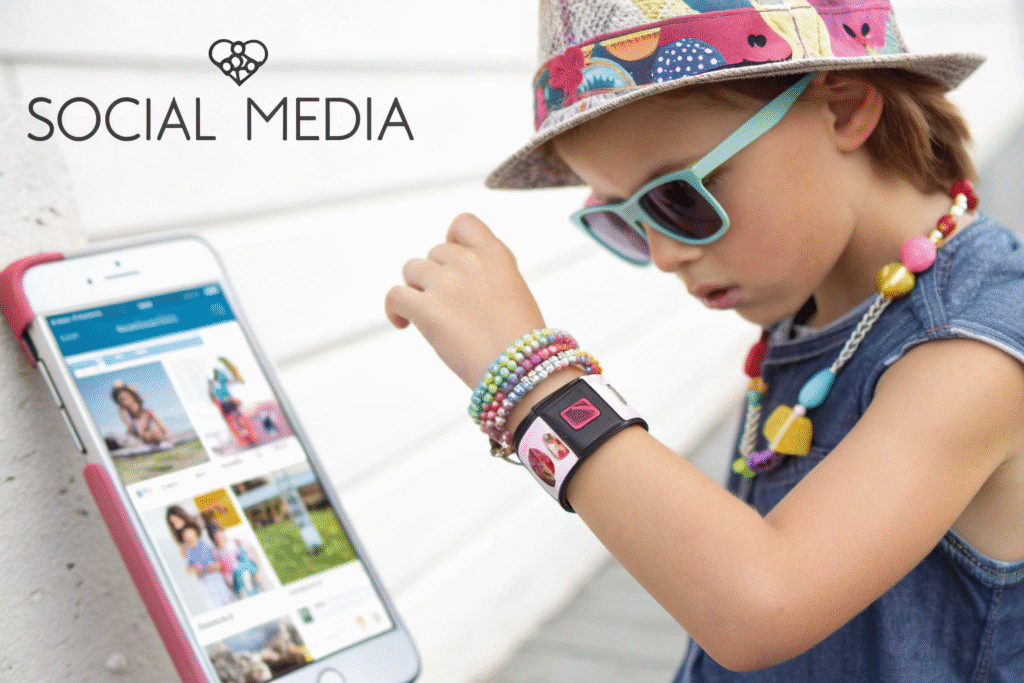
Accessories provide the "finishing touch" that completes social media outfits, making them highly visible in the curated images that dominate platforms like Instagram. The visual impact of a statement hair bow or character backpack often becomes the focal point of children's fashion content, generating engagement and inquiries. This organic visibility creates powerful marketing that doesn't feel commercial to viewers, driving discovery and desire through authentic-seeming content rather than traditional advertising.
How does social commerce drive impulse purchases?
The integration of shopping features on social platforms has created direct pathways from accessory discovery to purchase, capitalizing on the impulse-driven nature of accessory buying. When parents see their friend's child wearing adorable sunglasses or a favorite influencer's daughter with a trendy headband, they can immediately purchase without the consideration cycle that clothing often requires. This frictionless path to purchase has dramatically increased accessory sales velocity, particularly for items under $50 that fall within spontaneous spending thresholds.
How do accessories extend brand storytelling?
Accessories provide powerful tools for brand building and storytelling beyond what clothing alone can achieve. They become tangible expressions of brand values and narrative elements that deepen customer relationships.
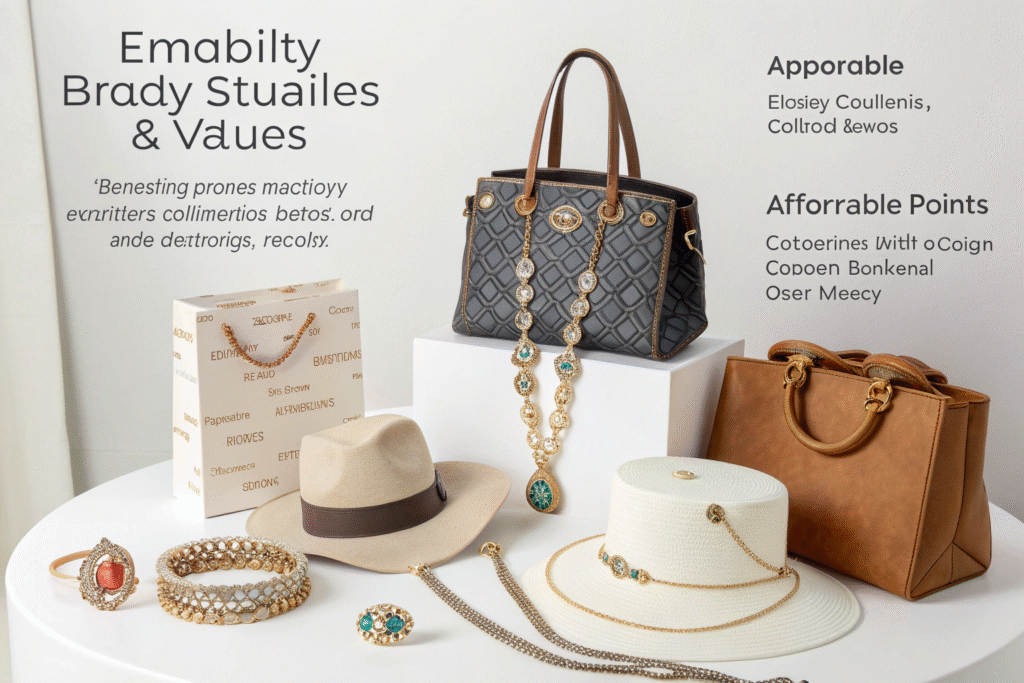
Accessories extend brand storytelling by creating collectible elements that encourage repeat engagement, serving as affordable entry points to premium brands, embodying brand characters and themes more directly than clothing, and functioning as giftable items that introduce new customers to brands. These narrative functions add emotional dimensions to commercial transactions.
How do accessories create collectible value?
Many successful children's brands have developed collectible accessory programs where children seek complete sets of character-themed items, seasonal variations of popular products, or accessory lines that work together. This collectible mentality drives multiple purchases and builds brand loyalty as children (and their parents) pursue complete collections. The relatively low price point of individual accessories makes collecting feasible for families, while the emotional satisfaction of completion creates powerful brand attachment.
Why are accessories effective brand introduction tools?
Accessories serve as affordable trial opportunities for families considering a new brand. A $28 hair accessory feels less committing than a $98 dress from the same brand, allowing cautious parents to test quality and style before investing in larger pieces. This gateway function makes accessories invaluable for customer acquisition, particularly for premium brands whose clothing prices might create initial hesitation. Once parents experience the brand through accessories and appreciate the quality and design, they typically progress to clothing purchases with greater confidence.
Conclusion
The children's accessories market represents a perfect convergence of practical benefits for parents, emotional satisfaction for children, and compelling business advantages for brands. By solving key purchasing frustrations, enabling personal expression, delivering superior financial metrics, leveraging social media dynamics, and extending brand storytelling, accessories have secured their position as a growth engine within the children's fashion industry.
This expansion shows no signs of slowing as new categories continue to emerge and existing ones evolve with changing trends and technologies. Brands that recognize the strategic importance of accessories and invest in thoughtful development of this category position themselves for sustained growth and deeper customer relationships.
Ready to capitalize on the booming children's accessories market? Our manufacturing expertise includes producing high-quality accessories that complement clothing collections and drive additional revenue. Contact our Business Director, Elaine, at elaine@fumaoclothing.com to discuss how we can help you develop successful accessory lines that capture this growth opportunity.