
As a children's clothing manufacturer supplying European markets for over a decade, I've witnessed the organic movement transform from a niche preference to a mainstream expectation. European parents are increasingly making deliberate choices about their children's clothing that extend far beyond aesthetics, driven by deeper concerns about health, environment, and sustainability that have reached critical mass in consumer consciousness.
The demand for organic kids wear in Europe is increasing due to growing parental awareness of chemical safety, stringent EU regulatory standards, environmental concerns, and changing consumer values that prioritize sustainability and transparency. European parents are particularly informed about the potential health impacts of conventional textile production and are willing to invest in certified organic alternatives that align with their values and protect their children's health.
This shift represents more than a passing trend—it's a fundamental transformation in how European consumers approach children's products, with organic clothing becoming a standard expectation rather than a luxury option in many markets.
What health concerns are driving this shift?
Health considerations represent the most immediate and emotionally compelling driver behind the organic kids wear movement in Europe. Parents are increasingly aware of the potential risks associated with conventional textile production and are taking proactive steps to minimize their children's exposure.
European parents have access to extensive information about chemical safety and children's health, leading to more informed purchasing decisions. This awareness is particularly acute in Northern European countries like Germany and Scandinavia, where consumer protection standards are exceptionally high.
How are parents responding to chemical safety information?
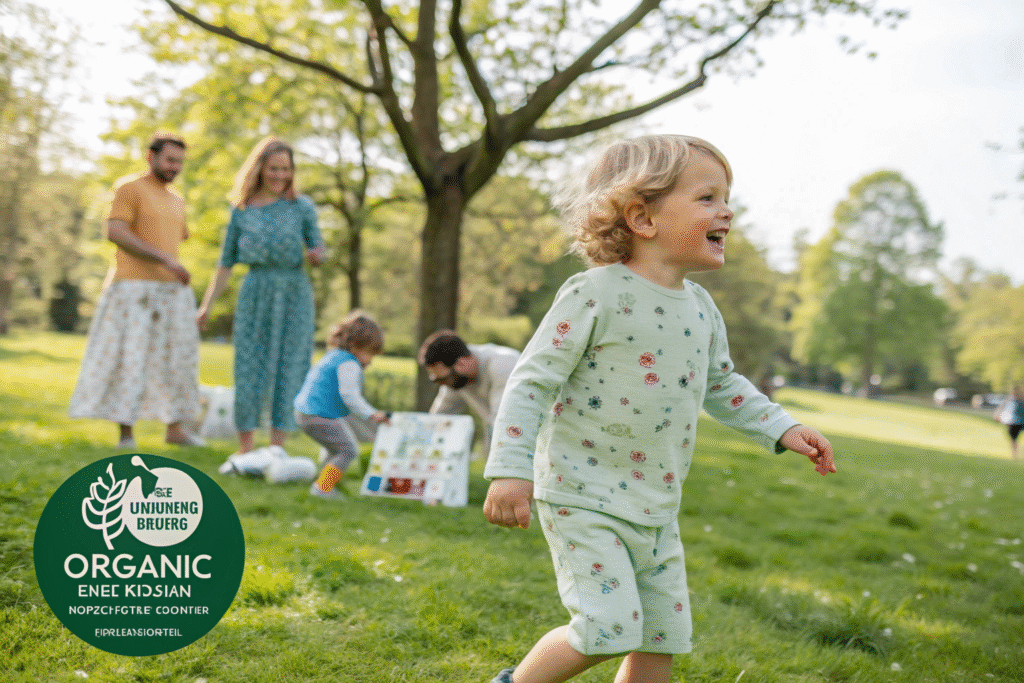
European parents are responding to chemical safety information by actively seeking out certified organic options with verifiable safety credentials. The prevalence of childhood eczema, allergies, and skin sensitivities—affecting approximately 30% of European children—has made fabric safety a practical concern rather than just a theoretical one. Parents are educating themselves about the approximately 8000 chemicals used in conventional textile processing and specifically seeking alternatives. There's growing awareness about residues from pesticides, formaldehyde, heavy metals, and allergenic dyes that can remain in conventional clothing. European parents are particularly attentive to certifications like OEKO-TEX Standard 100, which tests for harmful substances, and GOTS (Global Organic Textile Standard), which covers both organic content and responsible processing. This educated approach to purchasing represents a significant shift from previous generations who prioritized price and appearance over chemical safety.
What role does children's vulnerability play in purchasing decisions?
Children's unique physiological vulnerability significantly influences European parents' purchasing decisions toward organic options. Parents understand that children's skin is thinner and more permeable than adults', allowing greater chemical absorption. Children's higher surface-area-to-body-weight ratio increases their relative exposure to any chemicals present in textiles. The common childhood behavior of mouthing clothing introduces ingestion risks that don't apply to adult clothing. Children's developing organs and metabolic systems are less able to detoxify harmful substances they encounter. Additionally, the European academic community has produced substantial research on early-life chemical exposures and long-term health impacts, which has filtered down to consumer awareness through media coverage and parenting resources. This understanding of children's particular vulnerability makes European parents willing to invest in organic clothing as a form of preventative health protection.
How are regulatory changes influencing the market?
The European regulatory environment is increasingly favoring organic and sustainable products through both direct legislation and supportive policy frameworks. These regulatory developments create market conditions where organic kids wear becomes not just a consumer preference but a compliance advantage.
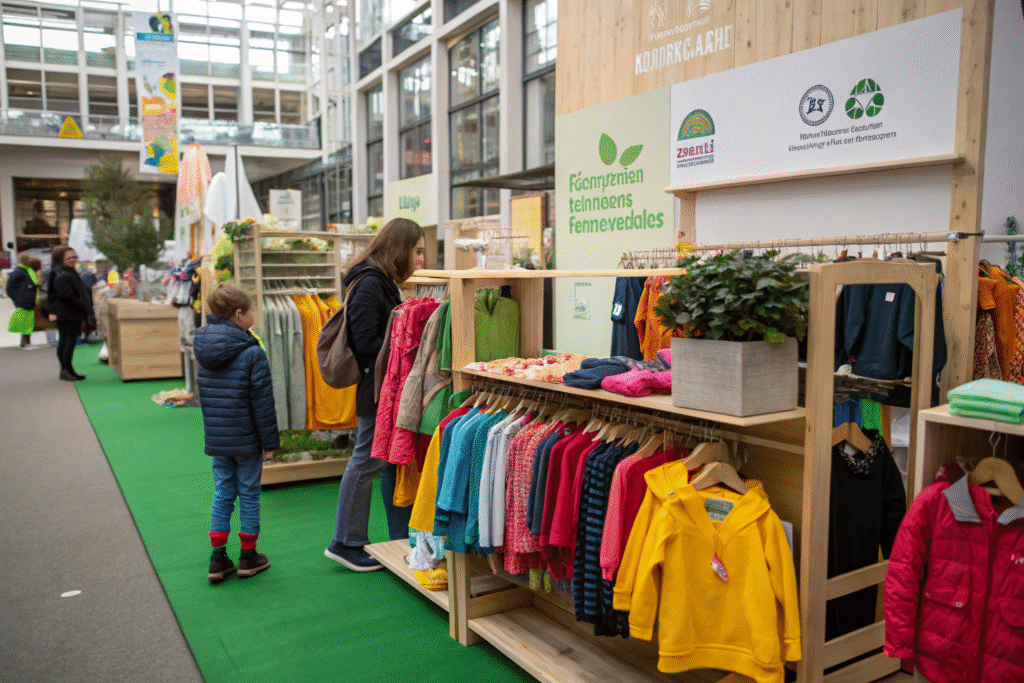
Europe has established some of the world's most stringent chemical regulations, which naturally steer manufacturers and consumers toward safer, more transparently produced textiles like organic clothing.
What EU regulations are driving this change?
Several key EU regulations are accelerating the shift toward organic kids wear by restricting hazardous substances in textiles. The REACH regulation (Registration, Evaluation, Authorisation and Restriction of Chemicals) represents the cornerstone of EU chemical policy, progressively restricting substances of very high concern in consumer products, including clothing. The EU Ecolabel provides a voluntary certification that guides consumers toward environmentally preferable products, including textiles. The upcoming EU Strategy for Sustainable and Circular Textiles will further increase transparency requirements and restrictions on hazardous chemicals. Additionally, individual member states have implemented their own stringent standards—France's anti-waste law, for example, includes measures against textile waste and harmful chemicals. These regulatory frameworks create a market environment where organic certification becomes increasingly valuable as proof of compliance and safety.
How do labeling requirements affect consumer choice?
EU labeling requirements provide consumers with the information needed to make informed choices, naturally steering them toward organic options. The Textile Labeling Regulation ensures accurate fiber content information, preventing false organic claims. The EU Ecolabel specifically identifies products meeting high environmental standards throughout their lifecycle. Various organic certification labels like GOTS and OCS (Organic Content Standard) provide third-party verification of organic claims. Additionally, brand transparency about supply chains and manufacturing processes helps consumers make values-aligned purchases. These labeling systems empower European consumers to vote with their wallets for safer, more sustainable products, creating market momentum that rewards brands offering verified organic kids wear. The standardized nature of these labels across EU markets creates consistency that helps organic products gain recognition and trust.
What environmental concerns are influencing purchases?
Environmental considerations represent a significant driver of the organic kids wear movement in Europe, where climate change awareness and sustainability values are deeply integrated into consumer culture, particularly among younger parents.
European consumers increasingly view their purchasing decisions as connected to broader environmental impacts, making organic clothing a tangible way to express environmental values while meeting practical needs.
| Environmental Concern | Connection to Organic Kids Wear | European Consumer Response |
|---|---|---|
| Water Pollution | Conventional cotton uses hazardous pesticides | Choosing organic to protect waterways |
| Water Consumption | Organic farming uses more rainwater | Supporting water conservation through purchases |
| Soil Health | Organic methods improve soil quality | Valuing agricultural sustainability |
| Carbon Footprint | Organic farming uses less energy | Reducing climate impact through clothing choices |
| Microplastic Pollution | Natural fibers vs. synthetics | Preferring organic cotton over polyester |
How does awareness of cotton farming impacts affect choices?
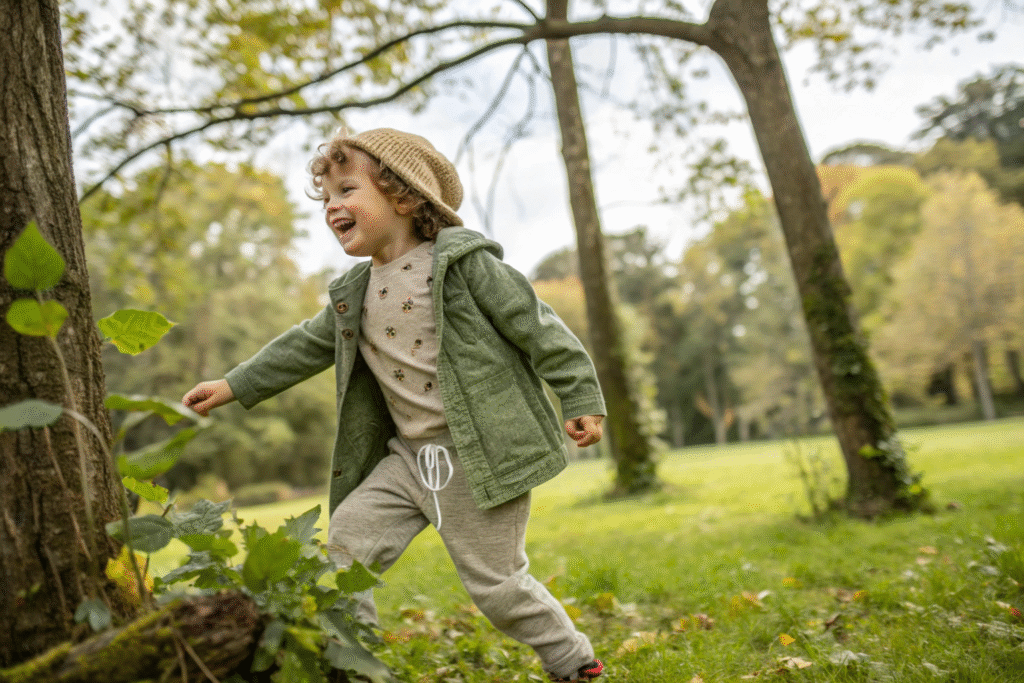
European consumers are increasingly aware of conventional cotton's environmental footprint, making organic cotton a conscious alternative. The understanding that conventional cotton farming uses approximately 16% of the world's insecticides and 7% of pesticides despite occupying just 2.4% of agricultural land drives many toward organic options. Knowledge that it takes approximately 2,700 liters of water to produce one conventional cotton t-shirt—compared to more rain-fed organic cultivation—influences water-conscious purchases. Awareness that organic farming methods improve soil health, increase biodiversity, and often use less energy resonates with consumers concerned about agricultural sustainability. Additionally, the association between conventional cotton farming and farmer health issues in producing countries appeals to European consumers' social consciousness. This comprehensive understanding of cotton's environmental impact makes organic kids wear a tangible way for parents to align their purchasing with their environmental values.
What role does circular economy thinking play?
Circular economy principles are increasingly influential in European purchasing decisions, favoring organic kids wear for its compatibility with these concepts. The EU's Circular Economy Action Plan has raised consumer awareness about product longevity, recyclability, and waste reduction. Organic natural fibers are inherently biodegradable, unlike synthetic fibers that can persist for centuries in landfills. Higher-quality organic garments often have longer useful lives, supporting the "buy less, buy better" mentality that reduces overall consumption. The durability of well-made organic clothing makes it suitable for passing between siblings or resale, extending its lifecycle. Additionally, the absence of chemical treatments in organic clothing makes it safer for eventual recycling or composting. This circular thinking transforms organic kids wear from a simple product purchase into part of a sustainable consumption system that appeals to European environmental values.
How are retail and brand responses accelerating demand?
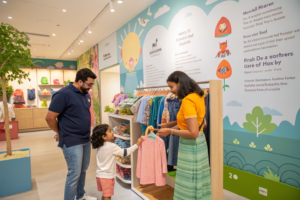
European retailers and brands are actively responding to and accelerating the demand for organic kids wear through their product offerings, marketing strategies, and corporate policies. This institutional adoption further normalizes organic choices and makes them more accessible to mainstream consumers.
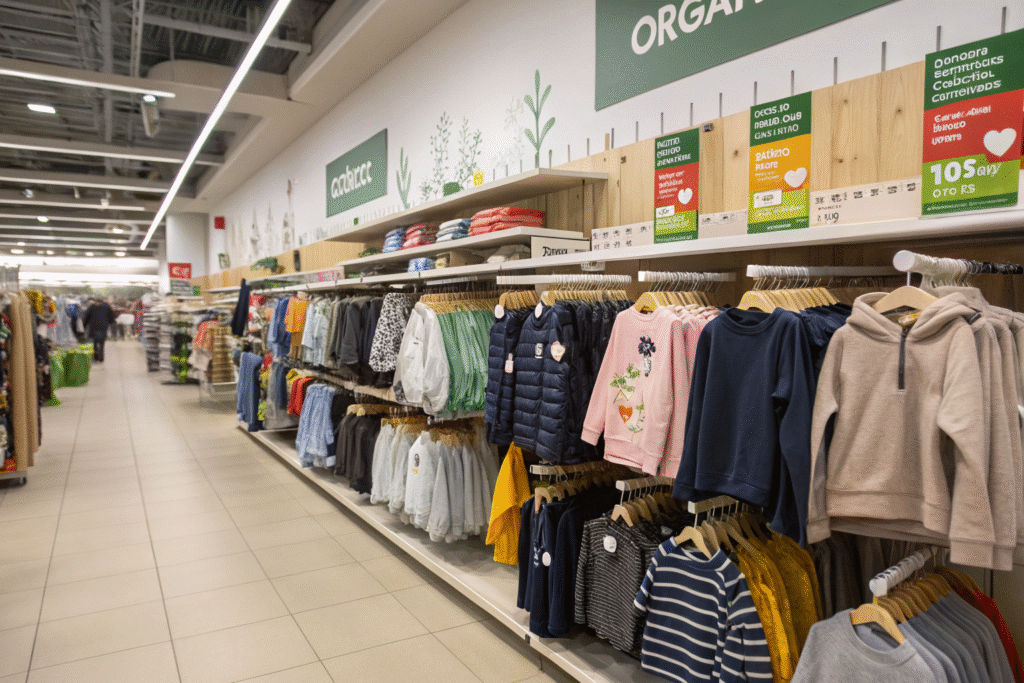
The European retail landscape has evolved to where organic kids wear is increasingly the default rather than the exception in many market segments, particularly in mid-to-high-end retail channels.
How are major retailers changing their offerings?
Major European retailers are significantly expanding their organic kids wear offerings in response to consumer demand. Mainstream retailers like H&M and Zara have introduced extensive organic collections, making these products accessible at various price points. Specialty children's retailers like Vertbaudet and DPAM have increased their organic percentages, sometimes to 100% of certain product categories. Supermarket clothing lines, which represent a substantial portion of children's wear sales in Europe, are increasingly featuring organic options. Luxury children's brands are using organic materials as a quality differentiator, further enhancing its premium associations. Additionally, online pure-play retailers are curating organic selections that help consumers discover new brands. This retail-level commitment makes organic kids wear increasingly unavoidable in the European market, accelerating adoption through both availability and normalization.
How does brand storytelling influence purchasing?
Brand storytelling around organic kids wear significantly influences European purchasing decisions by creating emotional connections and value alignment. Brands that transparently share their supply chain stories—from farm to finished product—build trust with skeptical consumers. Educational content about the benefits of organic farming and manufacturing helps justify price premiums by explaining value rather than just cost. Authentic commitment to sustainability throughout business operations, not just in product offerings, resonates with values-driven consumers. Collaboration with environmental organizations or certification bodies adds third-party credibility to brand claims. Additionally, visual storytelling that connects organic clothing to healthy, active childhoods creates powerful emotional appeals. This comprehensive storytelling approach transforms organic kids wear from a commodity purchase into a values statement, justifying investment for European parents who see their purchasing as an expression of their parenting philosophy and environmental ethics.
Conclusion
The rising demand for organic kids wear in Europe represents a convergence of health concerns, environmental awareness, regulatory direction, and retail availability that has created a self-reinforcing market shift. European parents are making deliberate choices to protect their children's health, express environmental values, and support sustainable production systems through their clothing purchases. This movement is supported by stringent EU regulations, transparent certification systems, and retail environments that make organic options increasingly accessible across price points and distribution channels.
At Fumao Clothing, our experience supplying European brands has shown us that organic kids wear has transitioned from a niche category to a market expectation, particularly in Northern European markets. Our GOTS-certified production capabilities and OEKO-TEX tested materials directly address the concerns driving this demand. If you're looking to develop or expand organic kids wear collections for the European market, contact our Business Director, Elaine, at elaine@fumaoclothing.com to discuss how our specialized organic manufacturing expertise can help you meet this growing demand while maintaining the quality, transparency, and certification standards that European consumers expect.