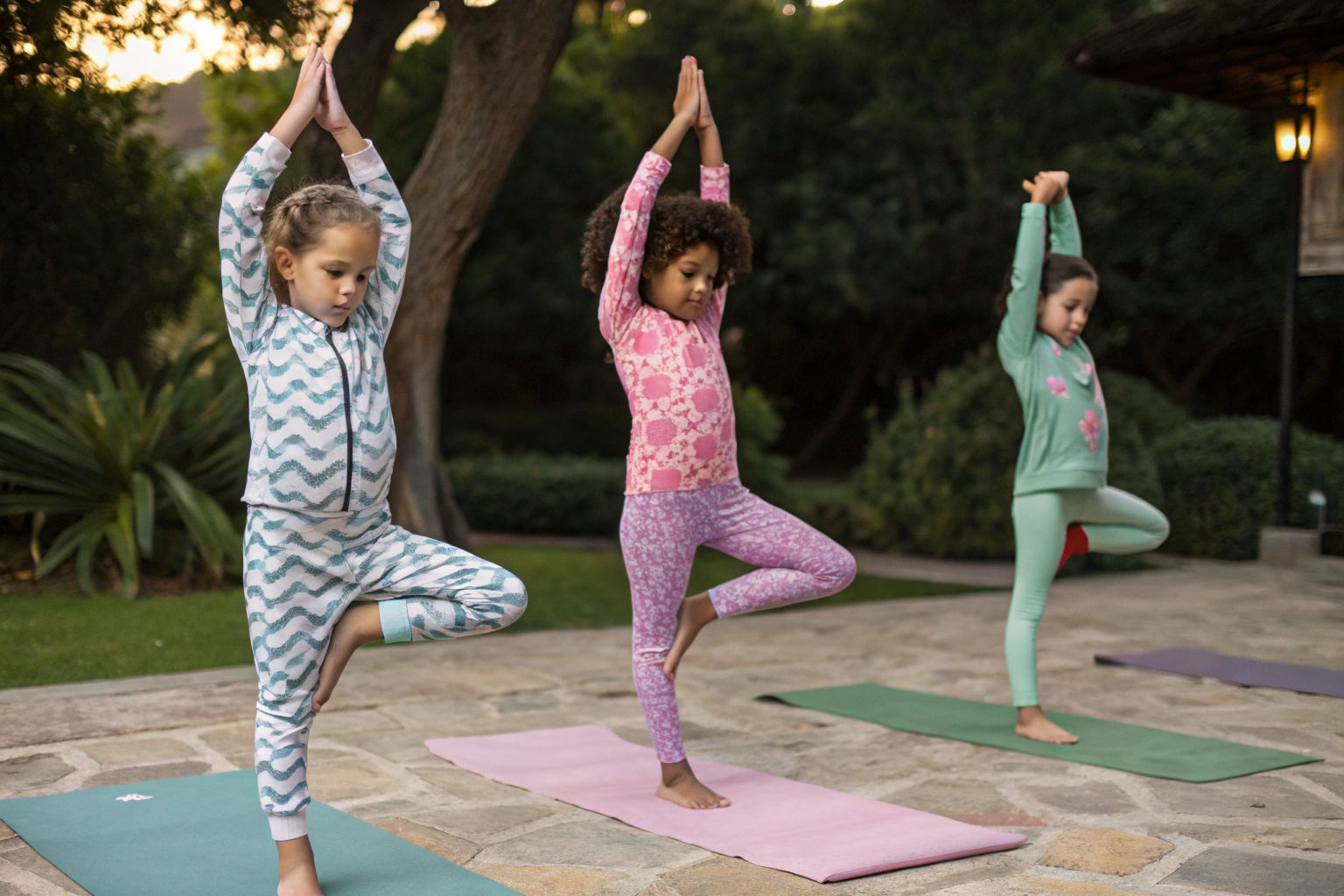
The children's activewear market has experienced a significant shift with yoga wear emerging as one of the fastest-growing segments. This trend reflects broader changes in how families approach wellness, children's activities, and the intersection of comfort and style in children's clothing. The rise of kids yoga wear represents more than just a fashion trend—it signals evolving attitudes toward children's physical and mental wellbeing.
The demand for kids yoga wear is increasing due to the growing popularity of children's yoga programs, parental emphasis on holistic wellness, the versatility of yoga wear for multiple activities, the comfort revolution in children's clothing, and the influence of adult wellness trends on family lifestyles. This specialized category has evolved from niche to mainstream as its benefits become increasingly recognized.
Yoga wear for children blends functionality with fashion in ways that align with modern parenting values. The clothing supports physical development while accommodating children's natural need for movement and self-expression. As yoga and mindfulness practices become integrated into schools, extracurricular activities, and family routines, the clothing that facilitates these activities has gained corresponding importance. Let's explore the specific factors driving this growing market segment.
How has the children's wellness movement driven demand?
The global focus on children's holistic development has elevated yoga from an occasional activity to an integral part of many children's routines. This shift has created specific clothing needs that standard activewear doesn't fully address, driving demand for specialized yoga wear.
The children's wellness movement has driven demand by integrating yoga into school curricula, expanding mindfulness programs for children, increasing parental awareness of yoga's developmental benefits, and creating new occasions that require appropriate clothing. Yoga wear has become the uniform for this wellness revolution.
What role do educational institutions play in this trend?
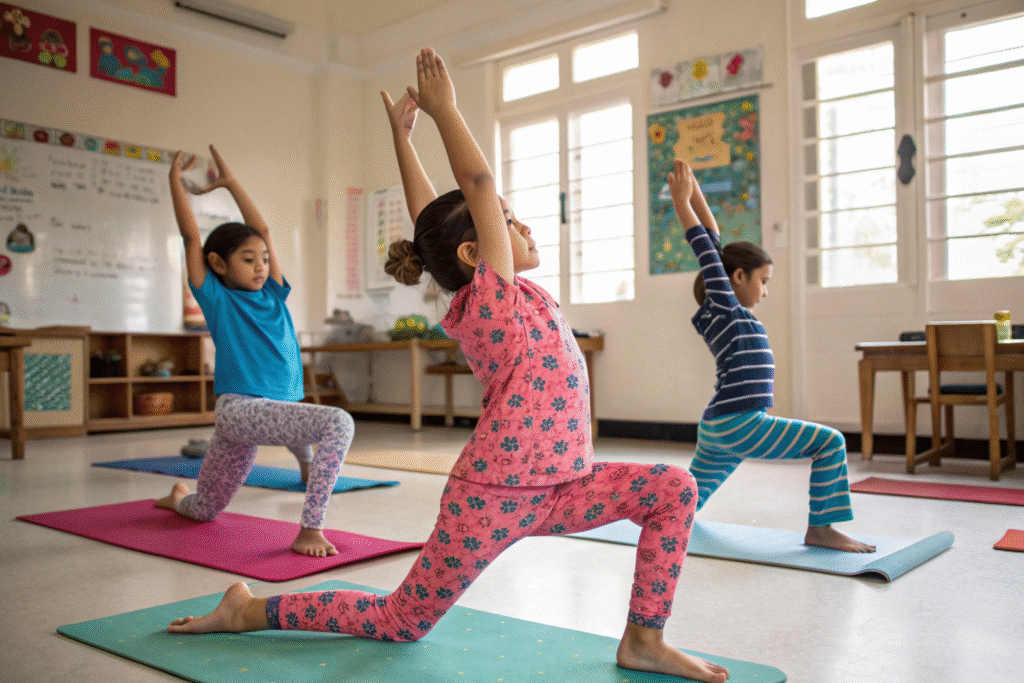
Schools and preschools have increasingly incorporated yoga into their physical education curricula and classroom routines, recognizing its benefits for focus, flexibility, and emotional regulation. This institutional adoption means children need appropriate clothing for regular yoga sessions during school hours. Many schools now recommend or require specific types of flexible, non-restrictive clothing for these activities, creating consistent demand. The growth of yoga programs in educational settings has transformed yoga wear from occasional-use clothing to regular wardrobe staples.
How has parental awareness influenced purchasing?
Modern parents are increasingly informed about the developmental benefits of yoga for children, including improved concentration, body awareness, stress reduction, and physical coordination. This understanding motivates them to invest in proper attire that enhances the yoga experience. Parents who practice yoga themselves often seek similar quality and performance in their children's yoga wear, recognizing that proper clothing can significantly impact comfort and engagement during practice. This educated consumer base drives demand for technical features rather than just basic stretch clothing.
Why does versatility make yoga wear practical for families?
The functionality of yoga wear extends far beyond the yoga studio, making it a practical choice for busy families seeking clothing that transitions seamlessly between multiple activities. This versatility represents significant value for cost-conscious parents.
Versatility makes yoga wear practical for families because it functions as activewear, loungewear, and casual wear, reduces the need for multiple clothing changes, provides all-day comfort for active children, and represents better value through multiple use occasions. This multi-functionality justifies investment in quality pieces.
How does yoga wear serve multiple activity needs?
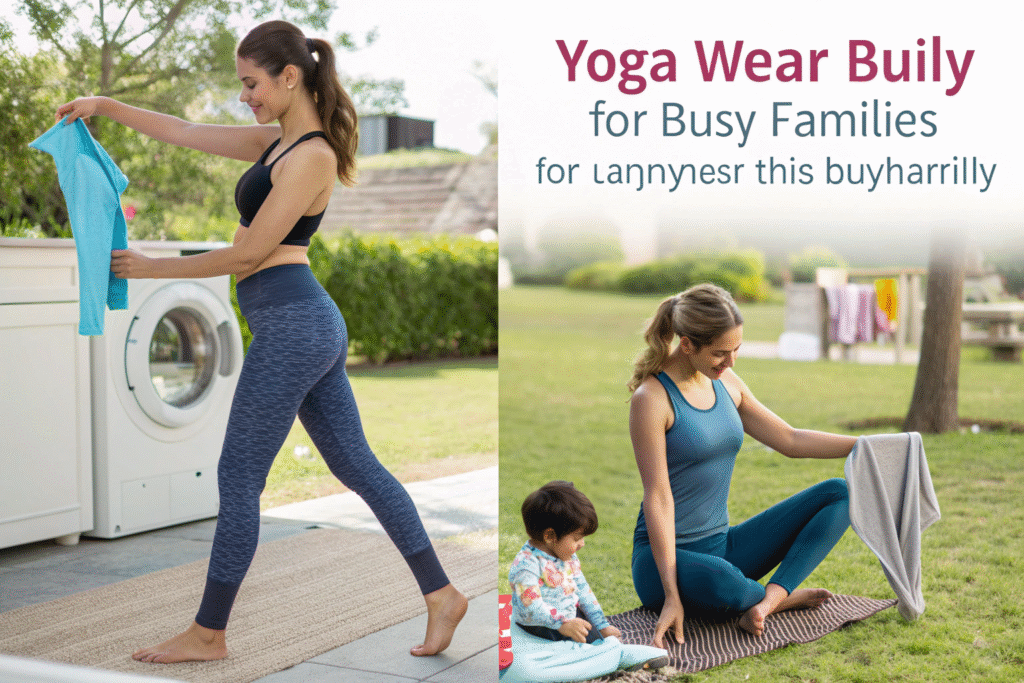
High-quality yoga wear transitions effortlessly between yoga practice, dance classes, general playwear, and after-school relaxation. The same leggings and tops that work for morning yoga can be worn throughout the school day, to extracurricular activities, and as comfortable loungewear at home. This eliminates multiple clothing changes and simplifies packing for activities. Parents appreciate that they're purchasing clothing that will be worn frequently rather than remaining in the closet between weekly yoga classes.
What design features support this versatility?
Strategic design elements like gusseted crotches for unrestricted movement, flatlock seams that prevent chafing during extended wear, and fabrics that maintain their appearance through multiple activities all contribute to yoga wear's versatility. Additionally, styles that balance coverage with breathability work across different environments from air-conditioned studios to outdoor play. The aesthetic appeal of modern yoga wear—often featuring attractive patterns and flattering cuts—makes children willing to wear these pieces throughout their day, not just during specific activities.
How has comfort become a primary purchasing driver?
The comfort standards in children's clothing have risen dramatically, with parents and children alike rejecting restrictive, uncomfortable garments in favor of clothing that supports natural movement and all-day wearability.
Comfort has become a primary purchasing driver due to children's increased sensitivity to clothing textures, parental awareness of how clothing affects mood and behavior, the all-day wear requirements of modern children's schedules, and the influence of adult comfort expectations on children's clothing. Yoga wear delivers comfort that other categories often lack.
What specific comfort features distinguish yoga wear?
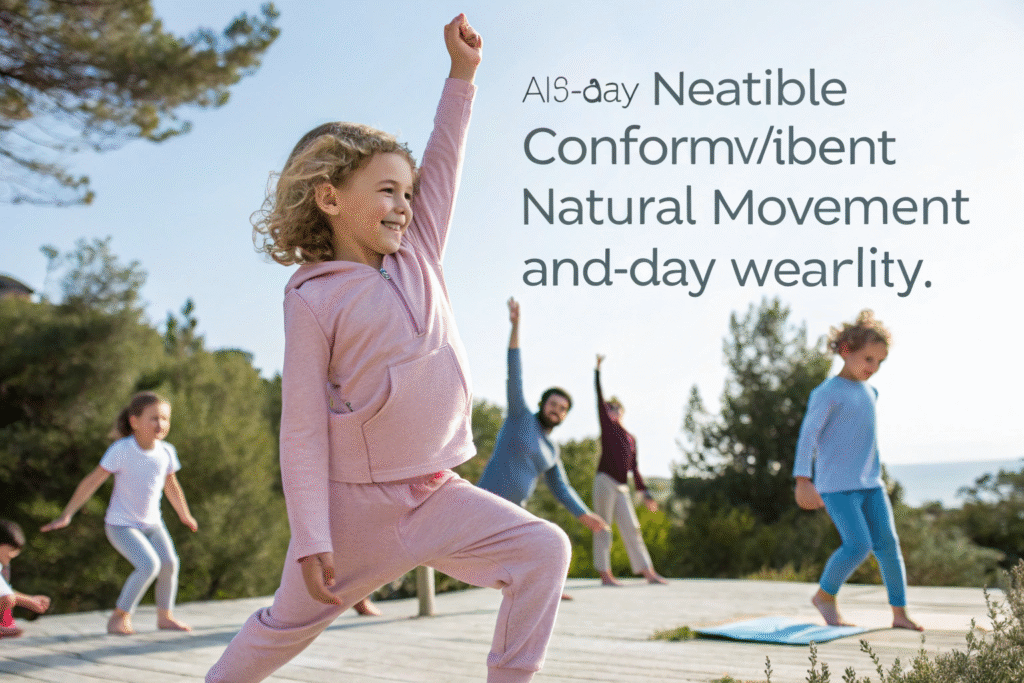
Yoga wear specifically addresses sensory needs through tagless designs, seamless construction, buttery-soft fabrics, and four-way stretch that moves with children's bodies. Unlike traditional woven clothing that can restrict movement, yoga wear's knit constructions provide constant accommodation for growing, moving bodies. The absence of rigid elements like buttons, zippers, or stiff interfacing eliminates pressure points and irritation, making these garments particularly suitable for children with sensory sensitivities who might resist other types of clothing.
How does comfort impact children's daily experience?
Comfortable clothing directly influences children's willingness to participate in activities, their concentration levels, and their overall mood. Restrictive clothing can unconsciously limit movement and exploration, while comfortable yoga wear encourages physical confidence and engagement. Parents observe that their children are more active, less fidgety, and generally happier when wearing clothing that doesn't constrict or irritate. This observable difference in behavior reinforces repeat purchases of comfortable yoga wear over other options.
What role do adult trends play in children's yoga wear markets?
The massive growth of the adult yoga and wellness industry has naturally influenced children's markets, with parents seeking to include their children in lifestyle practices they value. This trickle-down effect has accelerated the children's yoga wear market.
Adult trends play a significant role in children's yoga wear markets through family matching outfits, parental projection of wellness values, the normalization of yoga as family activity, and the influence of social media showcasing family wellness lifestyles. Children's yoga wear often mirrors adult styles in miniature.
How does the matching trend drive children's purchases?
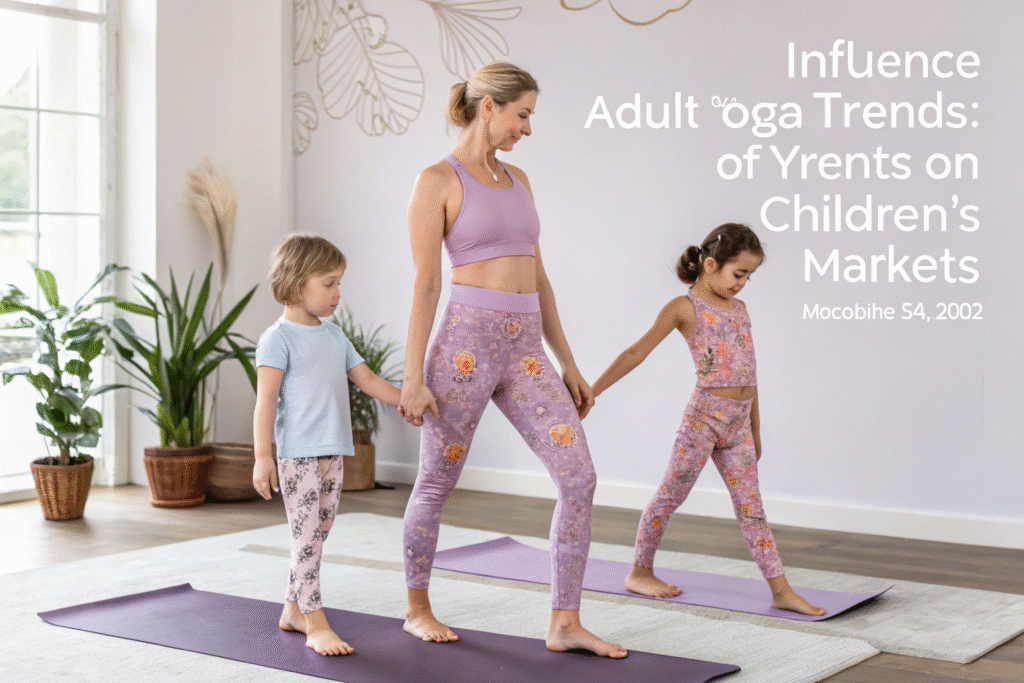
The popularity of family matching outfits in yoga wear allows families to participate in wellness activities together while creating shared experiences and photo opportunities. Parents who invest in quality yoga wear for themselves often purchase coordinating pieces for their children, seeing this as an extension of family bonding. Brands that offer adult and children's versions of popular styles capitalize on this desire for family connection through clothing. The social media appeal of matching family yoga outfits further amplifies this trend.
How have adult technical expectations influenced children's wear?
Adults familiar with technical features in their own yoga wear—such as moisture-wicking, four-way stretch, and squat-proof fabrics—expect similar performance in children's versions. This has elevated children's yoga wear beyond basic cotton leggings and tees to incorporate the same technical innovations found in premium adult activewear. Parents understand that proper performance wear enhances the yoga experience regardless of age, and they're willing to invest accordingly. This has pushed children's yoga wear into more sophisticated price points and performance categories.
How does yoga wear support developmental needs?
Beyond fashion and trend considerations, yoga wear addresses specific developmental requirements of growing children, making it particularly suitable for various stages of physical and emotional development.
Yoga wear supports developmental needs by accommodating rapid physical growth, encouraging body awareness and confidence, supporting the development of gross motor skills, and providing the freedom needed for exploration and self-expression. The clothing becomes a tool for development rather than just a covering.
How does yoga wear accommodate physical development?
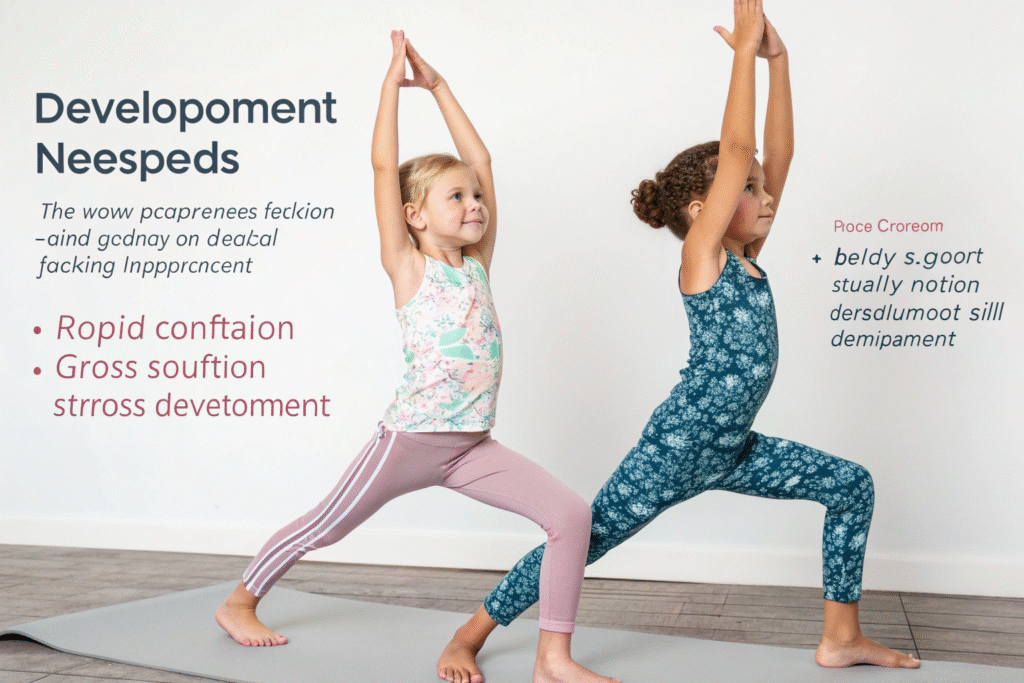
The stretch and recovery properties of quality yoga wear accommodate growth spurts more effectively than woven clothing, extending the wearable life of each piece. Features like wide, flexible waistbands adjust to changing body proportions, while stretch fabrics accommodate height increases without becoming uncomfortably short. This growth accommodation represents significant value for parents managing constantly changing clothing needs. The durability of quality yoga wear also ensures it can be passed between siblings, further extending its utility.
How does clothing choice impact movement confidence?
Restrictive clothing can unconsciously limit children's movement exploration, while flexible yoga wear encourages full range of motion, supporting the development of physical confidence. When children can move freely without clothing restrictions, they're more likely to attempt new physical challenges, develop coordination, and build body awareness. This is particularly important during yoga practice where proper alignment and freedom of movement enhance both safety and benefits. The right clothing removes barriers to physical exploration and skill development.
Conclusion
The rising demand for kids yoga wear reflects broader shifts in how families approach wellness, comfort, and children's development. This category successfully merges functionality with fashion, addressing practical parenting needs while supporting children's physical and emotional growth. As yoga and mindfulness practices continue to gain traction in educational settings and family routines, the market for specialized yoga wear is poised for continued expansion.
Brands that understand the multiple drivers behind this trend—from wellness movement integration and versatility demands to comfort expectations and developmental support—can create products that genuinely meet family needs. The success of kids yoga wear demonstrates how specialized categories can emerge and thrive when they align with evolving lifestyle values and practical requirements.
Ready to develop children's yoga wear that meets growing market demand? Our manufacturing expertise includes creating technical activewear that balances performance, comfort, and style for growing bodies. Contact our Business Director, Elaine, at elaine@fumaoclothing.com to discuss how we can help you create yoga wear collections that support children's wellness activities.