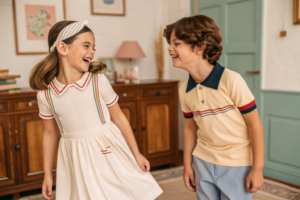
The children's vintage clothing market is experiencing remarkable growth, transforming from niche interest to mainstream trend as parents increasingly seek unique, quality, and sustainable options for their children. As a manufacturer observing market shifts in American and European children's wear, I've witnessed this trend accelerate from occasional thrift store finds to dedicated vintage collections and specialized retailers. This movement represents a fundamental shift in how families approach children's dressing, blending nostalgia, sustainability, and individuality.
The demand for kids vintage clothing is rising due to growing sustainability consciousness, desire for unique style expression, appreciation for quality and craftsmanship, nostalgia-driven purchasing, and the influence of social media showcasing curated vintage looks. This trend reflects broader cultural shifts toward conscious consumption while addressing parents' desires for clothing that tells stories and stands apart from mass-produced alternatives.
The vintage movement in children's wear combines emotional appeal with practical benefits, creating a compelling alternative to fast fashion that resonates with modern parenting values.
How Does Sustainability Drive Vintage Demand?
The environmental benefits of vintage clothing align perfectly with growing parental concerns about fashion's ecological impact and desire for more conscious consumption.
Vintage represents the ultimate circular fashion—extending garment lifecycles, reducing waste, and minimizing the resource consumption of new production.

What Environmental Benefits Appeal to Parents?
Each vintage garment represents significant water savings, carbon emission reduction, and waste diversion compared to newly manufactured items. According to Environmental Fashion Research, extending a garment's life by just nine months reduces its carbon and water footprint by 20-30%. For environmentally conscious parents, vintage offers tangible environmental benefits beyond the vague sustainability claims of some new clothing lines.
How Does Vintage Support Circular Economy Values?
The reuse inherent in vintage clothing demonstrates practical circular economy principles that appeal to parents seeking to reduce their family's environmental impact. Unlike recycling, which often downcycles materials, vintage maintains the original value and purpose of clothing. This approach aligns with growing interest in circular fashion models that keep products in use longer.
Why Does Unique Style Expression Matter?
In an era of mass-produced fast fashion, vintage clothing offers individuality and character that helps children stand out rather than blend in.
The desire for unique style expression drives parents toward vintage options that can't be found in every chain store or classroom.

How Does Vintage Combat Fast Fashion Sameness?
Mass-produced children's wear often follows identical trends across multiple retailers, resulting in classroom homogeneity. Vintage pieces offer unique designs, discontinued patterns, and special details that create individual style. This uniqueness is particularly valued for special occasions, photographs, and expressing children's developing personalities through clothing choices.
What Role Does Storytelling Play in Vintage Appeal?
Vintage clothing often comes with implied stories and history that new clothing lacks. Parents enjoy imagining previous lives of garments and creating new stories with their children. This narrative element transforms clothing from disposable commodity to meaningful possession. The Fashion Storytelling Institute notes that products with stories typically command 15-25% price premiums due to their enhanced perceived value.
How Does Quality Perception Influence Vintage Demand?
Older clothing often features better construction, natural fabrics, and durability that contrasts favorably with contemporary fast fashion.
The quality perception of vintage items addresses parent frustrations with the declining durability of new children's clothing.
What Construction Differences Are Noticeable?
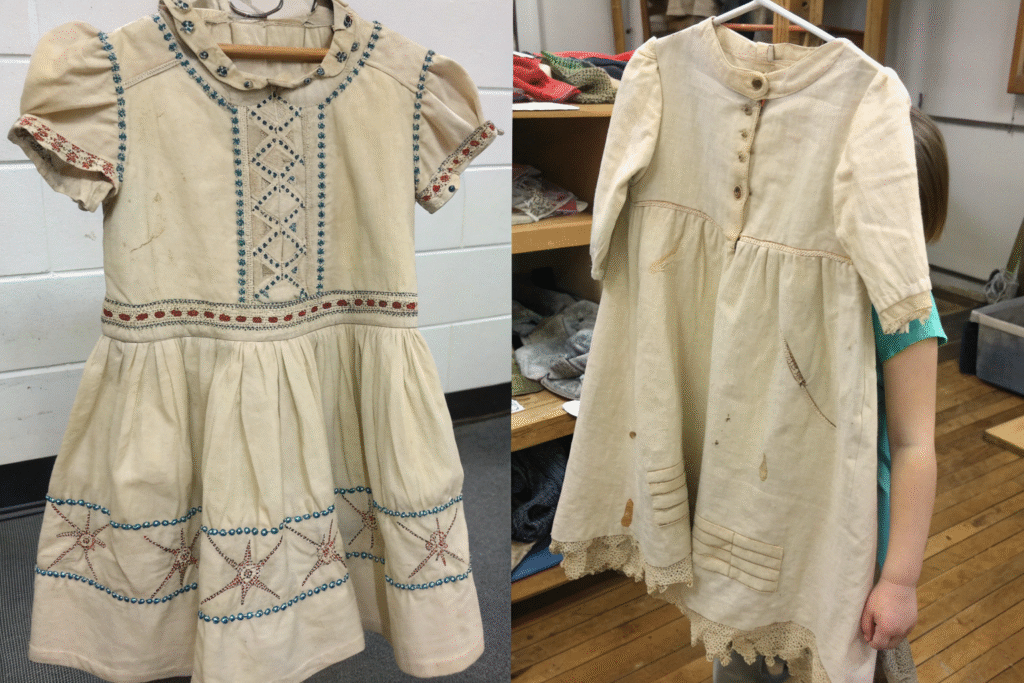
Vintage children's wear often features fully finished seams, reinforced stress points, quality zippers and fastenings, and generous seam allowances that allow for letting down hems. These construction details have often been eliminated in contemporary manufacturing to reduce costs. The visible quality differences make vintage appealing to parents tired of clothing that deteriorates quickly.
How Do Natural Fabrics Enhance Vintage Appeal?
Older clothing predates the widespread use of synthetic blends, often featuring 100% cotton, wool, and other natural fibers that many parents prefer against children's skin. These natural materials typically become softer with washing and wear, contrasting with some synthetic blends that pill or deteriorate. The preference for natural materials drives many parents toward vintage options.
What Role Does Nostalgia Play in Vintage Popularity?
Nostalgia for specific eras, childhood memories, and simpler times drives interest in vintage children's clothing that evokes emotional connections.
The emotional pull of nostalgia often overrides practical considerations, creating strong motivation for vintage purchases.

How Does Generational Nostalgia Work?
Millennial parents often seek vintage styles from their own childhoods (1980s-1990s), creating demand for specific silhouettes, patterns, and characters from these eras. This generational nostalgia makes vintage shopping emotionally resonant rather than just practical. Parents enjoy sharing pieces that reflect their own childhood aesthetics with their children.
What Era-Specific Styles Are Most Popular?
1980s bright colors and character licensing, 1970s peasant dresses and earthy tones, and 1990s minimalism and sporty styles each have dedicated followings. Understanding these era preferences allows vintage curators to source effectively. The most successful vintage sellers recognize that different decades appeal to different customer segments based on their own childhood associations.
How Does Social Media Influence Vintage Trends?
Social platforms have transformed vintage from hidden thrift store finds to curated, celebrated fashion choices through visibility and community.
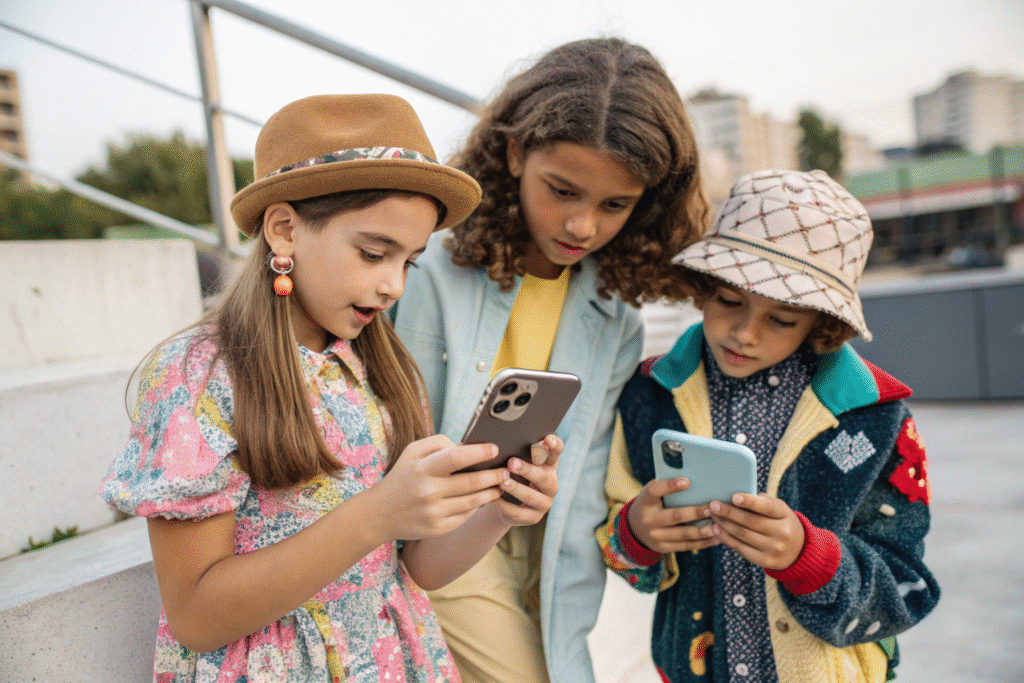
Instagram, Pinterest, and TikTok have created vintage communities that celebrate finds, share sourcing tips, and normalize wearing secondhand clothing.
How Has Social Media Democratized Vintage?
Platforms like Instagram have made vintage sourcing knowledge accessible beyond traditional thrifting communities. Parents can now follow vintage specialists, learn dating techniques, and discover era-specific styles without previous expertise. This democratization has significantly expanded the vintage market beyond its traditional boundaries. According to Social Media Fashion Research, vintage clothing mentions on social platforms have increased 300% over the past three years.
What Role Do Vintage Influencers Play?
Dedicated vintage influencers demonstrate styling techniques, share sourcing locations, and celebrate finds, making vintage approachable for newcomers. These influencers often focus specifically on children's vintage, showing how to incorporate pieces into modern wardrobes and demonstrating the quality and uniqueness advantages. Their content has been instrumental in normalizing vintage for everyday wear rather than just costume purposes.
Conclusion
The rising demand for kids vintage clothing represents a convergence of sustainability concerns, desire for individuality, appreciation for quality, nostalgic appeal, and social media influence. This trend reflects a broader cultural shift toward more conscious consumption that values story, quality, and uniqueness over convenience and trend-following.
At Shanghai Fumao Clothing, we observe these market shifts closely, noting how vintage preferences influence even new clothing design through nostalgic patterns, quality construction emphasis, and unique details. If you're developing collections that incorporate vintage aesthetics or quality standards, contact our Business Director Elaine at elaine@fumaoclothing.com to discuss how our manufacturing expertise can support your vision while maintaining contemporary safety and production standards.