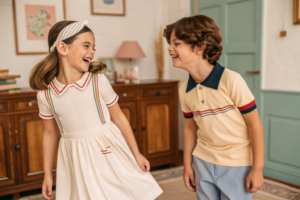
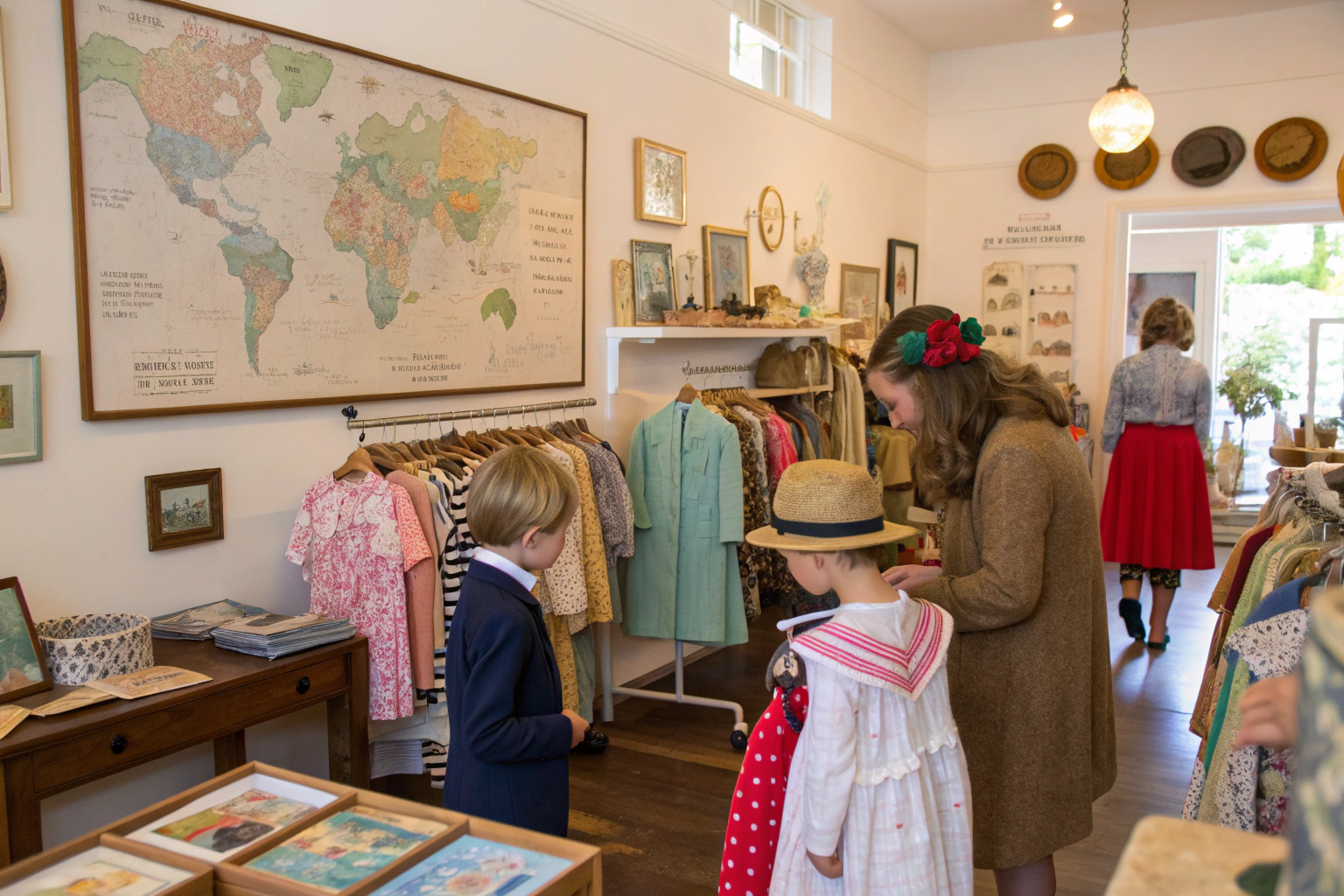
The children's vintage clothing market is experiencing significant growth as parents increasingly seek unique, sustainable, and character-rich options for their children's wardrobes. As manufacturers observing shifting consumer preferences, we're witnessing how vintage and vintage-inspired clothing addresses multiple contemporary parenting concerns while offering distinctive style.
The demand for kids vintage clothing is increasing due to growing sustainability concerns, desire for unique style expression, superior quality perception, emotional nostalgia, and the rise of circular fashion values among younger parents. This trend represents a fundamental shift away from fast fashion toward more conscious consumption that values story, craftsmanship, and longevity over disposability and rapid trend cycles. The vintage children's wear movement connects practical parenting needs with deeper values about consumption, identity, and environmental responsibility.
How Does Sustainability Drive Vintage Clothing Demand?
Environmental concerns represent a primary driver behind the growing preference for vintage children's clothing, with parents seeking to reduce their family's fashion footprint through pre-loved options.
The children's wear industry generates significant textile waste as children quickly outgrow clothing, making vintage and secondhand options particularly appealing to environmentally conscious families. Vintage clothing extends garment lifecycles, reduces demand for new production, and keeps textiles out of landfills—addressing multiple environmental concerns simultaneously.
What Environmental Benefits Appeal to Modern Parents?
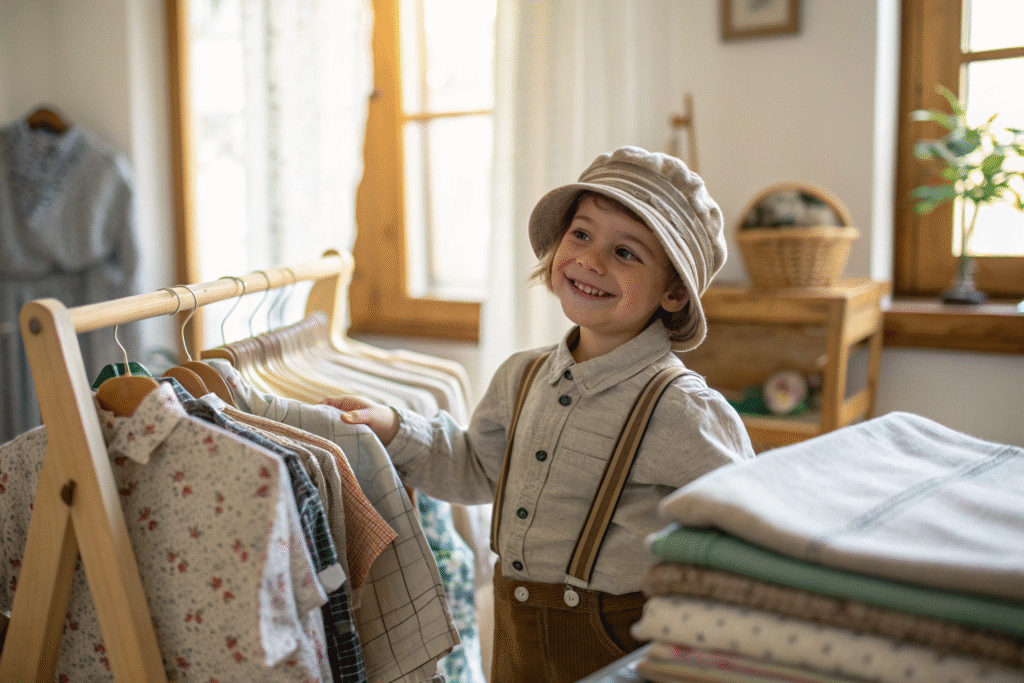
Vintage children's clothing offers tangible environmental advantages that align with growing parental concerns about fashion's ecological impact. According to the Ellen MacArthur Foundation's circular economy research, extending a garment's life by just nine months reduces its carbon, water, and waste footprints by 20-30%. For children's wear specifically, where usable life is naturally limited by growth, purchasing vintage represents one of the most effective ways to minimize environmental impact. Additionally, vintage clothing typically predates fast fashion production methods, often featuring higher-quality materials and construction that have already proven their durability through decades of use—a powerful sustainability statement for parents concerned about disposable culture.
How Does Vintage Support Circular Fashion Values?
The vintage children's wear market embodies circular economy principles by keeping clothing in use rather than treating it as disposable. Unlike traditional linear fashion models (produce-use-dispose), vintage clothing represents a continuous cycle of use that maximizes value extraction from existing resources. The ThredUp Resale Report indicates that the children's secondhand market is growing 5 times faster than the overall children's wear market, demonstrating strong consumer shift toward circular fashion models. For environmentally conscious parents, choosing vintage allows them to dress their children beautifully while actively participating in fashion circularity rather than contributing to resource depletion and waste generation.
What Psychological Factors Influence Vintage Preference?
Emotional and psychological dimensions significantly impact the growing appeal of vintage children's clothing, connecting practical purchasing decisions to deeper values and identity expression.
The choice to dress children in vintage clothing often reflects parents' desire to express specific values, create meaningful connections to the past, and cultivate distinctive family identity through clothing choices that stand apart from mass-produced contemporary options.
How Does Nostalgia Drive Vintage Purchases?
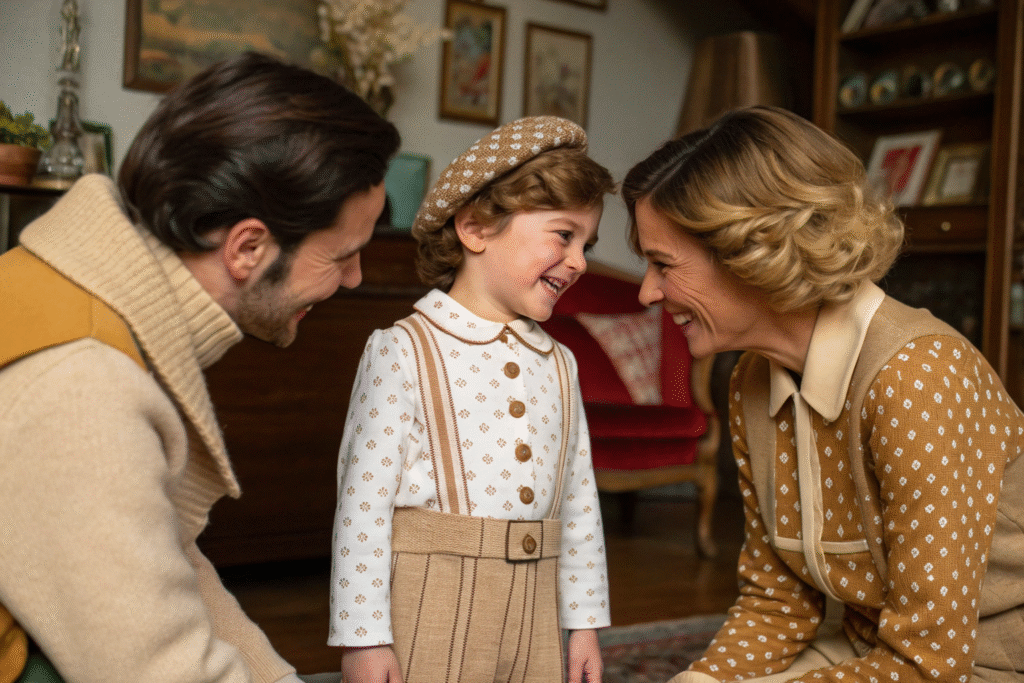
Nostalgia represents a powerful emotional driver in vintage children's wear, with parents often seeking styles that remind them of their own childhoods or represent idealized versions of past eras. According to research published in the Journal of Consumer Research, nostalgic products trigger positive emotions and feelings of social connectedness that enhance perceived value. For children's clothing, this might mean seeking out 1980s-style corduroy overalls, 1970s-inspired smock dresses, or vintage band t-shirts that represent parents' youth cultures. This nostalgic connection transforms clothing from mere practical covering to emotional artifacts that connect generations and create family storytelling opportunities.
What Role Does Uniqueness Play in Vintage Appeal?
In an era of mass-produced fast fashion, vintage clothing offers distinctive style that helps children stand out rather than blend in. The desire for unique expression drives parents toward vintage options that can't be found in every classroom or playground. The Fashion Psychology Institute notes that clothing uniqueness contributes significantly to wearer confidence and identity formation, even in young children. Vintage pieces with distinctive prints, unusual details, or historical character provide visual interest that mass-produced contemporary clothing often lacks. For parents seeking to encourage their children's individuality, vintage clothing offers ready-made distinctiveness without the premium pricing of custom-designed contemporary pieces.
How Does Quality Perception Impact Vintage Demand?
The superior craftsmanship and materials often found in vintage children's clothing create compelling quality narratives that justify choosing older pieces over new alternatives.
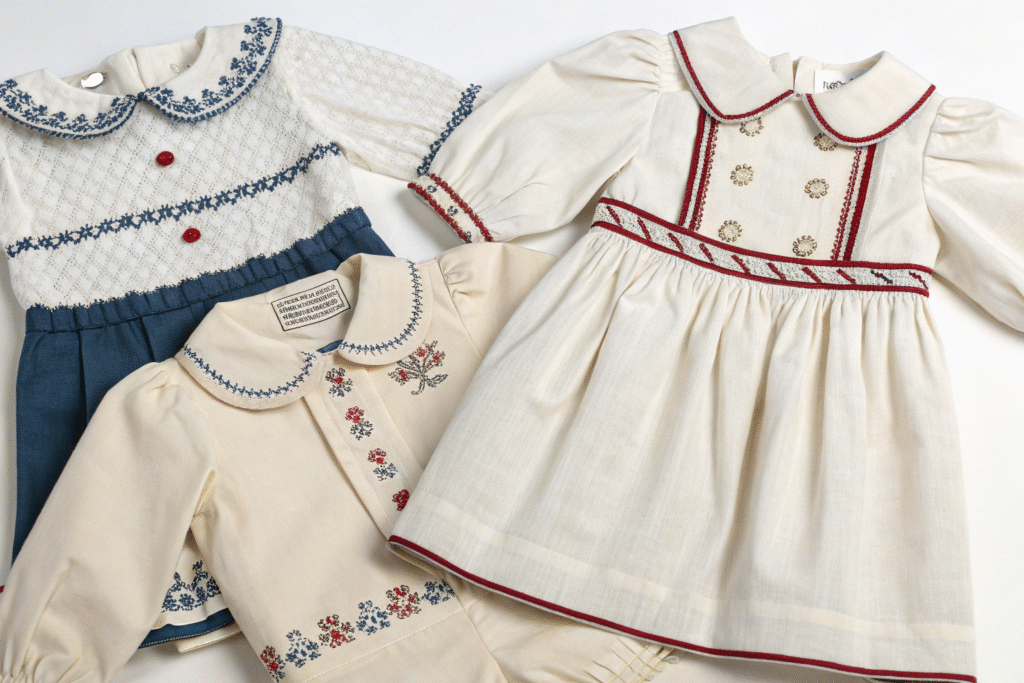
Vintage clothing frequently features construction techniques, fabric quality, and attention to detail that have become increasingly rare in contemporary mass-market children's wear, making well-preserved vintage pieces particularly appealing to quality-conscious parents.
What Construction Differences Make Vintage Appealing?
Older children's clothing often features reinforced stitching, generous seam allowances, quality natural fabrics, and thoughtful details that withstand multiple children's use—construction values that have often been sacrificed in contemporary manufacturing for cost efficiency. According to the International Association of Clothing Designers' historical analysis, children's clothing produced before the 1990s typically featured 20-30% more stitching, heavier-weight fabrics, and more generous ease allowances than contemporary equivalents at similar price points. These construction differences mean vintage pieces often survive multiple children with less visible wear than new fast fashion items, creating compelling durability stories that appeal to practical parents.
How Do Material Considerations Influence Vintage Preference?
Vintage children's clothing typically features natural fibers like 100% cotton, wool, and linen that many contemporary parents prefer over synthetic blends for comfort, breathability, and environmental reasons. Before the widespread use of synthetic fibers, children's wear predominantly utilized natural materials that have stood the test of time both physically and in terms of continuing consumer preference. The Textile Exchange's fiber preference survey indicates that 65% of parents now actively seek natural fibers for children's clothing, making vintage options particularly appealing. Additionally, the patina that develops on well-cared-for vintage fabrics creates visual character that new clothing cannot replicate, adding to the aesthetic appeal.
What Social and Cultural Trends Support Vintage Growth?
Broader cultural movements around conscious consumption, anti-fast fashion sentiment, and unique identity expression create favorable conditions for vintage children's wear market expansion.
The growing vintage movement aligns with several significant cultural shifts that extend beyond fashion into broader lifestyle values and consumption patterns, particularly among millennial and Gen Z parents.
How Does Anti-Fast Fashion Sentiment Drive Vintage Interest?
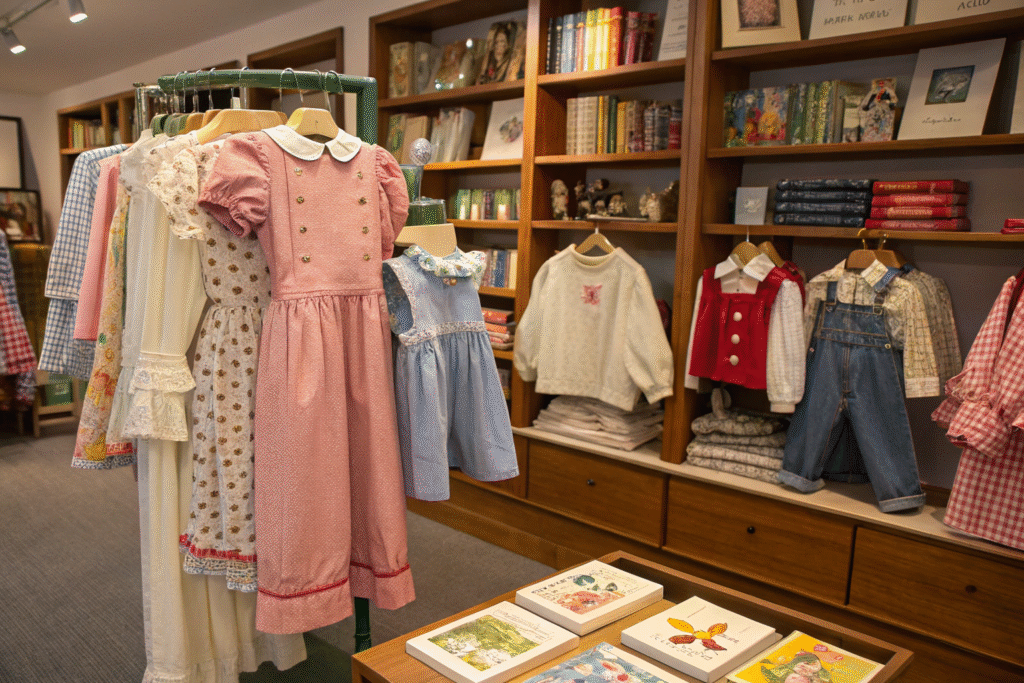
Growing awareness of fast fashion's environmental and ethical issues has prompted many parents to seek alternatives that align with their values. Vintage clothing offers a clear antithesis to fast fashion—it's already produced, requires no new resources, and often comes with provenance that reassures parents about ethical production conditions. The Fashion Revolution's consumer survey indicates that 70% of parents are concerned about fashion supply chain transparency, making vintage's "already exists" status particularly appealing. Additionally, vintage shopping allows parents to opt out of trend cycles that drive overconsumption, instead focusing on timeless style that works across seasons and occasions.
What Role Does Social Media Play in Vintage Popularity?
Platforms like Instagram and Pinterest have dramatically increased visibility and desirability of vintage children's clothing by creating communities around specific aesthetics and showcasing how vintage pieces integrate into contemporary childhoods. Influencers specializing in vintage style demonstrate how to mix vintage finds with contemporary basics, overcome practical concerns about sizing and care, and create distinctive family style through thoughtful vintage incorporation. According to Pinterest's trend predictions, searches for "vintage kids fashion" have increased 150% year-over-year, demonstrating how digital platforms drive discovery and normalization of vintage clothing for children. This social validation reduces perceived risk and increases comfort with vintage purchasing.
How Does Economic Value Influence Vintage Demand?
The economic advantages of vintage children's clothing address practical parenting concerns about clothing budgets while delivering perceived value beyond simple cost savings.
Vintage shopping offers financial benefits that extend beyond initial price points to include durability, resale potential, and emotional value that justify choosing pre-loved options over new alternatives.
What Cost Advantages Make Vintage Appealing?
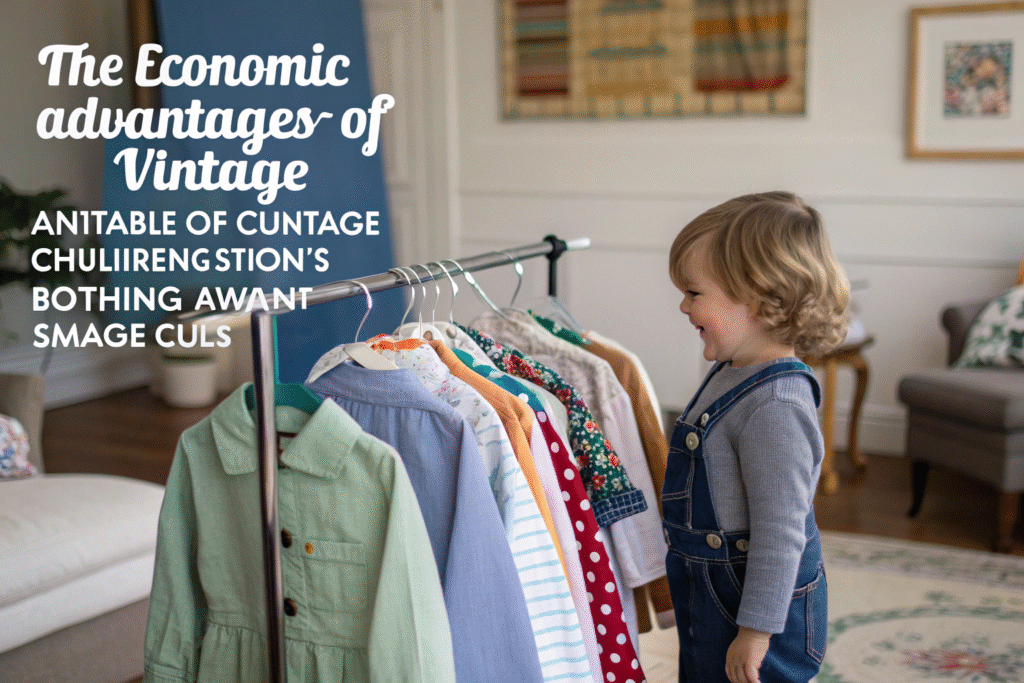
Well-preserved vintage children's clothing often costs significantly less than comparable quality new items while offering similar or superior craftsmanship. According to the National Association of Resale & Thrift Shops, quality vintage children's items typically sell for 30-70% less than equivalent quality new pieces from premium brands. This pricing advantage allows parents to dress children in higher-quality materials and construction than their budget might otherwise allow when shopping new. Additionally, the unique nature of vintage pieces means they're less likely to be immediately recognized as "budget" choices, avoiding potential stigma associated with discount contemporary clothing.
How Does Investment Perspective Support Vintage Purchases?
The durability and timeless style of quality vintage pieces means they often retain value better than contemporary fast fashion, supporting an investment perspective rather than disposable mentality. Well-chosen vintage items can frequently be resold for similar prices to their purchase costs, particularly for desirable brands, iconic styles, or special occasion wear. The RealReal's luxury resale report notes that children's vintage from certain premium brands retains 40-60% of its original value compared to 10-20% for contemporary fast fashion equivalents. This investment characteristic transforms vintage purchasing from consumption to curation, appealing to parents seeking to maximize clothing budgets while minimizing waste.
Conclusion
The growing demand for kids vintage clothing represents a convergence of environmental awareness, quality appreciation, emotional connection, and practical parenting considerations that collectively make vintage an increasingly attractive option for modern families. This trend reflects broader shifts in consumption values toward circularity, uniqueness, and conscious purchasing that extend beyond fashion into lifestyle choices. The vintage children's wear movement successfully addresses contemporary parenting concerns while offering distinctive style that stands apart from homogenized fast fashion.
As environmental concerns intensify and parents increasingly seek clothing with character and story, the vintage children's wear market appears positioned for continued growth. If you're developing vintage-inspired collections or need manufacturing partners who understand how to create contemporary clothing with vintage character and quality, contact our Business Director, Elaine, at elaine@fumaoclothing.com. Let's discuss how we can help you develop collections that capture vintage appeal while meeting contemporary safety, sizing, and performance standards that today's families expect.