
The seasonal spike in demand for kids' holiday wear—encompassing Christmas, Hanukkah, New Year's, Easter, Thanksgiving, and other cultural celebrations—is one of the most predictable and powerful cycles in the children's fashion industry. This isn't a simple fluctuation; it's a deeply rooted phenomenon driven by social rituals, emotional imperatives, and economic patterns. As a manufacturer, mastering this seasonality is not just about meeting demand, but about strategically positioning a brand to capture maximum value during these concentrated periods of high-intent purchasing.
The demand for kids holiday wear is seasonal because it is intrinsically tied to fixed calendar events that drive specific social and family rituals, creating a powerful, time-limited need for special attire that symbolizes celebration, tradition, and the creation of cherished family memories and photographs.
This cyclical demand presents both a lucrative opportunity and a complex operational challenge. Let's dissect the core drivers that create this annual "peak season" for special occasion children's clothing.
How Do Social Rituals and Family Traditions Drive Demand?
Holiday wear is purchased for a performance. The "stage" is the family gathering, the religious service, the holiday card photo, or the festive party. Clothing acts as a costume that signals participation in the ritual and adherence to tradition. This transforms it from a want into a perceived need.
Specific rituals create specific garment needs: Matching family pajamas for Christmas morning, "Nice" outfits for Thanksgiving dinner or visiting relatives, Easter dresses and suits for church, Festive sweaters for Ugly Sweater parties, and Glitzy attire for New Year's Eve. The garment becomes a tangible part of the memory itself, often documented in photos that are revisited for years.

Why is the "Family Photo" Such a Powerful Purchasing Catalyst?
The holiday card and family photo have become a cultural institution, heavily amplified by social media. Parents feel social and personal pressure to present a curated, joyful, and cohesive image of their family. Coordinated or complementary holiday outfits are a key tool in achieving this. This drives demand not just for one child's outfit, but for coordinated sibling sets and even matching adult-and-child pieces. The purchase is motivated by the desire for a perfect, shareable moment, making parents less price-sensitive during this period. Entire brands have been built on this premise, such as Hanna Andersson's iconic matching family pajamas.
How Do Generational Traditions Perpetuate Seasonal Cycles?
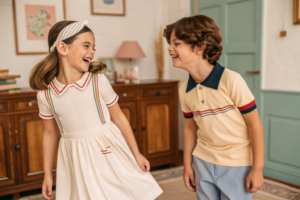
Tradition is self-reinforcing. A parent who received a special dress from their grandmother each Easter is likely to continue the ritual with their own child. This creates generational loyalty to specific styles (e.g., smocked bishop dresses for Easter, tartan for Christmas) and establishes a predictable, recurring purchase occasion. These traditions create an emotional "pull" rather than a marketed "push," ensuring demand returns year after year, often within the same stylistic parameters, providing brands with a stable foundation for design planning.
What Are the Psychological and Emotional Drivers Behind the Purchase?
Holiday purchases are emotionally charged, not logical. They are tied to nostalgia, joy, love, and sometimes, social pressure. This emotional context fundamentally changes consumer behavior, making the purchase about fulfilling a feeling, not just a functional need.
Key drivers include: Nostalgia (recreating the magic of one's own childhood), The Desire to Create "Magic" for one's children, Social Belonging (dressing the part for community events), and The "Gifting" Mentality—holiday wear is often purchased by grandparents or given as a gift, separating it from the household's regular clothing budget.
How Does "Aspirational Family Identity" Play a Role?
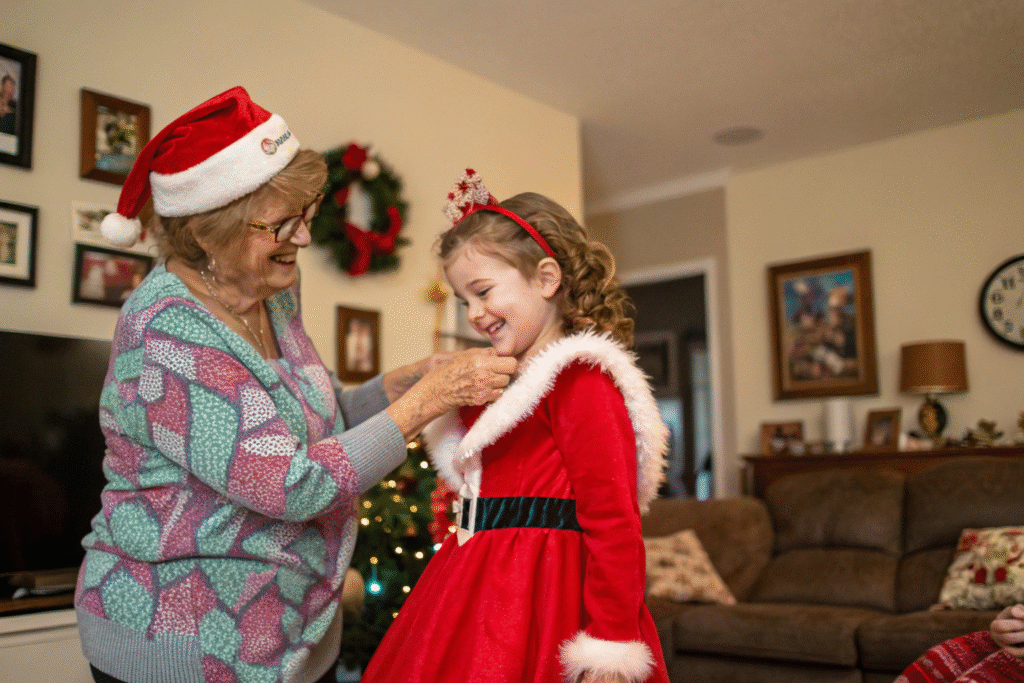
Holidays are a time when families project their ideal selves. The clothing chosen reflects the family's aesthetic and values—whether that's classic and traditional, modern and minimalist, or quirky and fun. The right outfit allows parents to visually communicate this identity to extended family and their social circles. This is why themed collections ("Rustic Lodge," "Winter Wonderland," "Cozy Cabin") perform so well; they sell a complete aesthetic story, not just a garment. Brands that understand this sell an aspirational experience.
Why is Gifting a Major Channel for Holiday Wear?
A significant portion of kids' holiday wear is purchased as gifts by relatives. Grandparents, aunts, and uncles look for special, beautiful items they wouldn't normally buy. This expands the market beyond the core parent customer and introduces different buying criteria: gift-givers prioritize perceived luxury, beautiful presentation, and "wow factor" over everyday practicality. This drives sales of more elaborate, decorative, and premium-priced items that might not sell as well during off-peak times. It also means marketing must extend to reach these gift-givers through channels they use.
How Does Seasonality Create Distinct Business Challenges and Opportunities?
For brands, this concentrated demand is a double-edged sword. It offers the chance for a significant portion of annual revenue in a short window, but also demands flawless execution in forecasting, inventory management, supply chain timing, and marketing.
The opportunity lies in commanding higher price points and margins due to the emotional, gift-oriented nature of purchases. The challenge is the risk of extreme overstock or devastating stockouts if forecasts are wrong. Success requires backward planning from the fixed holiday date with military precision.

What is the Critical Path Timeline for Holiday Collection Success?
To have inventory in stock by, say, early November for Christmas, the timeline is punishingly long:
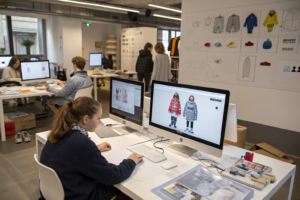
- Design & Development: January - April.
- Fabric Sourcing & Sampling: April - June.
- Bulk Production: July - September.
- Ocean Shipping & Customs: September - October.
- Warehouse Receipt & Launch: Late October.
This means brands and manufacturers are working on next year's holiday collection before this year's has even sold through. This long lead time requires confident forecasting and a strong partnership with a reliable manufacturer who will not delay this critical path.
How Can Brands Mitigate the Risk of Post-Holiday Deadstock?
The period immediately after the holiday is a graveyard for unsold festive wear. Smart strategies to mitigate this include:
- Pre-Orders: Launching the collection early (September/October) with a pre-order model to gauge demand before committing to full production quantities.
- Limited Editions & Capsule Sizes: Producing in more conservative, capped quantities to maintain exclusivity and scarcity.
- Strategic Promotions: Planning a clear markdown strategy for late December (e.g., "Post-Holiday Sale" for photo-friendly outfits that can be worn for New Year's).
- Diversification: Including some non-date-specific winter items (e.g., a red sweater that works for Christmas but also all winter) in the holiday collection to carry forward.
How Are Marketing and Commerce Strategies Tailored to This Peak?
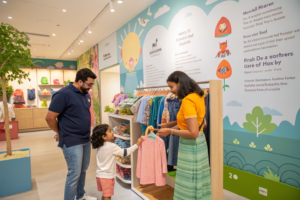
Marketing for holiday wear must create urgency and tap into the specific emotions of the season. It's less about product features and more about selling the outcome—the happy child, the perfect photo, the cherished memory.
Effective strategies leverage seasonal nostalgia in imagery, create gift guides curated for different family members, utilize countdown calendars and early-bird discounts to drive pre-holiday sales, and leverage user-generated content (UGC) campaigns encouraging customers to share their holiday photos.

Why is "Ugly Sweater" or Themed Wear a Sub-Category Phenomenon?
The rise of "Ugly Christmas Sweater" parties and similar themed events has created a distinct, sometimes humorous sub-category of holiday wear. This trend democratizes holiday fashion, making it more about fun and participation than formality. It allows brands to experiment with bold prints, kitsch, and pop-culture references, attracting a different customer segment. This shows how holiday demand can fragment into niche trends, each with its own lifecycle and audience, from high-end velvet dresses to playful, light-up graphic sweaters.
How Do E-commerce and Logistics Prepare for the Holiday Rush?
The peak demands flawless operational execution. Brands must:
- Fortify Websites: Ensure e-commerce platforms can handle high traffic and transaction volume.
- Clarify Shipping Deadlines: Prominently display cut-off dates for guaranteed delivery before the holiday.
- Scale Customer Service: Prepare for a flood of sizing and delivery inquiries.
- Plan Returns Surge: Have a process for the inevitable post-holiday returns of gifted items that don't fit.
This operational crunch tests the entire business, making reliability a key competitive advantage.
Conclusion
The seasonality of kids' holiday wear demand is a powerful, multi-faceted engine driven by timeless human needs for ritual, tradition, and connection. It transforms children's clothing from a practical commodity into an emotional artifact, creating a market defined by high intent, emotional spending, and intense time pressure. For brands, succeeding in this space requires more than just making festive clothes; it demands an anthropological understanding of family traditions, a psychologist's insight into emotional drivers, and a strategist's precision in planning and execution.
For manufacturers like Fumao Clothing, this means being the dependable, agile partner that brands can rely on to execute complex, detail-oriented holiday collections on a unforgiving timeline. We help brands navigate the long lead times and quality demands of producing special occasion wear that lives up to the magic of the moment. If you're planning to capture your share of the seasonal spotlight, partner with a manufacturer who understands the stakes. Contact our Business Director, Elaine, at elaine@fumaoclothing.com to craft a holiday collection that families will remember.