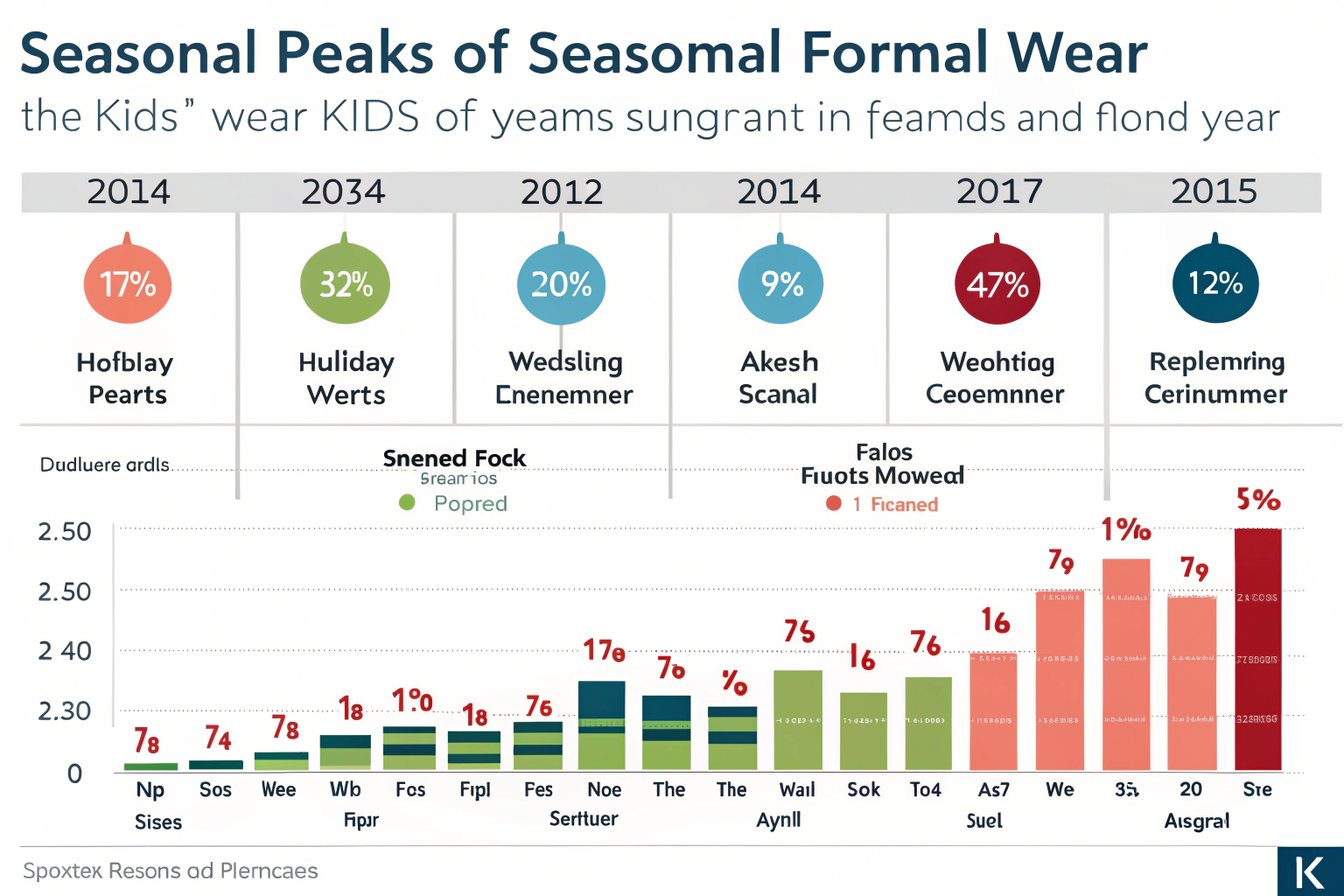
The children's formal wear market operates on a unique cycle that combines strong seasonal peaks with remarkable predictability, creating both challenges and opportunities for brands and retailers. Unlike everyday children's clothing that experiences more consistent demand, formal wear follows patterns tied to social calendars, cultural traditions, and seasonal celebrations.
The demand for kids formal wear is seasonal but predictable because it aligns with fixed social and religious calendars, follows school and holiday schedules, connects to family celebration patterns, and responds to photographic occasions that cluster during specific periods. This predictability allows for strategic inventory planning and targeted marketing despite the pronounced seasonality.
Understanding the specific drivers behind formal wear seasonality enables brands to optimize their design, production, and marketing cycles to capitalize on predictable demand spikes while managing inventory risk during slower periods. The consistency of these patterns year after year creates a framework that successful brands learn to navigate effectively. Let's explore the specific factors that create this seasonal yet predictable demand pattern.
How do social and religious calendars drive seasonal demand?
Social and religious traditions create the foundation for formal wear seasonality, with specific occasions consistently requiring dressy clothing for children across different cultures and regions. These fixed dates create reliable demand patterns.
Social and religious calendars drive seasonal demand through holiday celebrations requiring special attire, religious ceremonies with traditional dress expectations, wedding seasons that create flower girl and ring bearer needs, and cultural festivals with specific clothing traditions. These occasions recur at the same time each year, creating predictable purchasing cycles.
What specific religious occasions create formal wear demand?
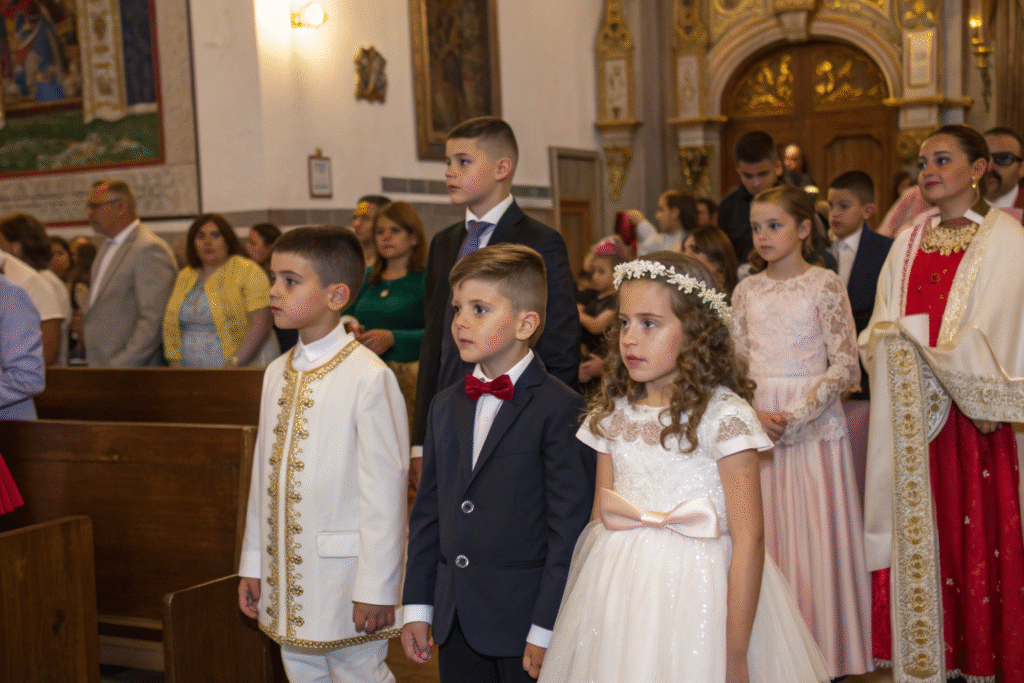
Major religious celebrations like Christmas, Easter, Ramadan, Diwali, and Hanukkah consistently generate formal wear demand as families attend religious services and celebratory gatherings. First Communion season in spring drives significant formal wear purchases in Christian communities, while Chinese New Year creates demand for traditional formal attire in Asian markets. These religious occasions are fixed to specific calendar periods or follow predictable lunar cycles, allowing brands to anticipate demand spikes. The consistency of these religious calendars means that the same periods generate formal wear demand year after year.
How does wedding seasonality impact children's formal wear?
The wedding industry's pronounced seasonality—typically peaking in spring and early summer, with a secondary peak in early fall—directly impacts children's formal wear as young family members participate as flower girls, ring bearers, and junior bridesmaids. Wedding dates are typically set 6-18 months in advance, creating early indicators of demand. Additionally, destination weddings during winter months create off-season formal wear needs in warmer climates. The predictability of wedding planning cycles allows formal wear brands to align their production and marketing with these patterns.
How do school schedules and holidays create predictable patterns?
The academic calendar structures family life in ways that directly influence formal wear purchasing, with specific school-related occasions consistently requiring dressy clothing at the same times each year.
School schedules and holidays create predictable patterns through back-to-school events requiring new formal outfits, end-of-year ceremonies and graduations, holiday concerts and performances, and school formals or proms for older children. These school-related occasions follow the academic calendar with remarkable consistency.
What school occasions drive the most formal wear purchases?
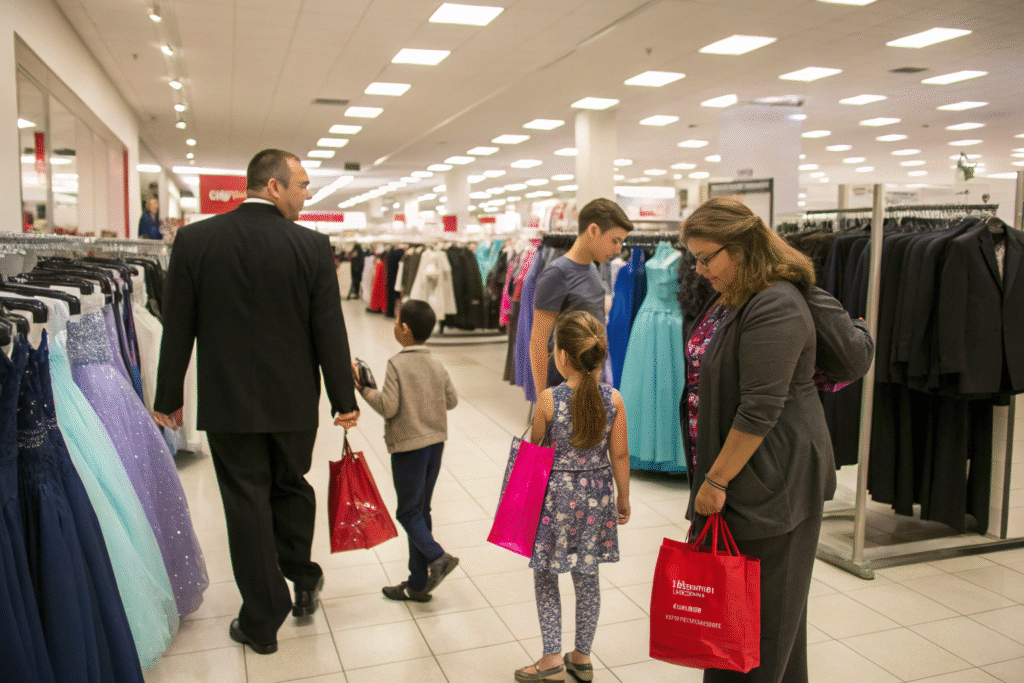
The back-to-school period generates significant formal wear demand as parents purchase clothing for school photos, orientation events, and the beginning of the academic year. Spring brings graduation ceremonies, awards events, and prom for older students, while December generates demand for holiday concerts and pageants. These school-related occasions are so predictable that retailers can plan formal wear promotions and inventory around them with high confidence. The consistency of the school calendar—typically unchanged from year to year—makes these among the most reliable demand drivers.
How does the academic calendar influence purchasing timing?
Parents typically purchase formal wear 2-4 weeks before major school events, creating predictable sales spikes that retailers can anticipate. For example, back-to-school formal wear purchases concentrate in late July and early August, while spring event purchasing peaks in March and April. This predictable lead time allows for strategic inventory planning and targeted marketing campaigns. Retailers who understand these patterns can ensure adequate stock during peak periods while avoiding overstock during slower months.
Why are family celebrations clustered in specific seasons?
Family celebrations follow seasonal patterns influenced by weather, school schedules, and cultural traditions, creating clusters of formal wear occasions during predictable periods.
Family celebrations are clustered in specific seasons due to weather considerations favoring outdoor events in milder months, holiday gatherings during traditional celebration periods, family reunions scheduled around school breaks, and milestone birthdays and anniversaries that families often celebrate during convenient times. These clustering patterns make formal wear demand both seasonal and predictable.
How do weather patterns influence celebration timing?
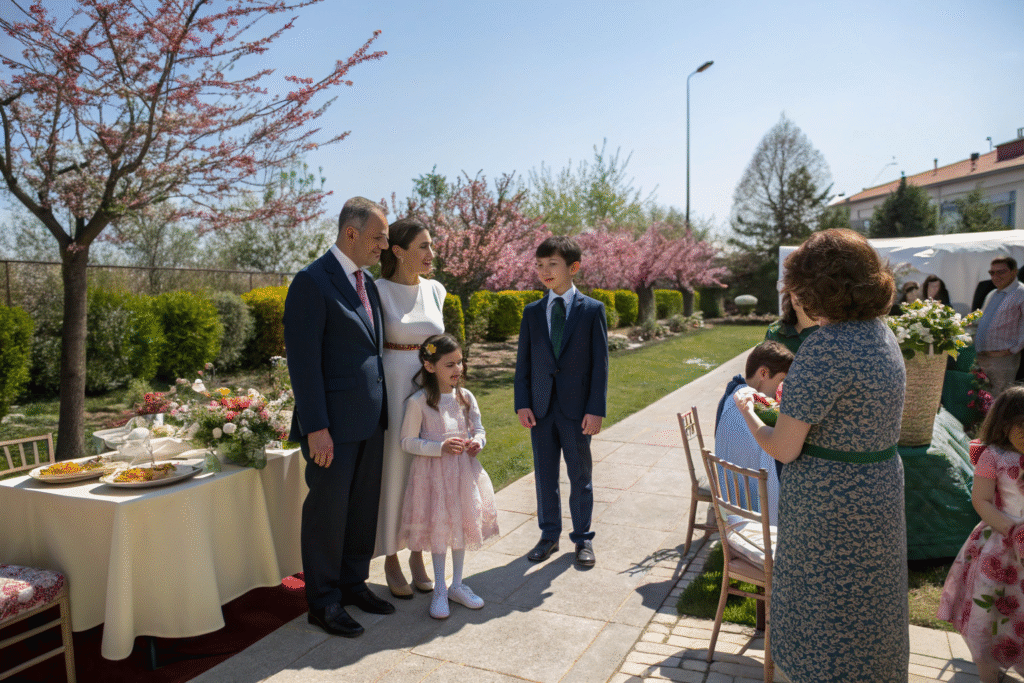
Seasonal weather conditions significantly impact when families schedule formal events, with temperate spring and fall months favored for occasions like weddings, christenings, and family reunions. Summer offers vacation periods that facilitate family gatherings, while winter holidays create natural celebration clusters. These weather-influenced patterns are remarkably consistent across regions, with only slight variations based on local climate. Formal wear retailers can track these patterns in their specific markets to anticipate demand fluctuations.
What role do school breaks play in celebration clustering?
Major family celebrations often align with school vacation periods when children are available to participate and families can travel more easily. This creates demand peaks for formal wear during summer, winter, and spring breaks. The timing of these breaks varies minimally from year to year, creating predictable formal wear demand patterns. Additionally, three-day holiday weekends often host family celebrations, creating smaller, more frequent demand spikes throughout the year that retailers can anticipate.
How does the photography industry influence formal wear purchasing?
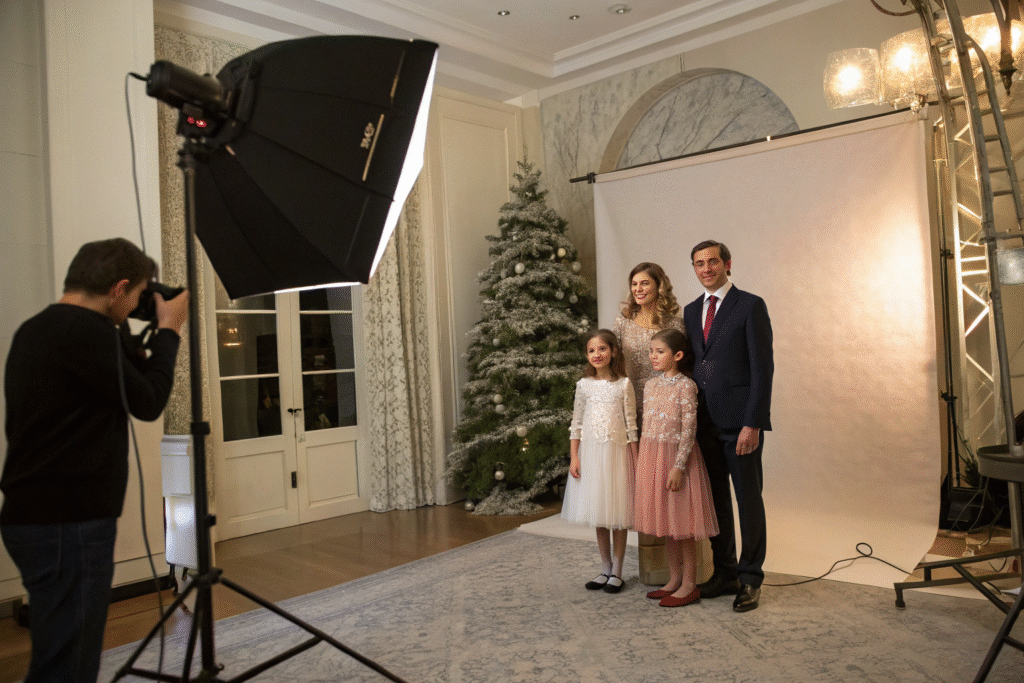
The professional photography industry follows seasonal patterns that directly influence formal wear demand, as families schedule portrait sessions during specific times and for special occasions.
The photography industry influences formal wear purchasing through seasonal portrait sessions, holiday card photo shoots, special occasion photography, and school picture days that require specific clothing choices. These photography occasions create consistent formal wear demand patterns.
What photographic occasions drive formal wear sales?
Family portrait seasons peak in spring and fall when outdoor settings are most attractive, driving purchases of coordinating formal outfits. Holiday card photo sessions in October and November generate formal wear demand, as do special occasion photos for birthdays, anniversaries, and religious milestones. School picture days, though less formal, still prompt purchases of dressier clothing than everyday wear. These photographic occasions are often scheduled months in advance, providing early indicators of formal wear demand.
How can retailers leverage photography partnerships?
Forward-thinking formal wear retailers establish partnerships with photography studios and school portrait companies to cross-promote during peak seasons. These partnerships can include styled shoots showcasing formal wear, special offers for photography clients, and co-marketed content that reaches families when they're thinking about both photography and clothing. By aligning with the predictable cycles of the photography industry, formal wear retailers can capture demand at its source.
What makes this seasonal demand predictable rather than random?
The predictability of formal wear demand stems from multiple reinforcing factors that create consistent patterns year after year, allowing businesses to forecast with reasonable accuracy.
Seasonal demand is predictable rather than random because it follows fixed annual calendars, aligns with advance-planned events, responds to consistent cultural patterns, and reflects purchasing behaviors that show little variation in timing from year to year. This predictability enables strategic business planning.
How do advance planning cycles create predictability?
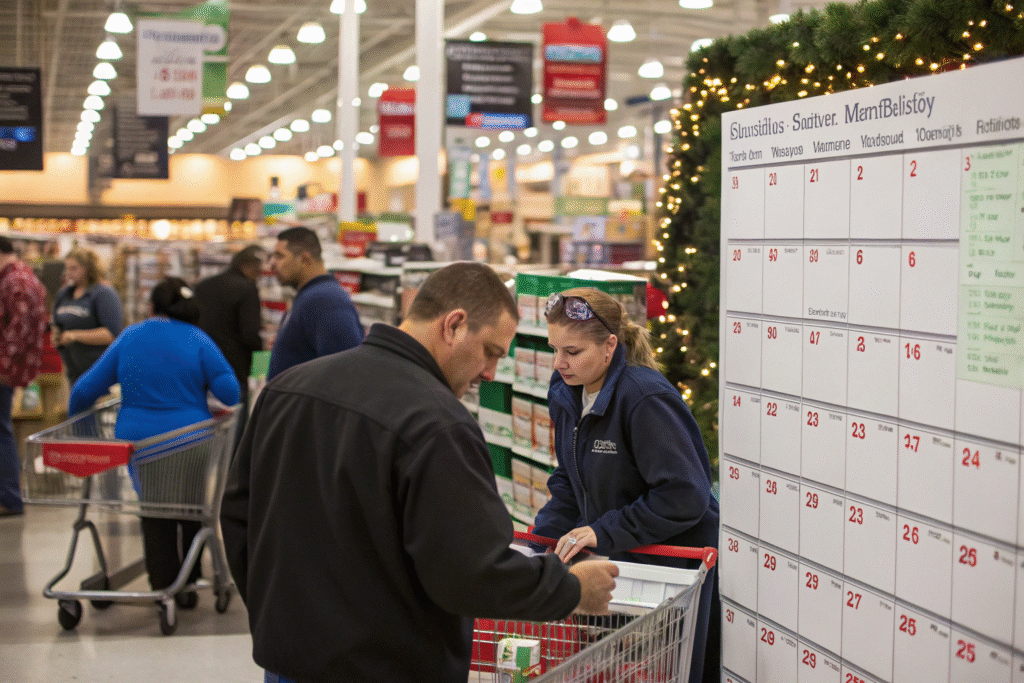
Formal events like weddings, religious ceremonies, and school functions are typically planned months or even years in advance, creating early visibility into formal wear demand. This advance planning allows retailers to track booking patterns as leading indicators. For example, wedding bookings peak 12-18 months before the ceremony date, providing early signals about flower girl and ring bearer attire needs. Similarly, school event calendars are typically set 6-12 months in advance, giving retailers clear demand forecasts.
Why do consumer purchasing habits show consistent timing?
Research shows that consumers demonstrate remarkably consistent timing for seasonal purchases, with formal wear shopping occurring during the same calendar periods each year. Back-to-school formal wear purchases concentrate in late summer, holiday attire shopping peaks in November, and spring event purchasing clusters in March. These patterns show minimal variation from year to year, allowing retailers to plan inventory, staffing, and marketing around predictable demand curves. The consistency of these consumer behavior patterns is what ultimately makes formal wear demand both seasonal and predictable.
Conclusion
The seasonal yet predictable nature of kids formal wear demand creates a unique market dynamic that savvy brands and retailers can leverage for business advantage. By understanding the specific drivers behind this seasonality—social and religious calendars, school schedules, family celebration patterns, and photography cycles—businesses can anticipate demand fluctuations and optimize their operations accordingly.
The predictability of these patterns allows for strategic inventory management, targeted marketing campaigns, and efficient production planning that minimizes risk while maximizing opportunity during peak seasons. Rather than viewing seasonality as a challenge, successful formal wear businesses treat it as a framework for strategic planning.
This predictable seasonality also creates opportunities for innovation, such as rental services that capitalize on occasional-use patterns or subscription models that provide fresh formal wear for each season's events. By deeply understanding why and when demand occurs, businesses can develop creative approaches to serving the formal wear market.
Ready to optimize your kids formal wear business for predictable seasonal demand? Our expertise includes production planning and inventory management strategies that align with formal wear seasonality. Contact our Business Director, Elaine, at elaine@fumaoclothing.com to discuss how we can help you capitalize on the predictable patterns of the formal wear market.