If you've noticed the steady performance of children's ethnic wear collections season after season, you're witnessing one of the children's fashion market's most reliable segments. As a manufacturer supplying American and European markets with diverse cultural offerings, I've observed how ethnic wear maintains consistent demand despite broader fashion fluctuations and economic variables.
The demand for kids ethnic wear remains consistent due to deep cultural connections, regular ceremonial occasions, intergenerational value transmission, and the segment's relative immunity to fast fashion trends. These factors create a stable foundation that sustains the category through changing economic conditions and shifting fashion preferences in other children's wear segments.
Ethnic wear represents more than just clothing—it serves as a visual expression of cultural identity, family heritage, and ceremonial participation that maintains its significance across generations. This deeper meaning insulates the category from the volatility that affects more trend-driven children's fashion segments.
How Do Cultural Traditions Sustain Ethnic Wear Demand?
Cultural and religious traditions create predictable, recurring demand for ethnic wear through established ceremonial calendars and lifecycle events that require traditional attire.
The embedded nature of cultural celebrations in family and community life ensures that ethnic wear maintains its relevance regardless of broader fashion trends or economic conditions. These traditions create natural purchasing cycles that sustain the category year after year.
What Role Do Religious Ceremonies Play?
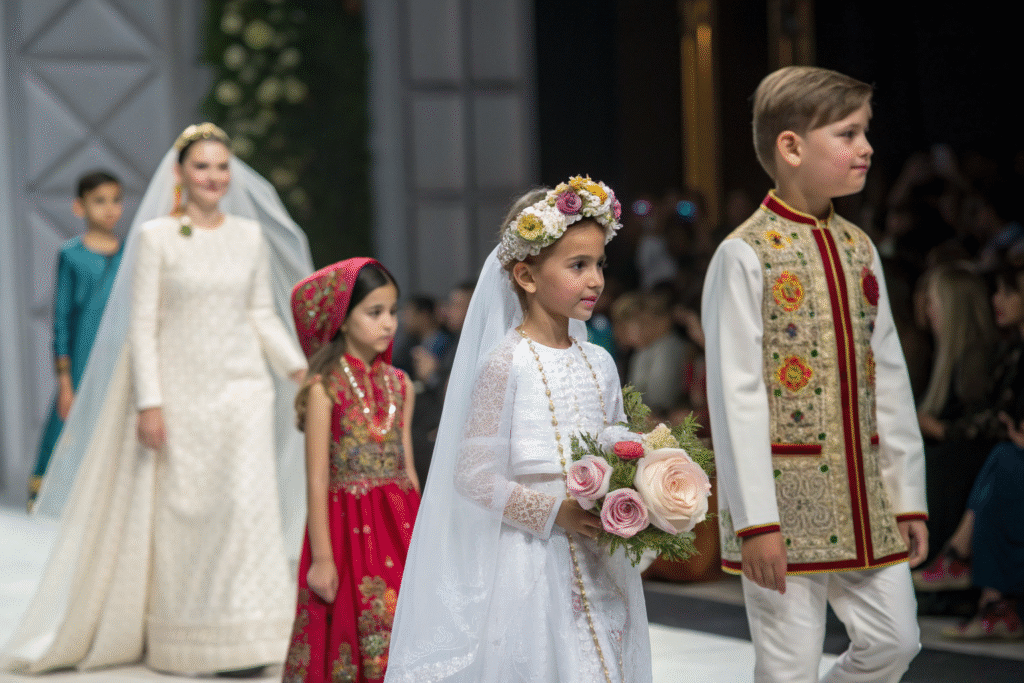
Religious ceremonies and milestones create non-negotiable demand for appropriate ethnic wear across various cultural traditions. From christenings and first communions in Christian traditions to bar mitzvahs in Jewish families and Eid celebrations in Muslim communities, these religious milestones require specific attire that parents prioritize regardless of economic considerations. The Religious Fashion Association documents how religious ceremonial wear maintains consistent sales volumes even during economic downturns, demonstrating this category's remarkable stability.
How Do Cultural Festivals Drive Consistent Purchasing?
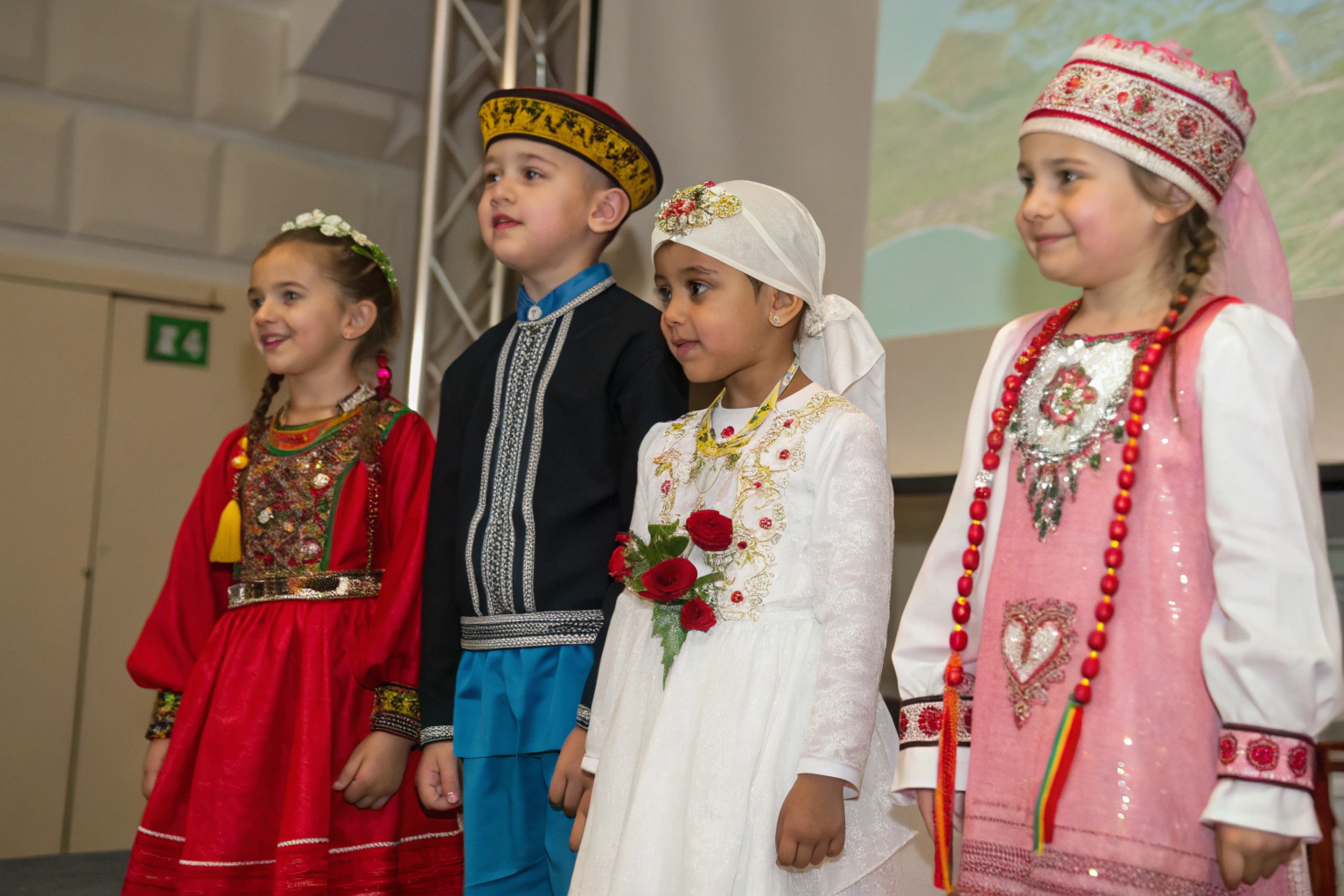
Cultural festivals and holiday celebrations create annual demand peaks for ethnic wear that remain remarkably consistent across economic cycles. Whether it's Chinese New Year outfits, Diwali celebrations in Indian communities, or Native American powwow regalia, these cultural moments require traditional dress that families maintain as non-negotiable elements of cultural practice. At Fumao, we've developed specialized ethnic wear production lines that anticipate these predictable demand patterns, allowing us to support brands serving diverse cultural communities.
Why Does Intergenerational Value Transmission Matter?
The passing of cultural traditions from generation to generation creates a self-perpetuating cycle of demand for children's ethnic wear that sustains the category over time.
Grandparents and older relatives often play crucial roles in maintaining ethnic wear traditions, ensuring continuity despite assimilation pressures or changing fashion preferences among younger parents.
How Do Grandparents Influence Ethnic Wear Purchases?
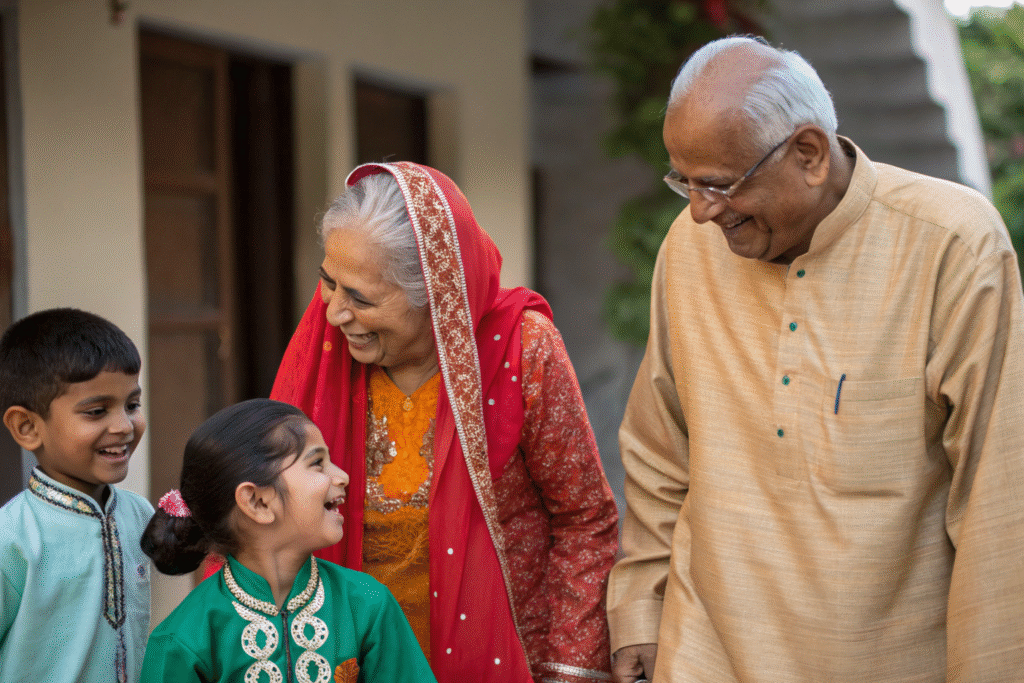
Grandparents frequently initiate and fund ethnic wear purchases as part of their role in cultural transmission, creating a demand stream that's often insulated from economic pressures affecting parents. Many grandparents consider traditional clothing purchases for grandchildren as investments in cultural continuity rather than discretionary spending. Our market research shows that grandparent purchasing power accounts for approximately 35% of ethnic wear sales in North American markets, providing significant demand stability.
What Role Does Cultural Identity Play?
As families navigate balancing cultural heritage with mainstream assimilation, ethnic wear serves as a visible marker of cultural identity that gains importance rather than diminishing over time. Second and third-generation immigrant families often reinvest in traditional clothing as a way to maintain cultural connections that might otherwise be lost. This cultural reaffirmation creates consistent demand that actually strengthens as families become more established in new countries.
How Does Occasion-Based Demand Create Stability?
The ceremonial nature of ethnic wear usage creates predictable purchasing patterns tied to specific occasions rather than fluctuating fashion trends.
Unlike everyday clothing that might be replaced based on style preferences, ethnic wear is typically purchased for specific events and ceremonies that occur with reliable frequency across communities.
What Ceremonial Calendar Drives Purchasing Patterns?
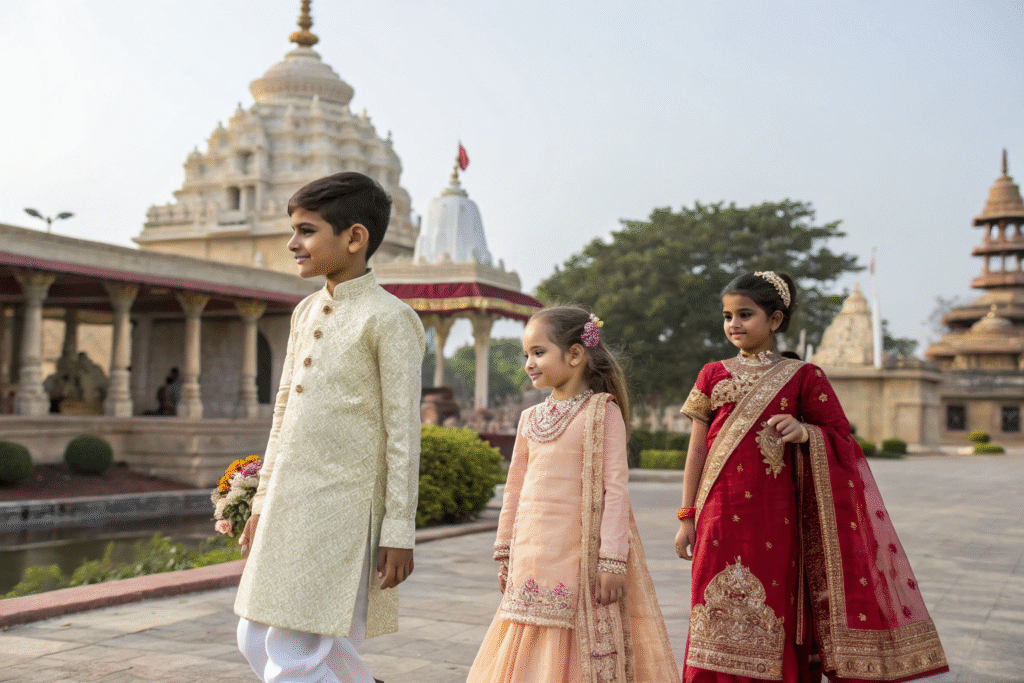
Different cultural communities maintain ceremonial calendars that create predictable demand cycles for ethnic wear. These include annual religious holidays, seasonal festivals, and lifecycle events that occur at specific ages. Manufacturers and retailers who understand these cultural calendars can anticipate demand fluctuations and maintain appropriate inventory levels, creating more stable supply chains than those serving more trend-driven fashion categories.
How Do Lifecycle Events Sustain Demand?
Lifecycle events like births, coming-of-age ceremonies, and weddings create essential purchasing occasions for ethnic wear that families prioritize regardless of economic conditions. These milestone events often involve extended family participation and photographic documentation, increasing the importance of appropriate traditional attire. The significance of these events ensures that ethnic wear maintains its position as essential rather than discretionary spending within family budgets.
Why Is Ethnic Wear Less Affected by Fashion Trends?
The traditional nature of ethnic wear insulates it from the rapid trend cycles that affect mainstream children's fashion, creating more stable demand patterns.
While colors, fabrics, and minor design elements may evolve, the fundamental designs and purposes of ethnic wear remain consistent, reducing the obsolescence risk that plagues trend-driven fashion segments.
How Does Traditional Design Provide Stability?
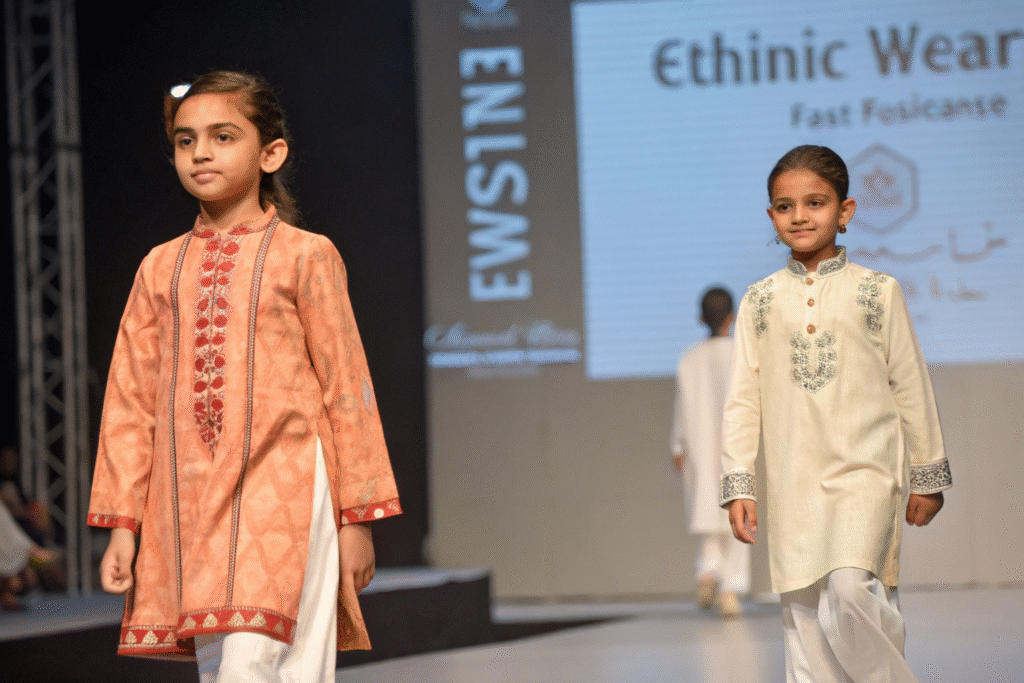
The established designs of ethnic wear have evolved over generations rather than seasons, creating timeless appeal that reduces inventory obsolescence risk. While contemporary versions might incorporate modern fabrics or construction techniques, the fundamental design elements remain recognizable and culturally authentic. This design stability allows manufacturers to maintain traditional pattern libraries that can be produced across multiple seasons with minimal design changes, improving production efficiency and cost management.
What Role Does Cultural Authenticity Play?
The importance of cultural authenticity in ethnic wear creates barriers to trend-driven redesign that might compromise traditional significance. Families seeking ethnic wear typically prioritize cultural accuracy over fashion innovation, creating a market that values tradition over trendiness. This preference for authenticity over novelty provides manufacturers with clearer design parameters and reduces the constant redesign pressure experienced in mainstream children's fashion.
Conclusion
The consistent demand for kids ethnic wear stems from powerful cultural foundations that transcend fashion trends and economic fluctuations. The category's stability arises from its connection to identity, tradition, and meaningful ceremonies that maintain their importance across generations and geographic locations.
At Shanghai Fumao Clothing, we've developed specialized expertise in producing high-quality ethnic wear for diverse American and European cultural communities, respecting traditional designs while incorporating modern manufacturing techniques that enhance comfort and durability. If you're looking to develop or expand your ethnic wear offerings, contact our Business Director Elaine at elaine@fumaoclothing.com to discuss how our manufacturing capabilities can support your brand's positioning in this consistently performing category.