The children's designer clothing market demonstrates remarkable resilience and consistent demand despite economic fluctuations and changing fashion trends. As manufacturers who work with both mainstream and designer children's brands, we observe the unique factors that sustain this premium segment.
The demand for kids designer clothing remains consistent due to emotional purchasing drivers, aspirational branding, superior quality and craftsmanship, social signaling value, and investment mentality among affluent parents. Unlike adult luxury fashion that may be influenced by fleeting trends, children's designer clothing taps into deeper psychological and practical motivations that maintain steady demand across economic cycles. The segment benefits from parents' desire to express love, values, and social status through their children's appearance while investing in quality that can be passed to younger siblings or resold.
How Do Emotional Drivers Sustain Designer Clothing Demand?
The purchase of designer children's clothing is fundamentally emotional, connecting to parents' deepest feelings about their children and their role as providers.
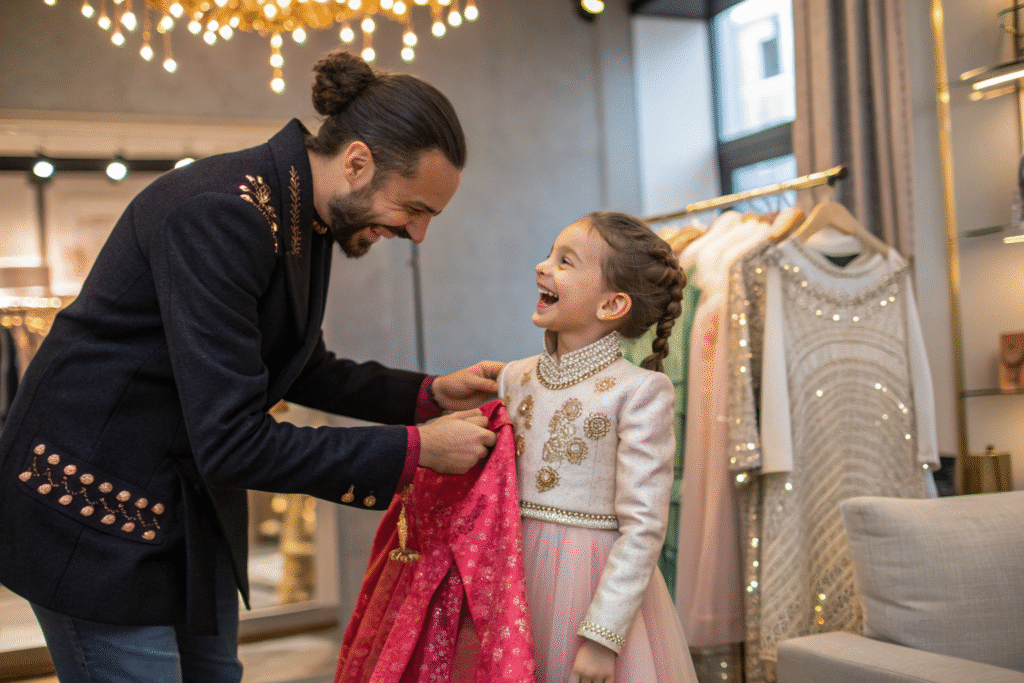
Parents experience powerful emotions when purchasing for their children, and designer clothing serves as a tangible expression of love, celebration, and the desire to provide the very best. These emotional drivers remain consistent regardless of economic conditions because they tap into fundamental aspects of parenting identity and emotional experience. The act of dressing children in designer clothing becomes a ritual of care and celebration that transcends practical clothing needs.
What Psychological Factors Make Designer Purchases Compelling?
The psychology of parenting includes powerful motivations like nesting instinct, celebration of milestones, and the desire to create perfect childhood experiences. According to research published in the Journal of Consumer Psychology, emotional purchases for children generate 3-5 times stronger positive emotions than practical purchases for adults. Designer children's clothing serves as a visible manifestation of these feelings, allowing parents to express their love and commitment through curated aesthetics and recognized quality. Special occasions like birthdays, holidays, and family events trigger these emotional purchases consistently throughout childhood, creating recurring demand rather than one-time acquisitions.
How Does the "Perfect Childhood" Aspiration Drive Consistency?
Many parents aspire to create an idealized childhood experience for their children, and designer clothing represents one accessible element of this aspiration. Even when other aspects of perfect childhood may be challenging to achieve, dressing children in beautiful, high-quality clothing provides a tangible daily reminder of parental devotion. The Child Development Institute notes that clothing choices often reflect parents' hopes and dreams for their children's experiences. This aspirational dimension maintains demand because it connects to fundamental parenting motivations that remain consistent despite external economic factors.
What Role Does Quality and Craftsmanship Play in Sustained Demand?
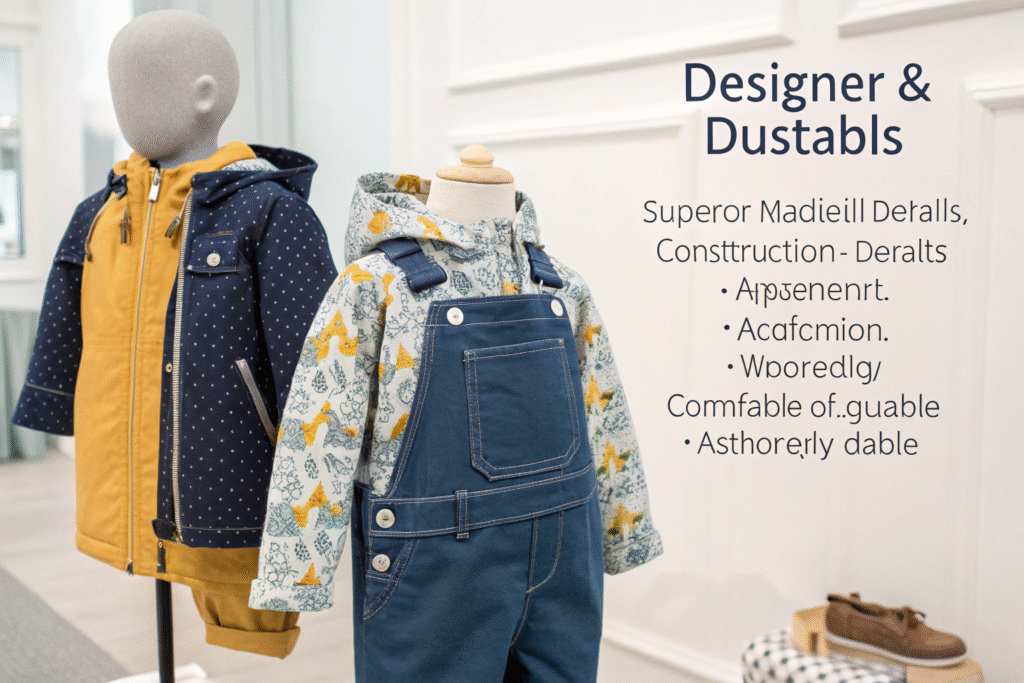
Designer children's clothing typically offers superior materials, construction, and attention to detail that justify premium pricing while delivering practical benefits parents value.
The quality proposition in children's designer wear extends beyond aesthetics to include durability, comfort, and thoughtful design features that address practical parenting concerns. This functional superiority creates rational justifications for emotional purchases, supporting consistent demand from parents who perceive designer clothing as better investments than fast fashion alternatives.
How Does Durability Support the Investment Narrative?
Designer children's clothing typically features reinforced construction, higher-quality fabrics, and better finishing that extends garment life, supporting the perception of value despite higher initial cost. According to the International Association of Clothing Designers, properly constructed designer garments can withstand 2-3 times more wear and washing cycles than fast fashion equivalents. This durability is particularly valuable for children's clothing, which faces rigorous use and frequent laundering. The ability to pass designer items between siblings or resell them through premium consignment platforms like The RealReal's children's section creates a practical investment narrative that sustains demand among cost-conscious luxury shoppers.
What Design Innovations Differentiate Designer Children's Wear?
Designer brands often incorporate specialized features that address specific children's needs while maintaining aesthetic excellence. This might include growth-friendly designs, adaptive elements for different abilities, or innovative closures that simplify dressing. Brands like Jacadi and Bonpoint have built loyal followings by combining exquisite craftsmanship with understanding of children's practical requirements. These functional innovations, combined with superior materials like GOTS-certified organic cottons and delicate embroideries, create tangible differentiators that maintain demand among discerning parents who appreciate both form and function.
How Does Social Signaling Influence Consistent Purchasing?
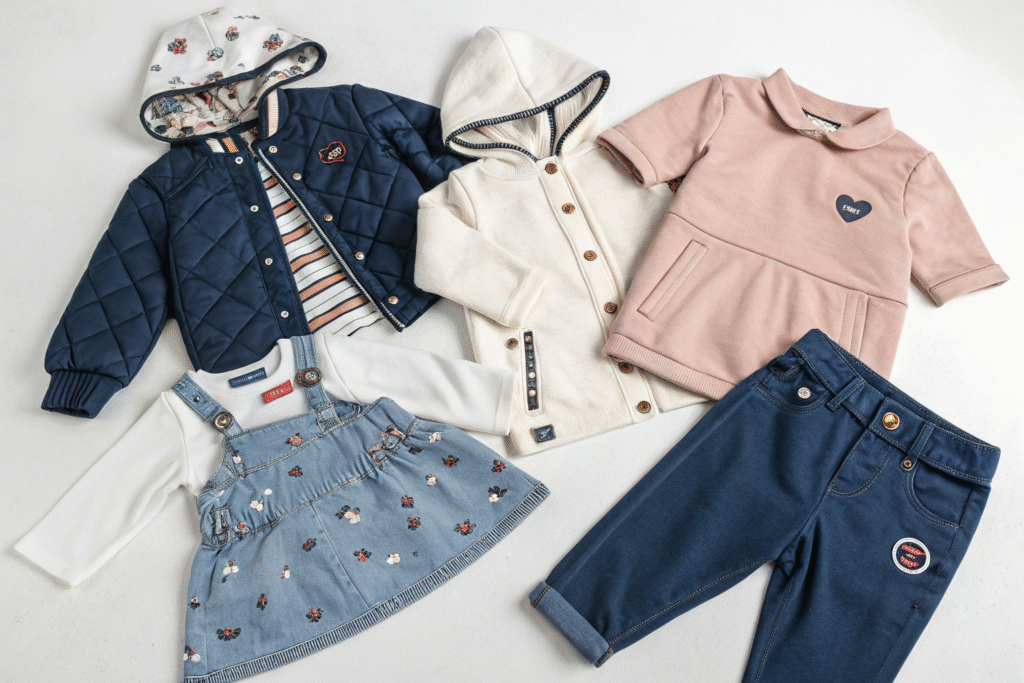
Designer children's clothing serves as visible social signaling that communicates family identity, values, and status within communities.
In an increasingly competitive social environment, children's clothing choices communicate subtle messages about family aesthetics, values, and socioeconomic position. This social signaling function ensures consistent demand because these communications remain important regardless of economic conditions, though the specific brands signaling desired attributes may evolve over time.
What Social Messages Does Designer Children's Wear Communicate?
Children's designer clothing signals various family attributes including aesthetic sophistication, financial success, attention to detail, and particular values like environmental consciousness or cultural awareness. Research from the Journal of Consumer Culture indicates that children's fashion choices often reflect parental identity projection and community affiliation desires. In specific social contexts like private schools, exclusive neighborhoods, or professional communities, designer children's wear becomes part of the expected presentation that facilitates social belonging. This social function ensures consistent demand because maintaining these community connections remains important through economic fluctuations.
How Does "Trickle-Across" Influence Maintain Demand?
Unlike traditional trickle-down fashion theory where trends move from upper to lower classes, children's designer fashion often operates on a "trickle-across" model where trends spread within socioeconomic peers. Parents observe what other children in their social circles are wearing and seek similar items to ensure their children fit in while maintaining individual style. The Fashion Theory Journal notes that this peer-level influence creates consistent demand within social networks as families refresh wardrobes to maintain current appearances. This social dynamic sustains demand because the reference group remains constant even as specific styles evolve.
What Business Strategies Ensure Designer Segment Stability?
Designer brands employ specific business strategies that maintain consistent demand through limited distribution, brand storytelling, and creating perceived scarcity.
The business models of successful children's designer brands incorporate elements that sustain demand rather than following the boom-bust cycles of fast fashion. These strategic approaches create stable businesses that can weather economic uncertainty while maintaining brand equity and customer loyalty.
How Does Controlled Distribution Maintain Exclusivity?
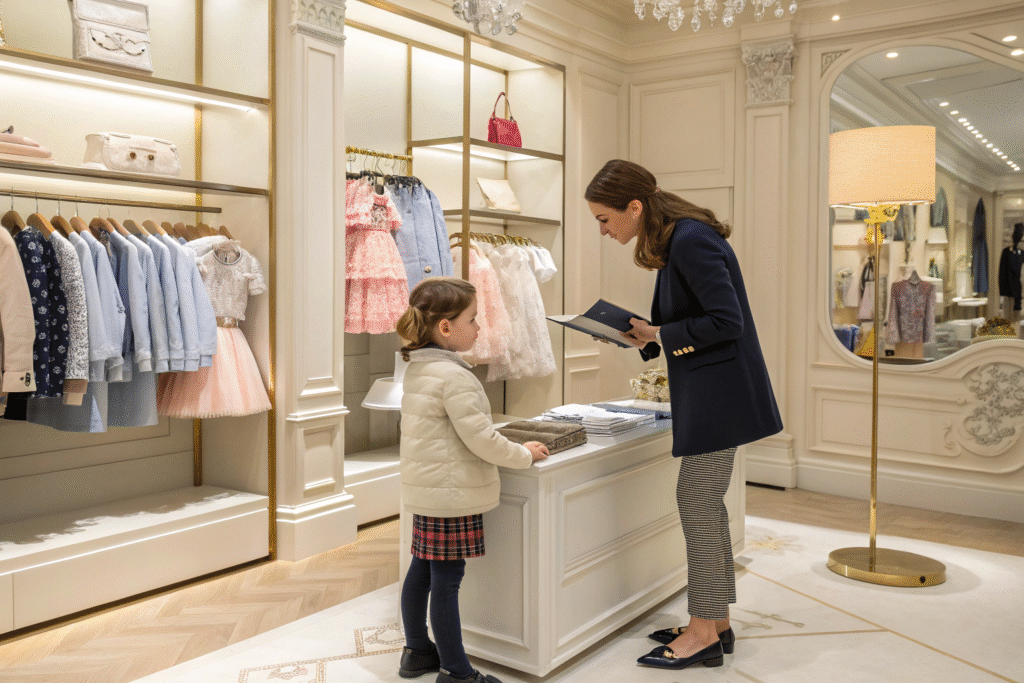
Designer children's brands typically limit distribution to their own boutiques, exclusive department stores, or authorized specialty retailers rather than mass distribution. This controlled availability maintains perception of exclusivity while preventing discounting that could damage brand equity. According to the Harvard Business Review's luxury brand analysis, selective distribution increases perceived value by 25-40% compared to widely available premium products. For children's designer wear, this approach ensures that demand remains consistent among the target demographic who values exclusivity and is willing to seek out specialized retailers.
What Role Does Brand Heritage Play in Sustaining Appeal?
Many successful children's designer brands leverage multi-generational storytelling that connects current purchases to tradition and longevity. Heritage brands like Burberry Children and Little Dudes & Divas emphasize their history and consistent quality standards across generations. This heritage narrative resonates particularly well with parents who may have worn similar brands as children or who value tradition in an increasingly fast-paced world. The Journal of Brand Management notes that heritage brands typically experience 30% less demand volatility during economic downturns because their narrative provides emotional comfort and perceived stability.
Conclusion
The consistent demand for kids designer clothing stems from powerful emotional drivers, practical quality considerations, social signaling functions, strategic business models, and investment mentalities that collectively create a stable market segment. Unlike adult luxury fashion that may be influenced by fleeting trends or economic uncertainty, children's designer wear taps into fundamental aspects of parenting identity, social belonging, and practical value that remain relevant across business cycles.
The most successful designer children's brands understand that they're selling not just clothing but emotional experiences, social positioning, and practical solutions that justify their premium positioning. If you're developing a designer children's collection and need manufacturing partners who understand the quality standards, attention to detail, and craftsmanship this demanding segment requires, contact our Business Director, Elaine, at elaine@fumaoclothing.com. Let's discuss how we can help you create designer collections that deliver the excellence discerning parents expect while building brand equity that sustains demand through changing market conditions.