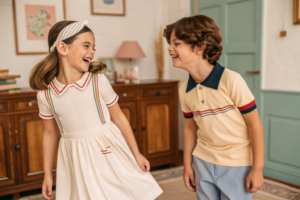
The children's wear landscape is shifting from standardized sizing to personalized expression. Today, parents and brands are moving beyond the generic dinosaur tee or princess dress, seeking unique, custom-made pieces that tell a story, celebrate individuality, or strengthen community ties. As a manufacturer at the forefront of this trend, I see this not as a niche, but as a fundamental evolution in how we think about dressing our children.
The demand for kids customized apparel is increasing because it meets the modern consumer's desire for personalization, allows for unique brand storytelling, serves the booming "gig economy" of kid influencers and teams, and is enabled by advances in digital printing and flexible manufacturing technologies.
This movement is being driven by powerful social, technological, and commercial forces. Let’s explore why personalized clothing is becoming a must-have, not just a nice-to-have, in the kids' market.
How Does Personalization Drive Emotional Connection for Families?
Customized apparel transforms clothing from a mere commodity into a cherished keepsake. It taps into the deep emotional currents of parenting—celebrating milestones, showcasing a child's unique personality, and creating tangible memories. This emotional weight translates directly into higher perceived value and willingness to pay.
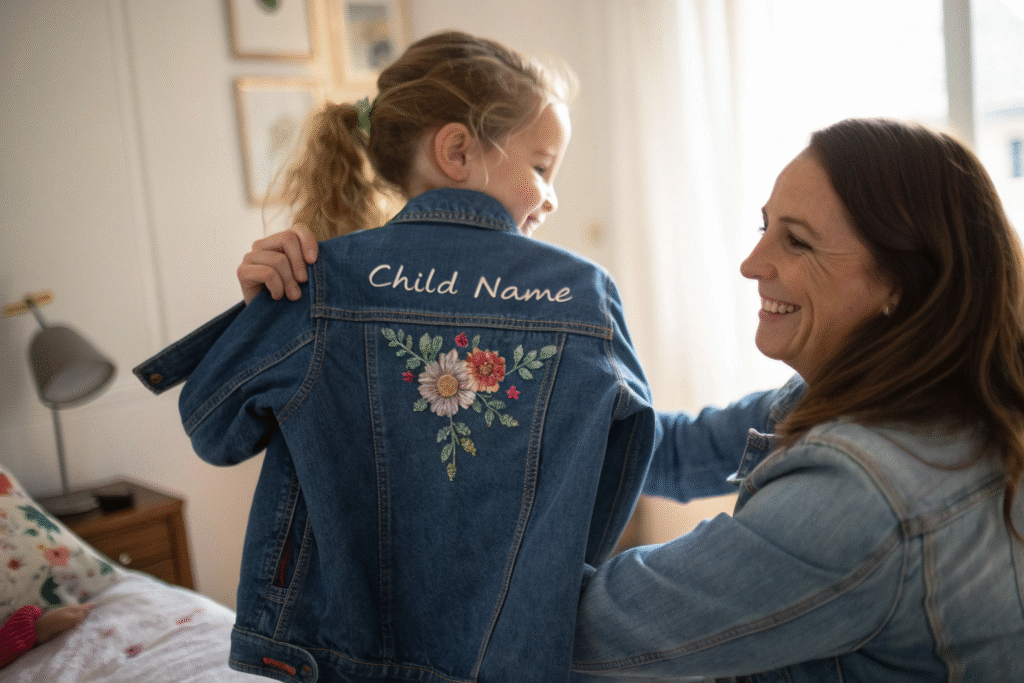
Parents seek customized pieces to mark "firsts" (first birthday, first day of school), to gift unique heirlooms, to celebrate a child's specific passions (a custom ballet leotard with her name, a soccer jersey with a unique number), and to foster a child's sense of self-expression and confidence. This trend aligns perfectly with the move towards more meaningful, less disposable consumption.
Why Are Milestone and Heirloom-Quality Pieces So Popular?
In an era of fast fashion, custom pieces represent the opposite: intentionality and longevity. A beautifully embroidered christening gown or a personalized birthday outfit becomes a physical memory. Parents are investing in fewer, better items that tell their family's story. This demand pushes brands and manufacturers towards higher quality bases—like organic cotton or luxurious linen—because the garment is meant to last, be photographed, and potentially passed down. It's less about clothing and more about crafting experiences and family traditions.
How Does Customization Empower Child Self-Expression?
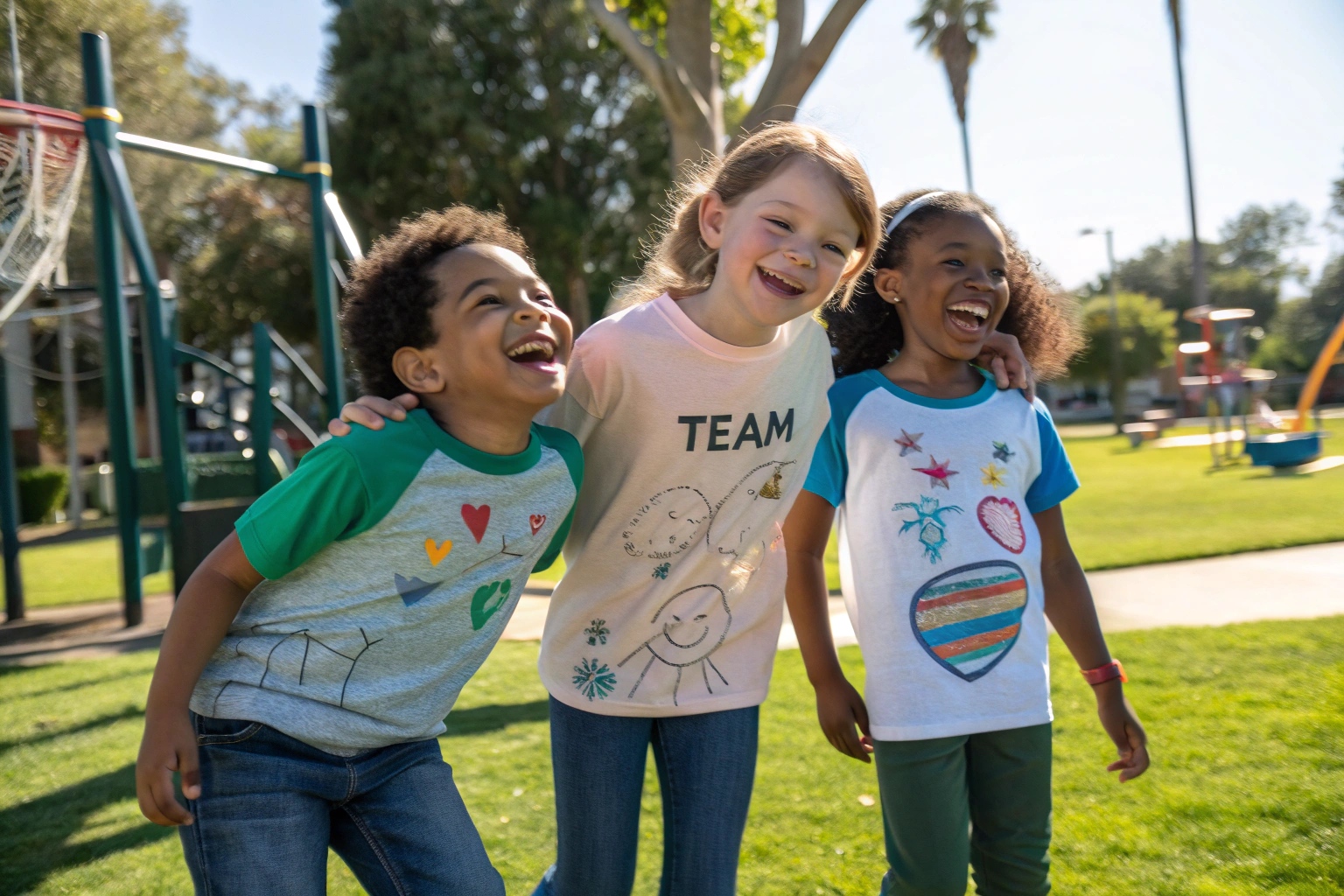
Today's children are encouraged to have a voice. Custom apparel is a canvas for that voice. Whether it's choosing their favorite color for a hoodie, having their own artwork printed on a tee, or selecting a nickname for embroidery, the process gives the child agency. This is particularly powerful for kids' fashion brands targeting 'tweens' who are developing their personal style. Brands that offer a co-design platform or simple customization tools are not just selling a product; they are facilitating a creative act, which builds immense loyalty and shareability on social media.
What Role Do Digital Platforms and Social Media Play?
The "see now, buy now, personalize now" expectation is fueled by digital native consumers. Social media platforms showcase the possibilities of customization, while e-commerce technology makes it accessible. The cycle of inspiration, creation, and sharing is seamless and rapid.
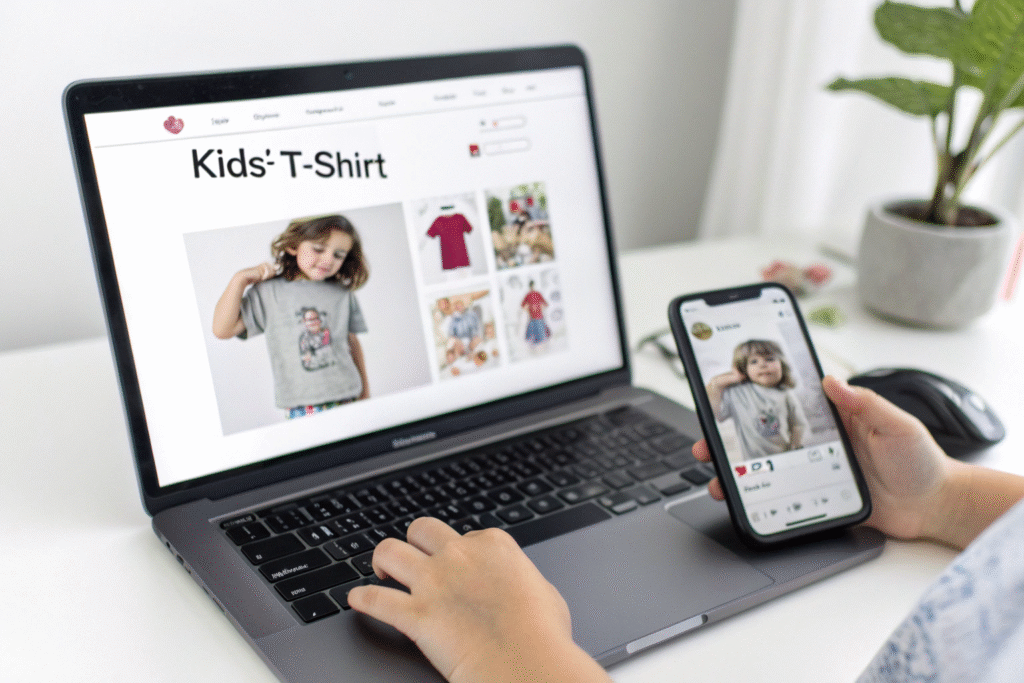
Platforms like Instagram and Pinterest are filled with influencers showcasing bespoke children's outfits. Simultaneously, user-friendly web-to-print software and product configurators on brand websites lower the barrier to entry, allowing parents to easily design a one-off piece. This visibility and accessibility normalize customization, making it an expected option rather than a luxury service.
How Are Small Brands and "Mompreneurs" Leveraging Customization?
Digital print-on-demand (POD) services and accessible manufacturers have democratized the market. A "mompreneur" can now launch a brand from her kitchen table, offering designs for customized kids apparel that resonate with a specific niche—whether it's adoption celebration wear, sensory-friendly adaptive clothing with personalized touches, or witty slogan tees for homeschooling families. This agility allows micro-brands to compete with giants by offering something large corporations cannot: hyper-relevance and direct community connection. The entire supply chain for on-demand manufacturing has evolved to support this model.
Why Is "Unboxing" and Social Sharing a Key Driver?
A custom item is inherently shareable. The unboxing of a uniquely designed garment creates a perfect moment for social content. Parents share photos of their child in a personalized outfit, effectively providing authentic, peer-to-peer marketing for the brand. This user-generated content (UGC) is incredibly powerful. Brands that encourage sharing with a dedicated hashtag can achieve viral visibility at a low cost. The product becomes a conversation starter and a badge of personalized style, fueling further demand within social circles.
How Does Customization Serve Niche Markets and Communities?
Beyond the individual family, customization is a powerful tool for community building and serving specialized needs. It allows for small-batch production that is economically viable, catering to groups that mainstream retailers overlook.
This includes uniforms for small travel sports teams, club merchandise for schools and activity centers, clothing for children with specific sensory needs or disabilities, and apparel for cultural or religious celebrations that aren't widely available off-the-rack. Customization provides both inclusivity and identity.

Why Are Team Uniforms and Group Orders a Growing Segment?
The demand goes beyond professional sports. Local soccer teams, dance academies, and preschool classes all want their own identity. Customization allows for small minimum order quantities (MOQs), making it feasible for a 12-person team to have their own jerseys with individual names and numbers. This segment values durable customization like screen printing or tackle twill embroidery that can withstand season-long wear and tear. For manufacturers, mastering efficient small batch production and streamlined logistics for grouped individual items (e.g., 12 different names) is key to capturing this market.
How is Customization Meeting Demand for Adaptive and Inclusive Fashion?
This is one of the most significant and meaningful drivers. Families of children with disabilities or sensory processing disorders often struggle to find functional, stylish clothing. Customization can address specific needs: adding easy-open magnetic closures instead of buttons, creating open-back designs for medical access, using specific seamless or tagless fabrics, or adjusting fits for atypical body shapes. Brands and manufacturers that offer these options are filling a critical gap and building deep loyalty by providing dignity, comfort, and style through adaptive clothing design.
What Manufacturing Advances Make Customization Scalable?
The trend is economically possible because of technological revolutions in production. What was once a slow, manual, and costly process is now faster, more automated, and accessible. The factory floor has become digital and agile.
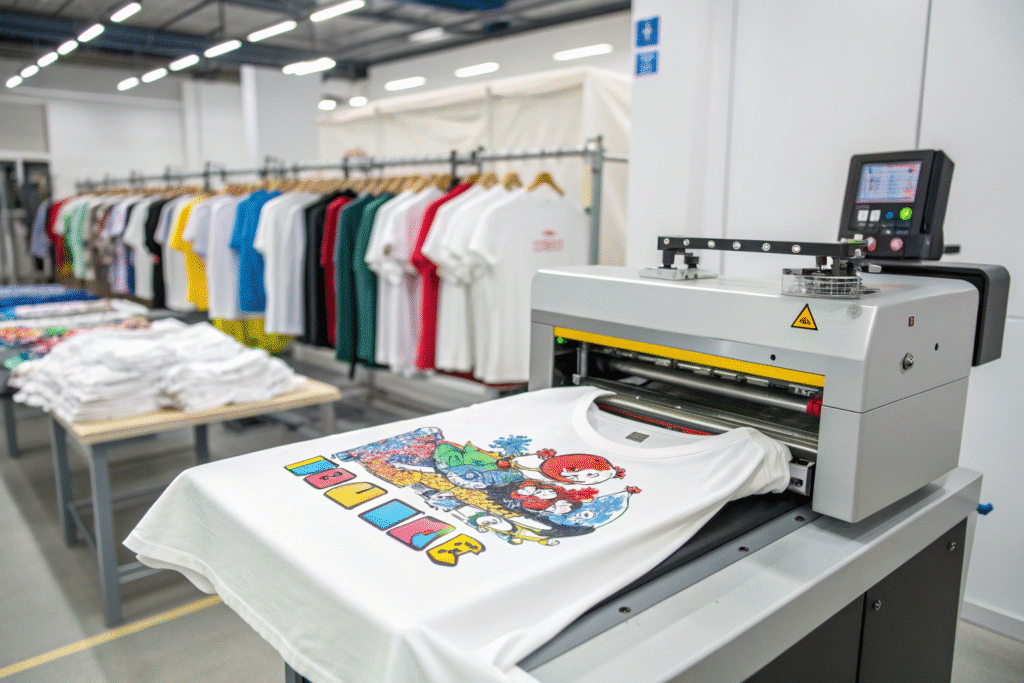
Key advances include direct-to-garment (DTG) and sublimation digital printing that allow for complex, full-color designs with no setup cost per design, computer-controlled embroidery machines for precise logo work, and flexible cut-and-sew production lines that can handle frequent style changes with minimal downtime. Software integration from design to cutting is crucial.
How Have Digital Printing Technologies Changed the Game?
Digital textile printing has removed the biggest barrier: high setup costs for traditional screen printing. With DTG or sublimation, you can print one shirt with a photograph and the next with a completely different illustration without stopping the machine. This makes on-demand production and mass customization truly viable. It allows brands to offer vast online galleries of designs or even upload tools, with production triggered only after an order is placed. This drastically reduces inventory risk and waste, aligning customization with sustainable business models.
Why is Flexible, Small-Batch Production Essential?
The old manufacturing model was based on producing 10,000 units of one design. The new model is about producing 10 units each of 1,000 designs. This requires a fundamentally different factory mindset. Manufacturers need agile production lines, skilled workers who can pivot between tasks, and robust quality control systems that can maintain standards across constant variation. The ability to offer low MOQs for customized apparel is now a major competitive advantage for factories, enabling them to partner with direct-to-consumer brands and entrepreneurs.
Conclusion
The rising demand for kids customized apparel is a convergence of emotional desire, social media dynamics, community needs, and manufacturing innovation. It represents a move towards a more personal, expressive, and responsive clothing industry. For brands, it's an opportunity to deepen customer relationships, reduce inventory risk, and command higher margins. For manufacturers, it's a call to develop greater flexibility, technical prowess, and partnership-oriented services.
At Fumao Clothing, we have invested in the digital and physical infrastructure to be a leader in this space—from our versatile embroidery and printing capabilities to our agile production lines designed for small-batch excellence. We understand that customization is the future. If you are looking to build or expand a kids' apparel brand with personalized products at its heart, partner with a manufacturer who gets it. Contact our Business Director, Elaine, at elaine@fumaoclothing.com to explore the possibilities.