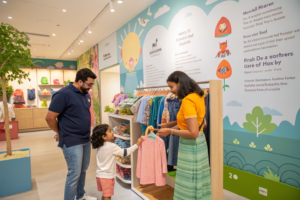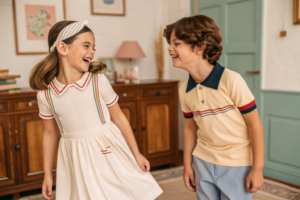
Walk through any mainstream children's retailer today, and you might notice something quietly revolutionary: alongside the rows of tiny jeans and colorful t-shirts, there are garments designed with magnetic closures, side-seam zippers, and tagless, flat-seam construction. This isn't a niche specialty line anymore; it's a rapidly expanding category known as adaptive clothing. At Fumao Clothing, our conversations with brands have shifted dramatically. They're no longer just asking for the latest prints or sustainable fabrics; they're increasingly asking, "How can we make this collection more inclusive and accessible?" The demand isn't a passing trend—it's a fundamental market correction driven by empathy, awareness, and an undeniable commercial opportunity.
The demand for kids' adaptive clothing is growing because it represents a profound convergence of social progress and market need: rising awareness of diverse abilities, the powerful advocacy of parents and healthcare professionals, the mainstreaming of inclusive design principles, and the realization that clothing which accommodates difference often offers superior comfort and functionality for all children, creating a larger, untapped market of value-driven consumers.
This movement goes far beyond charity or compliance. It's about dignity, independence, and joy. It's about recognizing that for millions of children worldwide—and their families—getting dressed shouldn't be a daily battle. Let's explore the powerful forces propelling this essential category into the spotlight.
1. How Is Rising Awareness and Advocacy Driving Market Change?
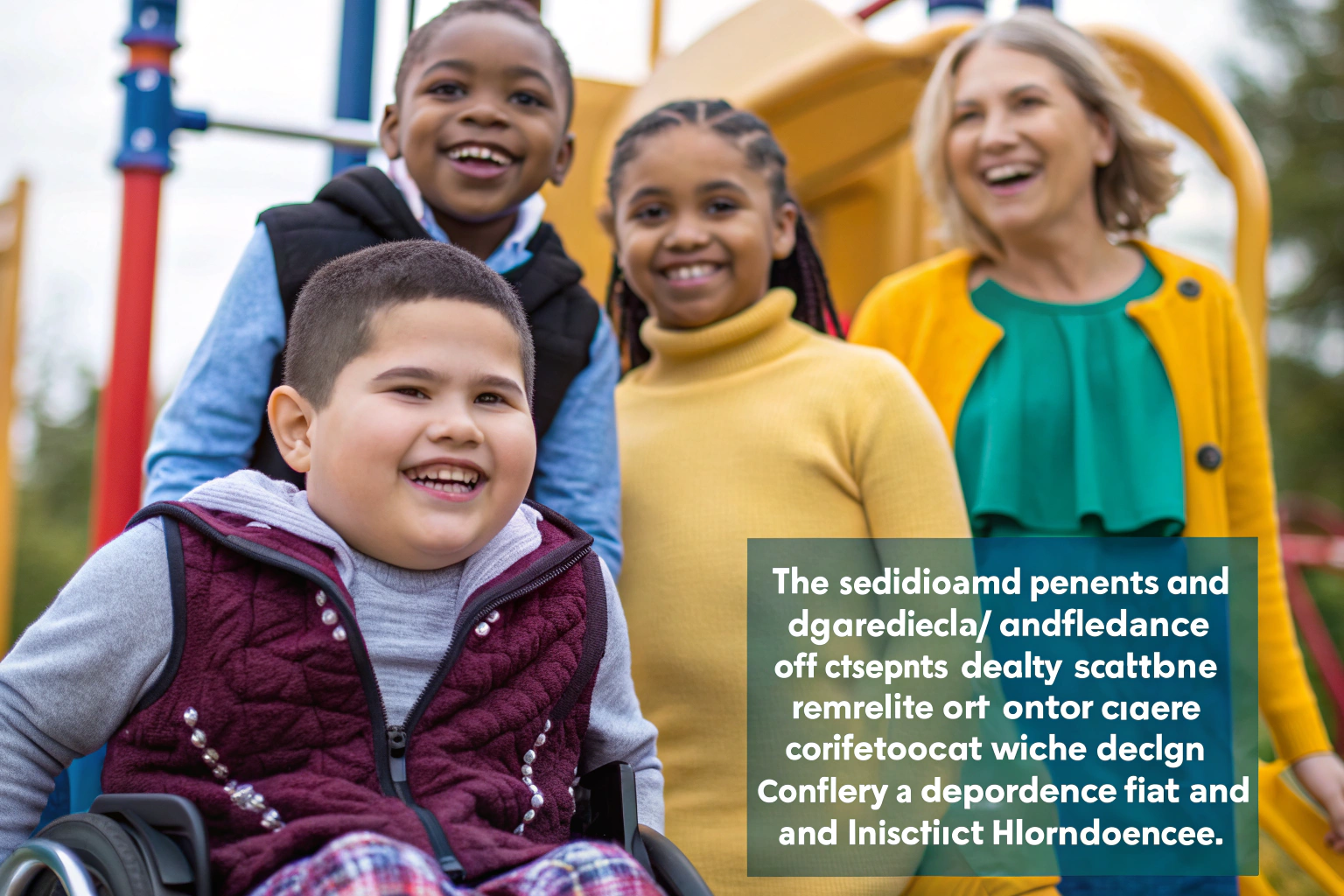
For decades, the needs of children with disabilities or sensory processing differences were largely invisible to the mainstream fashion industry. This has changed irrevocably, thanks to the relentless, vocal advocacy of parents, caregivers, and disability rights activists using platforms like social media to share their stories and demands.
Parents are no longer accepting the limited, often medical-looking options that were once the only choice. They are using hashtags, blogs, and online communities to call for stylish, age-appropriate clothing that doesn't sacrifice function. This grassroots advocacy has created a powerful demand signal that brands cannot ignore. Simultaneously, influencers and organizations focused on disability inclusion have brought the conversation into the public eye, highlighting how something as simple as a shirt can be a barrier to participation and self-esteem. This awareness has translated into consumer pressure, pushing retailers to expand their offerings. It's a shift from seeing adaptive wear as a "special need" to recognizing it as a fundamental right to self-expression and comfort.
What Role Do Healthcare Professionals Play?
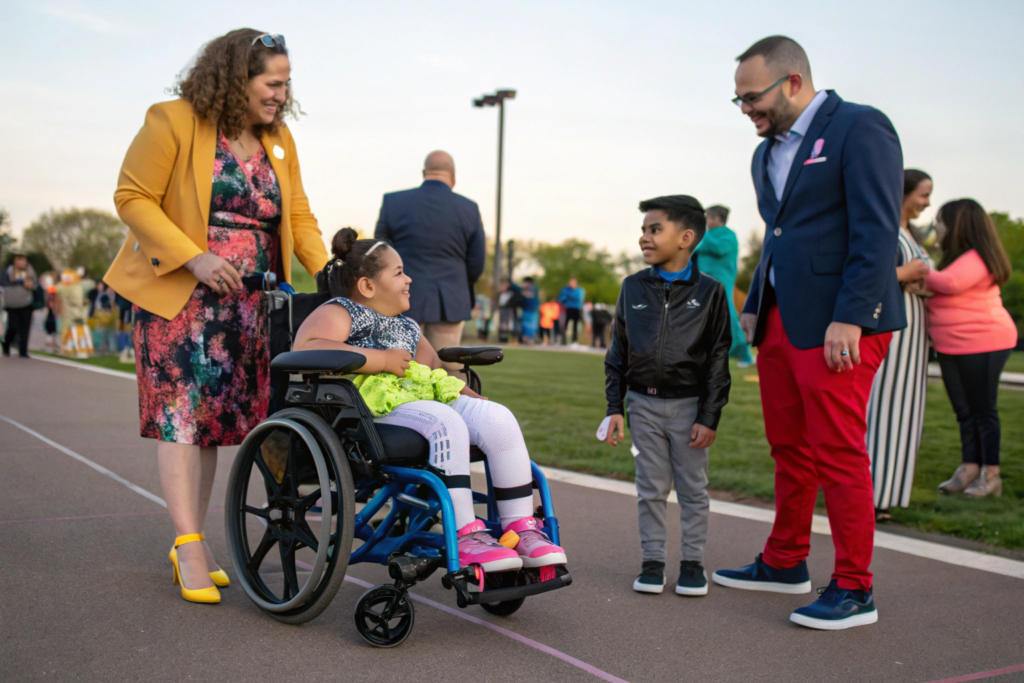
Pediatric occupational therapists, physical therapists, and nurses have long been on the front lines, witnessing the daily struggles caused by ill-fitting or difficult-to-manage clothing. They are now powerful allies, educating families about adaptive options and often providing brands with critical feedback on functional design. Their clinical perspective ensures that adaptations are truly useful—addressing real challenges like managing tubes (g-tubes, catheters), accommodating braces or prosthetics, and reducing sensory triggers. Brands that collaborate with healthcare professionals in the design phase gain invaluable credibility and ensure their products genuinely meet user needs.
How is Legislation and Corporate Social Responsibility Influencing Brands?
While not always directly mandating adaptive clothing, broader legislation promoting accessibility and inclusion (like the Americans with Disabilities Act) sets a cultural expectation that extends to all aspects of life, including retail. Furthermore, corporate social responsibility (CSR) and Environmental, Social, and Governance (ESG) goals are pushing brands to demonstrate genuine inclusivity. Developing an adaptive line is a tangible, visible way for a company to show commitment to diversity and equity, improving brand perception and aligning with the values of a growing segment of consumers.
2. What Are the Core Design Innovations in Adaptive Clothing?
Adaptive clothing is not defined by a single feature, but by a design philosophy that prioritizes ease of dressing, comfort, and independence. The innovations are often brilliantly simple, solving common pain points with elegant solutions. These features are why adaptive design is increasingly influencing mainstream children's wear.
Key innovations include:
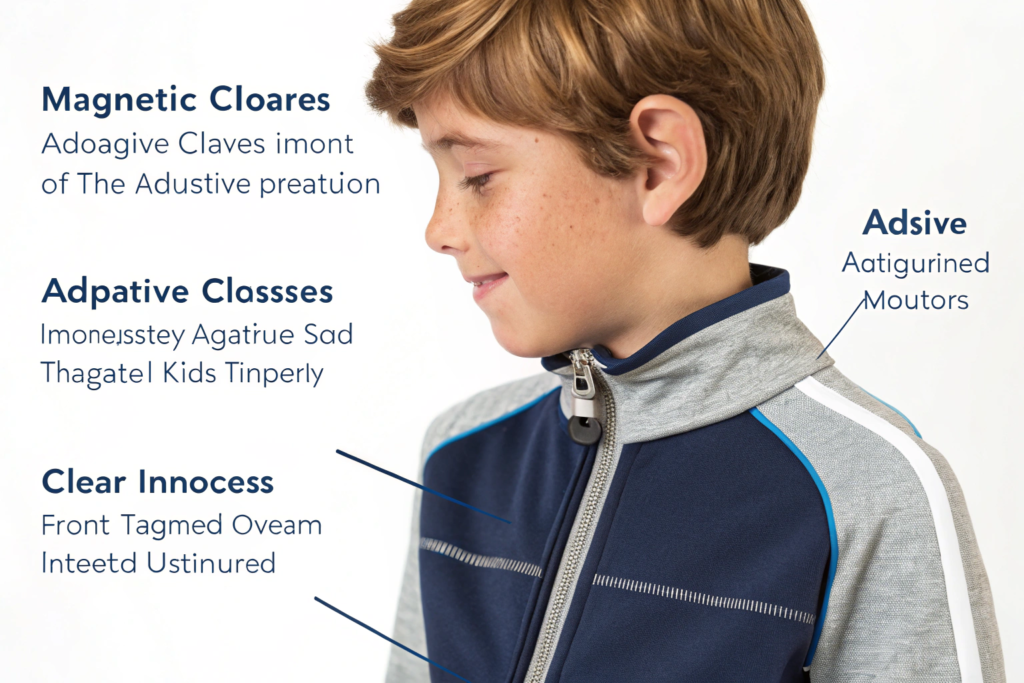
- Closure Alternatives: Replacing small buttons and zippers with strong magnetic closures, Velcro (hook-and-loop) strips, or snap tapes that are easier to manipulate for children with limited fine motor skills or for caregivers.
- Strategic Openings: Side-seam and shoulder-seam openings that allow clothing to be put on while seated or lying down, without needing to lift arms or legs over the head.
- Seamless and Tagless Construction: Using flatlock seams and printed labels to eliminate scratchy points of contact that can cause sensory distress or skin irritation for children with autism, eczema, or sensitive skin.
- Adaptive Features for Medical Devices: Discreet access panels in the abdomen for feeding tubes, expandable waistbands and leg openings for easy diaper changes or to fit over braces, and soft, protective layers to prevent skin damage from medical equipment.
These aren't "add-ons"; they are integral to the garment's architecture, proving that functional design can be both beautiful and empowering.
Why is the "Universal Design" Principle So Impactful?
The most significant trend is the move toward Universal Design—creating products that can be used by all people, to the greatest extent possible, without the need for adaptation or specialized design. In clothing, this means creating a pair of pants with an elastic waist and magnetic fly that is comfortable for any child, whether they have a disability or not. This principle dismantles the "othering" of adaptive clothing. It recognizes that everyone benefits from easier closures, softer seams, and more generous fits. A brand isn't creating a separate "adaptive line"; they are integrating adaptive features into their core collections, making inclusivity the default, not an exception.
How Do Adaptive Features Benefit Neurodiverse Children?
The sensory-friendly aspect of adaptive clothing is a huge driver of demand. For children with Autism Spectrum Disorder (ASD), ADHD, or sensory processing disorders, the wrong fabric, a tight cuff, or a scratchy tag can be overwhelming, leading to meltdowns and clothing refusal. Adaptive clothing addresses this directly with ultra-soft fabrics (like certain blends of cotton, Tencel™, or microfiber), removed tags, and relaxed, non-constricting fits. For these families, finding sensory-friendly clothing isn't a luxury; it's a necessity for daily comfort and well-being, creating incredibly loyal customers for brands that get it right.
3. How Does Adaptive Clothing Foster Independence and Dignity?
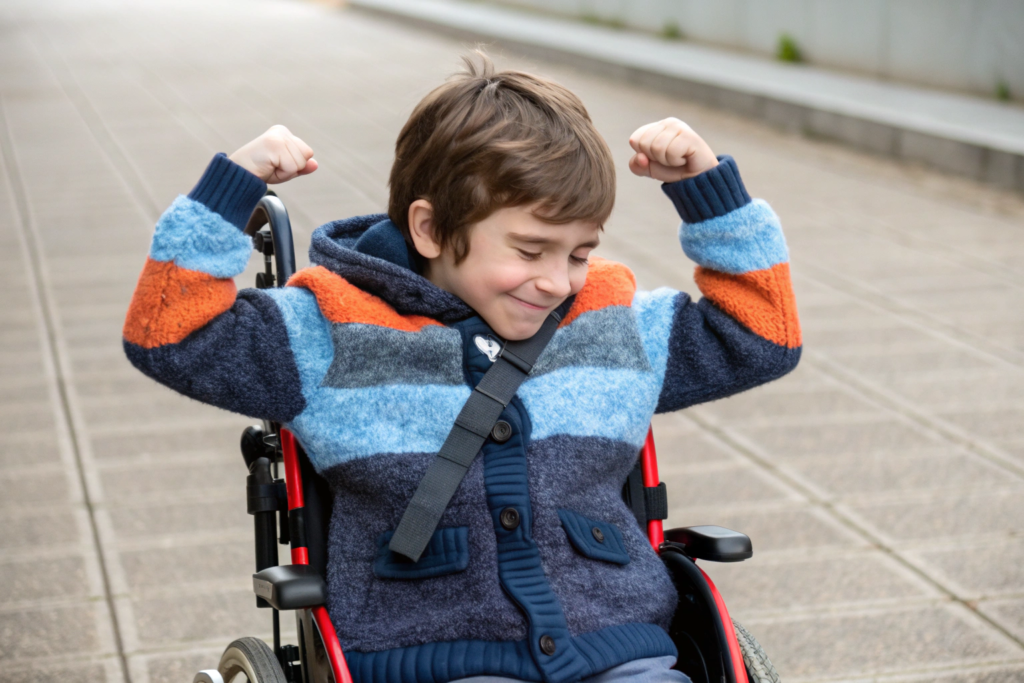
The impact of adaptive clothing transcends physical comfort. It is deeply psychological, fostering a child's sense of autonomy, competence, and self-worth. For a child developing motor skills, the ability to fasten magnetic buttons themselves is a victory. For a teenager using a wheelchair, wearing jeans that look like their peers' but open along the side seam preserves their style and dignity.
This focus on independence reduces caregiver burden and changes the daily dynamic from one of struggle to one of collaboration and success. It allows children to participate more fully in school, play, and social activities without being defined by their clothing challenges. In essence, adaptive wear is enabling technology in the form of cloth. It removes a barrier, allowing the child's personality and abilities to shine through. Brands that understand and communicate this emotional benefit connect on a much deeper level than those just selling a product.
What is the Economic and Social Impact on Families?
The search for suitable clothing has historically been a time-consuming and expensive burden for families. Often forced to alter mainstream clothes or buy from limited, costly medical catalogs, they faced both financial and emotional strain. The growth of stylish, reasonably priced adaptive options from mainstream brands alleviates this pressure. It validates their child's place in the world of fashion and normalizes their experience. Socially, when major retailers carry these lines, it sends a powerful message of belonging to children with disabilities and their families: "You are seen, you are valued, and you are welcome here."
How is the "Voice of the Customer" Shaping This Category?
Unlike many fashion trends, adaptive clothing is being built from the ground up with direct and continuous input from its end-users. Brands are hosting focus groups with parents and children, partnering with disability advocates, and meticulously reviewing feedback. This collaborative design process ensures solutions are practical and desired. It also builds immense trust and community loyalty, as customers feel they are co-creators in a movement, not just passive consumers.
4. Why is This a Sustainable and Scalable Business Opportunity for Brands?
From a commercial perspective, the growth of adaptive clothing represents a significant and relatively underserved market segment. It's a powerful example of how inclusive design drives innovation and opens new revenue streams. The category is moving from a niche to a mainstream expectation.
The business case is clear:
- Market Size: Millions of children worldwide have a disability or sensory sensitivity. Their families represent a large, loyal, and dedicated customer base.
- Premium Value: Well-designed adaptive clothing can command a justifiable price premium due to its specialized features and the significant value it delivers in terms of time, independence, and quality of life.
- Brand Differentiation: In a crowded market, a genuine commitment to inclusivity is a powerful differentiator that builds brand equity and attracts socially conscious consumers.
- Cross-Over Appeal: As Universal Design principles show, features developed for adaptive wear (softer seams, easier closures) often appeal to all parents—especially those of very young children, elderly caregivers, or anyone seeking maximum comfort and convenience. This expands the potential market far beyond the core adaptive audience.
What Are the Sourcing and Manufacturing Considerations?
Producing high-quality adaptive clothing requires a manufacturing partner with specific expertise. It's not just about sewing a different closure. It involves:
- Sourcing Specialized Components: Finding reliable suppliers for strong, child-safe magnets, high-quality Velcro, and robust snap tapes.
- Technical Design Expertise: Pattern-making that incorporates openings and access panels without compromising fit or style.
- Quality Control Rigor: Ensuring closures are securely attached and withstand repeated use, and that seams are truly flat and non-irritating.
- Compliance Complexity: Adaptive features must still meet all general children's wear safety standards (like CPSIA and OEKO-TEX®), with extra scrutiny on small part safety for closures.
Factories like Fumao, which are accustomed to precision and problem-solving, are ideally positioned to help brands navigate these production complexities and scale their adaptive lines with quality and reliability.
How Can Brands Avoid "Inclusion Washing"?
The risk for brands is being perceived as exploiting a cause for profit without genuine commitment. To avoid this, efforts must be authentic:
- Include from the Start: Involve people with disabilities in the design process, not just in marketing campaigns.
- Integrate, Don't Segregate: Aim to include adaptive options within main collections, not as a separate, hidden category.
- Commit Long-Term: Treat adaptive clothing as a core part of the business strategy, not a one-season PR project.
- Educate Your Team: Ensure customer service and marketing staff understand the products and can speak to them with empathy and knowledge.
Conclusion
The surging demand for kids' adaptive clothing is a landmark shift in the fashion industry. It is a powerful response to a long-ignored need, fueled by advocacy, enabled by smart design, and sustained by the undeniable human and business benefits of inclusion. This movement is redefining what "good design" means—prioritizing dignity, independence, and access for all.
For forward-thinking children's wear brands, this is not just a niche to explore, but a fundamental direction for the future. By embracing inclusive design principles, brands can create better products for everyone, build deeper emotional connections with customers, and participate in building a more equitable and considerate world—one garment at a time.
Ready to develop an adaptive clothing line that combines style, innovation, and heart? Partner with a manufacturer who understands the technical and human nuances of this important category. Contact our Business Director, Elaine, at elaine@fumaoclothing.com to discuss how Shanghai Fumao can help you create inclusive collections that make a real difference.