The children's fashion landscape is undergoing a significant transformation as gender-neutral clothing moves from niche category to mainstream demand. As manufacturers serving forward-thinking brands, we're witnessing this shift firsthand and understanding the complex social, cultural, and practical factors driving this change.
The demand for gender-neutral kids wear is rising due to evolving parental attitudes about gender expression, practical considerations for hand-me-downs, increasing awareness of child-led preferences, and a broader cultural movement toward inclusivity. This trend represents more than a fashion statement—it reflects fundamental changes in how contemporary families approach child-rearing, consumerism, and identity formation. The movement away from rigid gender coding in children's clothing aligns with broader societal shifts toward greater flexibility in gender expression and recognition of children as individuals with their own preferences.
How Are Changing Parental Attitudes Driving This Shift?
Modern parents are increasingly rejecting rigid gender stereotypes in favor of approaches that allow children to explore their interests and identities without artificial constraints imposed by clothing.
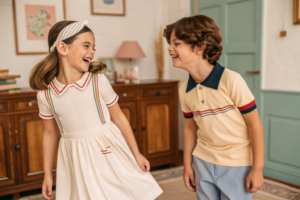
Today's parents, particularly millennials and Gen Z, have grown up with greater awareness of gender diversity and are more likely to question traditional gender norms. They're choosing clothing based on practical considerations, quality, and their children's preferences rather than adhering to the "pink for girls, blue for boys" binary that dominated previous generations. This represents a significant cultural evolution from the highly gendered children's wear market that emerged in the mid-20th century and dominated until recently.
What Research Shows About Evolving Parental Perspectives?
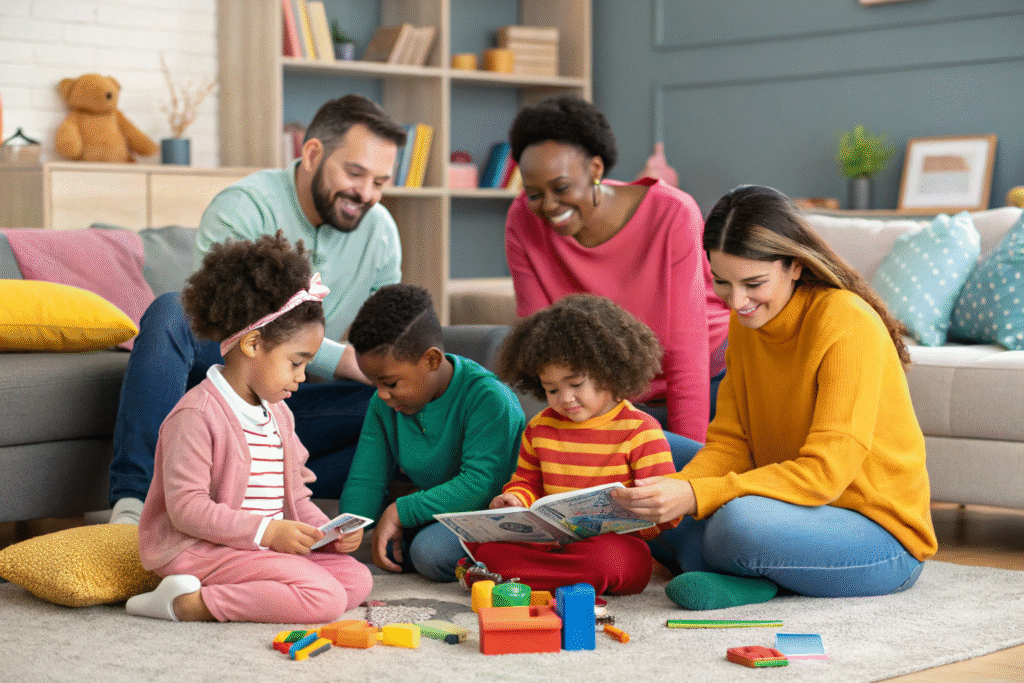
Recent studies indicate a substantial shift in how parents approach gender and children's products. According to Pew Research Center, younger parents are significantly more likely to reject strict gender stereotypes in child-rearing. Additionally, research from UCLA shows that Generation Z is the most gender-diverse generation yet, influencing how their future parenting approaches will likely evolve. This academic research confirms what we observe in the market: parents are increasingly seeking clothing that allows children to define themselves rather than being defined by gendered clothing conventions.
How Do Practical Parenting Considerations Influence This Trend?
Beyond ideological shifts, practical considerations make gender-neutral clothing appealing to modern families. Clothing that works for all children simplifies shopping, extends the life of hand-me-downs regardless of the recipient's gender, and often features more practical designs focused on comfort and durability rather than gendered aesthetics. Many parents report that practical parenting considerations—like easy dressing, stain resistance, and durability—often align better with gender-neutral designs, which tend to prioritize function over highly gendered decorative elements that may limit practicality.
What Practical Benefits Make Gender-Neutral Clothing Appealing?
Beyond social considerations, gender-neutral kids wear offers tangible practical advantages that appeal to cost-conscious and environmentally aware families facing the realities of raising children.
The practical benefits extend beyond ideological alignment to include significant economic advantages, environmental considerations, and simplification of daily parenting tasks. These concrete benefits help explain why gender-neutral clothing appeals even to families who may not strongly identify with the social movement behind it.
How Does Gender-Neutral Clothing Extend Product Lifespan?
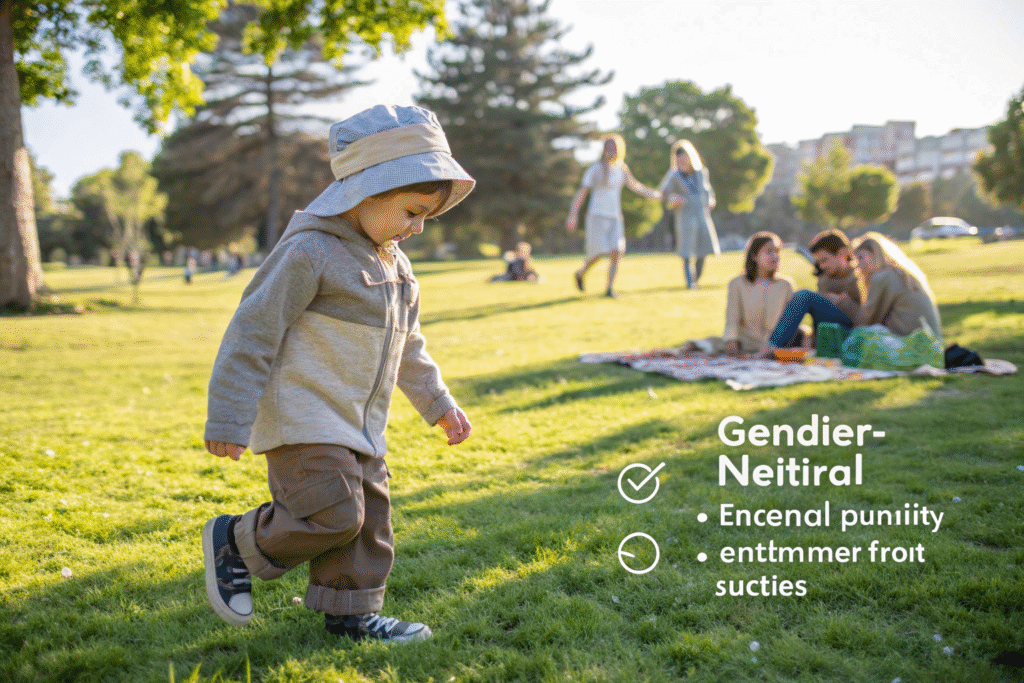
Clothing that isn't strongly gendered can be worn by multiple children regardless of gender, significantly extending its useful life within families. This is particularly valuable given how quickly children outgrow clothing—according to Environmental Protection Agency data, the average American throws away approximately 70 pounds of clothing annually. Gender-neutral pieces can be passed down through multiple siblings and even across generations, reducing waste and providing better return on investment for quality items. This practical consideration resonates strongly with environmentally conscious families and those managing tight clothing budgets.
Why Do Neutral Designs Often Offer Better Functionality?
Gender-neutral clothing typically prioritizes practical design elements over decorative ones, resulting in more functional garments for active children. Without the constraints of gendered aesthetics, designers can focus on features like reinforced knees, comfortable fabrics, easy closures, and practical silhouettes that support movement. According to children's wear design principles, functionality often improves when designers aren't required to incorporate highly gendered design elements that may compromise comfort or practicality. This focus on function over form appeals to parents prioritizing their children's comfort and freedom of movement.
How Are Retailers and Brands Responding to This Demand?
The market is rapidly adapting to meet growing demand for gender-neutral kids wear, with both established brands and new entrants developing strategies to serve this expanding segment.
From major retailers reorganizing store layouts to emerging brands building their entire identity around inclusivity, the industry response demonstrates this trend's commercial significance. This market evolution reflects both consumer demand and a growing recognition that traditional gender-based marketing approaches may limit rather than expand business opportunities.
What Changes Are Major Retailers Implementing?
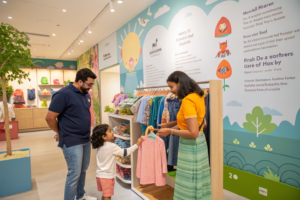
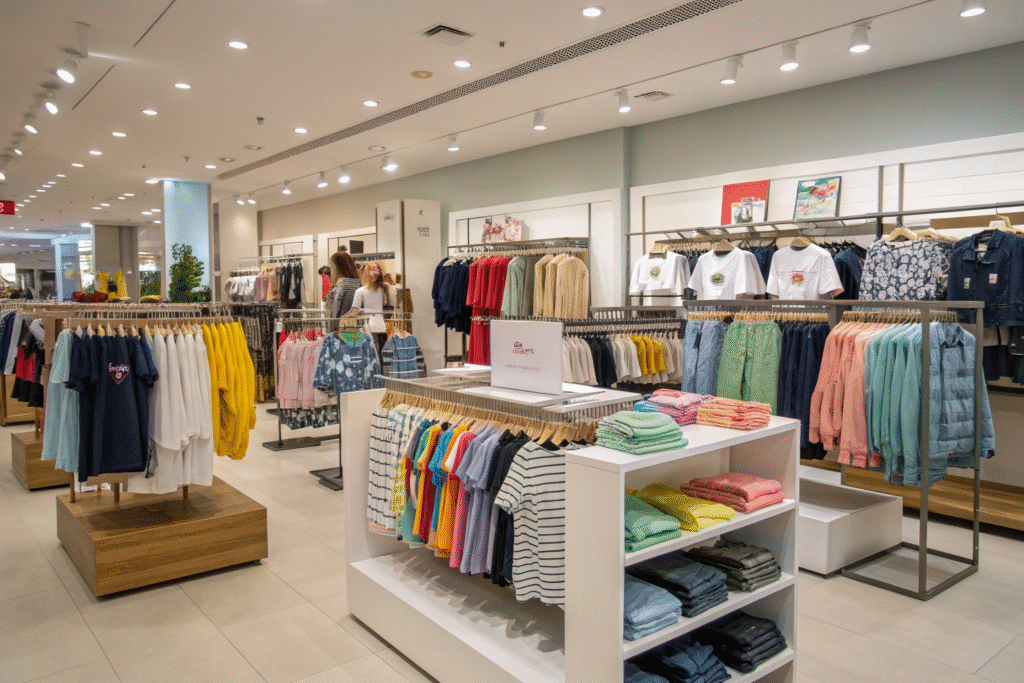
Major retailers are significantly reorganizing their children's sections to accommodate demand for gender-neutral options. Companies like Target and Zara have introduced dedicated gender-neutral collections, while others are moving away from separate "boys" and "girls" sections in favor of organization by category or age. This retail evolution responds to consumer demand while acknowledging that many parents now prefer shopping without navigating artificial gender divisions that may not reflect their children's interests or their parenting philosophies.
How Are Emerging Brands Capitalizing on This Trend?
New brands are launching with gender-neutrality as a core brand value rather than an add-on category. Companies like Primary and Kirrin Finch have built successful business models around high-quality, color-rich clothing designed for all children. These brands often emphasize sustainability, ethical production, and inclusive marketing alongside their gender-neutral designs. Their success demonstrates that a clearly defined position on gender inclusivity can be a powerful brand differentiator in the crowded children's wear market, particularly when combined with quality products that meet genuine practical needs.
What Does Research Say About Children's Clothing Preferences?
Understanding how children themselves perceive and respond to clothing choices provides important context for the gender-neutral movement and suggests this trend aligns with children's natural preferences.
Children often demonstrate more flexible attitudes toward gender and clothing than adults assume, particularly before they've internalized societal gender norms. Research into children's natural preferences suggests that the move toward gender-neutral options may better reflect how children initially view clothing before being socialized into gendered fashion conventions.

How Do Young Children Naturally Approach Clothing Choices?
Research suggests that very young children often choose clothing based on color preference, comfort, and themes that interest them rather than gendered associations. A study published in Child Development found that children under five typically demonstrate flexible gender attitudes and are more influenced by individual preferences than rigid gender rules. This natural flexibility suggests that highly gendered marketing approaches may actually limit children's self-expression rather than reflecting their innate preferences. Many children naturally gravitate toward bright colors, animals, vehicles, or fantasy themes regardless of gender coding until they learn societal conventions.
Why Does Child-Led Dressing Support Healthy Development?
Allowing children to choose clothing based on personal preference rather than gender norms supports the development of autonomy, self-expression, and decision-making skills. According to the American Academy of Pediatrics, supporting children in exploring their interests without gender constraints contributes to healthy identity development. Gender-neutral clothing options provide more flexibility for this exploration, allowing children to develop personal style based on genuine preference rather than external expectations. This approach respects children as individuals with unique tastes rather than representatives of gender categories.
Conclusion
The rising demand for gender-neutral kids wear represents a convergence of social evolution, practical parenting needs, environmental consciousness, and respect for children's individual preferences. This trend is supported by changing parental attitudes, the practical benefits of versatile clothing, market responses from retailers and brands, and research into children's natural preferences. Rather than a passing fashion trend, the movement toward more inclusive children's clothing reflects deeper societal shifts in how we understand gender, childhood, and individual expression.
As families increasingly seek clothing that allows children to be themselves rather than fitting predetermined categories, the market will continue evolving to meet this demand. If you're developing a children's clothing line and want to work with a manufacturer who understands these shifting consumer preferences, contact our Business Director, Elaine, at elaine@fumaoclothing.com. Let's discuss how we can help you create inclusive, practical clothing that meets the needs of modern families while supporting children's comfort, expression, and development.