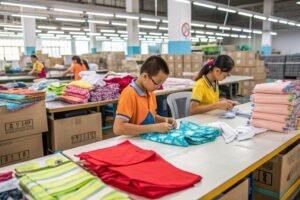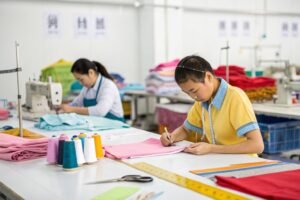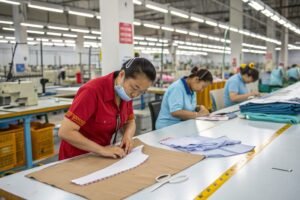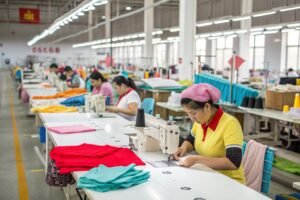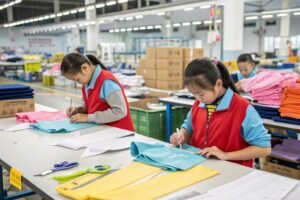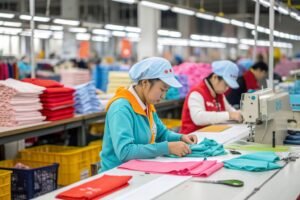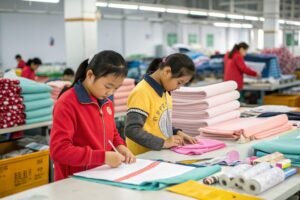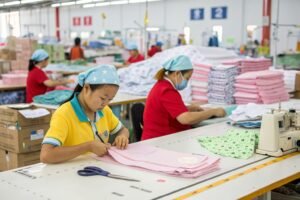
As a baby clothing manufacturer, I hear this question all the time from brand owners like you. You want the best for your customers, but you also need to make smart business decisions. For decades, cotton was the default choice. But a new material has been changing the game. Let’s look at why many of our partners are switching.
The short answer is that Tencel often outperforms cotton in key areas crucial for baby wear: superior moisture absorption, exceptional softness, and a smaller environmental footprint. While cotton is a familiar and good material, Tencel offers advanced benefits that align with modern consumer demands for high-performance, sustainable, and gentle apparel for sensitive skin.
Making the right fabric choice is critical for your brand’s success. It impacts customer satisfaction, product positioning, and your bottom line. This article will give you a clear, side-by-side comparison to help you make an informed sourcing decision.
What are the key benefits of Tencel for baby clothing?
Parents today are more informed than ever. They seek out clothing that is not just cute but functionally superior. Tencel, a fiber made from sustainably sourced wood pulp, delivers on these expectations in ways that traditional cotton sometimes cannot.
Tencel’s core advantage lies in its unique fiber structure. The fibers are extremely fine and smooth, which translates directly into tangible benefits for the end product. This scientific edge is what allows Tencel to meet the high standards of modern baby apparel.

How does Tencel manage moisture so effectively?
Tencel is renowned for its exceptional moisture-wicking properties. This is due to its nanofibril structure, which can absorb moisture more efficiently than cotton. When a baby sweats, Tencel pulls the moisture away from the skin and releases it into the air. This helps keep the baby’s skin dry and reduces the risk of irritation or chafing. In contrast, cotton tends to absorb moisture and hold it against the skin, which can feel cold and clammy. This superior moisture management is a key reason why Tencel is ideal for overnight wear or for babies with sensitive skin. For more information on fiber properties, you can refer to resources from the American Association of Textile Chemists and Colorists. Furthermore, ensuring your products meet high safety standards is crucial; learn more about general children’s product safety guidelines.
Why is Tencel considered softer and gentler?
The production process of Tencel involves spinning the wood pulp into fibers that are inherently smooth and round. This results in a fabric surface with less friction against delicate baby skin. Many describe the handfeel of Tencel as "silky" or "buttery." Over multiple washes, high-quality cotton can become softer, but Tencel often starts with a superior level of softness right from the first wear. This gentle touch is vital for newborns and infants whose skin is easily irritated. The consistent smoothness of Tencel fibers also means less pilling over time compared to some cotton blends, keeping the garments looking new for longer.
How does Tencel compare to cotton in terms of sustainability?
Sustainability is no longer a niche concern; it’s a mainstream demand. Your customers are increasingly looking for brands that demonstrate environmental responsibility. This is where Tencel fundamentally diverges from conventional cotton.
While cotton is a natural fiber, its cultivation can be resource-intensive. Tencel, produced by the Austrian company Lenzing AG, comes from a closed-loop process that recycles water and solvents.

What is the environmental impact of Tencel production?
The production of Tencel Lyocell, the most common type, is notable for its closed-loop system. Over 99% of the water and non-toxic solvents used in the manufacturing process are recycled and reused. This significantly reduces waste and water pollution. The raw material is wood pulp from sustainably managed forests, often certified by organizations like PEFC or FSC. In comparison, conventional cotton farming is known for its high water consumption and significant use of pesticides and insecticides, which can impact ecosystems. For brands aiming for a green profile, Tencel offers a compelling story backed by verifiable data. You can explore standards for sustainable textiles through Textile Exchange. Understanding the full [supply chain](https://www.supplychaindue diligence.org/) is also key for ethical production.
Is organic cotton a better sustainable choice than Tencel?
Organic cotton is a much-improved alternative to conventional cotton, as it eliminates the use of harmful pesticides and genetically modified seeds. However, it still requires a substantial amount of water to grow. The choice between organic cotton and Tencel then becomes a trade-off: organic cotton addresses agricultural chemical use, while Tencel excels in efficient water and chemical management during manufacturing. For a brand, offering a mix of both materials can cater to different customer preferences within the sustainability umbrella. It’s important to have clear certifications for both, such as GOTS for organic cotton and OEKO-TEX® Standard 100 for Tencel, to build trust.
What should buyers consider regarding durability and care?
A common misconception is that softer fabrics are less durable. With Tencel, this is not the case. For your brand, the longevity and care instructions of a garment directly affect customer satisfaction and returns.
Tencel fibers have high tensile strength, meaning they are strong both when wet and dry. This leads to garments that are resistant to wear and tear, an important factor for active toddlers.

How durable is Tencel for active babies?
The strength of Tencel fibers is a significant advantage. This inherent durability means that Tencel baby clothes can withstand vigorous play and frequent washing without thinning or tearing easily. The color retention of Tencel is also excellent, keeping the garments vibrant wash after wash. While high-thread-count cotton can be durable, Tencel often provides a better strength-to-weight ratio, resulting in durable yet lightweight clothing. This combination of softness and strength is difficult to achieve with cotton alone and adds value to your product line.
Are Tencel garments easy to care for?
Care instructions are a practical concern for parents. Tencel is generally easy to care for. It is machine washable, but to maintain its optimal softness and luster, we recommend washing in cold water and avoiding high heat in the dryer. Tumbling on low or air drying is best. Like many fabrics, Tencel can wrinkle, but these wrinkles are typically easy to smooth out. Providing clear care labels is essential. From a manufacturing standpoint, it’s crucial to work with a factory that understands how to handle Tencel fabric during cutting and sewing to ensure consistent quality. Partnering with a manufacturer experienced in garment production with diverse fabrics is key. Also, consider the importance of reliable logistics partners for timely delivery of your delicate orders.
Is Tencel more cost-effective for clothing brands than cotton?
Cost is always a primary factor in sourcing. While the raw material cost of Tencel is generally higher than that of conventional cotton, the total cost-effectiveness picture is more nuanced and can favor Tencel.
The decision should be based on the value proposition you want to offer. Tencel allows you to position your brand in the mid-to-high segment, justifying a higher price point with tangible benefits.

How does the price of Tencel fabric compare?
At the fabric level, Tencel is typically more expensive than basic or conventional cotton. However, it is often competitive with or even more affordable than high-quality, long-staple cotton like Egyptian or Pima cotton, which offers a similar level of softness. When you factor in Tencel’s excellent dye uptake (which can lead to savings in dye costs) and its high durability (leading to fewer customer complaints), the initial higher cost can be balanced out. Sourcing from a manufacturer with direct access to quality fabric mills, like our company, helps control these costs effectively.
Can Tencel help my brand command a higher retail price?
Absolutely. Marketing a product made with Tencel allows you to highlight key selling points that modern parents value: sustainability, skin-friendliness, and high technical performance. This enhanced story justifies a premium price in the market. Consumers are often willing to pay more for products that align with their values and offer superior comfort. By choosing Tencel, you are not just buying a fabric; you are investing in a marketing asset that can differentiate your brand from competitors who only use cotton. Clearly communicating these benefits on your hangtags and marketing materials is crucial for success. Understanding B2B marketing strategies for apparel can help. Also, ensure your manufacturer provides all necessary quality certifications for the fabric.
Conclusion
In the debate between Tencel and cotton for baby clothes, Tencel emerges as a superior choice for brands targeting the quality-conscious and eco-aware market. Its exceptional moisture-wicking properties, inherent softness, and strong environmental credentials make it a fabric for the future. While cotton remains a good and familiar option, Tencel offers a advanced set of features that can elevate your product line.
The best choice ultimately depends on your specific brand positioning and target customer. For many of our partners, incorporating Tencel into their collections has been a successful strategy for growth and differentiation.
Ready to explore how Tencel can enhance your next children’s wear collection? Partner with a manufacturer that understands both the fabric and your market. Contact our Business Director, Elaine, at elaine@fumaoclothing.com to discuss your specific needs and let Shanghai Fumao Clothing be your reliable partner in creating exceptional baby clothing.