
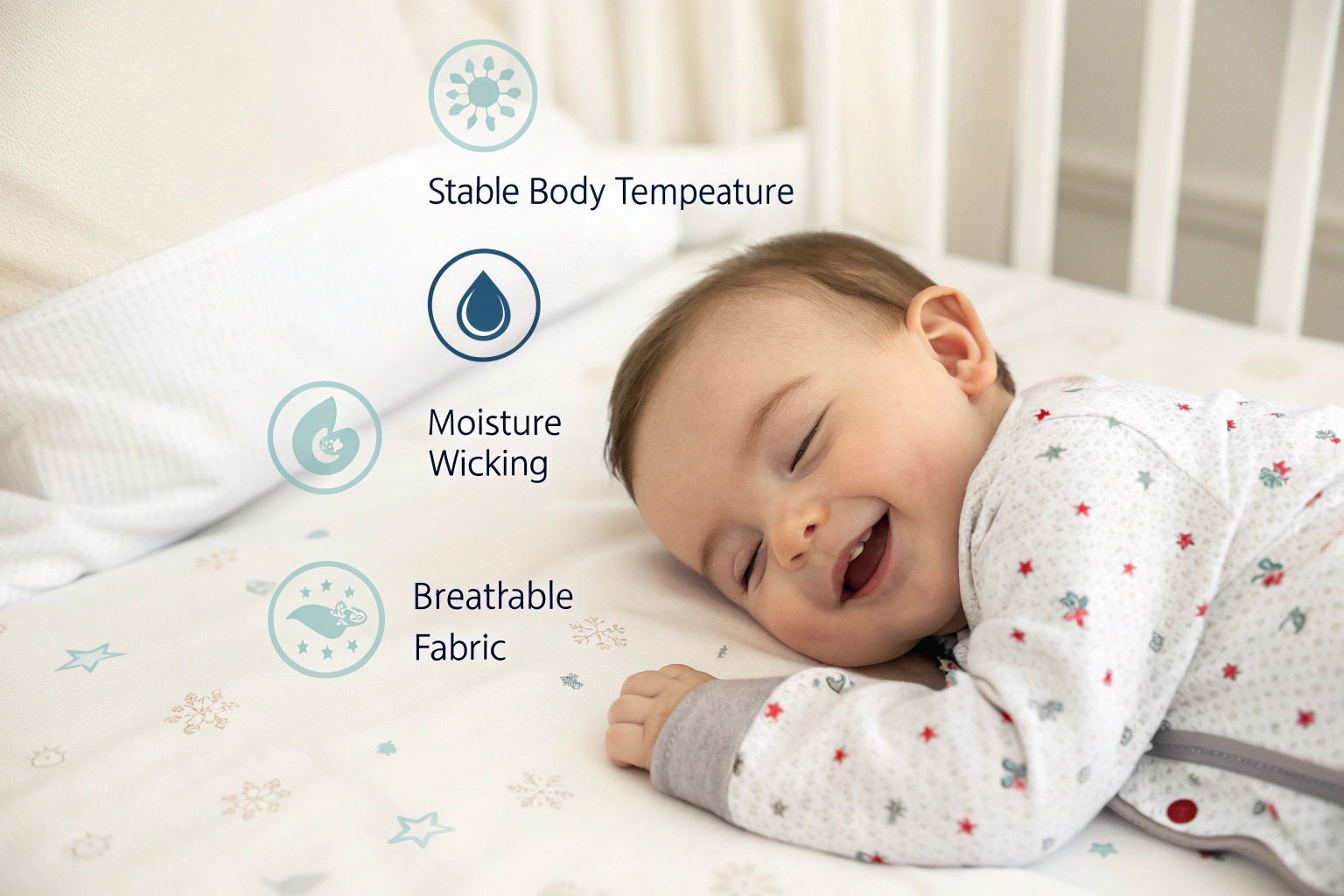
As a parent, you want the best for your baby. You choose safe products and comfortable clothes. But have you ever thought about the fabric's role in your baby's sleep and comfort? Temperature regulation is a key feature often overlooked in baby clothing. An uncomfortable baby can mean sleepless nights for the whole family. This is not just about comfort; it's about health and well-being.
Temperature-regulating technology in baby clothing is vital because infants cannot effectively regulate their own body temperature. This technology helps maintain a stable microclimate around a baby's skin, preventing overheating and chilling, which are critical for comfort, safety, and reducing the risk of issues like heat rash or Sudden Infant Death Syndrome (SIDS). For brands, offering such innovative products meets a core need of modern parents, enhancing brand value and customer loyalty. At Fumao Clothing, we integrate advanced materials and smart design to deliver baby clothes that do more than just look good.
Understanding this need is the first step. Let's explore the specific reasons why this technology is a non-negotiable feature in modern baby apparel.
How Does Temperature Regulating Fabric Work for Infants?
Parents see their baby sweat or shiver and feel helpless. The problem is traditional cotton or synthetic fabrics that trap heat or moisture. This leads to discomfort, irritability, and even skin problems. The solution lies in smart textile engineering that actively manages the baby's microclimate.
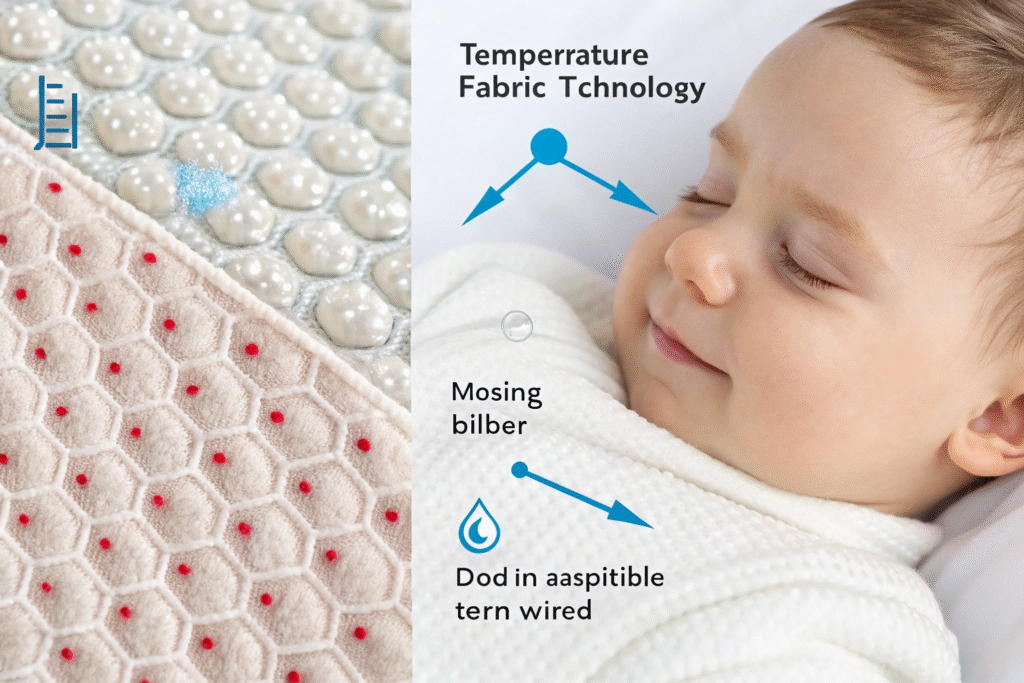
Temperature-regulating fabrics work through two main mechanisms: phase-change materials and moisture-wicking. Phase-change materials (PCMs) are microcapsules embedded in the fabric fibers. They absorb excess body heat when the baby is too warm and release stored heat when the baby is cool, maintaining a stable temperature. Moisture-wicking fabrics, like certain advanced knitted garments, pull sweat away from the skin to the fabric's outer surface, where it evaporates quickly. This keeps the baby dry and prevents chilling from damp clothing.

What are the core mechanisms behind smart baby fabrics?
The core mechanisms are physical and chemical. Phase-change materials are the chemical heroes. These materials melt and solidify at specific temperatures, typically around skin temperature. When the baby's temperature rises, the PCM capsules melt, absorbing heat energy. When the temperature drops, they solidify, releasing that heat. This creates a buffering effect against temperature swings. On the physical side, the construction of the baby & toddler apparel fabric is key. Engineered knitting techniques create tiny channels that move moisture efficiently. This is far more effective than basic cotton, which simply holds moisture against the skin.
| Mechanism Type | How It Works | Benefit for Baby |
|---|---|---|
| Phase-Change Material (PCM) | Absorbs/releases heat to buffer temperature | Prevents overheating and sudden chills |
| Moisture Wicking | Pulls sweat away from skin to evaporate | Keeps skin dry, prevents rashes and coldness |
| Breathable Construction | Allows air to circulate through the fabric | Reduces stuffiness and promotes air flow |
Why is consistent skin temperature crucial for baby sleep?
Consistent skin temperature is the foundation of uninterrupted sleep. A baby who is too hot or too cold will wake up crying. Overheating is a particular concern, as it is linked to discomfort and is a known risk factor for SIDS. Temperature-regulating technology directly addresses this by creating a stable sleep environment. By preventing the baby from getting too hot during deep sleep or too cold in the early morning hours, these fabrics help promote longer, safer, and more restful sleep. This is a major selling point for parents desperate for a full night's rest, making it a valuable feature for your children's wear brands to highlight.
What Are the Key Safety Benefits of Thermoregulating Baby Clothes?
The anxiety of a new parent is real. They constantly check on their baby, worried about the room being too hot or too cold. This fear is justified, as a baby's inability to self-regulate temperature poses genuine safety risks. Thermoregulating clothing acts as a proactive layer of protection, giving parents peace of mind.
The primary safety benefit is the reduction of overheating risk. Overheating is not just about comfort; it is a significant contributor to heat rash and, more seriously, is considered a factor in SIDS. By maintaining a more stable body temperature, these clothes help mitigate this risk. Furthermore, by keeping the skin dry, they prevent the discomfort of Diaper Rash and other skin irritations that can occur when moisture is trapped against delicate skin for long periods.
How does this technology reduce the risk of overheating?
Overheating occurs when the body produces more heat than it can dissipate. In babies, this can happen quickly during sleep or in warm environments. Thermoregulating clothes work like a smart climate control system for the skin. The phase-change materials actively absorb the excess heat, preventing the baby's core temperature from rising to dangerous levels. This is a critical Quality Assurance feature that goes beyond standard clothing. When you source from a manufacturer like Fumao, you are providing a product that aligns with the highest international safety standards, addressing a parent's deepest safety concerns directly.
Can smart clothing help prevent skin irritations and rashes?
Absolutely. Skin irritations like heat rash and eczema flare-ups are often triggered by heat and moisture. When a baby sweats and that moisture remains on the skin, it can clog pores and cause inflammation. The superior moisture-wicking properties of thermoregulating fabrics actively combat this. By pulling sweat away from the skin and promoting rapid evaporation, the fabric keeps the skin surface drier. This creates a healthier microenvironment that is less prone to irritation, making the clothing not just safer but also more comfortable for babies with sensitive skin.
How to Choose a Reliable Manufacturer for Temperature-Regulating Apparel?
You understand the value of temperature-regulating technology. Now, the problem becomes finding a supplier who can deliver on its promise consistently. The risk of poor quality control, fabric that doesn't perform, and delayed shipments can destroy your brand's reputation. The solution is a thorough vetting process focused on expertise and proven capability.
Choosing a reliable manufacturer goes beyond just price. You need a partner with deep expertise in advanced materials and a proven track record in producing high-quality knitted garments for the sensitive baby wear market. Look for a factory that invests in Research and Development and can provide technical data on their fabrics' performance. They must have robust quality control systems in place to test for durability, colorfastness, and, most importantly, the consistent presence and function of the temperature-regulating technology throughout the production run.

What quality certifications should you look for in a supplier?
Certifications are your objective proof of a supplier's commitment to safety and quality. For baby clothing, especially with special claims like thermoregulation, look for these key certifications:
- OEKO-TEX Standard 100: This is crucial. It certifies that every component of the garment, from fabric to threads and buttons, is free from harmful levels of over 100 regulated substances. This is a baseline for safety.
- Global Organic Textile Standard (GOTS): If using organic materials, this certification ensures their organic status from harvesting to the final product.
- Specific Testing Reports: A reputable manufacturer will provide test reports from independent labs verifying the thermal-regulating properties and moisture-wicking performance of their fabrics. This proves the technology is real and effective.
Why is vertical integration important for consistent quality?
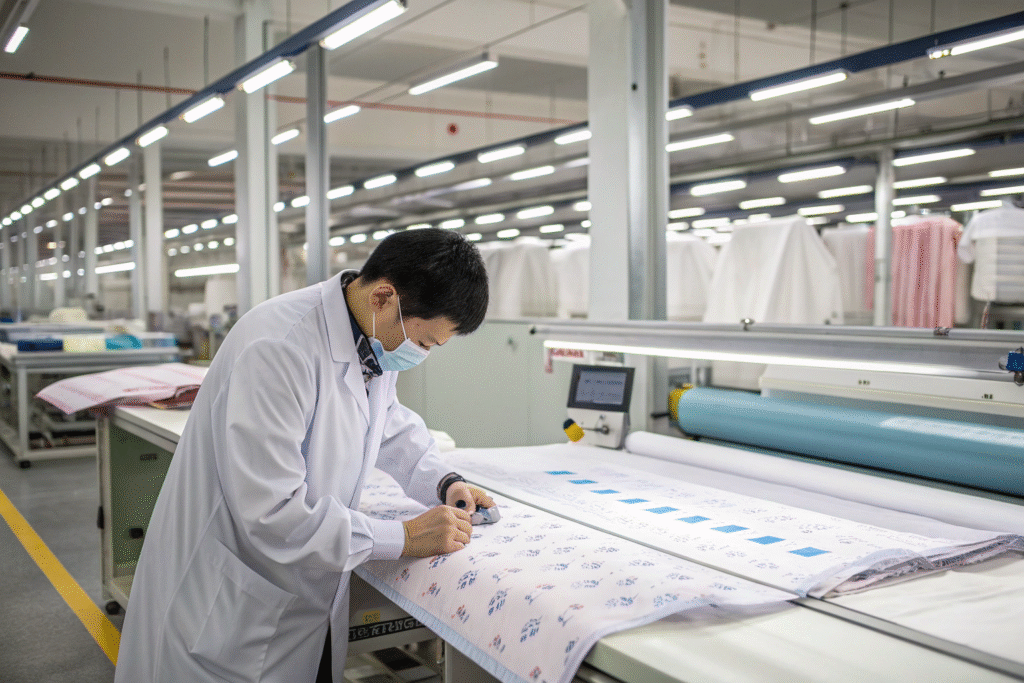
Vertical integration means a manufacturer controls multiple stages of the production process, from sourcing yarns to knitting, dyeing, and sewing. This control is a game-changer for quality. At Fumao, our integrated production lines allow us to monitor every step. We ensure the phase-change materials are properly integrated into the yarn and that the knitting process is optimized to preserve the fabric's technical properties. This control minimizes variables, leading to superior consistency in every batch, which is essential for building trust in your children's wear brands. It also enhances our agility, allowing for better customizable logo and design execution.
Is Investing in Advanced Baby Clothing Technology Profitable for Brands?
In a crowded market, you need a unique selling proposition. The problem is competing on price alone, which is a race to the bottom. The solution is to compete on value and innovation. Investing in advanced baby clothing technology is not an expense; it's a strategic move that drives profitability by allowing you to command higher prices and build a loyal customer base.
Yes, it is highly profitable. Temperature-regulating technology allows your brand to move into the premium segment of the market. Parents are willing to pay more for products that offer proven benefits for their child's comfort and safety. This technology provides a compelling story for your marketing, differentiating you from competitors who only sell basic cotton apparel. It transforms your product from a simple commodity into a specialized, high-value item, directly addressing the needs of quality-sensitive buyers like Ron.
How can this technology enhance your brand's market positioning?
This technology positions your brand as an innovative, caring, and expert leader in child wellness. It shows that you understand the scientific needs of babies and are committed to providing the best solutions. This enhanced positioning allows you to:
- Justify a higher price point due to the added functionality.
- Attract partnerships with premium retailers who seek out innovative products.
- Generate positive reviews and word-of-mouth from satisfied parents.
This strategic advantage is why many of our partners in North America and Europe consistently choose to integrate these advanced options into their seasonal collections.
What is the long-term ROI of offering high-tech babywear?
The long-term Return on Investment is strong and multifaceted. The initial higher cost per unit is offset by:
- Increased Profit Margins: You sell a premium product at a premium price.
- Customer Loyalty: Parents who see a positive impact on their baby's sleep and comfort become repeat customers and brand advocates.
- Reduced Returns: High-quality, high-performance garments lead to higher customer satisfaction and fewer product returns.
- Brand Equity: You build a reputation as a forward-thinking brand, which makes launching new products and entering new markets easier. This long-term value far outweighs the short-term cost savings of sticking with basic apparel.
Conclusion
Temperature-regulating technology is no longer a luxury in baby clothing; it is a vital feature that addresses core needs for infant safety, comfort, and better sleep. From the science of phase-change materials to the tangible benefits of reduced overheating and skin irritations, this innovation represents the future of responsible baby apparel. For brands, it is a clear pathway to differentiation, higher value, and long-term customer loyalty.
Partnering with a manufacturer that has the expertise and quality control to deliver on this promise is essential. If you are ready to elevate your children's wear line with reliable, high-performance, and profitable temperature-regulating apparel, we are here to make it happen. Contact our Business Director, Elaine, today at elaine@fumaoclothing.com to discuss how Shanghai Fumao can become your trusted manufacturing partner.