
In the fast-paced world of children's fashion, seasons change in the blink of an eye. New trends go viral overnight. As a brand owner, you feel the pressure to keep up. Delays in your supply chain can mean missing these crucial selling windows entirely, leaving you with outdated inventory and lost revenue. The traditional, slow manufacturing model is no longer enough. You need a partner that can move as quickly as the market does.
Quick Response (QR) manufacturing is a strategic approach that shortens the time between a product's design and its delivery to market. For children's fashion, this is not just a convenience; it's a critical competitive advantage. It allows brands to adapt to trends rapidly, manage inventory efficiently, and meet consumer demand instantly, ultimately protecting profitability in a volatile industry. The ability to react swiftly can be the difference between capitalizing on a trend and being stuck with unsold stock. Let's explore how this operational philosophy can transform your business, making it more resilient and responsive than ever before.
How Can QR Manufacturing Reduce Inventory Costs?
Holding excess inventory is a silent profit killer in the children's wear industry. Styles that seemed promising can become dead stock if they don't sell immediately. Quick Response manufacturing tackles this problem head-on by aligning production closely with actual market demand, transforming your inventory management from a guessing game into a precise science.
QR manufacturing directly reduces inventory costs by enabling a just-in-time production model. Instead of committing to massive, risky orders months in advance, you can place smaller, more frequent orders based on real-time sales data. This minimizes the capital tied up in unsold goods and drastically reduces warehousing expenses. This approach shifts your business from a push to a pull system, where what you make is what is currently selling.
What is the link between production speed and stock levels?
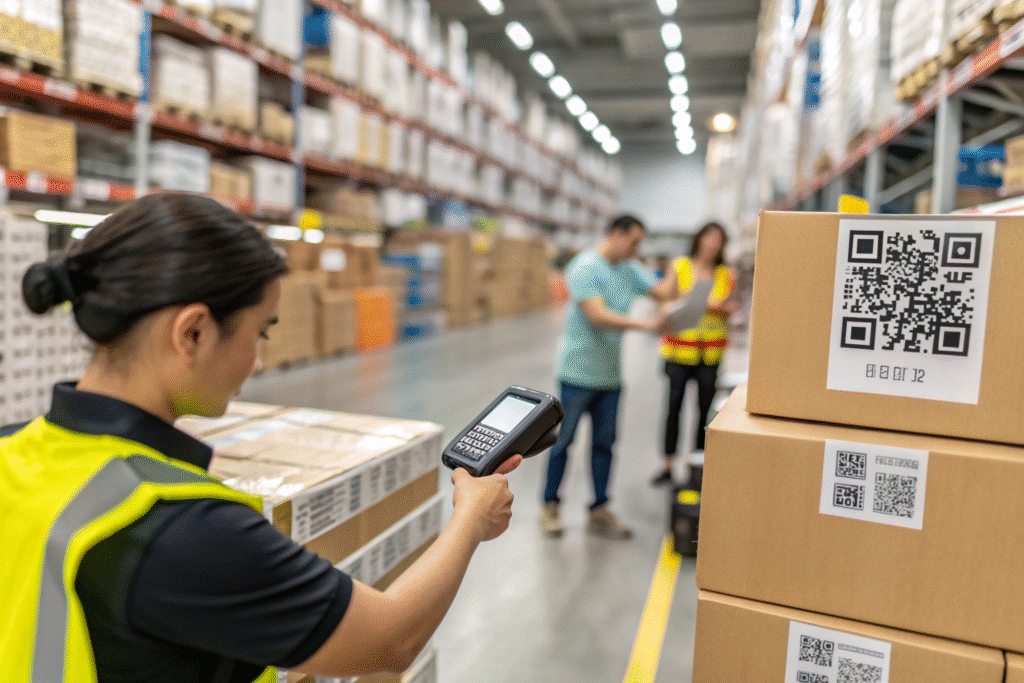
The connection is direct and powerful. Slow production forces you to forecast demand far in advance, leading to overstocking of items that may not sell and understocking of surprise hits. With a fast lead time, you can reorder best-selling items quickly before the trend fades. This agility means you don't need a huge safety stock of every product. Your inventory management becomes lean and responsive, freeing up cash that was previously locked in warehouse shelves. This financial flexibility allows you to invest in marketing new lines or expanding your business.
How does smaller batch production improve cash flow?
Producing in smaller batches fundamentally improves your cash flow cycle. A large upfront order requires a massive capital outlay, locking your money away for months. Smaller batches, however, require smaller, more frequent payments. This means your cash isn't tied up in production for extended periods. You can sell one batch and use the revenue to fund the next, creating a healthier, self-sustaining financial loop. This model is less risky and allows you to test the market with new designs without betting your entire season's budget on one unproven style.
Why Does Agile Production Help Capture Trends?
Children's fashion trends are increasingly influenced by social media and pop culture, making their lifecycles shorter than ever. An agile production system is your key to not just observing these trends but actively capitalizing on them. It turns speed into a strategic weapon, allowing your brand to be relevant and exciting all year round.
Agile production helps capture trends by drastically compressing the design-to-delivery timeline. When a new style or character explodes in popularity, a responsive manufacturer can swiftly integrate it into a new collection, ensuring your products hit the market while demand is at its peak. This speed transforms your brand from a follower into a trendsetter, constantly offering fresh content and products to your customers.
How can you speed up your product development cycle?
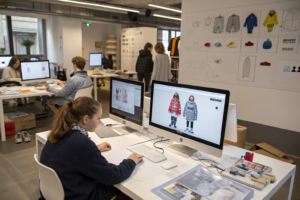
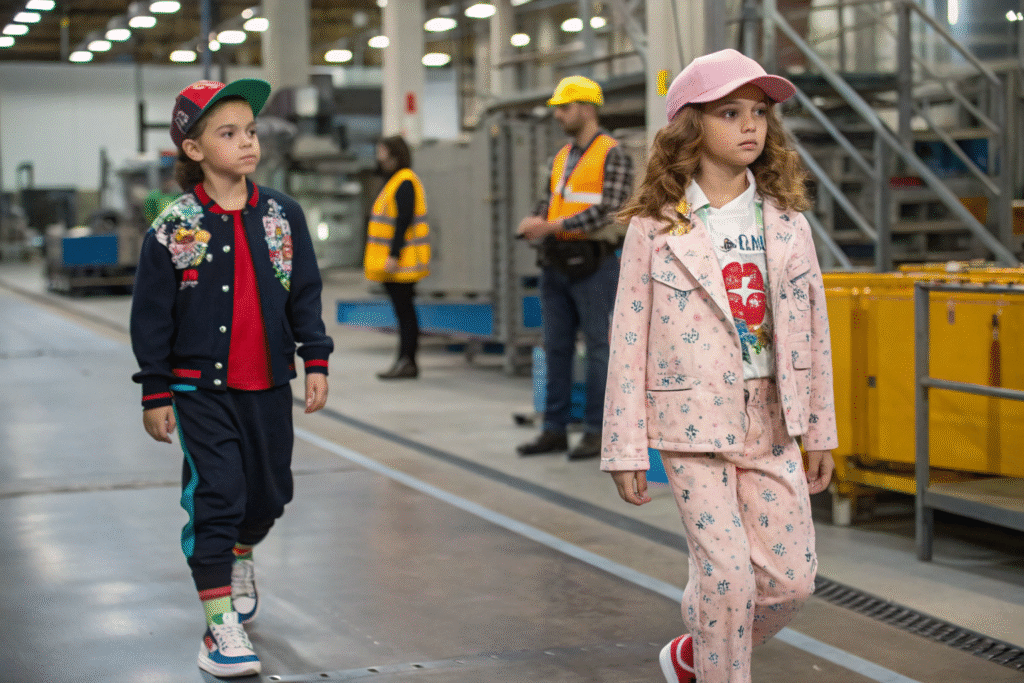
A shortened product development cycle starts with a manufacturer that has a strong in-house design and prototyping team. At our factory, we use advanced techniques and close collaboration to turn your concept into a physical sample in days, not weeks. This rapid prototyping allows for quick feedback and revisions, ensuring the final product is perfect and can move into production without delay. Furthermore, leveraging a manufacturer with expertise in fashion trends for the US and European markets provides invaluable insights, helping you pre-emptively design for what's next.
What role does fabric sourcing play in being fast to market?
Fabric sourcing is often the most unpredictable part of the production timeline. An agile manufacturer mitigates this by maintaining a strong network of reliable fabric suppliers and keeping strategic stock of common materials. This proactive approach eliminates the waiting period for fabric sourcing. We also guide clients toward materials that are not only on-trend and high-quality but also readily available, ensuring that when you decide to move forward with a design, the raw materials are already accessible, preventing a major bottleneck.
How Does QR Improve Communication with Suppliers?
Inefficient communication is a primary pain point for many brand owners, leading to costly errors and delays. Quick Response manufacturing is built on a foundation of transparent and continuous communication. It replaces the traditional black-box model with a partnership where you are informed and in control every step of the way.
QR improves communication by establishing clear, direct, and frequent touchpoints throughout the production process. This involves dedicated contacts, real-time updates, and shared digital platforms that provide visibility into each stage, from material cutting to final QC and shipping. This transparency builds trust and ensures that any potential issues are identified and resolved collaboratively before they can impact your timeline.

What are the benefits of having a single point of contact?
A dedicated customer service manager transforms the sourcing experience. Instead of being passed between departments, you have one knowledgeable professional who understands your brand, your order, and your specific needs. This person is your advocate inside the factory, responsible for providing updates, answering questions, and solving problems. This streamlined communication prevents misunderstandings and ensures that your instructions are executed accurately, saving you time and reducing the frustration of dealing with multiple, uncoordinated sales reps.
How can technology bridge the communication gap?
Modern technology is key to closing the communication loop. We utilize platforms that allow for seamless sharing of tech packs, design revisions, and production approvals. You can receive quality control reports with photos and videos before shipment, giving you the confidence that your order meets your standards. This digital thread ensures a complete audit trail and keeps everyone aligned, making the process smooth and predictable regardless of the physical distance between us.
Can a Reliable Supply Chain Prevent Shipping Delays?
Shipping delays are more than an inconvenience; they can cause you to miss a entire selling season, resulting in massive financial losses. A reliable and transparent supply chain is your best defense against this risk. It's about proactive planning and having contingency measures in place to ensure your products arrive when you need them.
A reliable supply chain is fundamental to preventing shipping delays. It involves meticulous planning at every stage—from raw material procurement to production scheduling and logistics coordination—ensuring that deadlines are met consistently. A partner with a proven track record in on-time delivery uses its experience and optimized processes to navigate potential disruptions. This reliability is what allows you to plan your marketing and sales campaigns with confidence.
Why is DDP shipping a better option for you?
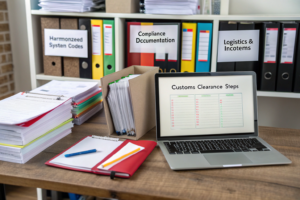
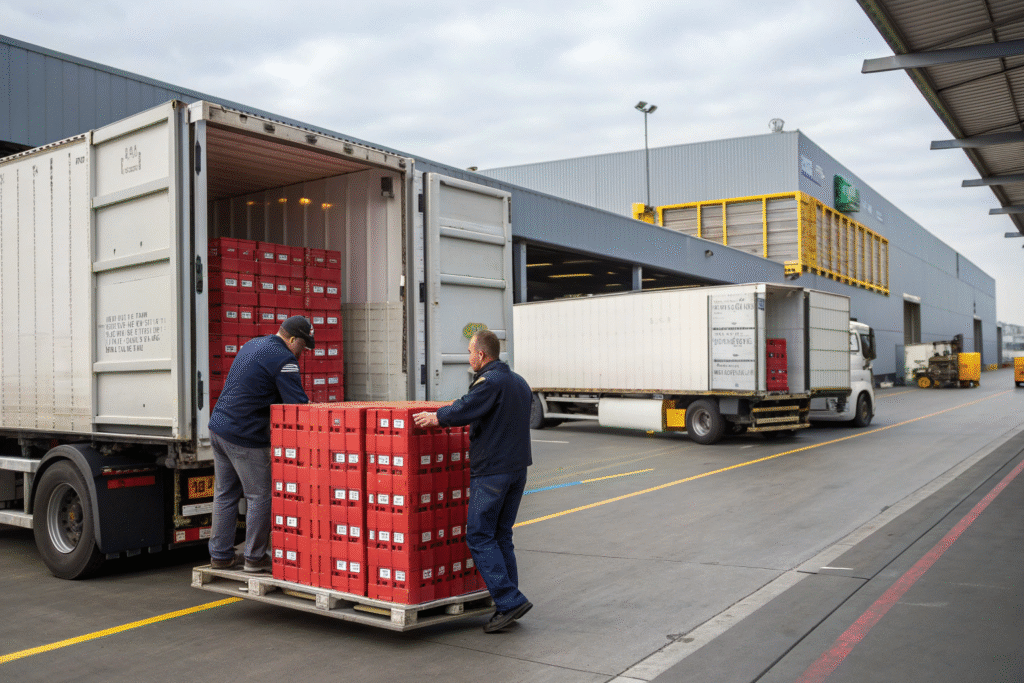
DDP (Delivered Duty Paid) shipping simplifies the entire process for you, the buyer. With DDP, the supplier handles all the complexities, including freight, insurance, import duties, and taxes. You get a single, all-inclusive price and the certainty that your goods will be delivered to your warehouse without unexpected fees or paperwork hassles. This model provides total cost clarity and reduces the risk of delays at customs, as the supplier's experienced logistics team manages the entire journey. For busy brand owners, this peace of mind is invaluable.
How does factory location impact logistics efficiency?
Our strategic location in China, a global hub for textile manufacturing, offers significant logistics advantages. We have direct access to some of the world's busiest and most efficient ports, with established relationships with major shipping lines and freight forwarders. This allows for more flexible and frequent sailing options, reducing the time your goods spend waiting at the port. Our proximity to a robust network of material suppliers also means shorter lead times for sourcing, which keeps the overall production schedule on track.
Conclusion
In today's dynamic children's fashion market, speed, agility, and reliability are not just bonuses—they are necessities. Quick Response manufacturing provides the framework to achieve all three, directly addressing the core challenges of inventory cost, trend responsiveness, communication gaps, and shipping delays. By embracing this approach, you can build a more resilient, profitable, and competitive brand.
Ready to transform your supply chain and make your brand more responsive than ever? Partner with us to leverage our agile manufacturing expertise. For a personalized discussion on how we can help you produce your next clothing line quickly and reliably, please contact our Business Director, Elaine, at elaine@fumaoclothing.com. Let's build the future of children's fashion, together.