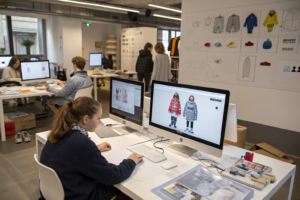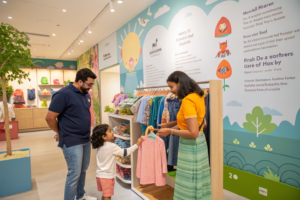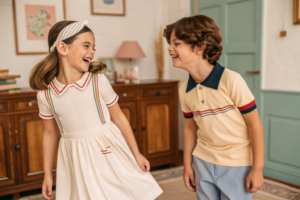

In the rapidly evolving children's fashion industry, product development isn't just another department—it's the core engine that drives everything from brand identity to profitability. As a manufacturer working with successful kids wear brands globally, we've seen how exceptional product development separates market leaders from followers.
Product development is the heart of kids fashion because it directly addresses children's unique physical needs, evolving safety standards, changing style preferences, and practical functionality requirements while balancing cost considerations. This comprehensive process transforms creative concepts into commercially viable products that resonate with both children and their parents. Without strong product development, even the most brilliant designs fail in the marketplace.
How Does Product Development Address Children's Unique Needs?
Children are not simply small adults—they have distinct physical, developmental, and lifestyle requirements that must be addressed through specialized product development. This understanding forms the foundation of successful kids fashion.
The product development process considers children's rapid growth, sensitive skin, high activity levels, and developing motor skills. Unlike adult clothing, kids wear must accommodate constant movement, withstand frequent washing, and provide comfort without restricting natural development. These considerations influence everything from fabric selection and seam construction to sizing gradations and closure systems.

What Physical Considerations Drive Kids Wear Development?
Children's bodies change dramatically during growth phases, requiring specialized attention to proportion, ease of movement, and comfort. Product developers must understand how children's bodies differ from adults in shoulder slope, torso length, and limb proportions. These anthropometric data inform pattern making and sizing systems that accommodate natural movement while providing comfortable fit. The best kids clothing allows for crawling, running, and playing without restriction or discomfort.
How Do Developmental Stages Influence Design Choices?
Each childhood stage presents unique design challenges and opportunities. Babies need clothing that facilitates diaper changes and doesn't irritate sensitive skin. Toddlers require garments that support their growing independence with easy closures. School-aged children need durable clothing that withstands active play while expressing personal style. Understanding these developmental milestones helps product developers create age-appropriate solutions that support children's natural growth and development through clothing.
Why Is Safety Integration Crucial in Kids Product Development?
Safety considerations must be woven into every stage of kids fashion development, from initial concept to final production. This proactive approach prevents costly recalls and builds parent trust.
Modern kids wear safety extends beyond basic fabric safety to include choking hazard prevention, strangulation risk reduction, and flammability compliance. Product developers must stay current with global safety standards while anticipating potential misuse of clothing items. This vigilance ensures that beautiful designs don't compromise children's wellbeing.

What Safety Standards Must Product Developers Master?
Kids fashion product developers must navigate a complex landscape of international safety regulations. These include CPSIA compliance in the US, REACH regulations in Europe, and various national standards for flammability, chemical content, and physical safety. Understanding these safety standards is essential for creating products that can be sold across multiple markets. The most successful developers build safety considerations into their initial design criteria rather than treating them as afterthoughts.
How Do You Balance Safety with Aesthetic Appeal?
The greatest challenge in kids wear development lies in creating safe products that children actually want to wear. This requires innovative problem-solving, such as using printed designs instead of appliqués that could detach, implementing magnetic closures instead of small buttons, and selecting durable yet soft fabrics. Successful safety integration maintains design integrity while eliminating potential hazards through thoughtful material and construction choices.
How Does Product Development Respond to Market Trends?
Effective product development serves as the bridge between emerging trends and commercial viability, translating fashion directions into products that resonate with contemporary families.
The process involves continuous market research, trend analysis, and consumer feedback integration. Kids fashion developers must understand what children find cool, what parents value, and what practical considerations matter for modern family life. This dual perspective—appealing to both the wearer and the purchaser—makes kids fashion development uniquely challenging.

What Research Methods Inform Successful Development?
Comprehensive market research combines quantitative data analysis with qualitative consumer insights. Successful developers analyze sales data to understand what styles, colors, and fabrics perform best while conducting focus groups with both children and parents. Monitoring children's fashion trends across social media, entertainment, and peer influences provides early indicators of emerging directions. The most effective research approaches combine multiple data sources for a complete market picture.
How Do You Translate Trends into Commercial Products?
Identifying trends is only the first step—the real skill lies in adapting those trends into products that work for children's lifestyles and parent budgets. This might mean interpreting adult fashion trends through age-appropriate lenses, selecting trend-right colors in practical fabrics, or creating themed collections that capture current interests without dating quickly. Successful trend translation maintains fashion relevance while ensuring commercial viability and appropriate pricing.
What Role Does Cost Engineering Play in Development?
Product development must balance creative vision with financial reality, ensuring that beautiful designs can be produced at price points that deliver value to customers and profitability to brands.
Cost engineering begins at the concept stage and continues through material selection, construction analysis, and production planning. Developers work backward from target retail prices to determine feasible cost structures, making strategic decisions about where to invest and where to save without compromising quality or safety.

How Do You Determine the Right Cost Structure?
Establishing the appropriate cost structure requires understanding your target market's price expectations and your brand's positioning. Luxury brands might invest in specialty fabrics and intricate details, while mass-market brands focus on efficient construction and volume pricing. The costing process involves calculating fabric consumption, labor requirements, trims, packaging, and overhead to ensure the product can be delivered within the target cost while maintaining desired quality standards.
What Value Engineering Strategies Work Best?
Value engineering identifies opportunities to reduce costs without diminishing perceived value. This might involve simplifying construction methods, sourcing equally beautiful but more cost-effective fabrics, or eliminating features that customers don't value. Successful value engineering focuses resources on elements that customers notice and appreciate while optimizing less visible components. The goal is creating products that feel more valuable than their price suggests.
Conclusion
Product development sits at the heart of kids fashion because it synthesizes creative vision, technical expertise, market understanding, and business acumen into products that truly work for children and their families. It's the strategic process that transforms ideas into successful commercial products that meet real needs while capturing imagination.
Exceptional product development requires partners who understand both the art and science of creating children's clothing. If you're looking to strengthen your product development process with a manufacturing partner who brings decades of specialized experience, contact our Business Director, Elaine, at elaine@fumaoclothing.com. Let's discuss how we can help you develop products that stand out in the competitive kids fashion market.