
As both a textile researcher and a manufacturer of children’s apparel, I have seen how the question of fiber origin transparency has evolved from a niche concern into a mainstream requirement. In today’s global supply chains, parents, regulators, and brands demand clear evidence of where fibers come from and how they are processed. For baby clothing in particular, the stakes are high because fibers directly touch delicate skin and must meet the strictest safety and sustainability standards.
Fiber origin transparency is important because it ensures product safety, validates sustainability claims, prevents unethical sourcing, strengthens consumer trust, and reduces supply chain risks. Without it, brands risk recalls, import bans, and reputational damage.
This article combines academic insights from textile compliance research with practical factory experience to explain why fiber origin transparency matters.
How Does Fiber Transparency Ensure Safety and Compliance?
Children’s wear faces some of the strictest regulations in the apparel sector.
Fiber origin records prove that raw materials are free of restricted chemicals and meet international safety standards.

Why Is Chemical Safety Critical?
Fibers from uncertified farms may contain pesticide residues or be dyed with banned azo dyes. The OEKO-TEX Standard 100 ensures every component, from threads to labels, is free of harmful substances.
Which Laws Require Proof?
In the U.S., the Consumer Product Safety Commission enforces CPSIA standards, while Europe enforces REACH restrictions. Fiber traceability allows brands to demonstrate compliance during audits or customs inspections.
How Does Transparency Support Sustainability?
Sustainability claims are meaningless without data.
Transparent sourcing verifies that organic cotton or recycled polyester really come from certified supply chains.

Why Is Organic Cotton Verification Important?
The Global Organic Textile Standard (GOTS) requires full traceability from farm to garment. Without origin data, no product can legally claim to be “organic.”
How About Recycled Fibers?
The Textile Exchange monitors preferred materials like recycled polyester. Fiber origin transparency ensures suppliers do not mix virgin polyester into recycled batches.
How Does It Prevent Unethical Sourcing?
Transparency helps eliminate hidden abuses in supply chains.
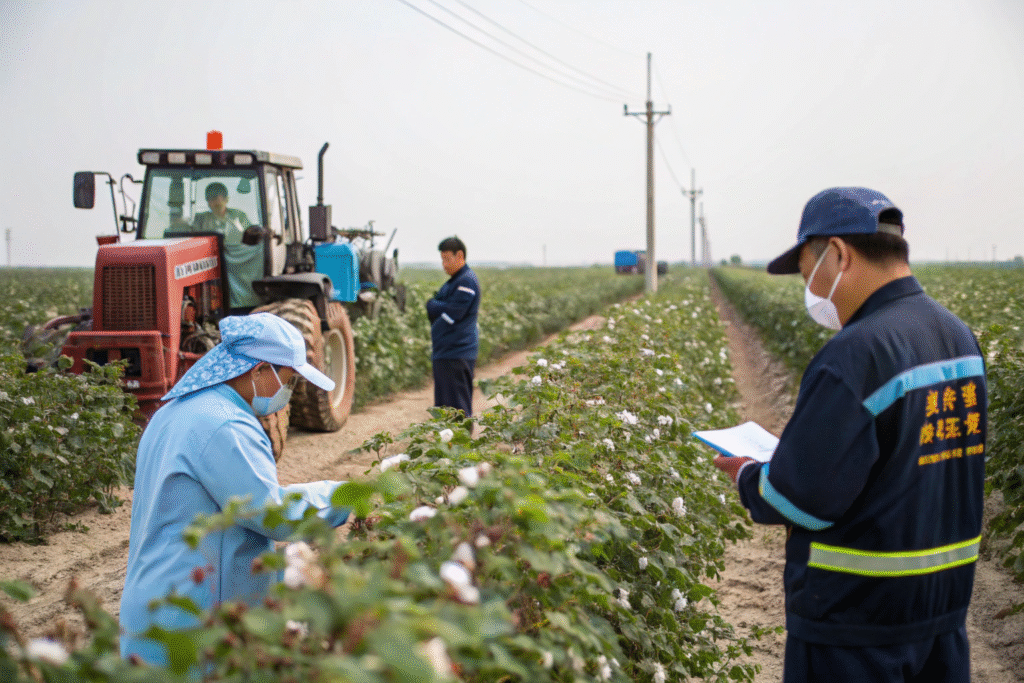
Fiber origin data proves that materials are not linked to forced labor or illegal farming.
Why Is This Legally Required?
The U.S. Uyghur Forced Labor Prevention Act (UFLPA) bans imports of cotton from certain regions unless companies prove fiber origins. CBP guidance requires detailed supply chain documentation.
How Does This Protect Buyers?
Auditing fiber origins helps brands avoid reputational crises and ensures consumers are not buying clothes linked to exploitation.
How Does Transparency Build Consumer Trust?
Parents want assurance that baby clothes are safe, ethical, and eco-friendly.
Fiber origin transparency allows brands to show proof rather than promises.

Why Do Consumers Care?
Millennial parents research before buying. Blockchain tools like TextileGenesis let them trace garments back to fiber farms.
How Does It Build Loyalty?
When brands openly share fiber data, they differentiate themselves as ethical leaders. Lack of transparency, by contrast, leads to mistrust and lower repeat purchases.
How Does It Reduce Supply Chain Risks?
From a sourcing manager’s perspective, transparency improves control.
It reduces fraud, prevents mislabeling, and ensures certified inputs are truly delivered.

What Risks Are Minimized?
- Mixing uncertified fibers with organic cotton.
- False labeling of recycled polyester.
- Customs delays due to unverifiable documentation.
Who Benefits Most?
Large retailers, distributors, and brand owners who import globally gain assurance that their goods will not be rejected at borders or recalled in stores.
Conclusion
Fiber origin transparency is now a core requirement in apparel sourcing. It ensures safety, validates sustainability, prevents unethical practices, builds trust, and minimizes risks. For baby clothing especially, it is the foundation of compliance and credibility.
At Shanghai Fumao Clothing, we work only with certified suppliers and provide full fiber traceability reports to our clients. We comply with GOTS, OEKO-TEX, CPSIA, and BSCI standards, ensuring every garment is safe and sustainable. If you want to build a children’s wear collection with proven fiber transparency, please contact our Business Director Elaine at elaine@fumaoclothing.com.