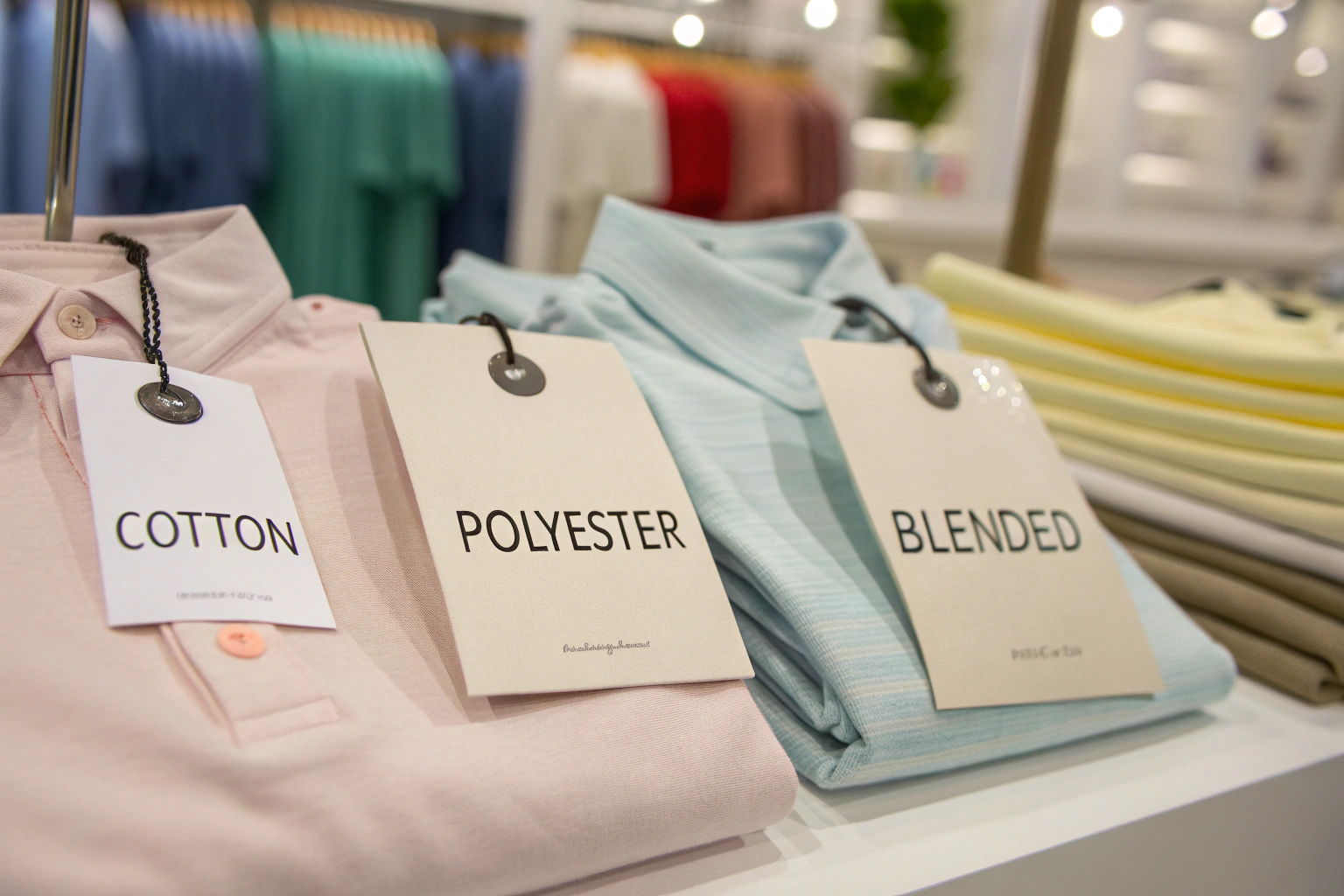
Fabric labels may look small, but they carry big value. A fabric composition label tells us exactly what fibers are in a garment. It explains how to wash and care for it. It also helps parents choose safe and comfortable clothing for their children.
Fabric composition labeling is critical because it gives transparency, ensures legal compliance, supports proper care, and protects consumer health.
Let us explore why every garment must carry an accurate label.
Transparency and Consumer Trust
A clear label builds trust between brands and buyers. Parents want to know if a fabric is natural, synthetic, or a blend. Honest labels make this choice easy.
Transparent labeling helps customers understand products and builds confidence in the brand.
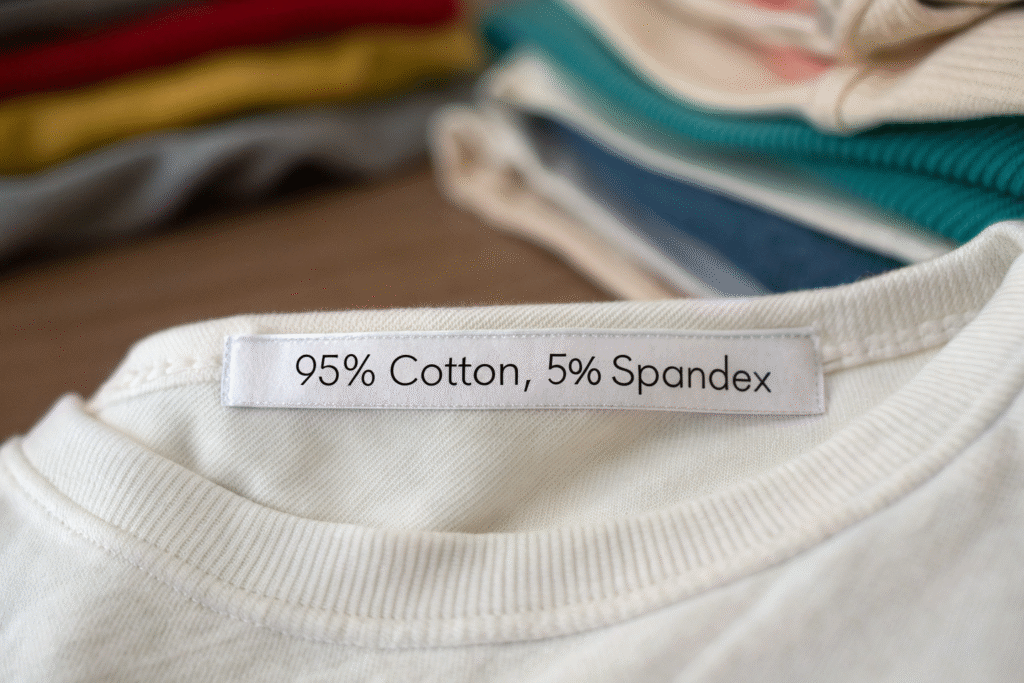
Why does transparency matter?
Parents care about safety and comfort. Labels showing organic cotton percentages reassure them about what touches their child’s skin.
How does transparency help brands?
It avoids disputes. Shoppers trust brands that disclose fabric content, much like H&M does across markets.
Compliance With International Regulations
Countries require fabric composition labels by law. The United States, Europe, and many others enforce strict rules on fiber disclosure.
Compliance keeps brands safe from legal problems and allows smooth international trade.

What laws apply to fabric labeling?
The Textile Fiber Products Identification Act in the US and EU regulations require clear fiber details. These rules apply to both imports and exports.
Why must brands comply?
Non-compliance leads to fines or shipment delays. Retailers such as Zara require strict label accuracy before they accept suppliers.
Guidance for Proper Care and Durability
Labels also guide parents on how to care for garments. Without them, fabrics may shrink, fade, or lose shape.
Fabric composition guides care instructions and helps garments last longer.
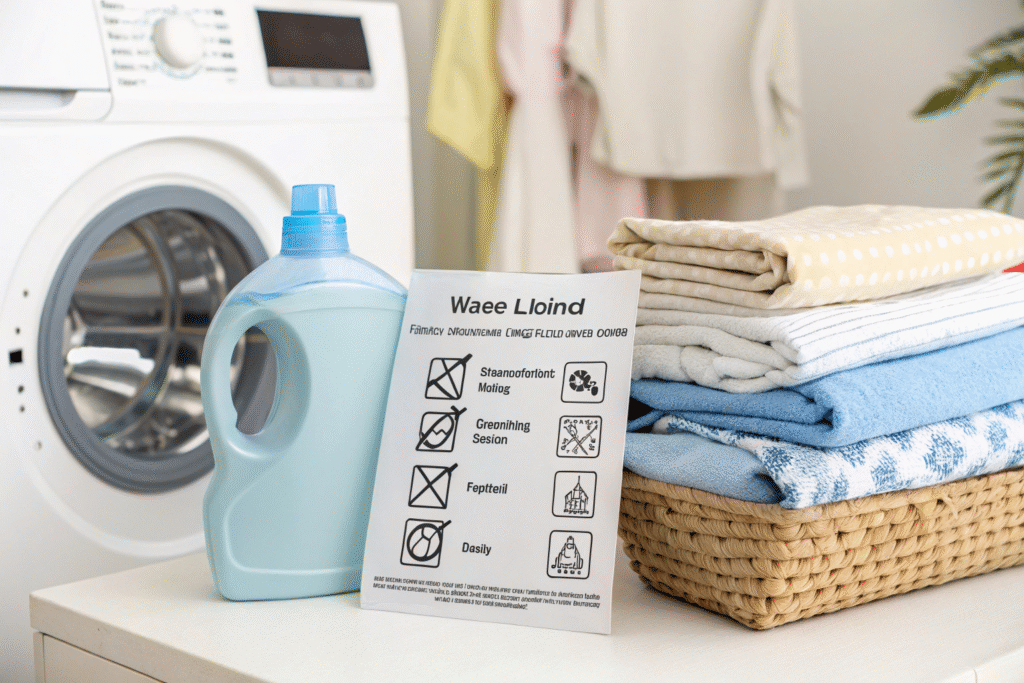
Why do blends need special care?
Different fibers respond differently to washing. Polyester blends resist wrinkles, but cotton shrinks. Labels explain how to handle these differences.
How do labels reduce complaints?
Clear instructions lower the risk of product returns. Platforms like Amazon rely on accurate labeling to protect buyers and sellers.
Protection Against Allergies and Irritation
Fabric composition affects health. Some children react to synthetic fibers or chemical finishes. Clear labels help parents avoid risks.
Labels that show natural or hypoallergenic fibers protect children from discomfort.

Why do natural fiber labels matter?
Parents often choose OEKO-TEX certified cotton to avoid harmful substances. Labels confirm safety for babies and toddlers.
How do labels protect brands?
If problems arise, clear labels show compliance. Brands like Gap use this to reduce liability and maintain trust.
Conclusion
Fabric composition labeling is more than a detail. It ensures transparency, follows the law, supports care, and protects health. In children’s wear, these factors are vital. Parents want safety, trust, and durability.
At Shanghai Fumao, we provide accurate and compliant labels with every order. Our products meet international standards and help brands build lasting customer trust.
👉 For custom labeling solutions, contact our Business Director Elaine at elaine@fumaoclothing.com. We are ready to support your brand with safe and reliable labeling.