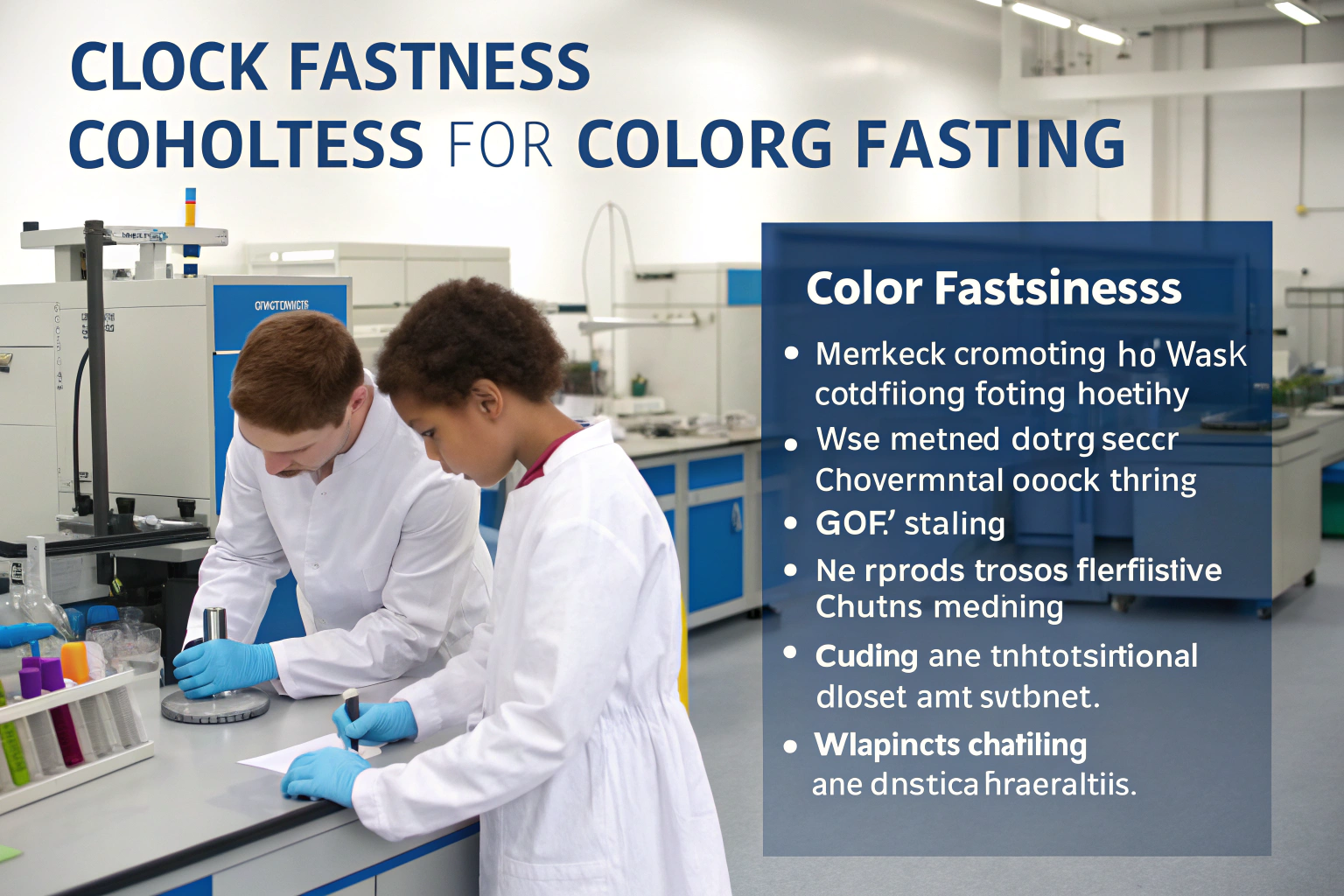
As a children's clothing manufacturer who has worked with major American and European brands for decades, I've seen firsthand how color fastness issues can damage brands and disappoint parents. The vibrant colors that make children's clothing appealing become a liability when they don't stand up to real-world conditions. Color fastness testing isn't just a technical requirement—it's fundamental to delivering on your brand promise of quality and safety.
Color fastness testing is critical for children's garments because it ensures dyes remain stable during washing, rubbing, sweating, and light exposure, preventing potential health risks from dye transfer and maintaining garment appearance. For children specifically, whose behaviors include mouthing clothing and who have more sensitive skin, color fastness directly impacts safety by preventing dye ingestion and skin irritation while preserving garment integrity throughout its lifespan.
The consequences of poor color fastness extend beyond aesthetics to genuine safety concerns that no responsible children's brand can ignore. Understanding why this testing matters helps brands make informed decisions about their manufacturing partnerships and quality standards.
What specific risks does poor color fastness create?
Poor color fastness creates multiple risks that are particularly concerning in children's garments. These risks extend beyond simple appearance issues to genuine health and safety concerns that responsible brands must address proactively.
Children interact with their clothing differently than adults, and their developing bodies respond differently to chemical exposures. These behavioral and physiological differences make color fastness particularly important in children's wear, where the consequences of dye transfer or bleeding can be more severe than in adult clothing.
How can dye transfer affect children's health?
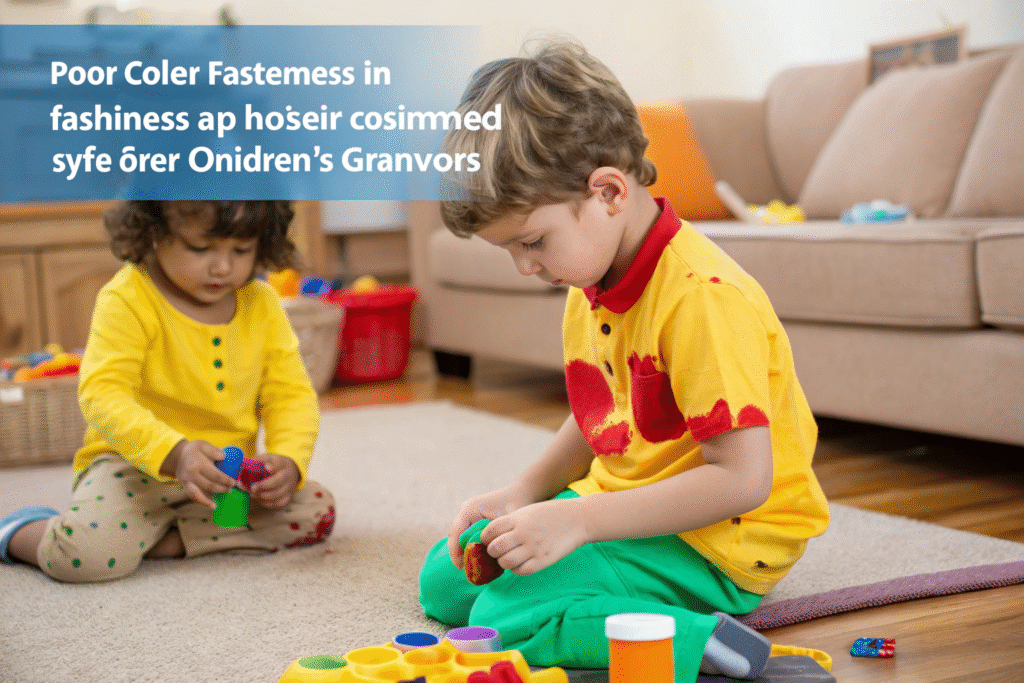
Dye transfer poses several specific health risks to children that aren't always apparent to parents. During mouthing behaviors common in infants and toddlers, unstable dyes can transfer directly from clothing to saliva and be ingested, potentially introducing harmful substances into developing systems. When dyes bleed onto skin during sweating, they can cause allergic reactions, dermatitis, or skin irritation, particularly problematic for the 20-30% of children with sensitive skin or conditions like eczema. If dyes transfer to other garments during washing, they can spread potential irritants to items like underwear that have direct, prolonged skin contact. Additionally, some dyes may break down into harmful components like aromatic amines when they become unstable, creating exposure risks that OEKO-TEX Standard 100 certification specifically addresses through rigorous testing.
What functional problems result from color bleeding?
Color bleeding creates functional problems that compromise both garment performance and user experience. When dyes migrate between different colored sections of a garment, they destroy the design integrity and make clothing appear old and worn prematurely. Bleeding during washing can ruin entire loads of laundry, creating practical problems and additional expenses for parents. Dye transfer to car seats, furniture, or bedding creates collateral damage beyond the garment itself. As colors fade or change due to poor light or wash fastness, coordinating outfits becomes difficult, reducing the practical wardrobe value. Additionally, the chemical process of dye degradation can weaken fibers, reducing garment durability and lifespan, which represents poor value for parents investing in quality children's wear.
How is color fastness testing performed?
Color fastness testing employs standardized methods that simulate the various conditions garments will encounter during their lifespan. Understanding these tests helps brands appreciate the comprehensive approach needed to ensure color stability.
Professional color fastness testing follows international standards that provide reproducible, comparable results across different laboratories and manufacturers. These tests evaluate color stability under specific stressors that mimic real-world use conditions, allowing manufacturers to identify potential issues before products reach consumers.

What are the key color fastness tests for children's wear?
Several specific color fastness tests are particularly relevant for children's clothing due to their usage patterns. Wash fastness testing (ISO 105-C06) evaluates color loss and staining during laundering using controlled temperature, detergent, and mechanical action. Rub fastness testing (ISO 105-X12) assesses both dry and wet color transfer when fabrics rub against themselves or other surfaces, critical for areas like sleeves and knees. Perspiration fastness (ISO 105-E04) tests color stability when exposed to acidic and alkaline perspiration, important for clothing worn during active play. Light fastness (ISO 105-B02) determines resistance to fading from sunlight exposure, relevant for outdoor wear. Additionally, saliva fastness testing is specifically required for baby clothing due to mouthing behaviors, ensuring dyes don't transfer when garments are chewed or sucked.
How do manufacturers interpret test results?
Manufacturers interpret color fastness results using standardized grey scales that provide objective measurement of color change and staining. The Grey Scale for Color Change assesses how much the original fabric color has altered after testing, ranging from grade 5 (no change) to grade 1 (severe change). The Grey Scale for Staining evaluates how much color has transferred to adjacent fabrics, using the same grading system. For children's clothing, most reputable manufacturers and brands require minimum ratings of 3-4 for wash fastness and 4 for rub fastness, with even higher requirements for baby items. These ratings ensure colors remain stable through the garment's expected lifespan while minimizing risks of dye transfer. Manufacturers use these results to adjust dyeing formulas and processes until achieving the required fastness levels.
Why do some colors and fabrics present greater challenges?
Certain colors and fabric types inherently present greater color fastness challenges that require special attention during manufacturing. Understanding these variables helps brands make informed design decisions that balance aesthetic goals with performance requirements.
The chemistry of dyes and their interaction with different fibers creates natural variations in color fastness performance. Some combinations simply resist achieving the high fastness standards required for children's wear, necessitating either design modifications or more sophisticated dyeing approaches.
| Color/Fabric Type | Fastness Challenges | Solutions for Children's Wear |
|---|---|---|
| Red & Orange Dyes | Poor wash and light fastness | Use high-performance dyes, avoid in high-fade areas |
| Denim/Indigo | Poor rub fastness | Special finishing treatments, enzyme washes |
| Dark Colors | Poor rub fastness | Fiber-reactive dyes, thorough rinsing |
| Synthetics | Difficult dye penetration | High-temperature pressure dyeing, carrier agents |
| Fabric Blends | Uneven dye absorption | Union dyes, separate dyeing of components |

Which colors typically have the poorest fastness?
Certain color families consistently present greater fastness challenges across fabric types. Bright reds and oranges often show poor light fastness, fading noticeably with sun exposure. Rich purples and violets frequently demonstrate poor wash fastness, bleeding significantly during laundering. Deep navies and blacks typically exhibit poor rub fastness, transferring color easily to skin and other surfaces. Fluorescent and neon colors generally have across-the-board fastness issues, requiring special dyeing approaches. Additionally, certain green shades can be problematic due to their complex dye combinations. These challenging colors require careful consideration when placing them in high-stress areas like sleeves, collars, and knees where friction and exposure are greatest.
How do fabric compositions affect color fastness?
Fabric composition significantly influences how dyes bond and therefore their fastness performance. Natural fibers like cotton and linen typically achieve excellent wash fastness with fiber-reactive dyes but may have moderate light fastness. Wool and silk require acid dyes that offer brilliant colors but can have variable wash fastness without proper after-treatment. Synthetic fibers like polyester need disperse dyes applied at high temperatures, generally offering good wash fastness but sometimes poor gas fading resistance. Fabric blends present the greatest challenge as different fibers require different dye types, potentially resulting in uneven dyeing and fastness issues. Each fiber type requires specific dye selection and application processes to achieve the high fastness standards necessary for children's wear.
How can brands ensure proper color fastness?
Ensuring proper color fastness requires a comprehensive approach spanning design, manufacturing, and quality control. Brands that proactively address color fastness throughout their development process avoid the costly consequences of failures in the market.
Color fastness begins with strategic decisions made long before production and continues through rigorous verification before shipment. A systematic approach to color management represents one of the most valuable investments a children's wear brand can make in product quality and safety.

What specifications should brands include in manufacturing contracts?
Clear, specific color fastness requirements in manufacturing contracts provide legal protection and quality assurance. Brands should specify exact test methods and minimum acceptable ratings for each relevant fastness type, typically referencing International Organization for Standardization (ISO) or American Association of Textile Chemists and Colorists (AATCC) standards. Requirements should mandate third-party testing by accredited laboratories rather than factory self-reporting. Contracts should specify consequences for failure to meet standards, including rejection of shipments, chargebacks for discounting defective goods, or responsibility for recalls. Additionally, brands should require documentation of dye formulations and processes used, particularly for high-risk colors. These specifications create accountability and ensure color fastness receives appropriate attention throughout production.
How does factory selection impact color fastness outcomes?
Factory selection profoundly impacts color fastness outcomes through technical capability, equipment quality, and cultural commitment to quality. Manufacturers with in-house laboratories and technical staff typically achieve more consistent results than those outsourcing testing. Facilities using automated, computer-controlled dyeing equipment produce more reproducible outcomes than manual operations. Factories serving demanding markets like Europe and Japan generally maintain higher fastness standards than those focused on less regulated regions. Manufacturers holding relevant certifications demonstrate commitment to systematic quality management. Additionally, factories experienced with children's wear understand the heightened fastness requirements for this category. The manufacturing partner's technical capability often determines color fastness success more than any other single factor.
Conclusion
Color fastness testing is not an optional quality check but a fundamental requirement for children's garments where safety, durability, and performance intersect. The unique behaviors of children—from mouthing clothing to intense physical activity—combined with their physiological vulnerability make color stability particularly critical. Proper testing identifies potential issues with dye migration, fading, and transfer before products reach small wearers, preventing health risks and ensuring garments maintain their appearance and integrity through repeated use.
At Fumao Clothing, we integrate comprehensive color fastness testing into our standard production process for all children's garments, recognizing that this isn't just about meeting standards but about honoring the trust parents place in the clothing they choose for their children. Our in-house laboratory and technical team ensure that every color meets the stringent requirements appropriate for each age group and garment type. If you're looking for a manufacturing partner who understands the critical importance of color fastness in children's wear, contact our Business Director, Elaine, at elaine@fumaoclothing.com to discuss how we can help ensure your collections deliver both the vibrant aesthetics and the safety performance your customers expect.