

In infantwear production, breathability is a critical performance characteristic. Infants have underdeveloped thermoregulation and highly permeable skin, making them more susceptible to overheating, perspiration accumulation, and dermatological irritation. Apparel engineered with breathable fabrics enhances air permeability, moisture management, and thermal comfort, while ensuring compliance with pediatric safety standards.
Breathable textiles in infant apparel safeguard dermal health, regulate microclimate, mitigate overheating risks, and meet regulatory compliance frameworks.
Skin Sensitivity and Dermal Protection
Infant skin has lower barrier function and higher transepidermal water loss compared to adult skin. Non-breathable fabrics restrict ventilation, trap perspiration, and can trigger contact dermatitis or eczema flare-ups.
High air-permeable fibers such as cotton, organic cotton, and bamboo viscose minimize irritant accumulation and protect sensitive epidermis.
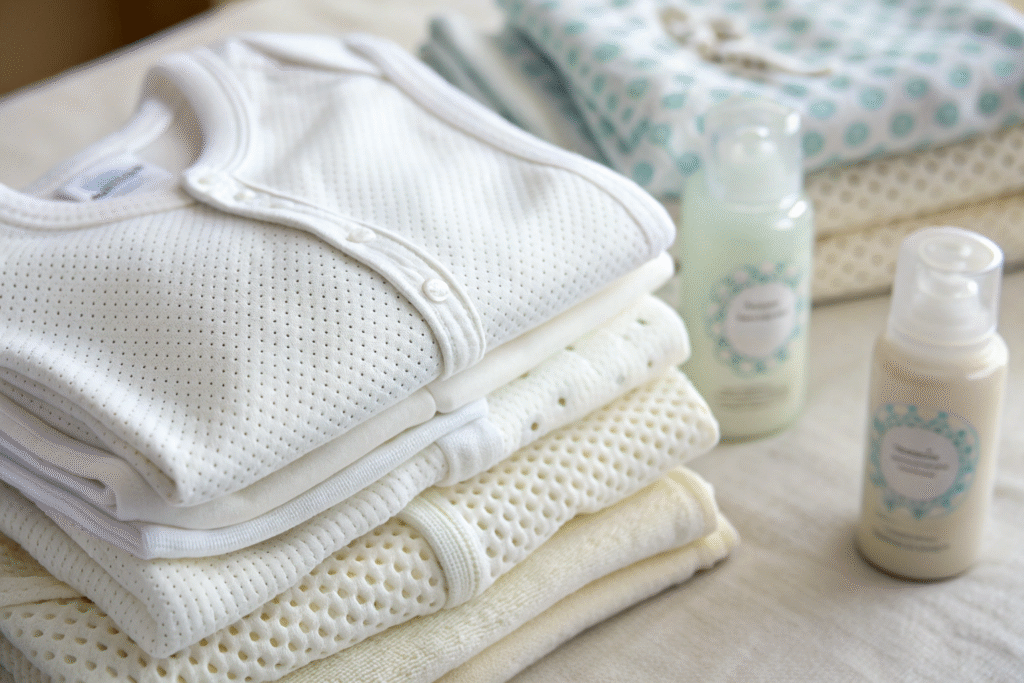
Why is infant skin more vulnerable?
The American Academy of Pediatrics notes that infants’ skin structure increases susceptibility to irritation and overheating.
Which substrates are optimal?
Lightweight cotton and bamboo viscose demonstrate superior moisture absorption and air exchange in infantwear applications.
Thermal Regulation and Safety
Infants lack mature thermoregulation, placing them at risk of heat stress. Breathable apparel facilitates convective cooling and thermal balance during both sleep and activity.
Enhanced airflow in fabric construction reduces the likelihood of overheating, a recognized risk factor for Sudden Infant Death Syndrome (SIDS).
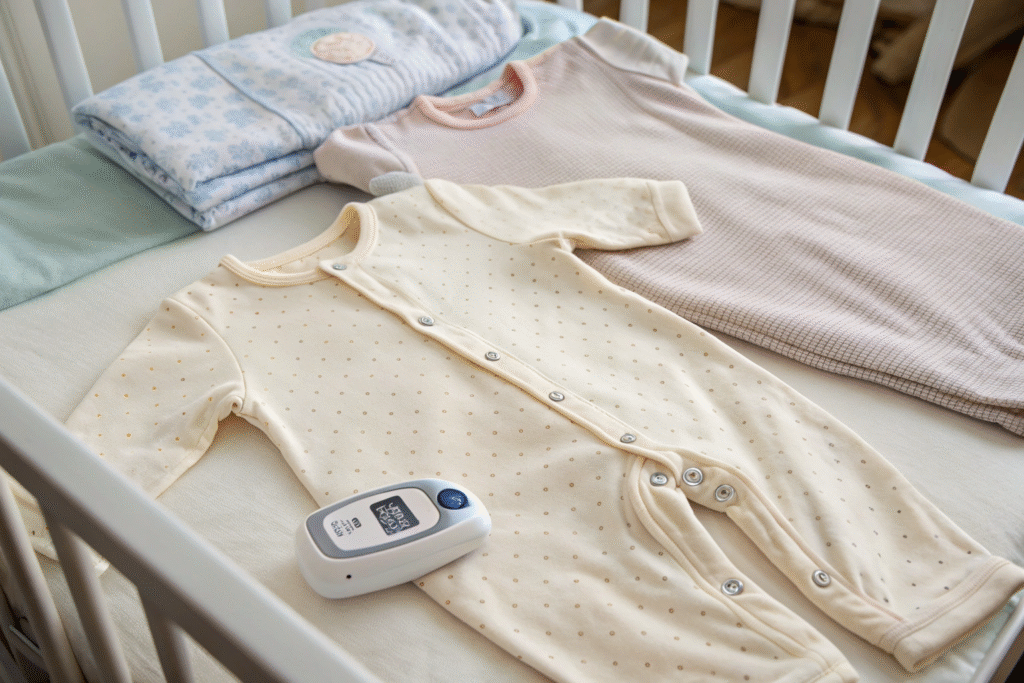
Why is this function safety-critical?
Research by NIH highlights thermal regulation as a key determinant in safe sleepwear design.
How do caregivers respond?
They consistently prefer garments labeled as breathable to ensure seasonal adaptability and safety compliance.
Moisture Management and Hygiene
Moisture retention in non-breathable fabrics can foster microbial growth and discomfort. Breathable textiles offer capillary wicking and rapid evaporation, ensuring garments remain dry and hygienic.
Moisture management is essential in infant apparel to reduce bacterial colonization and improve wearer comfort.
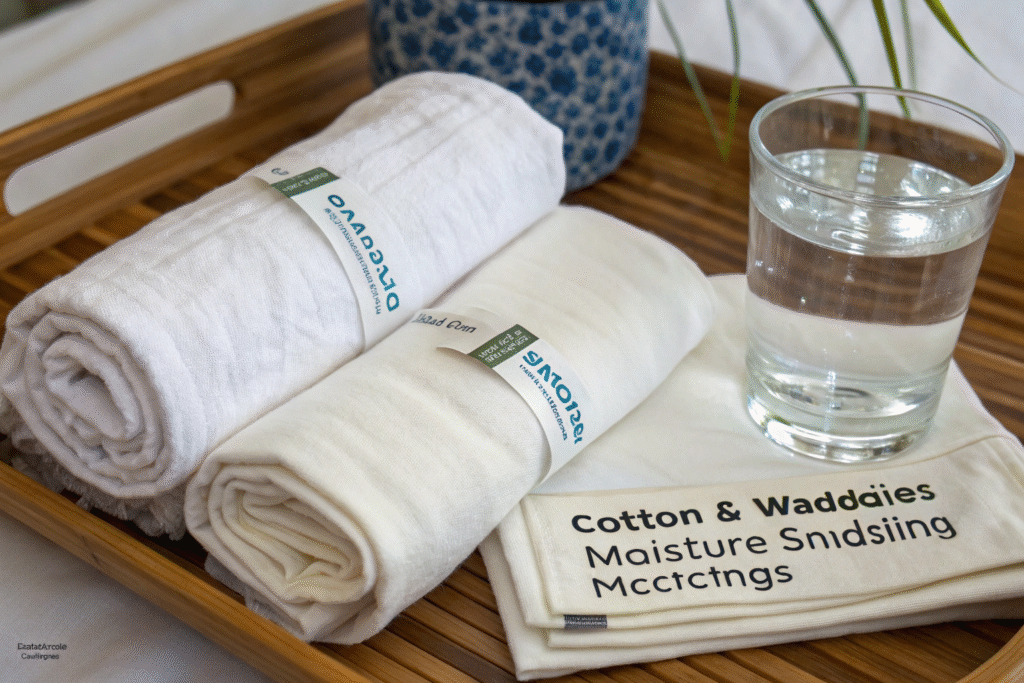
Why does this impact health outcomes?
Textiles tested under AATCC standards for moisture transport show reduced risk of bacterial irritation.
Which constructions perform best?
Muslin and jersey knits with open structures provide high airflow and moisture dispersion rates.
Compliance and Material Standards
Breathability is not solely a comfort attribute; it is also tied to regulatory compliance. Standards require air-permeable, non-restrictive fabrics to mitigate hazards.
Certified breathable textiles meet both consumer expectations and statutory requirements in key export markets.
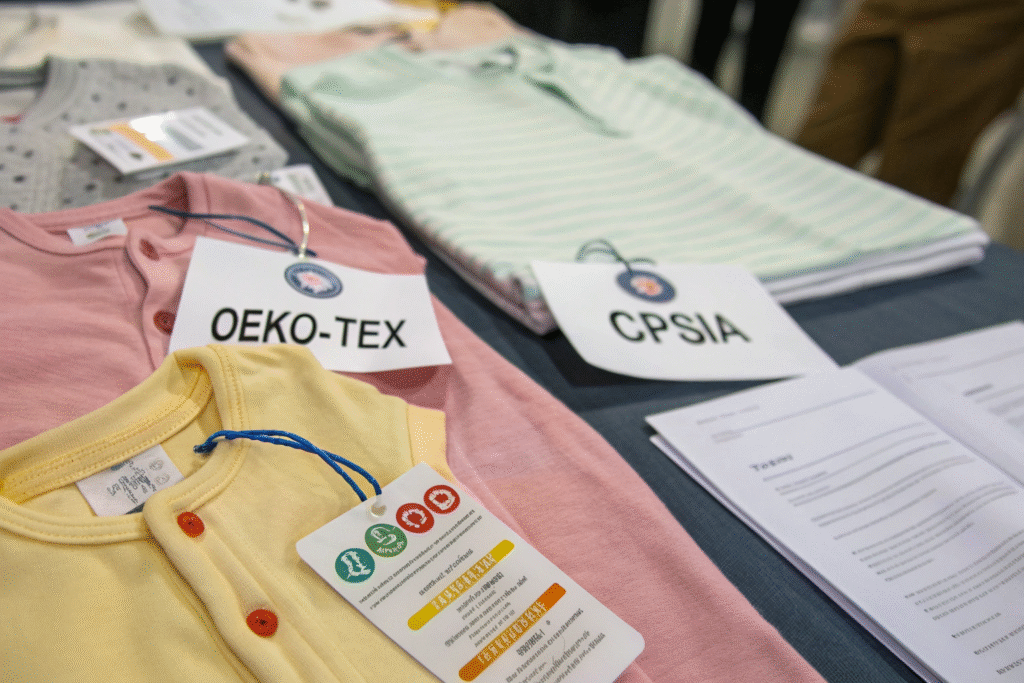
Why is certification critical?
Frameworks such as OEKO-TEX and CPSIA validate chemical safety and structural integrity in infantwear.
How do brands leverage compliance?
Displaying certification labels strengthens consumer trust and facilitates entry into U.S. and EU regulated markets.
Conclusion
Breathability is a cornerstone of infant apparel engineering. It ensures dermal safety, microclimate regulation, moisture management, and compliance with global standards. Non-breathable fabrics introduce avoidable risks, including overheating, irritation, and regulatory non-conformance.
At Shanghai Fumao, we prioritize breathable substrates—cotton, bamboo viscose, and muslin—in our infantwear lines. Our sourcing and QC systems ensure alignment with OEKO-TEX® and CPSIA frameworks, delivering garments that combine safety, comfort, and regulatory assurance.
👉 To integrate breathable certified textiles into your infantwear collections, contact our Business Director Elaine at elaine@fumaoclothing.com. We provide sourcing transparency, technical validation, and global delivery.