In the fast-paced world of fashion importing, your logistics partner can be the difference between seasonal success and costly failures. As manufacturers who ship to importers worldwide, we’ve witnessed how logistics excellence directly impacts profitability, customer satisfaction, and brand reputation.
A good logistics partner is vital for fashion importers because they ensure timely delivery to capture selling seasons, navigate complex international regulations, optimize shipping costs, provide supply chain visibility, and handle unexpected challenges proactively. In an industry where timing is everything and margins are tight, logistics expertise becomes a competitive advantage that extends far beyond simple transportation. The right partner transforms logistics from a cost center into a strategic asset.
How Does Logistics Impact Your Seasonal Timing and Sales?
Fashion is inherently seasonal, with narrow windows of opportunity that can make or break your profitability. A logistics partner who understands these timing imperatives ensures your collections arrive when they’re needed most.
The fashion calendar operates on fixed seasons—spring/summer and fall/winter—with additional micro-seasons for holidays and special occasions. Missing these windows means arriving when consumers have moved on to the next trend, forcing significant markdowns that erode margins. A skilled logistics partner plans for production lead times, shipping durations, customs clearance, and final distribution to ensure your products hit shelves at the optimal moment, maximizing full-price selling periods.

What Are the Consequences of Missing Key Selling Windows?
Arriving even two weeks late to market can reduce your full-price selling period by 30-40%, directly impacting profitability. According to fashion industry analysis, companies with optimized supply chains achieve 60% higher full-price sell-through rates. Beyond immediate sales impact, delayed shipments damage retailer relationships and consumer trust, as customers today expect newness and immediate availability. The cumulative effect of repeated delays can permanently damage your brand’s reputation for reliability.
How Can Logistics Partners Help Capture Full Selling Seasons?
Expert logistics providers understand fashion cycles and build appropriate buffer times into shipping schedules. They monitor production progress and can expedite shipping when necessary, using consolidation services to reduce costs while maintaining speed. The best partners provide realistic timelines that account for variables like Chinese New Year factory closures, peak season surcharges, and weather disruptions. This proactive planning ensures you receive goods with sufficient time for distribution to retailers before seasonal demand peaks.
What Role Does Customs Expertise Play in Successful Importing?
Navigating international customs regulations represents one of the most complex aspects of fashion importing. A logistics partner with deep customs expertise prevents costly delays, fines, and compliance issues.
Customs regulations vary by country and change frequently, covering everything from country of origin labeling and duty calculations to restricted substances and safety standards. For fashion importers, specific considerations include textile category classifications, quota restrictions, and preferential trade agreements that can significantly reduce duty costs. A knowledgeable partner stays current with these evolving requirements across all your target markets.

How Do Customs Delays Impact Fashion Importers?
Customs holds can strand shipments for weeks, missing critical selling periods and incurring substantial demurrage charges at ports. According to U.S. Customs and Border Protection data, incomplete or incorrect documentation causes most delays. For fashion items, seasonal goods classifications may offer expedited processing, but only if properly documented. Beyond timing issues, customs classification errors can lead to substantial duty overpayments or underpayments that trigger audits and penalties.
What Value Does Duty Optimization Provide?
Strategic classification and leveraging free trade agreements can dramatically reduce your import costs. An experienced logistics partner understands Harmonized System codes for textiles and apparel, ensuring correct classification that complies with regulations while minimizing duties. They can advise on programs like Section 321 de minimis for low-value shipments or free trade agreements that eliminate duties entirely. This expertise directly improves your bottom line while maintaining full compliance with import regulations.
How Can Logistics Partners Reduce Your Total Supply Chain Costs?
While logistics represents a visible cost line item, the right partner actually reduces your total supply chain costs through optimization, consolidation, and process efficiency.
True logistics cost analysis extends beyond freight rates to include inventory carrying costs, warehousing expenses, damage and loss rates, and the financial impact of stockouts or markdowns. A strategic partner examines your entire supply chain to identify optimization opportunities that may involve slightly higher direct shipping costs but significantly lower total costs through improved efficiency and reduced waste.

What Hidden Costs Do Inefficient Logistics Create?
Beyond obvious freight charges, inefficient logistics generate multiple hidden costs that impact profitability. These include excess inventory carrying costs from safety stock requirements, capital tied up in transit, premium freight charges for emergency shipments, and losses from damage or pilferage. The Council of Supply Chain Management Professionals estimates that poor logistics planning can add 15-25% to total supply chain costs through these indirect expenses. A skilled partner minimizes these hidden costs through better planning and execution.
How Does Transportation Mode Selection Impact Costs?
Choosing the right transportation mix balances speed, cost, and reliability. Air freight offers speed at premium costs, while sea freight provides cost efficiency with longer transit times. A sophisticated logistics partner implements multimodal solutions that combine these options strategically—perhaps shipping core inventory via ocean while air freighting key items to launch seasons early. They understand when to use less-than-containerload (LCL) versus full-containerload (FCL) shipping and how to consolidate shipments from multiple suppliers to optimize container utilization and reduce per-unit costs.
Why Is Supply Chain Visibility Critical for Fashion Importers?
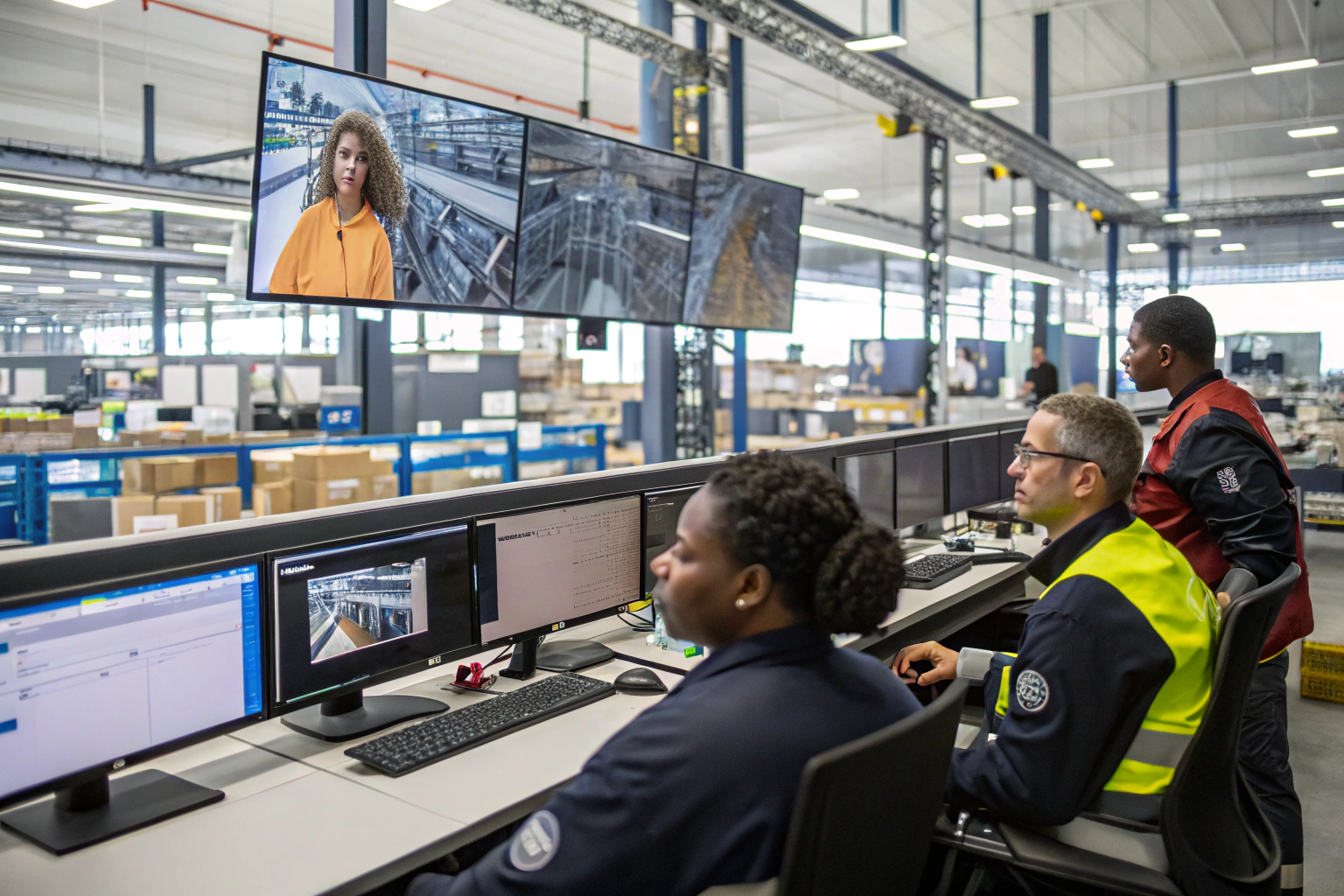
Real-time visibility into your supply chain transforms logistics from a black box into a strategic management tool. This transparency enables proactive problem-solving and informed decision-making.
Modern logistics platforms provide tracking from factory to final destination, offering updates on shipment status, customs clearance progress, and estimated arrival times. This visibility allows importers to coordinate marketing launches with inventory arrival, plan warehouse labor based on receiving schedules, and keep retail partners informed about delivery timelines. In fashion, where coordination across multiple touchpoints is essential, this information flow becomes particularly valuable.

How Does Visibility Improve Inventory Management?
Knowing exactly when shipments will arrive allows for precise inventory planning and reduced safety stock requirements. With supply chain visibility, you can align production, shipping, and sales cycles more effectively, reducing the capital tied up in inventory. For fashion importers, this means maintaining leaner inventories while still meeting demand, significantly improving inventory turnover rates and reducing markdowns of excess stock at season’s end. This operational efficiency directly translates to improved cash flow and profitability.
What Value Does Proactive Issue Resolution Provide?
When problems arise—from weather disruptions to customs delays—early detection enables proactive resolution. A visibility platform with exception-based alerting notifies you of issues before they become crises, allowing time to implement contingency plans. According to supply chain research, companies with high supply chain visibility experience 50% shorter disruption recovery times. For fashion importers, this rapid response capability can save entire seasons by rerouting shipments or expediting critical components when delays occur.
Conclusion
A skilled logistics partner delivers value far beyond transportation, serving as a strategic ally in navigating the complexities of fashion importing. From ensuring seasonal timing and managing customs compliance to optimizing costs and providing supply chain visibility, the right logistics expertise directly impacts your profitability, customer satisfaction, and competitive positioning.
In today’s volatile global trade environment, logistics has evolved from a tactical function to a core competitive capability. If you’re looking for a manufacturing partner with established logistics relationships and deep expertise in fashion supply chain management, contact our Business Director, Elaine, at elaine@fumaoclothing.com. Let’s discuss how we can help you build a resilient, efficient supply chain that delivers your collections profitably and punctually, season after season.