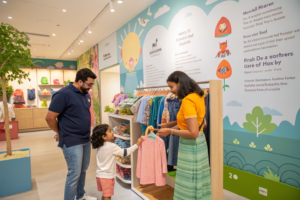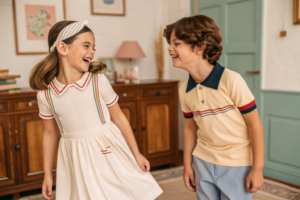

Starting a children's apparel brand represents an exciting entrepreneurial venture, yet it presents significant operational challenges. Many emerging brands encounter a critical obstacle: stringent Minimum Order Quantity requirements. Traditional manufacturers often impose substantial order volumes, creating capital constraints and inventory risks. The solution lies in identifying manufacturing partners who recognize the unique needs of startup brands and offer adaptable production terms.
Flexible MOQ provisions are fundamental for launching a children's apparel brand as they minimize initial capital investment, mitigate inventory carrying costs, and facilitate market validation. This operational flexibility enables emerging brands to establish market presence, gather consumer insights, and scale strategically without the burden of excessive inventory accumulation.
For brand founders and procurement specialists, this adaptability transcends mere convenience—it represents a crucial business sustainability strategy. It permits market penetration through calculated, incremental steps rather than speculative large-scale commitments. Let us examine how flexible MOQ arrangements with specialized manufacturers can catalyze your brand development trajectory.
How Do Reduced MOQs Mitigate Financial Exposure?
Initial capital allocation represents a primary concern for emerging brands. Elevated MOQ requirements can immobilize substantial working capital in single-SKU production runs. This creates significant financial vulnerability. Should consumer response fail to meet projections, brands face inventory liquidation challenges and capital recovery issues. Flexible MOQ structures fundamentally transform this dynamic by preserving liquidity and enabling strategic resource deployment across multiple business functions.
Reduced MOQs systematically decrease financial exposure by limiting initial capital outlay, thereby preserving operational liquidity for marketing initiatives, product development, and organizational growth. This methodology safeguards emerging brands from inventory write-downs and cash flow constraints that frequently challenge early-stage apparel companies.

How does MOQ structure impact working capital management?
The correlation between MOQ parameters and working capital efficiency is direct and substantial. Conventional high-MQO scenarios typically require comprehensive capital allocation to individual product categories. For instance, a $10,000 production budget might be entirely consumed by a single sweater design requiring 1,000-unit commitment. This approach converts liquid assets into static inventory. Conversely, flexible MOQ arrangements enable diversified production planning—allocating the same budget across multiple designs in smaller quantities. This strategic approach maintains financial flexibility for critical business activities including digital customer acquisition and industry trade participation. Enhanced cash flow preservation allows brands to respond to market opportunities and operational requirements without capital constraints.
What risk mitigation benefits does initial small-batch production provide?
Initial small-batch production serves as an essential risk management mechanism. It enables market validation through minimal viable product launches before committing to volume production. Brands can introduce curated collections, analyze sales performance metrics, and incorporate customer feedback into product refinement processes. This market validation methodology provides invaluable consumer intelligence. For example, initial sales data might reveal strong performance in graphic print applications while indicating moderate response to woven categories. Subsequent production planning can then prioritize high-performing categories while modifying or discontinuing underperforming segments. This iterative development approach, supported by manufacturers offering scalable production solutions, substantially reduces market entry risks associated with product-market fit miscalculations.
Why Is Iterative Product Development Critical for Market Entry?
The children's apparel sector demonstrates rapid trend evolution and dynamic consumer preference shifts. Market speculation without empirical validation presents substantial business risks. Iterative product development represents the systematic replacement of assumption-based planning with data-informed strategy. This requires rapid market introduction, performance analytics, and product line optimization—operational impossibilities under rigid high-MOQ manufacturing constraints.
Iterative product development is indispensable for market entry as it enables evidence-based decision making, minimizes financial exposure from underperforming SKUs, and identifies high-potential products for strategic scaling. This continuous improvement cycle represents the most effective methodology for building brand relevance and market share.

How does small-batch production facilitate market validation?
Market validation through small-batch production involves launching minimal viable collections to assess consumer response across multiple dimensions: design aesthetics, color preferences, fabric acceptance, and price point optimization. These initial product introductions across digital commerce platforms and social media channels generate critical performance data. Monitoring engagement metrics, conversion rates, and sell-through percentages provides empirical evidence of market demand. This consumer intelligence informs strategic product development decisions. Manufacturing partners supporting small-run production become essential collaborators in this validation phase, enabling entrepreneurial brands to operate as lean, adaptive organizations without prohibitive capital commitments.
What competitive advantages derive from accelerated feedback cycles?
Accelerated feedback cycles generate significant competitive advantages through rapid product iteration capabilities. Unlike traditional annual planning cycles dependent on speculative forecasting, agile brands can analyze seasonal performance and implement modifications within compressed timeframes. This operational agility enables capitalizing on emerging children's apparel trends before larger competitors can respond. Additionally, direct customer feedback through product reviews and engagement metrics informs continuous product enhancement—from construction details to fit improvements—in subsequent production runs. This responsive approach cultivates brand loyalty through demonstrated customer focus and product evolution based on user input.
How Does Flexible Sourcing Optimize Supply Chain Operations?
Emerging brands frequently encounter operational complexity in managing multi-faceted supply chain requirements. Coordinating with multiple manufacturing facilities, navigating international logistics protocols, and maintaining quality standards across diverse suppliers creates substantial administrative burdens. Flexible MOQ arrangements with integrated manufacturers streamline these operations significantly. This creates efficient, manageable supply chain structures that allow brand founders to concentrate on brand development rather than operational challenges.
Flexible sourcing optimizes supply chain operations through production consolidation with certified partners. This reduces coordination complexity, ensures quality consistency, and establishes single-point accountability for all production phases from raw material procurement to final shipment.

How does flexible production planning prevent inventory accumulation?
Integrated manufacturing partners function as operational extensions rather than transactional suppliers. They avoid imposing blanket shipment requirements, instead facilitating staggered delivery schedules or finished goods staging at production facilities. This inventory management methodology prevents warehouse capacity issues and reduces carrying costs. It also mitigates risks associated with dead stock. Progressive manufacturers frequently provide DDP (Delivered Duty Paid) service options, managing complex international shipping, customs clearance, and final delivery. This comprehensive approach creates seamless procurement experiences comparable to domestic sourcing partnerships.
How does single-source manufacturing enhance operational communication?
Communication inefficiencies represent common challenges in fragmented supply chain structures. Single-source manufacturing partnerships establish dedicated communication channels and accountability structures. Brands coordinate design specifications, quality assurance protocols, production timelines, and logistics requirements through integrated teams. This fosters transparent, responsive relationships with clearly defined escalation paths. At our manufacturing facility, we implement dedicated account management structures to ensure consistent, efficient communication—directly addressing the supplier communication challenges frequently cited by procurement professionals.
What Strategic Advantages Extend Beyond Inventory Management?
The benefits of flexible MOQ arrangements transcend inventory optimization. These strategic advantages influence creative direction, brand positioning, and long-term growth trajectories. They empower brands to pursue innovation, maintain market responsiveness, and enhance profitability through strategic product lifecycle management.
Beyond inventory management, strategic advantages include expanded product assortment capabilities, exclusive collection development, and enhanced brand perception through curated offerings. This approach stimulates innovation and maintains brand relevance in competitive markets.
How does flexible production enable product assortment expansion?
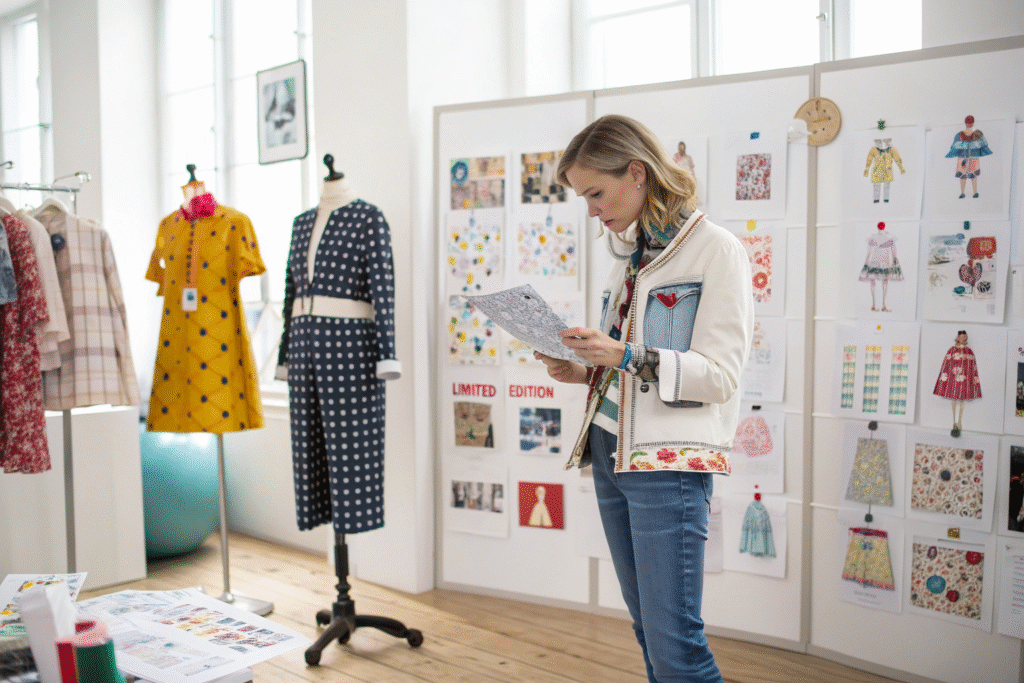
Constrained by high MOQ requirements, brands typically limit offerings to proven, conservative designs. Flexible production parameters facilitate strategic experimentation. Brands can develop comprehensive collections with 15-20 SKUs rather than basic 5-6 item lines. This expanded assortment enhances brand presentation, increases customer engagement opportunities, and improves conversion potential through variety. Brands can explore complementary apparel categories such as coordinated groupings or seasonal specialties without prohibitive risk. This capacity for frequent new product introductions maintains brand relevance and encourages repeat engagement from customers anticipating new offerings.
How does limited-quantity production enhance brand positioning?
Limited-quantity production inherently creates exclusivity and scarcity value. Brands can market items as "limited edition" or "artisan batch" collections. This marketing strategy generates purchase urgency and can increase sell-through rates, as consumers recognize limited replenishment potential. It positions brands as curated and distinctive rather than mass-produced. This aligns perfectly with the premium market segment that values uniqueness and quality craftsmanship. Additionally, this approach supports sustainability through reduced waste—an increasingly important consumer consideration. This comprehensive strategy depends on manufacturing partners capable of executing customized small-batch production that reflects brand identity and quality standards.
Conclusion
In the competitive children's apparel landscape, flexible MOQ arrangements represent a strategic imperative rather than a convenience. They systematically reduce financial exposure, enable essential market testing, streamline supply chain operations, and unlock creative potential. For brand founders and procurement executives, this flexibility provides the foundation for building responsive, market-informed brands supported by empirical data rather than speculation.
Collaborating with manufacturing partners who comprehend and support this strategic approach represents the logical progression for emerging brands. If you are prepared to launch your children's apparel brand with a partner offering competitive pricing, rigorous quality systems, and the flexible MOQ structure essential for sustainable growth, we invite your inquiry. Contact our Business Director, Elaine, at elaine@fumaoclothing.com to discuss your initial collection development requirements.