As a children's clothing manufacturer with decades of experience, I've seen many trends come and go. But the shift towards sustainability is not just a trend; it's a fundamental change in how we think about production. When brand owners like you approach us, the question of materials is always at the forefront. You are sensitive to quality and cost, but today's market also demands a commitment to the environment. Choosing recycled materials for toddler apparel is a powerful way to meet that demand without compromising on your core business values. It's a strategic decision that aligns with modern consumer expectations and builds a stronger, more responsible brand.
Using recycled materials in toddler clothing is a strategic business decision that enhances brand image, meets growing consumer demand for sustainability, and does not require sacrificing quality or breaking the bank, especially when partnering with a manufacturer experienced in sourcing and working with these fabrics.
The conversation around sustainable fashion is louder than ever. For business leaders sourcing from China and Vietnam, understanding the tangible benefits of recycled materials is key to staying competitive. Let's explore why this choice is a smart move for your brand's future.
What are the benefits of using recycled polyester in kids' wear?
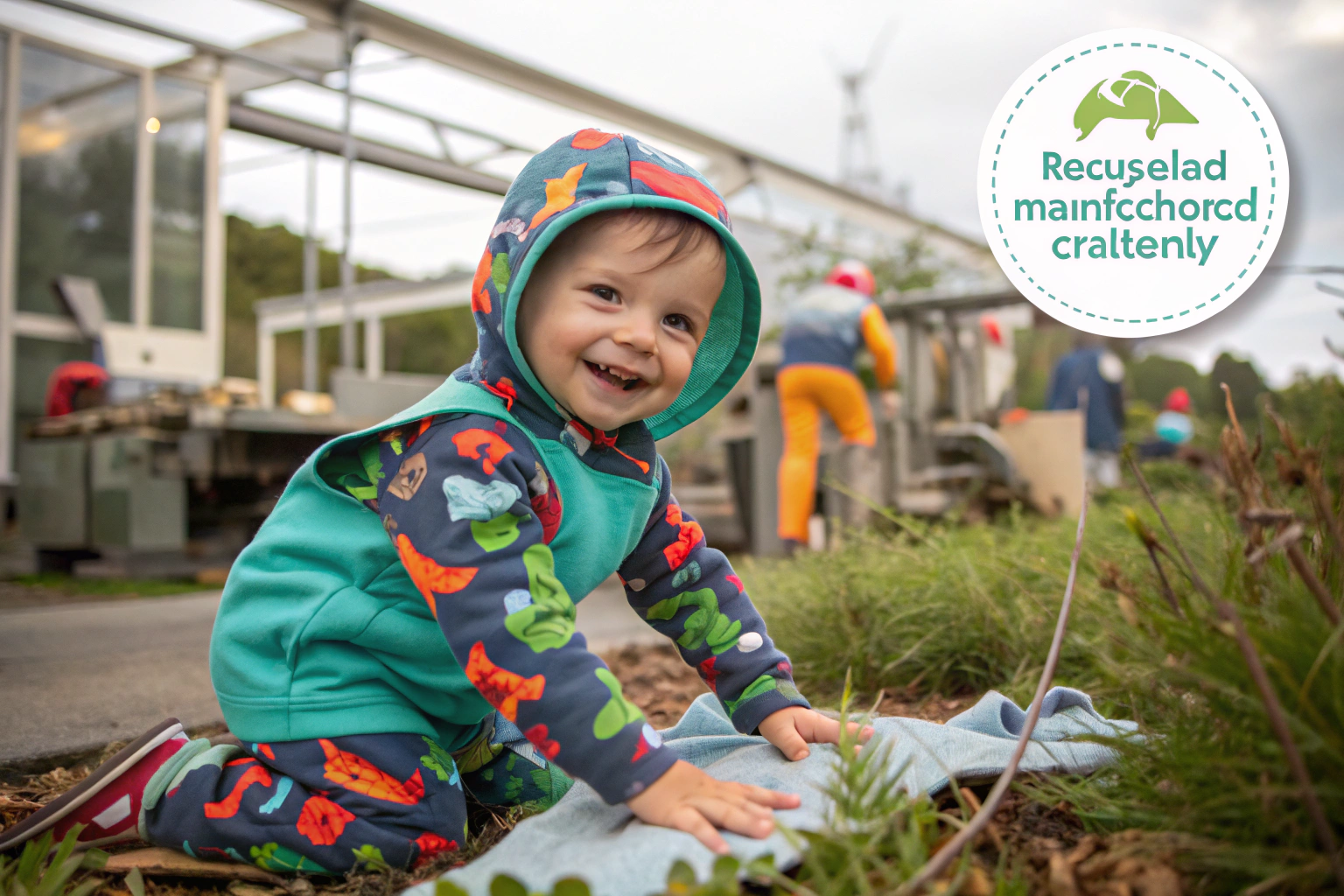
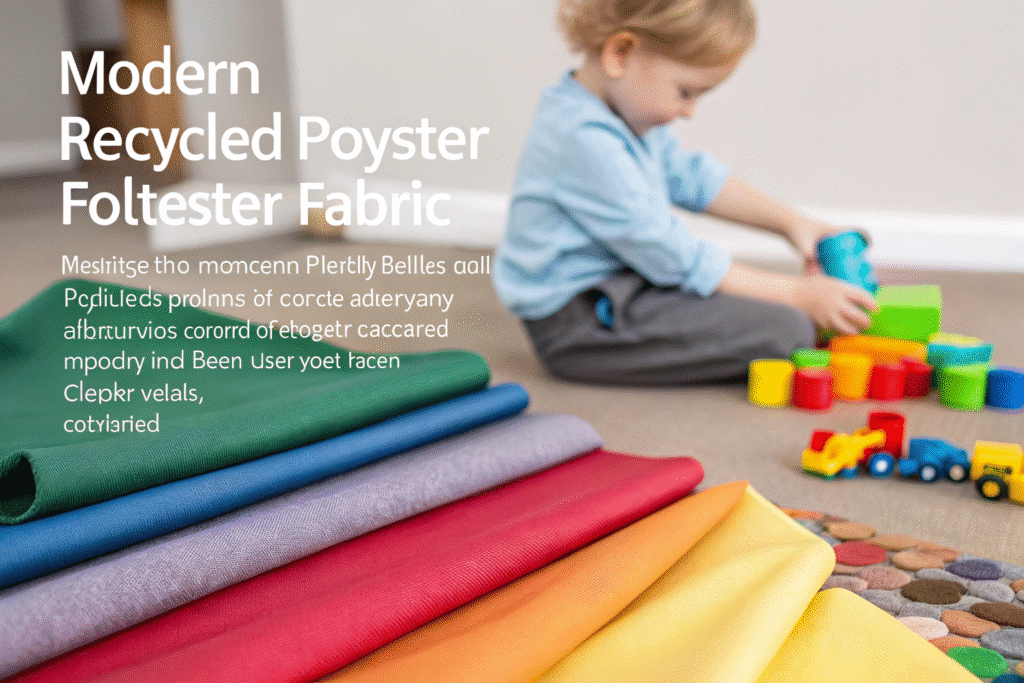
When you hear "recycled materials," you might think of rough, unrefined fabrics. Let me tell you, that's an outdated view. Modern recycled polyester, often derived from post-consumer plastic bottles, offers performance that rivals, and sometimes exceeds, its virgin counterpart. For a business owner focused on quality and value, this is a game-changer. The primary benefit lies in creating durable, color-fast garments that withstand the rough-and-tumble of child's play, all while telling a positive environmental story that resonates with today's parents.
Recycled polyester (rPET) provides exceptional durability, vibrant color retention, and a significantly reduced environmental footprint, making it an ideal material for high-performance children's apparel that appeals to eco-conscious consumers.
How does recycled polyester enhance garment durability?
The process of creating recycled polyester yarn results in strong, resilient fibers. This translates to clothing that can endure repeated washing, active play, and general wear and tear without pilling, stretching, or fading quickly. For your brand, this means fewer customer complaints about product longevity and higher perceived value. We rigorously test our rPET fabrics for strength and colorfastness to ensure they meet the same high standards as any other material we use. This commitment to quality control is non-negotiable for maintaining your brand's reputation. Furthermore, using rPET supports a circular economy, reducing reliance on virgin petroleum-based materials and diverting plastic waste from landfills, a key point you can highlight in your marketing.
Does using sustainable materials increase production costs?
This is a critical question, and the answer is increasingly positive. While the cost of recycled materials was once higher, economies of scale and improved technology have made rPET very cost-competitive. As your manufacturing partner, we leverage our bulk purchasing power and direct relationships with fabric mills to source high-quality rPET at competitive prices. Any minor upfront cost difference is often offset by the marketing advantage and growing consumer preference for sustainable brands. We ensure that your move to sustainability is also a sound financial decision, protecting your competitive pricing strategy while future-proofing your product line.
How does organic cotton compare to conventional cotton for baby clothes?
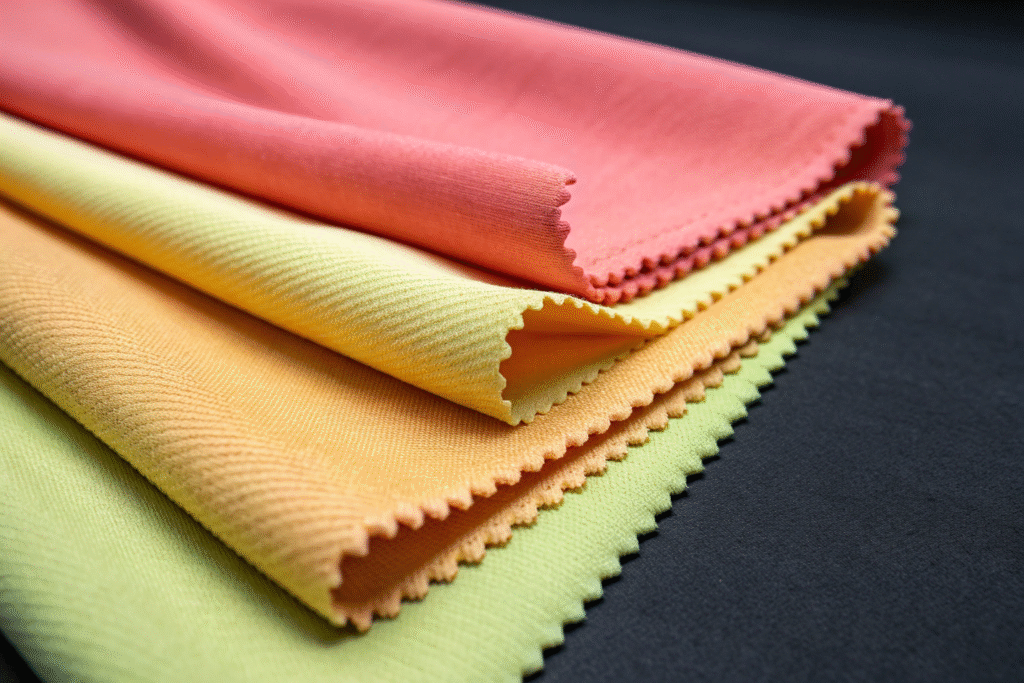
For baby and toddler apparel, comfort and safety are paramount. Organic cotton has become the gold standard for brands targeting the mid-to-high segment. The difference starts at the source: organic cotton is grown without toxic pesticides and synthetic fertilizers. This is not just an environmental benefit; it directly impacts the softness and purity of the final fabric. For a sensitive baby's skin, garments made from certified organic cotton significantly reduce the risk of irritation and allergies, providing peace of mind for parents and a strong selling point for your brand.
Organic cotton is superior to conventional cotton for baby clothes due to its gentler feel on sensitive skin, stricter safety standards that prohibit harmful chemicals, and more sustainable farming practices, which are highly valued by discerning parents.
Why is organic cotton softer for sensitive skin?
The absence of harsh chemicals in the growing process allows the cotton fibers to remain in their natural, pure state. This results in a fabric that is noticeably softer and more breathable. For your babywear collections, this unparalleled softness translates directly into superior comfort, a key factor for parents when they choose clothing for their newborns. We work with suppliers who provide GOTS (Global Organic Textile Standard) certification, ensuring the integrity of the organic claim from field to finished garment. This certification is a powerful tool for your brand, demonstrating a verifiable commitment to safety and quality that builds trust.
What certifications should I look for in sustainable fabrics?
Navigating certifications can be confusing. For organic cotton, the GOTS certification is the most comprehensive global standard. For recycled materials, look for GRS (Global Recycled Standard) or RCS (Recycled Claim Standard). These certifications provide a chain-of-custody guarantee, meaning the recycled content in your garment is verified by a third party. As your manufacturer, we handle the complexity of sourcing certified materials and can provide all necessary documentation. This simplifies your sourcing process and ensures transparency, addressing a common pain point for buyers concerned about suppliers falsifying certificates. You can confidently market your products with these recognized labels, adding immediate credibility.
What is the environmental impact of choosing recycled materials?
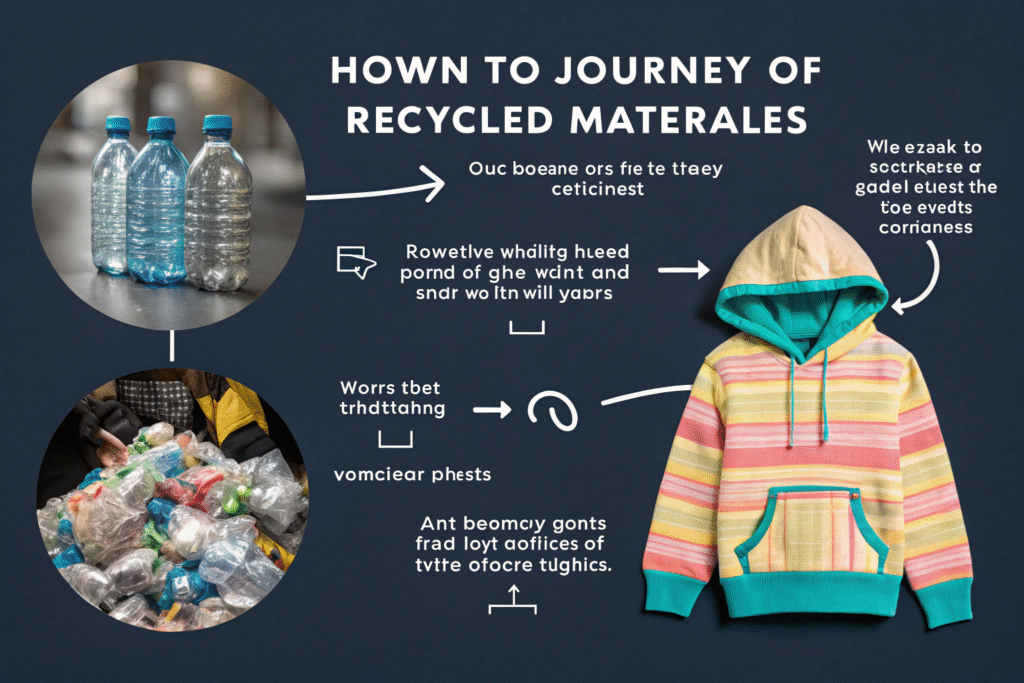
Your customers are increasingly educated about the environmental footprint of their purchases. Choosing recycled materials is a direct and measurable way to reduce that impact. By using rPET, we help divert plastic waste from oceans and landfills. The production process also consumes less energy and water compared to creating virgin polyester from crude oil. This tangible contribution to environmental conservation is a story your brand can own. It's a concrete step towards sustainable manufacturing that resonates deeply with the values of the North American and European markets you serve.
Selecting recycled materials for apparel production substantially lowers carbon emissions and water usage, conserves natural resources by giving waste a new life, and directly contributes to reducing plastic pollution, offering a clear environmental advantage.
How much can recycled materials reduce carbon emissions?
The difference is significant. Producing recycled polyester generates up to 50% fewer carbon emissions than manufacturing virgin polyester. This reduction is a key metric in calculating your brand's carbon footprint. By integrating recycled materials into your collections, you are actively participating in the fight against climate change. This is a powerful message for your marketing campaigns and can be a deciding factor for retailers and consumers who prioritize sustainability. Our efficient production cycles and optimized logistics further minimize the overall environmental impact of getting your products to market.
Does using recycled fabrics help with water conservation?
Absolutely. While polyester production in general is less water-intensive than cotton, the recycled process offers further savings. However, the water conservation benefits are most dramatic when comparing organic cotton to conventional cotton. Conventional cotton farming is notoriously thirsty, accounting for a substantial percentage of global agricultural water use. Organic farming practices, which often emphasize rain-fed irrigation and healthier soils that retain moisture better, can reduce water consumption dramatically. By choosing organic cotton, your brand supports practices that conserve vital water resources.
How to ensure quality and reliability when sourcing sustainable apparel?
A legitimate concern when adopting new materials is maintaining the quality and reliability your brand is known for. The fear of delayed shipments or subpar quality is real. This is where partnering with an experienced manufacturer becomes critical. Our role is to mitigate these risks for you. We have established robust systems for sourcing, testing, and production that ensure your transition to sustainable materials is seamless and dependable. You get the eco-friendly product you want, with the consistent quality and on-time delivery you need.
Ensuring quality and reliability in sustainable apparel sourcing hinges on partnering with a manufacturer that has rigorous quality control protocols, transparent communication, proven expertise in handling eco-friendly fabrics, and a dependable supply chain.
What quality control measures are specific to recycled materials?
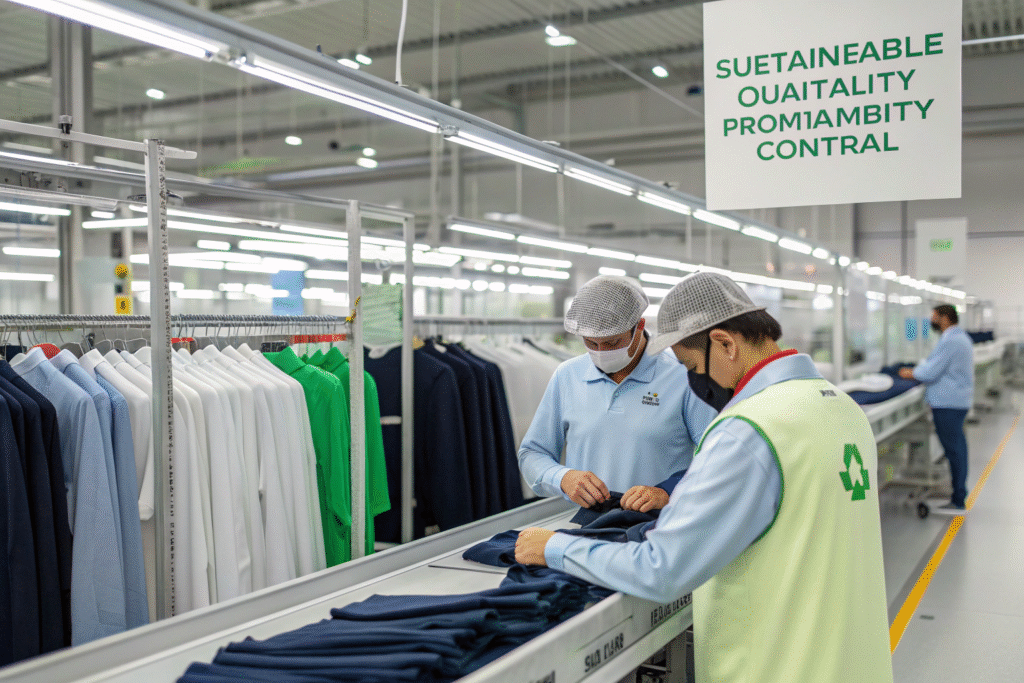
Our quality control for recycled materials includes extra steps to verify the consistency of the yarn source and the dyeing process. We conduct tests for color fastness, tensile strength, and pilling resistance specific to rPET fabrics. We also meticulously check the certification documents for every fabric batch to guarantee authenticity. This thorough approach prevents issues down the line and ensures the final product meets your exact specifications. Our DDP (Delivered Duty Paid) service mode means we manage the entire process, including quality checks at origin, so you receive the goods without unexpected surprises or delays.
How can I avoid delays when sourcing sustainable collections?
Communication and planning are key. Sustainable materials can sometimes have longer lead times due to more complex sourcing. We counter this by maintaining strategic fabric inventory and fostering strong relationships with our certified mills. From the start, we provide realistic timelines and maintain transparent communication throughout the production cycle. We understand that missed selling seasons directly impact your profitability. Our track record of on-time delivery is built on proactive planning and efficient logistics management, ensuring your sustainable collections hit the market at the right time.
Conclusion
The decision to incorporate recycled and sustainable materials into your toddler apparel lines is no longer a niche consideration but a mainstream business imperative. It delivers a compelling trifecta of benefits: a stronger brand image that connects with modern consumers, practical advantages in product quality and performance, and a positive environmental impact. This strategic shift, when executed with a reliable manufacturing partner, strengthens your market position and builds long-term value for your brand.
Partnering with a manufacturer who understands both the nuances of sustainable materials and the demands of the international market is crucial. At Shanghai Fumao, we combine decades of expertise in children's fashion with a deep commitment to sustainable practices. We empower brands like yours to navigate this transition smoothly, ensuring quality, reliability, and competitive pricing. If you are ready to develop a high-quality, sustainable children's wear collection, let's talk. Contact our Business Director, Elaine, at elaine@fumaoclothing.com to discuss how we can bring your vision to life.