
As a parent, you want the best for your baby. You look for clothes that are soft, safe, and comfortable. But what about allergies? Many babies have sensitive skin that reacts to certain fabrics. This can cause rashes, itching, and discomfort. It's a common problem that worries many parents. You need a solution that protects your baby's delicate skin while keeping them comfortable all day long.
Linen is an excellent choice for hypoallergenic baby clothing because it is made from natural flax fibers, which are inherently resistant to dust mites and bacteria, and its breathable nature helps prevent skin irritations and overheating, making it ideal for a baby's sensitive skin. This natural fabric has been used for centuries, and modern parents are rediscovering its benefits for their little ones. It's not just about style; it's about providing a healthier, more comfortable environment for your baby's skin to thrive.
Let's explore the specific reasons why linen stands out as the superior fabric for keeping your baby's skin happy, healthy, and free from allergies.
What makes linen hypoallergenic for sensitive skin?
Baby skin is much more delicate and porous than adult skin. It absorbs things easily and is prone to irritation from chemicals and rough materials. Linen offers a natural defense against these common irritants.
Linen fabric is derived from the flax plant. These natural fibers have smooth, long structures. This smoothness means there are no tiny, loose fibers to break off and irritate the skin. Unlike some synthetic fabrics that can trap moisture and heat, linen allows the skin to breathe. This reduces the risk of heat rash and other moisture-related irritations. Furthermore, linen's natural properties include being resistant to bacteria and fungi. This is crucial because a cleaner fabric is less likely to cause allergic reactions or infections on sensitive baby skin.

How does linen prevent skin irritation?
Linen prevents skin irritation through its unique physical and chemical properties. Its high breathability allows for excellent air circulation, which helps to keep the skin dry and prevents the buildup of sweat that can lead to chafing and rashes. The American Academy of Dermatology emphasizes the importance of breathable fabrics for managing and preventing common skin conditions in infants. Additionally, linen is highly absorbent, capable of absorbing up to 20% of its weight in moisture before feeling damp, which further protects the skin from wetness. The fibers are also static-free, reducing the attraction of dust and other potential allergens that can settle on clothing and irritate the skin.
Is linen better than cotton for allergies?
This is a common question among parents. While cotton is a soft and popular choice, linen has distinct advantages for allergy-prone skin. Linen fibers are stronger and smoother than cotton fibers, resulting in a fabric that is less likely to pill or shed microfibers that can irritate the skin. Linen also becomes softer with each wash without losing its durability. From a hygienic perspective, linen's natural antibacterial properties are more pronounced than those of cotton. The ASTM International has various test methods to quantify a fabric's antimicrobial activity, and linen often performs well in such evaluations, making it a superior barrier against bacteria that can cause skin problems.
How does linen's breathability benefit babies?
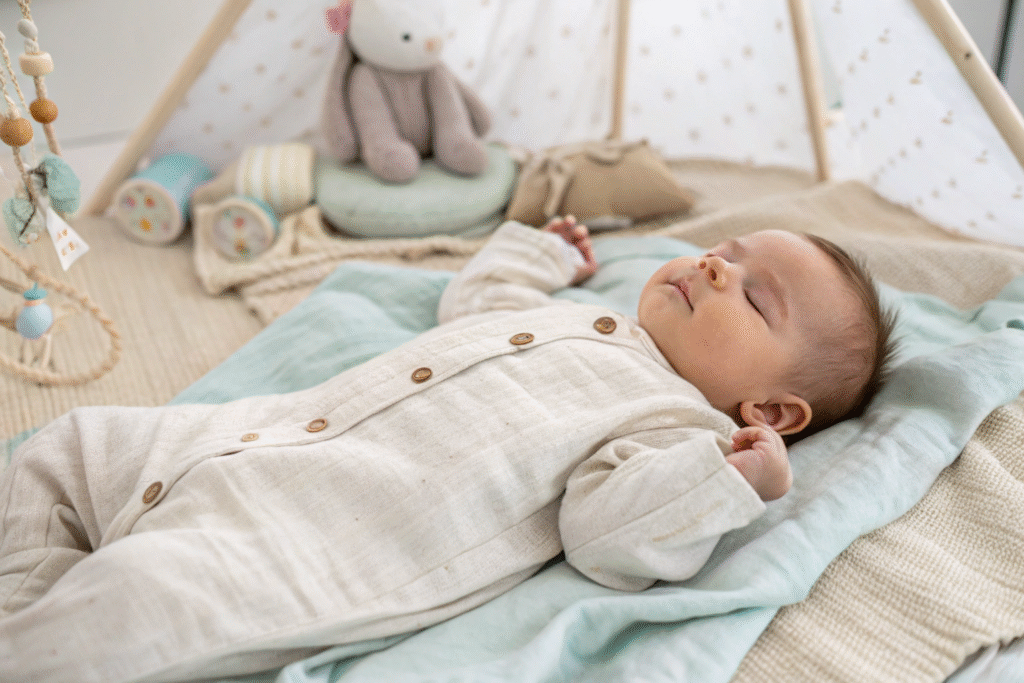
A baby's body is still learning to regulate its temperature. They can easily become overheated, which is not only uncomfortable but can also exacerbate skin issues like eczema. Linen's natural thermo-regulating properties are a game-changer for infant wear.
Linen is one of the most breathable fabrics in the world. The hollow structure of its fibers allows for exceptional air flow. This acts like a natural cooling system, drawing heat away from the baby's body in warm weather and providing insulation when it's cooler. This helps maintain a stable and comfortable body temperature, preventing overheating during sleep or play. Consistent temperature regulation is key to preventing heat rash and ensuring restful sleep, which is vital for a baby's development and overall well-being.
Why is temperature regulation crucial for infants?
Infants cannot effectively regulate their own body temperature like adults can. Their sweat glands are not fully developed, making them highly susceptible to overheating. According to safe sleep guidelines from organizations like the American Academy of Pediatrics, overheating is a recognized risk factor for Sudden Infant Death Syndrome (SIDS). Using a highly breathable fabric like linen helps mitigate this risk by allowing excess body heat to escape. This maintains a safe microclimate around the baby's body, ensuring they stay comfortable and protected whether they are in a warm stroller, a sunny room, or bundled for a nap.
Can linen clothing reduce night sweating?
Absolutely. Many parents report that their babies sleep more soundly and wake up less frequently due to discomfort when dressed in linen. The fabric's moisture-wicking properties pull sweat away from the skin and quickly release it into the air. This keeps the baby dry throughout the night. A dry baby is a comfortable baby, and comfort is directly linked to longer, more uninterrupted sleep. This is not just about comfort; it's about health. Reducing dampness against the skin all night also significantly lowers the risk of fungal or bacterial growth, contributing to better skin health.
Is durable linen practical for everyday baby wear?
Parents need clothing that can withstand repeated washing and vigorous activity. There's a misconception that linen is delicate, but the opposite is true. Linen is renowned for its exceptional durability, making it a highly practical choice for fast-growing, active babies.
Linen is one of the strongest natural fibers. Clothing made from high-quality linen can endure hundreds of washes and will actually become softer over time without wearing thin or losing its shape. This longevity is a key value proposition for both parents and brands. It means that linen garments can be passed down from one child to the next, still in excellent condition. This durability, combined with its timeless style, makes linen a sustainable and economical choice in the long run, aligning with the values of modern consumers who prioritize quality and sustainability.

How many washes can linen baby clothes withstand?
High-quality linen baby clothes are incredibly long-lasting. They can typically withstand countless washes—far exceeding the life cycle of many other natural fabrics. The key to maintaining linen is proper care. Washing in cool or warm water with a mild detergent and avoiding high heat in the dryer will preserve the fibers for years. In fact, the International Organization for Standardization (ISO) has standards for textile care labeling that manufacturers follow to ensure consumers can properly maintain their garments. The strength of linen fibers means the fabric resists abrasion and tearing, even as babies crawl, climb, and play.
Does linen's durability make it a cost-effective choice?
While the initial price point of linen may be higher than that of conventional cotton, its cost-per-wear is significantly lower. Because it does not thin out, pill, or lose its structural integrity quickly, a linen garment remains in a "like-new" condition for much longer. This translates to excellent value for money. For clothing brands, promoting this aspect aligns perfectly with a sustainable fashion narrative. You are offering a product that is not only safe and comfortable but also an intelligent investment for the end-consumer, reducing the need for frequent replacements and minimizing textile waste.
What should you look for in a quality linen baby clothing supplier?
Choosing the right manufacturer is as important as choosing the right fabric. Not all linen is created equal, and the partnership you form directly impacts your brand's reputation and your customers' satisfaction.
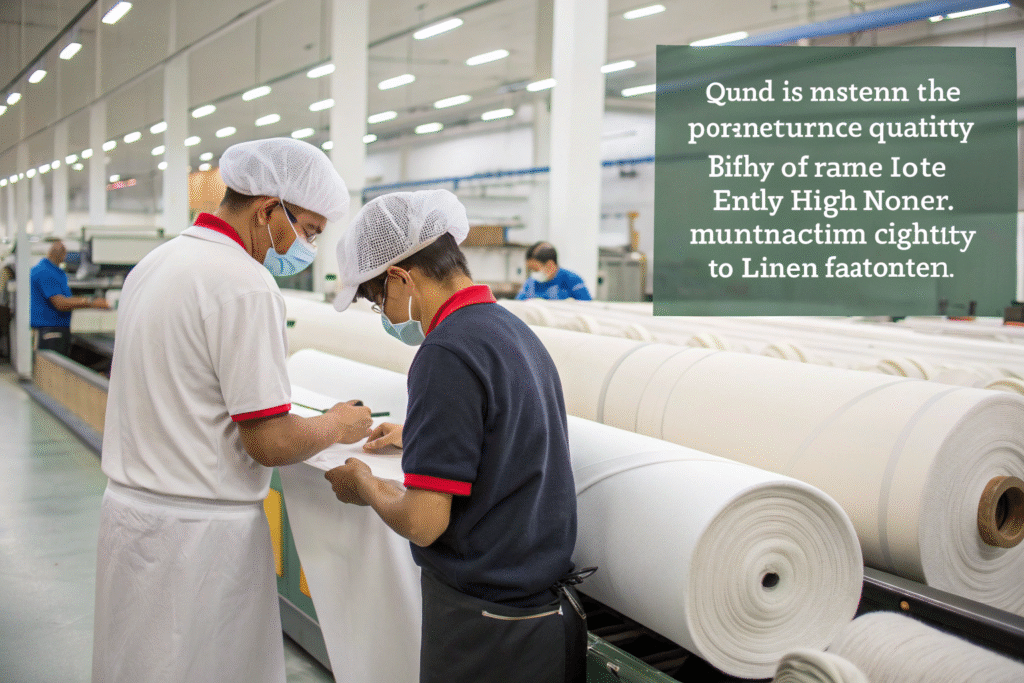
You need a supplier with proven expertise in working with linen, especially for the sensitive baby wear market. Key factors include the source of the linen fibers, the dyes and finishes used, and the manufacturing standards in place. The supplier must have robust quality control processes to ensure every garment meets strict safety and durability standards. Furthermore, as a brand owner, you need a partner who offers transparency, reliable communication, and on-time delivery to ensure your business runs smoothly and your customers are happy.
Are the dyes and finishes used on linen safe for babies?
This is a critical question. The highest quality hypoallergenic linen is processed using low-impact, OEKO-TEX certified dyes. These certifications, such as OEKO-TEX Standard 100, guarantee that the textile has been tested for a list of harmful substances and is safe for human health. A reputable supplier will provide these certifications upfront. They will avoid using harsh chemical softeners or formaldehyde-based finishes that can defeat the purpose of using a natural, hypoallergenic fiber. Always partner with a manufacturer who prioritizes ethical and safe production practices from sourcing to shipment.
How can a supplier ensure consistent quality and timely delivery?
Consistency is key in the fashion business. A reliable supplier manages this through vertical integration and strict Supply Chain Management. They control the production process from sourcing the raw material to the final stitch. This control allows for better oversight, quicker problem-solving, and guaranteed quality across large orders. They should also have a proven logistics framework, often offering comprehensive services like DDP (Delivered Duty Paid) shipping, which simplifies the process for you and ensures your products arrive on time, every time. Look for a partner with a track record of serving brands in your target market, like North America and Europe.
Conclusion
Linen is not just a fashion statement; it is a scientifically sound choice for hypoallergenic baby clothing. Its natural hypoallergenic and antibacterial properties, unmatched breathability, and surprising durability make it the ultimate fabric for protecting and comforting a baby's sensitive skin. By choosing linen, you are investing in a product that promotes health, comfort, and well-being, while also aligning with modern values of sustainability and quality.
If you are a brand looking to develop a high-quality, comfortable, and market-leading line of baby clothing, partnering with a specialist manufacturer is your next step. At Fumao Clothing, we have decades of experience producing premium linen and other fabric garments for the American and European markets. We ensure rigorous quality control, offer safe, certified materials, and guarantee on-time delivery to keep your collections on schedule. Let's discuss how we can bring your vision to life. Contact our Business Director, Elaine, today at elaine@fumaoclothing.com to start a conversation about your next successful order.