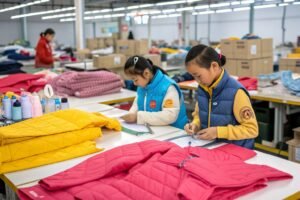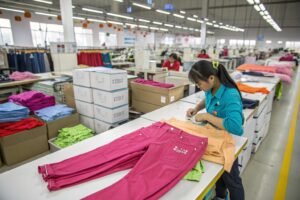
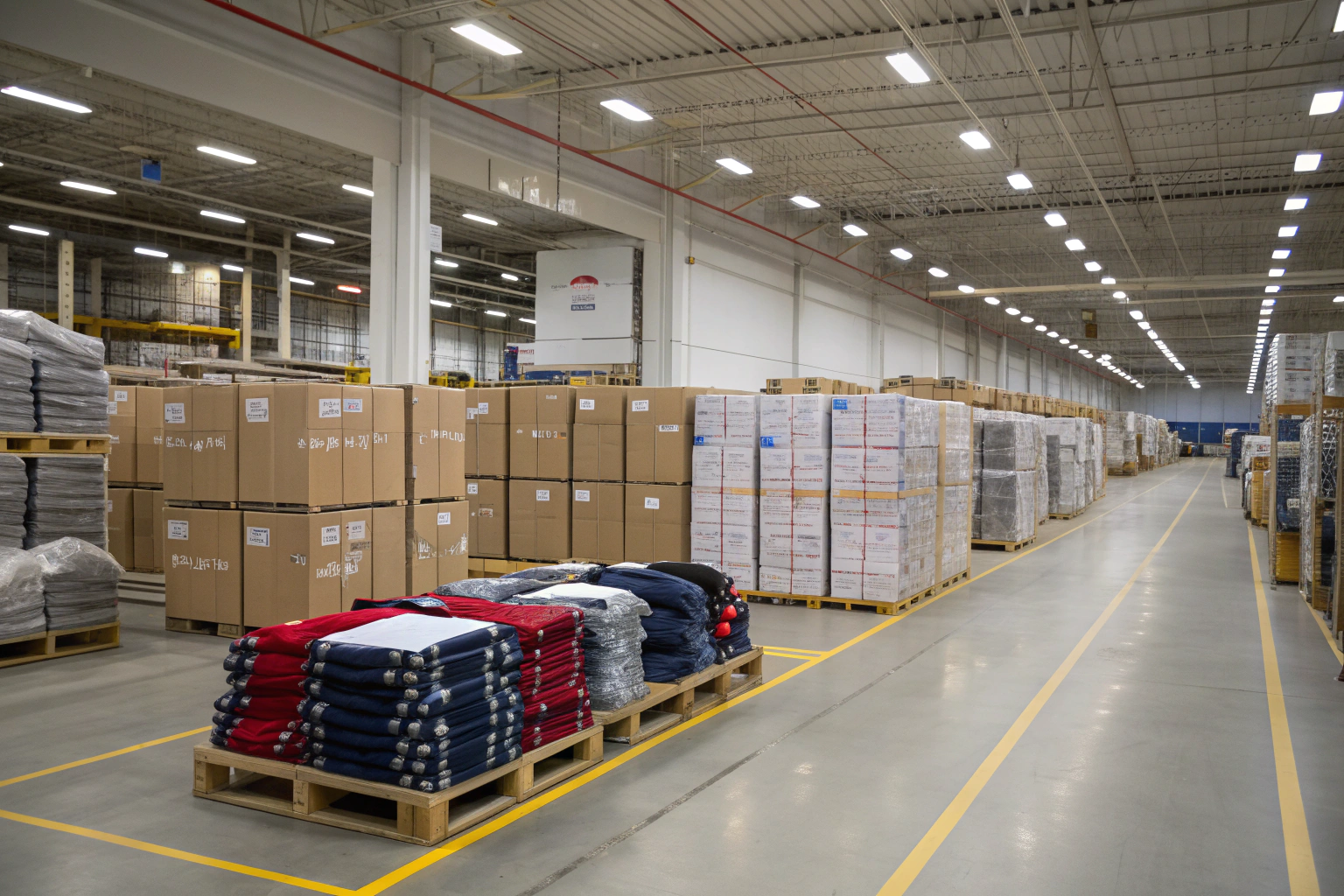
In global supply chain management, bonded warehouses play a strategic role. They provide secure storage for imported goods while deferring duty and tax payments until the products enter the domestic market. For apparel manufacturers, distributors, and brand owners, bonded warehousing is more than a storage solution—it is a tool for financial optimization, customs compliance, and flexible distribution.
Bonded warehouses are chosen because they defer duty payments, facilitate re-export, improve cash flow, and ensure alignment with customs regulations.
Let us examine the core advantages in detail.
Duty Suspension and Working Capital Optimization
The ability to defer customs duties is the primary benefit of bonded warehousing. Goods remain under bond until formally released into the domestic market.
This mechanism conserves working capital and improves liquidity for companies managing large inventories.

How does duty suspension support financial planning?
It postpones immediate tax obligations. According to U.S. Customs and Border Protection, duties are assessed only when goods exit the warehouse for local consumption.
Why is this relevant for apparel enterprises?
Children’s wear brands can store seasonal collections and pay duties only upon market release, aligning expenses with revenue cycles.
Facilitation of Global Distribution
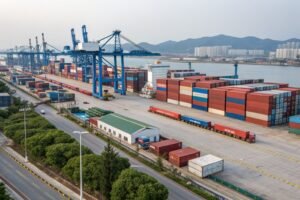
Bonded warehouses are strategically located near ports and free trade zones. They enable companies to hold goods in transit and redirect shipments as needed.
This structure supports re-export operations and multi-market distribution strategies.

Why are bonded warehouses critical for exporters?
They allow goods to be shipped onward without incurring unnecessary duties. The World Customs Organization identifies bonded warehousing as a best practice for international trade facilitation.
How does this benefit apparel wholesalers?
For instance, a consignment of babywear can be imported into Vietnam, held in bond, and then redirected to either the U.S. or EU without double taxation.
Regulatory Compliance and Customs Efficiency
Bonded facilities operate under strict customs supervision. This oversight guarantees accurate reporting and reduces risks of non-compliance.
Bonded warehousing ensures that importers meet all statutory requirements while minimizing clearance delays.

Why is customs supervision an advantage?
It streamlines processes and reduces fraud. The European Commission enforces detailed bonded warehousing regulations across EU member states.
How does this translate into efficiency for apparel brands?
By moving cargo quickly into bonded storage, brands avoid congestion at ports and ensure timely seasonal launches.
Inventory Flexibility and Risk Management
Bonded warehouses offer operational flexibility. Companies can consolidate shipments, stage inventory, and release stock strategically.
This flexibility reduces exposure to demand fluctuations and strengthens just-in-time (JIT) supply models.

Why is flexibility essential for fashion supply chains?
Demand for children’s wear shifts with seasons. Holding goods in bond allows brands to time market entry more precisely, similar to fast-fashion practices by Zara.
How does this reduce commercial risk?
It prevents premature duty payments on unsold stock and mitigates overstocking in domestic warehouses.
Conclusion
Bonded warehousing is not simply a storage choice. It is a financial and operational strategy that aligns with global trade requirements. It enables duty suspension, supports re-export, improves customs efficiency, and allows inventory flexibility.
At Shanghai Fumao, we integrate bonded warehousing into our children’s apparel export model. This ensures competitive pricing, optimized lead times, and regulatory compliance.
👉 To explore bonded warehousing for your apparel supply chain, contact our Business Director Elaine at strong>elaine@fumaoclothing.com. We provide end-to-end solutions that combine production, compliance, and logistics excellence.