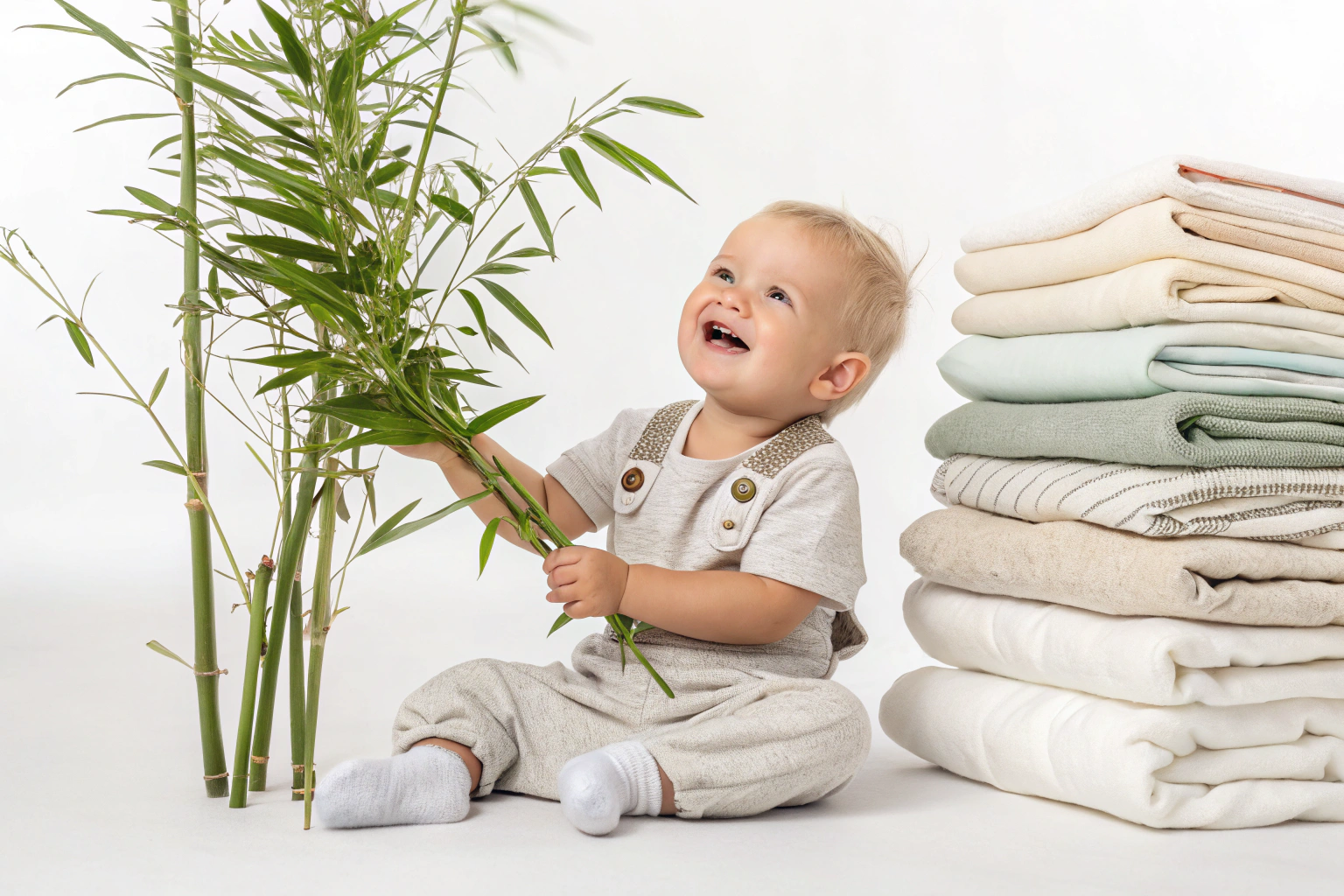
As a parent or a children's wear brand owner, you've likely noticed a surge in bamboo viscose clothing. Why is this fabric suddenly everywhere in organic baby collections? It's not just a passing trend. The reasons are rooted in science, consumer demand, and practical benefits that directly address the needs of modern families. For brands, understanding this shift is key to staying competitive in the dynamic children's fashion market.
Bamboo viscose has become the leading fabric in organic baby lines because it uniquely combines superior softness, exceptional breathability, and strong eco-friendly credentials, meeting the high demands of today's parents for both comfort and sustainability. Its natural properties align perfectly with the sensitive needs of a baby's skin, while its sustainable story resonates with environmentally conscious consumers. This powerful combination has propelled it ahead of traditional organic cotton and other materials.
Let's explore the specific reasons behind the dominance of bamboo viscose in the nursery wardrobe.
What makes bamboo viscose so soft for baby skin?
Parents prioritize softness above almost everything else. Bamboo viscose delivers an unparalleled gentle touch that feels luxurious against delicate skin. The fiber's structure is round and smooth, creating a fabric surface free from the friction that can irritate babies.
The secret lies in the natural origin of the fiber. Bamboo is a grass, and its pulp undergoes a process to become a silky, soft thread. This results in a fabric that is often compared to cashmere or silk in its hand-feel, but at a much more accessible price point. This exceptional softness is a key selling point that parents can immediately appreciate and feel.

How does bamboo fiber structure enhance comfort?
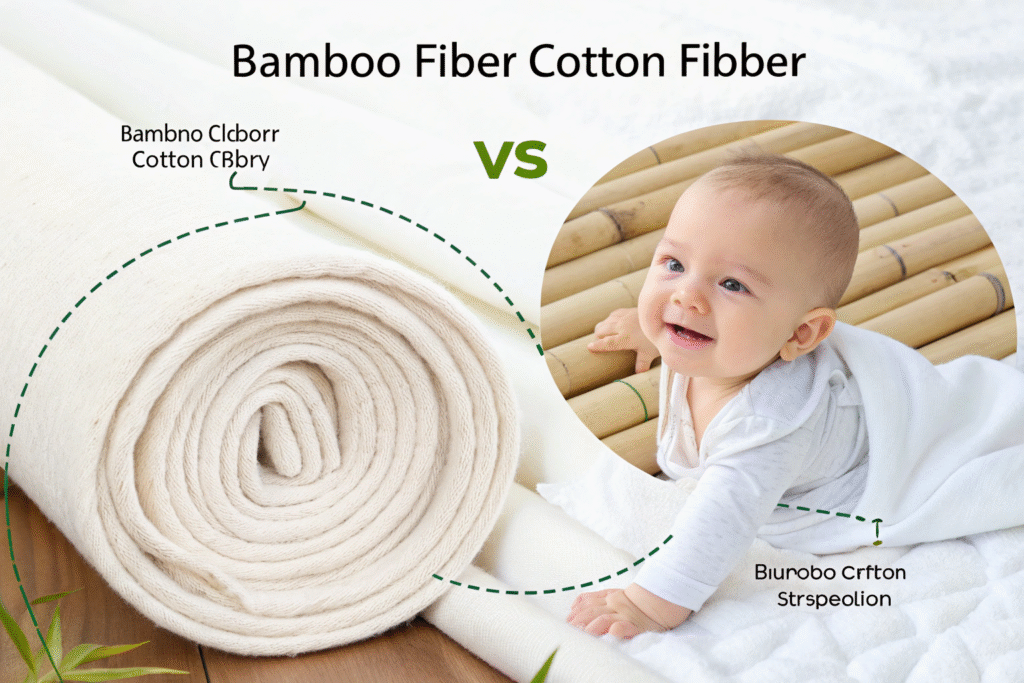
The comfort comes from the microscopic structure of the bamboo fiber. Bamboo viscose fibers are filled with micro-gaps, making them highly porous. This structure allows the fabric to be exceptionally breathable and absorbent. It pulls moisture away from the skin faster than cotton, keeping the baby dry and comfortable. This superior moisture-wicking is a critical factor in preventing diaper rash and skin irritation, a major concern for parents. Furthermore, the smoothness of the fibers means there are no protruding ends to prick or scratch, which is a common issue with lower-quality cottons. For brands, using fabrics that inherently prevent common issues like rash is a strong marketing advantage, aligning with the high quality control standards that importers like Ron seek.
Is bamboo viscose hypoallergenic for sensitive skin?
Yes, bamboo viscose is naturally hypoallergenic. Bamboo contains a substance called 'bamboo kun,' an antimicrobial agent that helps resist the growth of bacteria and fungi on the fabric. This property is inherent to the bamboo plant and remains in the finished textile to a significant degree. For a baby's sensitive and often allergy-prone skin, this means reduced risk of reactions and a cleaner, healthier fabric environment. This natural hygiene benefit reduces the need for harsh chemical washes, aligning with the organic ethos. It's a compelling feature that supports claims of safety and aligns with the rigorous international safety standards that reputable manufacturers adhere to, providing the certified safety that business buyers require.
Why is bamboo a sustainable choice for children's wear?
The "why" behind bamboo's popularity isn't just about feel; it's deeply connected to its green story. Today's consumers, and by extension the brands that serve them, are increasingly driven by eco-conscious values. Bamboo presents a powerful narrative of rapid renewal and low environmental impact during its growth phase.
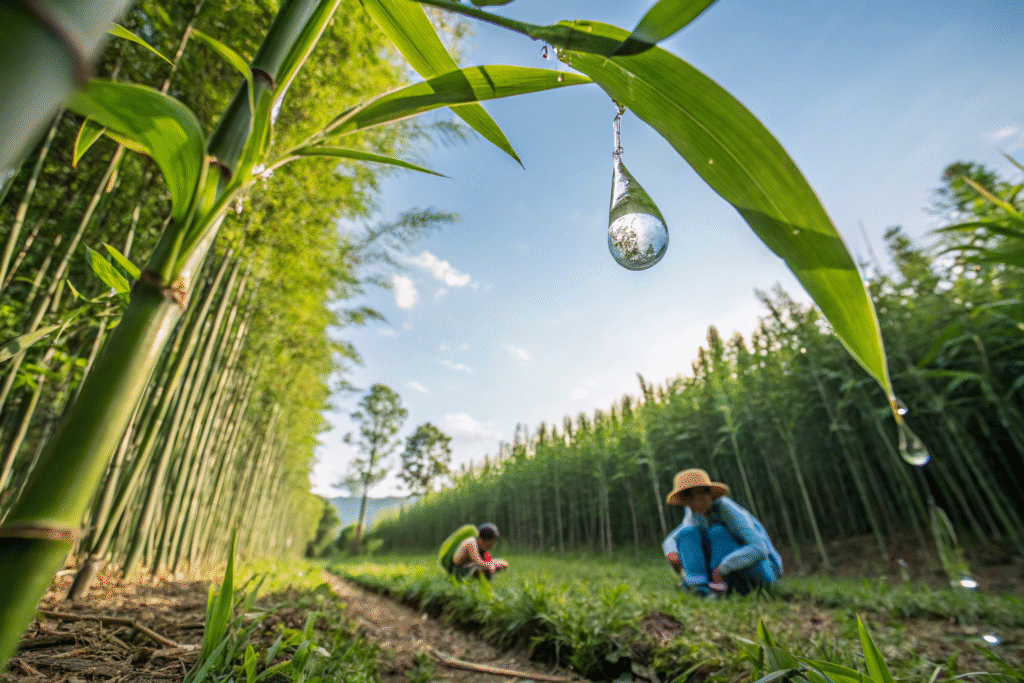
Bamboo is one of the fastest-growing plants on Earth, with some species growing up to three feet in a single day. It requires no fertilizers or pesticides to thrive and needs far less water than conventional cotton. This makes it a highly renewable resource. For brands targeting the mid-to-high segment in North America and Europe, this sustainable profile is not a bonus—it's a requirement. It allows them to build a brand story that resonates with modern, environmentally aware parents.
How does bamboo cultivation impact the environment?
Bamboo cultivation has a significantly lower environmental footprint compared to other textile crops. Its extensive root system helps prevent soil erosion and improves soil quality. Furthermore, bamboo forests absorb large amounts of carbon dioxide and produce more oxygen than an equivalent stand of trees. This positive impact on air quality is a strong point in its favor. However, it is crucial for brands to partner with suppliers who are transparent about their entire process, from sustainable farming to responsible manufacturing, ensuring the final product truly deserves its green label. This transparency directly addresses the pain point of suppliers falsifying certificates, a key concern for buyers like Ron.
What are the eco-friendly manufacturing processes?
The sustainability conversation must include the manufacturing process. The conversion of bamboo pulp into viscose fiber traditionally involves chemicals, which has been a point of criticism. However, leading manufacturers are now adopting closed-loop systems. In these advanced systems, over 99% of the water and chemicals used are recovered and recycled, drastically minimizing environmental release. This modern, responsible approach to production is what sets high-quality suppliers apart. When sourcing, it's vital to ask suppliers about their specific manufacturing processes and certifications, such as OEKO-TEX or FSC, to verify their eco-claims and ensure a truly sustainable supply chain.
How does bamboo fabric benefit a baby's comfort and health?
Beyond softness and sustainability, bamboo viscose offers tangible, everyday benefits that directly impact a baby's well-being. These practical advantages are what turn first-time buyers into loyal customers. They provide answers to the common problems parents face, from temperature regulation to skin health.
The fabric's natural thermo-regulating and moisture-wicking properties create a microclimate around the baby's skin. This means bamboo clothing keeps babies cooler in summer and warmer in winter by effectively managing moisture and heat. This adaptive comfort leads to less fussiness and better sleep for the baby, a benefit any parent will value highly. For brands, marketing these specific, problem-solving features is far more effective than talking about abstract fabric qualities.
Does bamboo viscose help regulate body temperature?
Absolutely. The micro-holes and gaps in bamboo fibers make the fabric highly breathable. This enhanced air circulation allows body heat to escape easily when it's warm, preventing overheating. Conversely, in cooler conditions, the same porous structure traps a layer of warm air close to the skin, providing natural insulation. This built-in temperature regulation is a functional advantage that organic cotton cannot match to the same degree, making bamboo a superior choice for all-season baby clothing and a strong point of differentiation in the market.
Why is bamboo's moisture-wicking ability crucial?
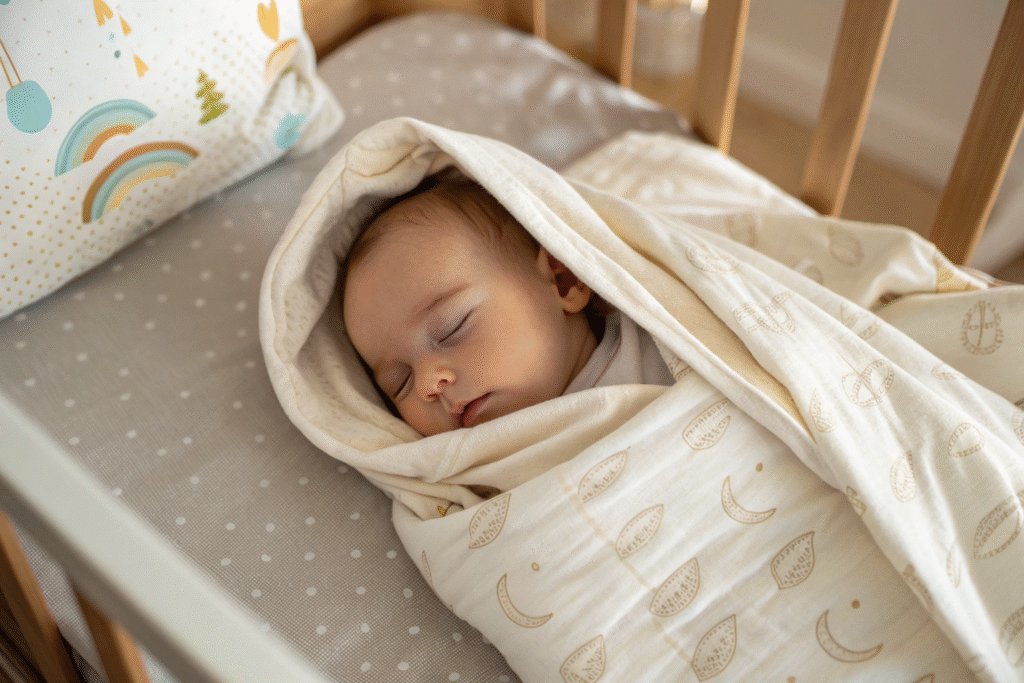
A baby's comfort is directly linked to how dry their skin stays. Bamboo viscose can absorb and evaporate moisture much faster than cotton. This rapid-drying capability is crucial for comfort and health. Damp clothing from spit-up, sweat, or diaper leaks can quickly lead to chills and skin irritation. By pulling moisture away from the skin and allowing it to evaporate, bamboo fabric keeps the baby's skin drier, reducing the risk of discomfort and common issues like diaper rash. This practical benefit is a key reason for its dominance in core baby products like bodysuits, sleepers, and swaddles, and it underscores the importance of functional apparel in a successful children's wear line.
Is bamboo viscose clothing durable for everyday wear?
A common misconception is that ultra-soft fabrics lack strength. However, when constructed with quality in mind, bamboo viscose garments are surprisingly durable and can withstand the rigors of an active baby's life and frequent washing. The longevity of a garment is a critical factor for both value-conscious parents and brands building a reputation for quality.
The durability of bamboo fabric depends heavily on the quality of the yarn and the knitting or weaving technique used. At Fumao Clothing, we use high-grade bamboo viscose and robust construction methods to ensure our garments maintain their shape, color, and integrity over time. This commitment to durability means our partners can offer products that last through multiple children, enhancing the brand's value proposition and reducing returns, which is a key concern for distributors and brand owners.
How does bamboo viscose withstand frequent washing?
The key to longevity is proper care. We advise our partners to include simple care instructions on their labels: machine wash cold on a gentle cycle and tumble dry low. High-quality bamboo viscose, when cared for correctly, will not shrink excessively or lose its softness. In fact, it often becomes softer with each wash. Its color retention is also excellent, resisting fading better than many cottons. This resilience through countless washes is a testament to its quality and a major advantage for brands promising value to their customers.
What is the longevity of bamboo compared to cotton?
In terms of tensile strength, a single bamboo fiber is not as strong as cotton. But when spun into yarn and knitted into fabric, high-quality bamboo viscose demonstrates excellent durability. It is less prone to pilling than standard cotton and holds its shape well. While very thin bamboo weaves can be delicate, the standard weights used for everyday babywear are designed for durability. For brands, the decision often comes down to the perfect balance between luxurious softness and practical longevity—a balance we achieve through our expertise in knitted garment production and stringent quality assurance processes.
Conclusion
Bamboo viscose's dominance in organic baby lines is no accident. It is the result of a powerful combination of supreme softness for delicate skin, compelling sustainable credentials, and practical health benefits like temperature regulation and moisture-wicking. Its ability to meet the high standards of both discerning parents and quality-focused brands has solidified its top position. It offers a tangible upgrade that justifies its place in the competitive children's wear market.
The evidence is clear: choosing bamboo viscose is a smart decision for any children's fashion brand looking to lead in quality and consumer satisfaction. If you are ready to develop a high-quality, comfortable, and market-leading children's wear collection, partner with a manufacturer that understands these nuances. Contact our Business Director, Elaine, today at elaine@fumaoclothing.com to discuss how we can bring your vision to life with agility and excellence.