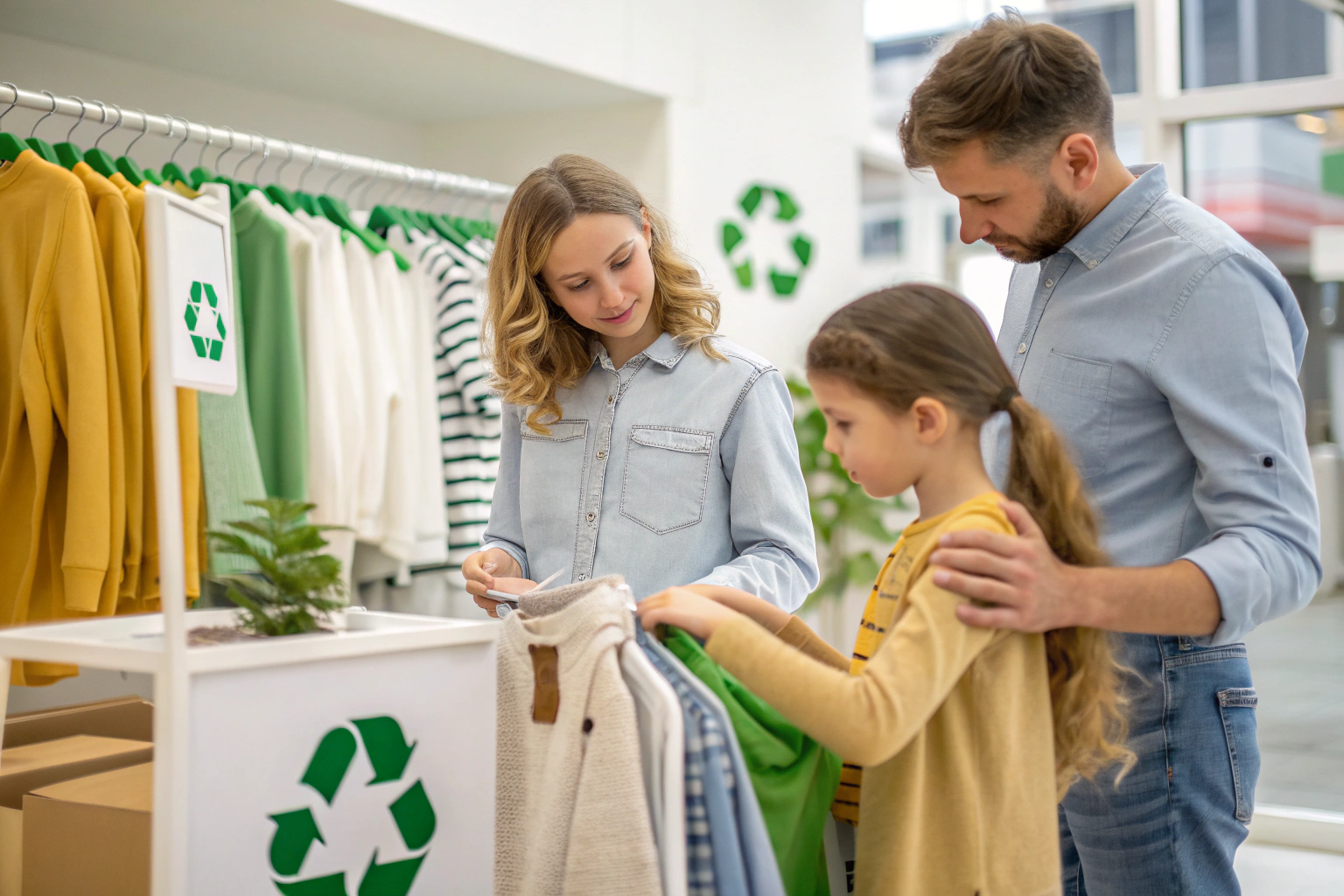
As a children's clothing manufacturer working extensively with American and European brands, I've witnessed firsthand the dramatic shift toward sustainable fabrics in our industry. What was once a niche preference has rapidly become an expectation, transforming how we source materials and design our collections. This transition represents more than just a trend—it's a fundamental reshaping of the children's wear market.
Sustainable fabrics are becoming standard in children's clothing due to converging factors including heightened parental awareness of chemical safety, growing environmental concerns, superior performance characteristics of eco-friendly materials, and increasing regulatory pressure. These fabrics address core parent concerns about their children's health while aligning with values of environmental responsibility, creating a new baseline for quality in the children's wear industry.
The movement toward sustainable materials represents one of the most significant shifts I've witnessed in my decades in children's wear manufacturing, driven by informed consumers and forward-thinking brands.
What is driving consumer demand for sustainable kids wear?
The transformation toward sustainable children's clothing begins with the consumer. Today's parents, particularly millennials and Gen Z, are driving this change through their purchasing decisions and brand expectations.
Modern parents are better informed and more conscious about their purchasing decisions than previous generations. They have easy access to information about materials, manufacturing processes, and corporate ethics through smartphones and social media. This transparency has raised expectations for brands to demonstrate responsibility beyond profit. Additionally, parents are increasingly connecting environmental health with their children's personal health, understanding that the two are fundamentally linked. This holistic perspective makes sustainable clothing not just an environmental choice, but a healthcare decision for their families.

How are parent priorities shifting toward sustainability?
Parental priorities have evolved significantly from focusing primarily on price and appearance to valuing safety, ethics, and environmental impact. Today's parents actively seek out OEKO-TEX certified fabrics that guarantee freedom from harmful substances, viewing this certification as a baseline rather than a premium feature. They're increasingly concerned about the environmental footprint of their purchases, considering water usage, pesticide application, and carbon emissions associated with clothing production. Many parents now perceive sustainable clothing as higher quality and better value, believing these garments will last longer and perform better despite often carrying higher price points. This represents a fundamental shift in how parents evaluate children's clothing.
What role does social media play in this transition?
Social media has dramatically accelerated the sustainable fashion movement in children's wear. Parenting influencers regularly showcase their sustainable purchases to engaged audiences, normalizing eco-conscious consumption. Educational content about fast fashion's environmental impact reaches millions of parents daily, raising awareness and changing behaviors. Brands that transparently share their sustainability journey build loyal communities around their values. Additionally, social media enables concerned parents to collectively voice their expectations to brands, creating pressure for industry-wide change. This digital ecosystem has transformed sustainable children's wear from a quiet preference to a vocal movement.
How do sustainable fabrics enhance children's health and safety?
The health and safety benefits of sustainable fabrics represent perhaps the most compelling reason for their adoption in children's wear, addressing parents' fundamental desire to protect their children.
Children are particularly vulnerable to environmental toxins due to their developing bodies, higher metabolic rates, and specific behaviors like mouthing clothing. Sustainable fabrics directly address these vulnerabilities through rigorous certification standards and cleaner production processes, offering parents verifiable safety assurances that conventional fabrics often cannot provide.
What harmful substances do sustainable fabrics avoid?
Sustainable fabrics certified to Global Organic Textile Standard (GOTS) or OEKO-TEX Standard 100 avoid a comprehensive list of substances known to pose health risks. These include pesticide residues commonly found in conventional cotton, which have been linked to developmental issues in children. They exclude heavy metals like lead and cadmium sometimes used in conventional dyes, which can affect neurological development. The standards prohibit formaldehyde, often used in wrinkle-resistant finishes, which is a known respiratory irritant and sensitizer. They also ban phthalates in prints and azo dyes that can release carcinogenic amines. For parents, these certifications provide independent verification that their children's clothing excludes these concerning substances.
How do organic materials benefit sensitive skin?
Organic and sustainable fabrics offer distinct advantages for children with sensitive skin or allergies. Organic cotton, grown without synthetic pesticides and fertilizers, contains fewer chemical residues that can trigger skin reactions. The natural growing methods typically result in longer, stronger fibers that create softer fabrics with less pilling and irritation. Many sustainable fabrics like Tencel™ lyocell offer exceptionally smooth fiber surfaces that feel soothing against sensitive skin. The processing of GOTS-certified fabrics restricts harsh chemical treatments during manufacturing, resulting in clothing with more neutral pH levels that are less likely to disrupt skin's natural balance. These characteristics make sustainable fabrics particularly valuable for the approximately 10-20% of children who experience eczema or other skin sensitivities.
What environmental factors are pushing this change?
The environmental imperative for adopting sustainable fabrics in children's wear has become increasingly urgent, with conventional textile production facing scrutiny for its substantial ecological footprint.
The traditional textile industry ranks among the world's most polluting industries, consuming vast resources while generating significant waste and emissions. As awareness of this impact grows, brands and consumers alike are seeking alternatives that reduce environmental harm while still delivering the performance and aesthetics expected from children's clothing.
| Environmental Issue | Conventional Fabric Impact | Sustainable Fabric Improvement |
|---|---|---|
| Water Consumption | Conventional cotton uses 2,700L per t-shirt | Organic cotton reduces water by 91% |
| Pesticide Usage | 16% of world's pesticides used for cotton | Organic cotton uses no synthetic pesticides |
| Carbon Footprint | High emissions from synthetic fertilizers | Recycled polyester reduces emissions by 32% |
| Microplastic Pollution | Synthetic fabrics shed microplastics when washed | Natural fibers like organic cotton are biodegradable |
How does sustainable production conserve resources?
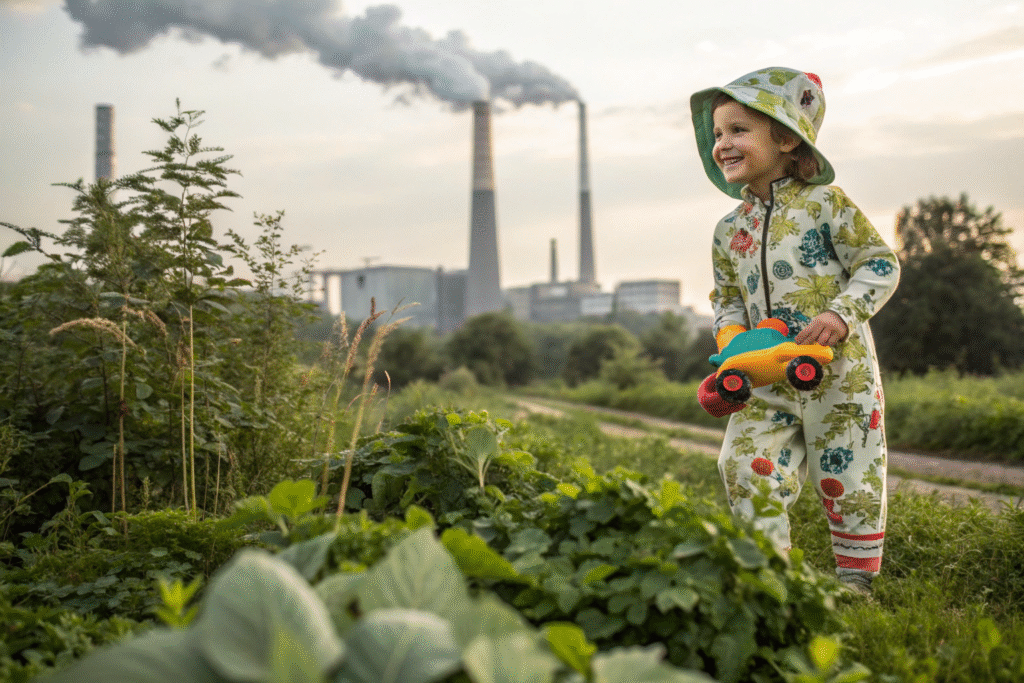
Sustainable fabric production demonstrates dramatically improved resource efficiency compared to conventional methods. Organic cotton farming typically uses 91% less water than conventional cotton by relying more on rainfall and improving soil water retention. Recycled polyester production requires 59% less energy compared to virgin polyester, significantly reducing fossil fuel consumption. Regenerative farming practices used for some sustainable fibers actually improve soil health over time, sequestering carbon and increasing land productivity. Manufacturing processes for GOTS-certified fabrics strictly limit water pollution by requiring wastewater treatment and restricting hazardous chemicals. These resource efficiencies address key environmental concerns while creating a compelling narrative for eco-conscious parents.
What waste reduction benefits do sustainable fabrics offer?
Sustainable fabrics contribute significantly to waste reduction throughout their lifecycle. Recycled materials like REPREVE® polyester transform plastic bottles into high-quality performance fabrics, diverting waste from landfills and oceans. Organic farming methods typically produce healthier soil that supports more robust ecosystems with greater biodiversity. Biodegradable natural fibers like organic cotton, hemp, and Tencel™ break down completely at end of life, unlike synthetic fibers that can persist for centuries. Additionally, higher-quality sustainable fabrics often have longer useful lives, reducing the frequency of replacement and the associated waste generation. This comprehensive approach to waste minimization resonates strongly with parents concerned about the world their children will inherit.
How are regulations influencing material choices?
The regulatory environment for children's products is increasingly favoring sustainable materials, creating additional impetus for brands to transition away from conventional fabrics.
Government regulations and industry standards are progressively raising the bar for chemical safety and environmental responsibility in children's products. These evolving requirements make sustainable fabrics not just an ethical choice, but increasingly a compliance necessity for brands operating in international markets.
What safety standards are pushing brands toward sustainability?
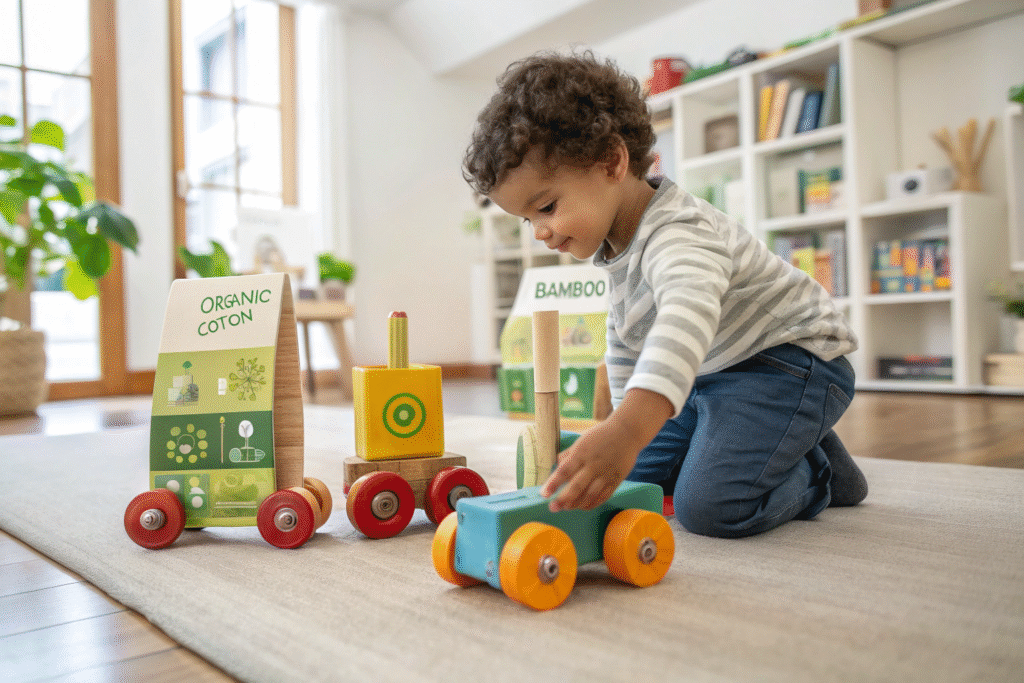
Several key safety standards are effectively steering brands toward sustainable material choices. The Consumer Product Safety Improvement Act (CPSIA) in the United States sets strict limits on lead and phthalates in children's products, requirements that sustainable fabrics typically exceed. REACH regulations in the European Union restrict hundreds of substances of very high concern, many commonly used in conventional textile production. The California Proposition 65 requirement to warn about exposure to listed chemicals has prompted many brands to reformulate their products preemptively. Certification standards like GOTS and OEKO-TEX provide comprehensive frameworks that help brands navigate these complex regulatory landscapes while demonstrating due diligence to consumers and regulators.
How are import regulations affecting material sourcing?
Import regulations in key markets are increasingly incorporating sustainability criteria that affect material sourcing decisions. The European Union's evolving sustainability policies, including potential extended producer responsibility schemes, are creating financial incentives for more sustainable design and material choices. Several countries have implemented stricter controls on textile waste, encouraging the use of recycled content. Customs processes in some markets are beginning to offer expedited clearance for products with verified sustainability credentials. Additionally, brands facing pressure from investors and stakeholders to improve their environmental, social, and governance (ESG) performance are finding that sustainable materials provide measurable improvements that support their reporting requirements. These regulatory and market forces collectively make sustainable fabrics increasingly attractive from a risk management perspective.
Conclusion
Sustainable fabrics are becoming standard in children's clothing because they represent a convergence of benefits that address the core concerns of modern parents, regulatory trends, and environmental necessities. They offer verifiable safety advantages for children's health, significantly reduce environmental impact, meet evolving regulatory requirements, and align with the values of an increasingly conscious consumer base. What began as a niche preference has rapidly transformed into an industry expectation, redefining quality in children's wear.
At Fumao Clothing, we've integrated sustainable fabrics into our core offerings because we believe they represent the future of responsible children's wear manufacturing. Our partnerships with certified organic cotton suppliers and recycled material producers enable us to deliver the safety, quality, and environmental performance that today's brands and parents demand. If you're looking to transition your children's wear line toward more sustainable materials, contact our Business Director, Elaine, at elaine@fumaoclothing.com to explore how we can help you make this important shift while maintaining your brand's aesthetic and quality standards.