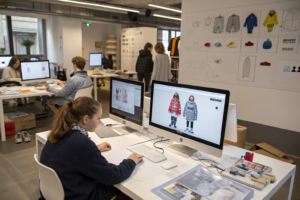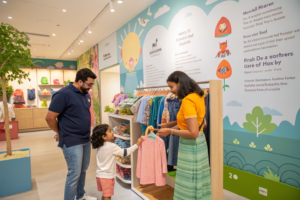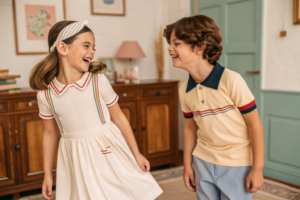

Kids fashion operates on a fascinating cycle where trends from previous decades regularly resurface with contemporary updates. As manufacturers who have witnessed multiple trend cycles across generations, we understand the underlying mechanisms that make children's fashion particularly prone to these recurring patterns.
Kids fashion trends are cyclical due to nostalgic purchasing by parents, the recycling of cultural references, practical limitations of children's clothing design, and the fashion industry's inherent need for constant novelty within safe parameters. These factors create a predictable pattern where styles from 20-30 years prior regularly return, updated for new generations while maintaining their nostalgic appeal. The cycle typically spans 20-30 years—enough time for a generation to grow up and have children of their own.
How Does Parental Nostalgia Drive Trend Cycles?
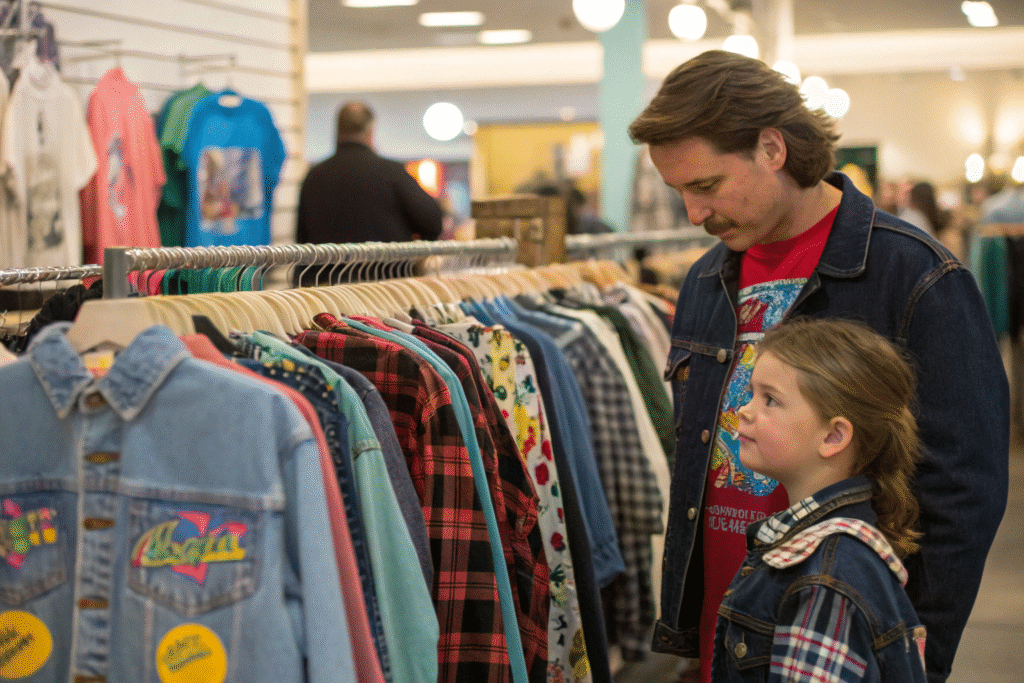
Parents naturally gravitate toward clothing styles that remind them of their own childhood, creating a powerful emotional driver for cyclical trends. This nostalgic connection transforms fashion choices into emotional purchases that transcend pure practicality.
When today's 30-40 year olds shop for their children, they're often subconsciously drawn to styles that evoke positive memories from their own youth. The 90s styles currently enjoying a revival are being purchased by adults who grew up during that decade, while 80s influences appeal to an older demographic. This generational pattern ensures that trends resurface approximately every 20-30 years, timed perfectly for the next generation to introduce them to their children.
What Psychological Factors Make Nostalgia So Powerful?
Nostalgia serves as a powerful emotional anchor that helps parents connect their childhood experiences with their parenting journey. According to psychology research, nostalgic feelings create a sense of continuity and comfort, making familiar styles feel inherently "right" for their children. This emotional connection often overrides purely practical considerations, explaining why parents might choose slightly less convenient clothing styles that nonetheless evoke positive childhood memories. The fashion industry strategically leverages this nostalgic marketing to create immediate emotional engagement with recycled trends.
How Do Generational Transitions Reinforce Cycles?
Each generation brings its childhood influences into adulthood, creating predictable waves of trend revival. Millennials who grew up with 90s fashion are now driving the return of scrunchies, overalls, and neon accents. Generation X parents sparked the 80s revival with leg warmers and oversized silhouettes. This generational influence creates a self-perpetuating cycle where each new generation of parents rediscovers and reintroduces the styles of their youth, updated with contemporary fabrics, fits, and sensibilities but maintaining the core aesthetic that triggers nostalgic recognition.
What Role Does Cultural Recycling Play in Trend Cycles?
Popular culture constantly mines previous decades for inspiration, creating a feedback loop where media influences fashion and vice versa. Children's entertainment particularly contributes to this recycling of aesthetic references.
Movies, television shows, and music regularly revisit previous decades, introducing these styles to new young audiences. When a popular children's show features 70s-inspired outfits or a blockbuster movie revisits 80s aesthetics, it creates immediate demand for similar styles. This cultural recycling ensures that historical references remain in the public consciousness, ready to be revived when the timing aligns with nostalgic purchasing patterns.

How Does Media Drive the Rediscovery of Past Trends?
Film, television, and streaming content serve as powerful trend amplifiers that can instantly revive decades-old styles. When a popular children's program features retro fashion elements, it creates immediate recognition and demand among young viewers. Similarly, when parents watch reboots of shows from their childhood with their own children, it reinforces the appeal of associated fashion styles. This media-driven nostalgia creates a fertile environment for cyclical trends to take root and spread rapidly through both generations.
Why Are Certain Decades Particularly Prone to Revival?
Some decades seem to possess enduring aesthetic appeal that makes them frequent sources of inspiration. The 1960s mod styles, 1970s bohemian influences, 1980s bold graphics, and 1990s minimalist grunge each offer distinctive visual languages that translate well to contemporary interpretations. According to fashion historians, decades with strong, identifiable aesthetics tend to cycle more predictably because they provide clear reference points that designers can easily update while maintaining recognizable connections to the original era.
How Do Practical Constraints Influence Cyclical Patterns?
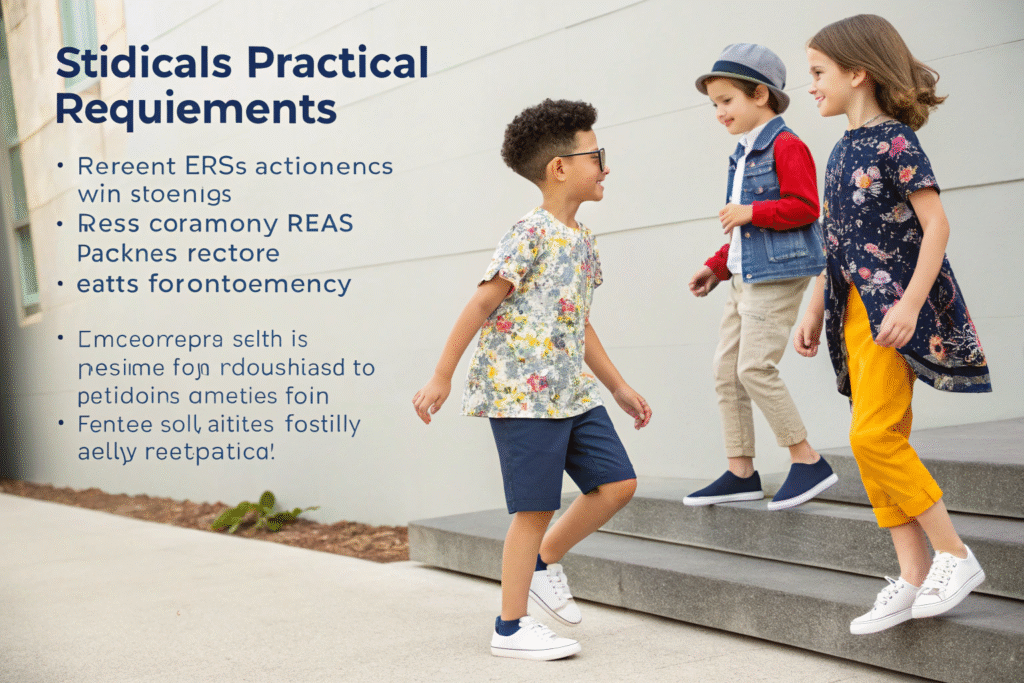
Children's clothing must accommodate specific practical requirements that limit radical innovation, making reinterpretation of proven styles a safer design strategy than completely new directions.
The fundamental needs of children's clothing—ease of movement, durability, comfort, and practicality—create design parameters that naturally favor certain silhouettes and constructions. These practical constraints mean that truly new innovations are relatively rare, leading designers to instead focus on refreshing existing formulas with new colors, patterns, and details that reference previous eras while meeting contemporary standards.
What Design Limitations Encourage Recycling?
Children's clothing design operates within tighter functional constraints than adult fashion, limiting how radically styles can evolve. Garments must allow for physical development and active movement, accommodate diaper changes for younger children, and withstand rough play and frequent washing. These practical requirements naturally favor certain silhouettes and constructions that have proven their functionality across generations. When designers want to introduce novelty, they often turn to historical references that can be updated with modern fabrics and manufacturing techniques while maintaining proven functionality.
Why Do Basic Silhouettes Remain Constant?
The fundamental silhouettes of children's clothing show remarkable consistency across decades because they're dictated by children's bodies and activities. T-shirts, leggings, A-line dresses, and overalls persist because they simply work well for young bodies in motion. According to design principles for children's wear, these proven silhouettes provide the perfect canvas for cyclical trend expression through color, print, and detailing changes. This consistency in form with variation in decoration creates the perfect conditions for cyclical trends to flourish within a stable functional framework.
How Does the Fashion Industry Perpetuate These Cycles?
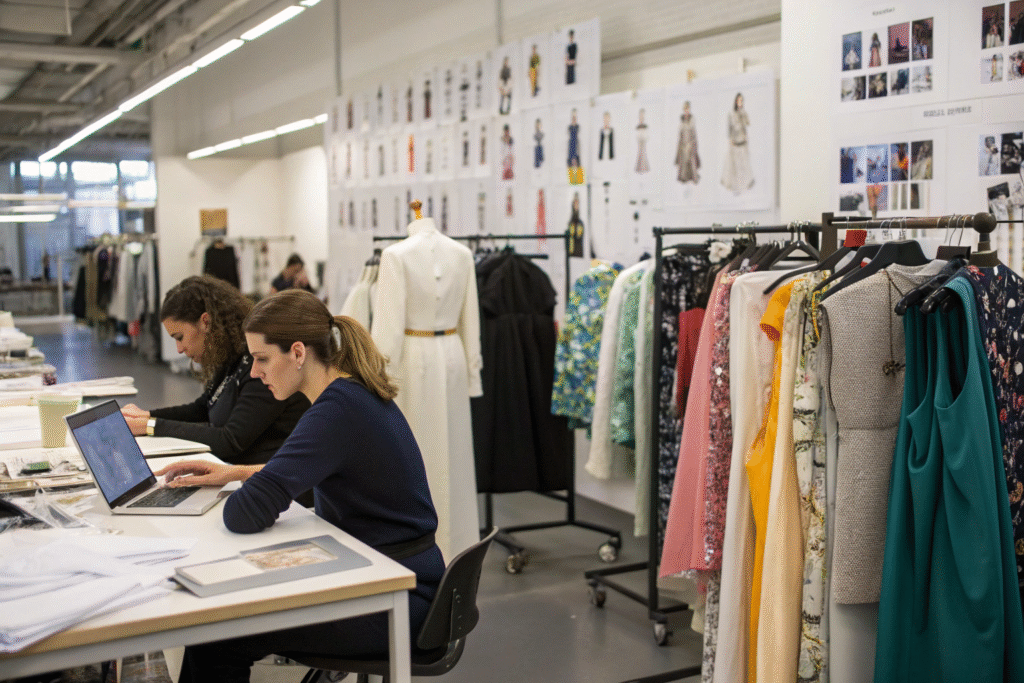
The fashion industry has economic incentives to maintain cyclical trends rather than pursuing constant genuine innovation. Predictable trend cycles allow for better planning, reduced risk, and efficient reuse of design archives.
From manufacturing perspectives, working with familiar silhouettes and constructions reduces production complexity and cost. For retailers, cyclical trends provide market-tested concepts that require less consumer education. The industry's structure naturally encourages looking backward as much as forward, with trend forecasters specifically tracking which eras are "due" for revival based on demographic and cultural indicators.
What Economic Factors Support Cyclical Trends?
The business of fashion thrives on predictability, and cyclical trends offer reduced risk compared to completely new directions. Manufacturers can reference existing pattern archives, retailers can market revived trends using familiar reference points, and consumers require less education about styles they already recognize from media or their own memories. This economic efficiency creates strong incentives for the industry to regularly revisit proven concepts rather than investing in riskier innovation, particularly in the competitive children's wear market where margins are often tighter.
How Do Trend Forecasters Influence the Cycle?
Professional trend forecasters play a crucial role in timing and shaping trend revivals. Agencies like WGSN and Pantone specifically analyze when particular decades are ripe for revival based on demographic shifts, cultural anniversaries, and market readiness. Their predictions influence designers, manufacturers, and retailers simultaneously, creating coordinated revivals that feel organic but are often carefully orchestrated. This professional coordination helps explain why multiple brands often introduce similar retro influences simultaneously, creating the impression of spontaneous cultural rediscovery.
Conclusion
Kids fashion trends cycle predictably because this pattern serves multiple stakeholders—parents enjoy nostalgic connections to their own childhoods, children benefit from proven functional designs, and the fashion industry manages risk while maintaining novelty. The 20-30 year cycle aligns perfectly with generational transitions, ensuring a constant supply of nostalgic inspiration while allowing for contemporary updates that meet current safety, comfort, and aesthetic standards.
Understanding these cyclical patterns helps brands anticipate coming trends and develop products that resonate emotionally while meeting practical needs. If you're looking to navigate these trend cycles with a manufacturing partner who understands both historical references and contemporary requirements, contact our Business Director, Elaine, at elaine@fumaoclothing.com. Let's discuss how we can help you create clothing that captures nostalgic appeal while delivering modern performance and style.