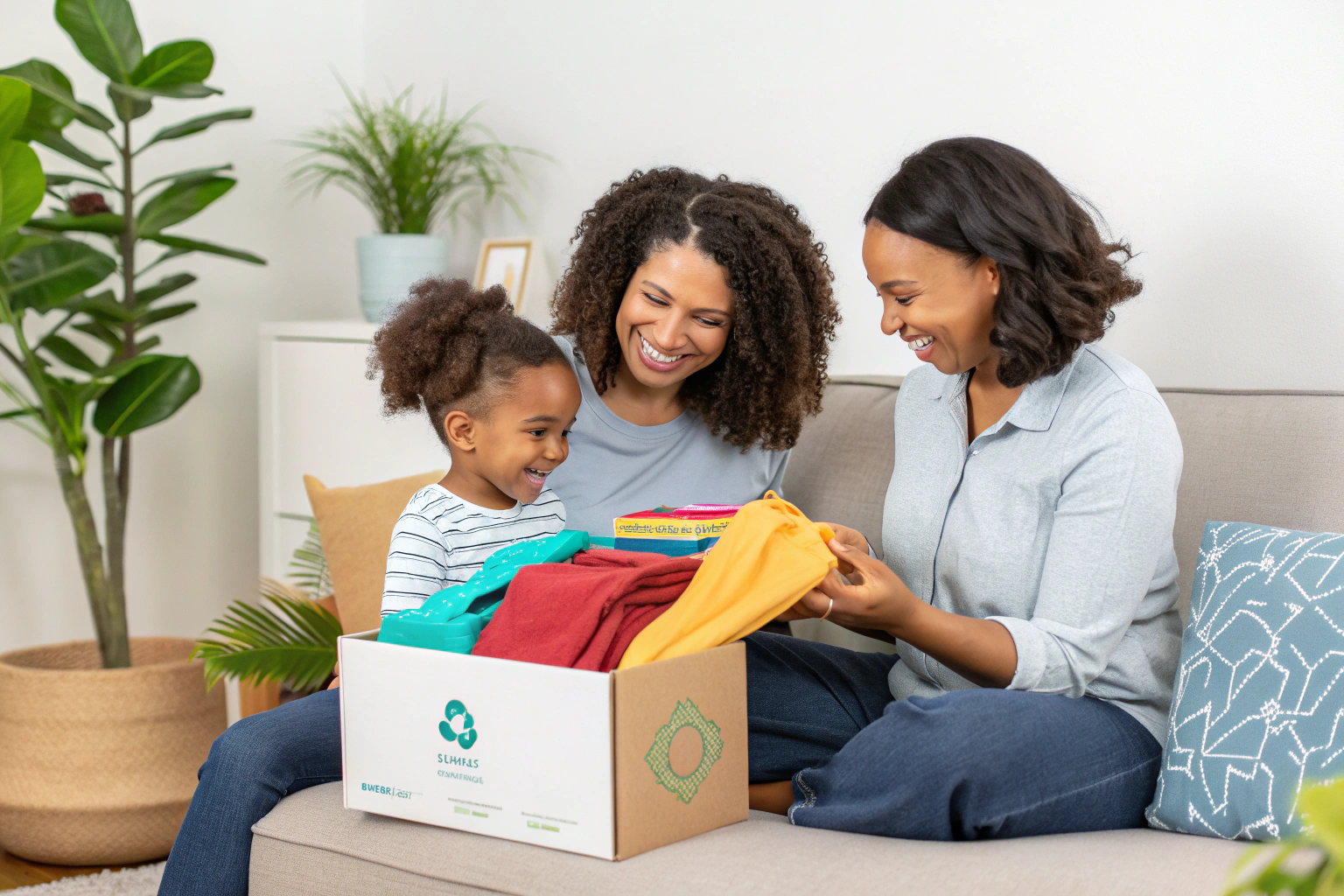
Parents and brands are noticing a major shift in how children’s clothes are acquired. The traditional model of buying new is being challenged. As a children’s wear manufacturer, we see this trend impacting our brand partners and the entire industry.
Kids clothing rental services are gaining popularity primarily due to growing consumer demand for sustainability, the practical need for cost savings on rapidly outgrown items, and the desire for variety and convenience. This circular fashion model offers an eco-friendly and economically smart alternative to constant new purchases, aligning perfectly with modern parenting values. Let’s examine the key drivers behind this booming market.
Is Sustainability the Main Driver for Rental Growth?
Environmental concerns are a powerful force shaping consumer behavior. Modern parents are increasingly aware of the environmental footprint of fast fashion. Renting clothes is seen as a direct way to reduce waste.
The kids’ wear rental model is a prime example of the circular economy in action. By keeping garments in use for as long as possible, it drastically reduces the number of items produced and, ultimately, thrown away. This resonates deeply with eco-conscious families who want to minimize their impact. For brands, participating in rental schemes is a powerful statement of their commitment to sustainable practices, which can significantly enhance brand loyalty.

How Does Rental Fashion Reduce Environmental Impact?
Rental services directly combat textile waste. Children outgrow clothes quickly, often before the garment is worn out. A single high-quality rented item can be worn by multiple children throughout its lifecycle. This means fewer resources are used in production and fewer clothes end up in landfills. The model promotes a "use" rather than "own" mentality, which is a core principle of sustainable fashion. It’s a practical solution for parents who want to make responsible choices.
Are Parents Willing to Pay for Sustainable Options?
Yes, a growing segment of parents are actively seeking sustainable options. They view their spending as a vote for the kind of world they want for their children. While price remains important, these consumers are often willing to pay a premium or switch their purchasing model to support companies with verifiable green credentials. They are savvy and can spot greenwashing, so authenticity and transparency from brands are absolutely crucial.
How Do Parents Save Money with Rental Services?
The financial argument for renting kids’ clothes is incredibly strong. Children can outgrow sizes every few months, making constant purchasing a significant ongoing expense. Rental flips this model on its head.
Instead of buying a new wardrobe every season, parents pay a monthly fee for a rotating selection of clothes. This provides access to high-quality, often premium-brand items for a fraction of the retail cost. For example, a family might pay a monthly subscription that is less than the cost of a single high-end dress. This model provides exceptional value and allows families to dress their children in better quality materials without the guilt of short-term use.

What Is the Typical Cost Comparison Between Renting and Buying?
Let’s break down the costs for a one-year-old’s seasonal wardrobe:
| Wardrobe Category | Cost to Buy (Mid-Range) | Cost to Rent (Monthly Subscription) |
|---|---|---|
| 7 Everyday Outfits | $150 – $200 | |
| 2 Special Occasion Outfits | $80 – $100 | $50 – $80 per month |
| Total Seasonal Cost | $230 – $300 | $50 – $80 |
As shown, renting can offer substantial savings, especially when you consider the child will likely need a new size in 3-4 months.
Does Renting Provide Access to Higher Quality Brands?
Absolutely. Rental services allow parents to dress their children in brands that might otherwise be outside their budget. A parent can rent a high-end European brand for a special event without the commitment of a high purchase price. This "try before you buy" aspect can also serve as a powerful marketing tool for the brands themselves, introducing their quality and design to new customers.
Are Parents Seeking More Variety and Convenience?
Today’s parents are busy and digitally native. They value services that save them time and offer curated choices. The subscription box model delivers on both fronts.
The desire for novelty is another key factor. Kids love new clothes, and parents enjoy dressing them in fresh styles. Rental subscriptions provide a regular stream of new items without cluttering the home. When the child outgrows the clothes or the parent simply wants a new look, they return the current batch and receive a new one. It’s a hassle-free solution that eliminates trips to the mall and the chore of sorting and storing outgrown clothing.

How Does a Rental Subscription Work?
The process is designed for maximum convenience. Parents typically sign up online, create a profile for their child with size and style preferences, and choose a subscription plan. A curated box of clothes arrives at their door. After the child wears the items for a set period, the parent packs them back into the provided prepaid shipping bag and sends them back. The next box is then dispatched. This seamless process is a major draw for time-poor families.
Is the "Closet Refresh" a Key Selling Point?
The "closet refresh" is arguably the core emotional benefit. It brings a recurring element of joy and surprise to the routine of dressing a child. It solves the problem of boredom—for both the parent and the child—and constantly provides new content for social media, which is an unspoken but significant driver for many. This model aligns perfectly with modern consumer habits shaped by subscription box services in other sectors.
What Does This Trend Mean for Kids’ Wear Brands?
The rise of rental presents both a challenge and a massive opportunity for traditional brands and manufacturers. It requires a shift in thinking from a one-time sale to an ongoing relationship with the product and the end-consumer.
Brands need to reconsider product design and durability. Garments for rental need to be exceptionally well-made to withstand multiple washes and wears by different children. This emphasizes the need for high-quality fabric sourcing and robust construction. Furthermore, it opens new revenue streams; brands can launch their own rental services or partner with existing platforms, creating a continuous cycle of income from a single garment.

How Should Brands Adapt Their Product Design?
Durability is now a primary design criterion. This means using reinforced seams, selecting fabrics that maintain their color and shape after dozens of washes, and choosing functional designs that are easy to put on and take off. The aesthetic must remain desirable, but the product’s longevity becomes its most important feature. This focus on quality over quantity is a positive shift for the entire industry.
Can Rental Models Open New Business Opportunities?
Yes, this is a transformative opportunity. For a B2B manufacturer like us, it means we can partner with brands and rental platforms to produce exclusive, rental-specific collections. We can leverage our expertise in creating durable, high-quality garments that are perfect for this model. It allows us to be at the forefront of innovative business models in the children’s wear sector, helping our partners diversify and future-proof their businesses.
Conclusion
The popularity of kids’ clothing rental services is no passing fad. It is a robust trend fueled by a powerful combination of sustainability, cost-effectiveness, and convenience. This model meets the evolving needs of modern parents and presents a clear path forward for a more responsible and innovative children’s wear industry.
For brands looking to explore or enter the rental market, having a manufacturing partner with the expertise to produce durable, high-quality clothing is essential. If you are a brand owner or buyer interested in developing a collection built for the circular economy, contact our Business Director, Elaine, at elaine@fumaoclothing.com. Let’s discuss how we can help you adapt and thrive in this exciting new landscape.