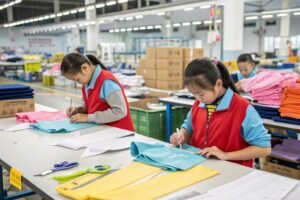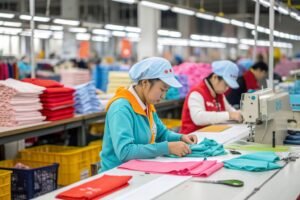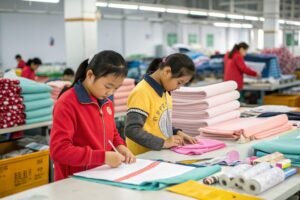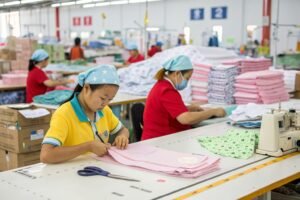

As a children’s clothing manufacturer who has worked with American brands for decades, I’ve watched this trend emerge from the sidelines. Parents and brands are suddenly embracing rental services in a way we never saw before. It’s not just a fleeting trend – it’s a fundamental shift in how people think about kids’ fashion. The traditional model of buying, wearing, and discarding is being challenged by a more circular approach that makes surprising business sense.
Kids clothing rental services are popular because they solve multiple modern parenting pain points simultaneously: they’re cost-effective for rapidly growing children, environmentally conscious, and offer constant variety without clutter. This trifecta of benefits aligns perfectly with evolving consumer values, particularly among millennial and Gen Z parents who prioritize experiences over ownership and sustainability over accumulation. The model turns expensive, temporary children’s wear into an affordable, convenient service.
The growth isn’t accidental. These services leverage changing attitudes about consumption while addressing the practical reality that children outgrow clothes long before wearing them out. I’ve seen brands in our network successfully pivot to incorporate rental options, often with surprising financial results. Let’s explore what’s driving this shift and why it represents more than just a passing fancy.
How do clothing rental services save parents money?
Let’s talk about the most immediate draw: the financial benefit. For any parent, the constant need to buy new clothes for a growing child is a significant and recurring expense. A child can outgrow multiple sizes in a single year, making many perfectly good garments obsolete. Rental services flip this model on its head.
Instead of a large upfront cost for a wardrobe that will soon be too small, parents pay a manageable monthly fee for continuous access to a rotating selection of clothes. This turns a capital expense into an operational one. Think of it like leasing a car versus buying it; you get the use of the product without the long-term commitment or depreciation worry. For quality-conscious parents who want their children in premium brands but balk at the price tags, rental makes high-end fashion accessible.

What is the actual cost comparison between renting and buying?
The math is compelling. Consider a toddler who needs a new seasonal wardrobe every three months. Buying a modest collection of 10-12 quality outfits from mid-tier brands can easily cost $300-$500. Over a year, that’s $1,200-$2,000.
- Rental Subscription Costs: Most rental services offer plans between $40-$100 per month. For argument’s sake, let’s take a mid-range plan at $70/month. That’s $840 annually. The savings are clear, and this doesn’t account for the hidden costs of storage, laundry, and eventual disposal of outgrown clothes.
- Access to Higher Quality: That $70 monthly fee often provides access to premium and designer labels that would be prohibitively expensive to purchase outright. A single Jacadi dress might retail for $120, but it can be part of a monthly rental rotation. This "democratization of quality" is a powerful value proposition.
How does rental reduce financial risk for parents?
Buying clothes for kids is a gamble. Will they like it? Will it fit for more than a month? What if it gets stained on the first wear? Rental eliminates this anxiety.
- No Commitment, No Clutter: If a child doesn’t like an item, it goes back in the prepaid mailer. There’s no guilt over wasted money or a closet full of unworn clothes. This flexibility is incredibly liberating for parents.
- Built-in Variety for Special Occasions: This is a huge perk. Instead of buying an expensive outfit for a wedding, holiday, or photoshoot that will be worn once, parents can rent a special-occasion outfit. This single-use rental model for events is a massive segment of the market and a brilliant way to save money and reduce waste.
Why are eco-conscious parents choosing rental models?
The environmental argument for rental clothing is strong, and it resonates deeply with a growing segment of consumers. The conventional "take-make-waste" model of the fashion industry is a known pollutant. Kids’ clothing, with its incredibly short use cycle, is a major contributor to textile waste.
Rental services are inherently a form of the circular economy. A single garment is worn by multiple children throughout its lifespan, maximizing its utility before it’s eventually recycled or downcycled. For parents worried about the planet their children will inherit, this is a tangible way to reduce their family’s footprint. It’s a practical expression of their values.

What is the environmental impact of fast fashion for kids?
The kids’ wear sector has its own version of fast fashion—cheap, trendy, and disposable. The consequences are significant.
- Textile Waste in Landfills: The EPA estimates that millions of tons of textile waste end up in landfills each year. A significant portion is children’s clothing. Rental keeps garments in active use for years, not months.
- Resource Consumption: Producing new clothing consumes vast amounts of water, energy, and chemicals. By extending the life of each garment, rental models drastically reduce the need for new production. This conservation of resources is a key selling point for environmentally aware families.
How does rental align with a minimalist lifestyle?
Modern parenting trends are moving away from clutter and excess. The Marie Kondo effect is real.
- Experiences Over Things: Many families today prioritize experiences—travel, classes, outings—over accumulating possessions. A rental subscription provides the utility of clothing without the burden of ownership. It supports a lighter, more mobile lifestyle.
- The "Shared Economy" Mindset: Parents who use services like Uber, Airbnb, and Netflix are already comfortable with access-over-ownership models. Clothing rental is a natural extension of this mindset. It feels modern and efficient, which is appealing to a tech-savvy generation. This is a cultural shift, not just a financial one.
How does variety and convenience drive rental subscriptions?
Let’s be honest: kids are opinionated. They have favorite colors, characters, and styles. They also change their minds constantly. And parents are busier than ever. Rental services brilliantly address both of these realities by offering limitless variety with ultimate convenience.
The "thrill of the new" is a powerful psychological driver. For a child, receiving a box of new clothes to explore each month is like a birthday that keeps repeating. It eliminates battles over getting dressed and makes clothing fun. For parents, it automates a tedious chore—shopping—and frees up precious time and mental energy.

What is the typical rental subscription experience?
The process is designed for maximum ease. It’s a well-oiled machine that removes friction at every step.
- Personalization and Styling: Parents typically fill out a detailed profile of their child’s size, preferences, and style. Then, often with the help of an algorithm or a personal stylist, a curated box is assembled and shipped directly to their door. This personalized touch makes the service feel premium and thoughtful.
- The Unboxing Experience: The arrival of the rental box is an event. It’s designed to be exciting and engaging for the whole family. This transforms a mundane task into a delightful experience, strengthening the emotional connection to the service. Brands like Kiya Closet have built their entire model on this sense of discovery and joy.
How does rental solve the problem of sizing up?
This is the killer feature. Managing a child’s constantly changing size is a logistical nightmare.
- Automatic Size Transitions: In a rental model, when a child sizes up, the parent simply updates the profile online. The next box will contain clothes in the new size. There’s no need to clear out the old wardrobe, donate items, or go on a massive shopping trip. The service handles the transition seamlessly.
- Trial Without Commitment: Want to see if a certain brand runs true to size? Or if a new style suits your child? Rental allows for experimentation without financial risk. This is invaluable for parents navigating the inconsistent sizing across different children’s clothing brands.
What quality and safety standards do rental services maintain?
A logical and crucial question for any parent is: "Are these clothes clean and safe?" The entire rental model hinges on a trustworthy answer. Perceptions of worn clothing have been a major hurdle, and leading services have overcome this by implementing industrial-grade hygiene and quality control processes that often exceed what happens in a typical home.
The business depends on maintaining the integrity of the inventory. Therefore, rental companies invest heavily in professional cleaning facilities, rigorous inspection protocols, and repairs. They are, in effect, professional wardrobe managers. Their reputation and survival rely on delivering pristine, safe, and well-maintained clothing every single time.

How do rental services ensure hygiene?
This is non-negotiable. The cleaning processes are far more intensive than a home wash.
- Commercial-Grade Sanitization: Garments are processed in facilities that use hospital-grade disinfectants and high-temperature washing that eliminates bacteria, viruses, and allergens. Many services use EPA-approved disinfectants as part of their cycle. This level of cleaning is simply not possible in a household washing machine.
- Multi-Point Inspection: After cleaning, each item undergoes a strict quality check. Stains that don’t come out are noted, and the garment is either professionally treated or retired from circulation. Repairs are made to loose threads or missing buttons. This ensures that every item sent out meets a high standard of presentation and durability.
How is safety and certification managed?
For children’s clothing, safety is paramount. This includes both material safety and physical safety.
- Material Compliance: Rental companies are hyper-vigilant about sourcing inventory that meets CPSIA standards for flammability and lead content. Because they are effectively a distributor, their liability is significant. They cannot afford to have non-compliant items in their inventory.
- Physical Safety Checks: Part of the post-rental inspection involves checking for physical hazards. Are buttons secure? Are there any loose ribbons or ties that could pose a strangulation risk? Is the zipper functioning smoothly? This proactive maintenance ensures the clothing is not just clean, but also safe for the next child to wear.
Conclusion
The rise of kids’ clothing rental is a logical response to modern economic, environmental, and lifestyle demands. It offers a smarter, more sustainable way to dress growing children, providing financial flexibility, reducing environmental impact, and delivering unmatched convenience and variety. This model is more than a trend; it’s a viable and growing segment of the children’s fashion industry that reflects a broader shift towards a circular economy.
While the rental model grows, the need for high-quality, durable, and safe clothing at the manufacturing level becomes even more critical. Garments must be built to withstand multiple cycles of wear and professional cleaning. At Fumao Clothing, we understand these evolving supply chain demands. We manufacture kids’ wear with the durability and quality that brands need, whether they sell directly to consumers or through rental platforms. If you are a brand looking to source exceptionally well-made children’s clothing that stands the test of time (and multiple wears), let’s talk. Reach out to our Business Director, Elaine, at elaine@fumaoclothing.com to discuss how we can support your business model.