In the journey toward creating truly eco-conscious children's apparel, the focus has rightfully expanded beyond just the fiber—like organic cotton—to what colors that fiber: the dyes. Conventional textile dyeing is one of the world's most polluting industrial processes, notorious for consuming vast amounts of water and releasing harmful chemicals into ecosystems. For forward-thinking kids' clothing brands, switching to sustainable dyes isn't a niche trend; it's a critical, next-level commitment to environmental stewardship and child safety that resonates powerfully with today's informed parents. As a manufacturer integrating these practices, I see this shift as a fundamental evolution in how we define quality and responsibility.
Kids clothing brands are using sustainable dyes to drastically reduce water pollution and chemical runoff, ensure the complete absence of harmful toxins (like heavy metals and AZO dyes) next to children's skin, conserve significant amounts of fresh water, and meet the growing consumer demand for full-spectrum transparency and lower environmental impact from their purchases.
This move addresses both a profound ecological imperative and a powerful market expectation. Let's explore the compelling reasons driving this shift toward cleaner color.
How Do Sustainable Dyes Mitigate Environmental Harm?
The environmental footprint of conventional dyeing is staggering. It is estimated to be the second-largest polluter of clean water globally, after agriculture. The process uses massive volumes of water, often contaminating it with toxic heavy metals, chlorine, formaldehyde, and synthetic chemicals that are difficult to break down, devastating aquatic life and polluting communities near manufacturing hubs.
Sustainable dyeing technologies aim to break this cycle. They encompass low-impact synthetic dyes (which require less water, fix to fabric more efficiently, and contain no toxic metals), natural dyes (sourced from plants, minerals, and insects), and advanced water-free or closed-loop dyeing systems that recycle nearly all water and chemicals used. The primary environmental goals are to reduce water consumption, eliminate toxic effluent, and lower energy use.

What is the Water Footprint Difference Between Conventional and Sustainable Dyes?
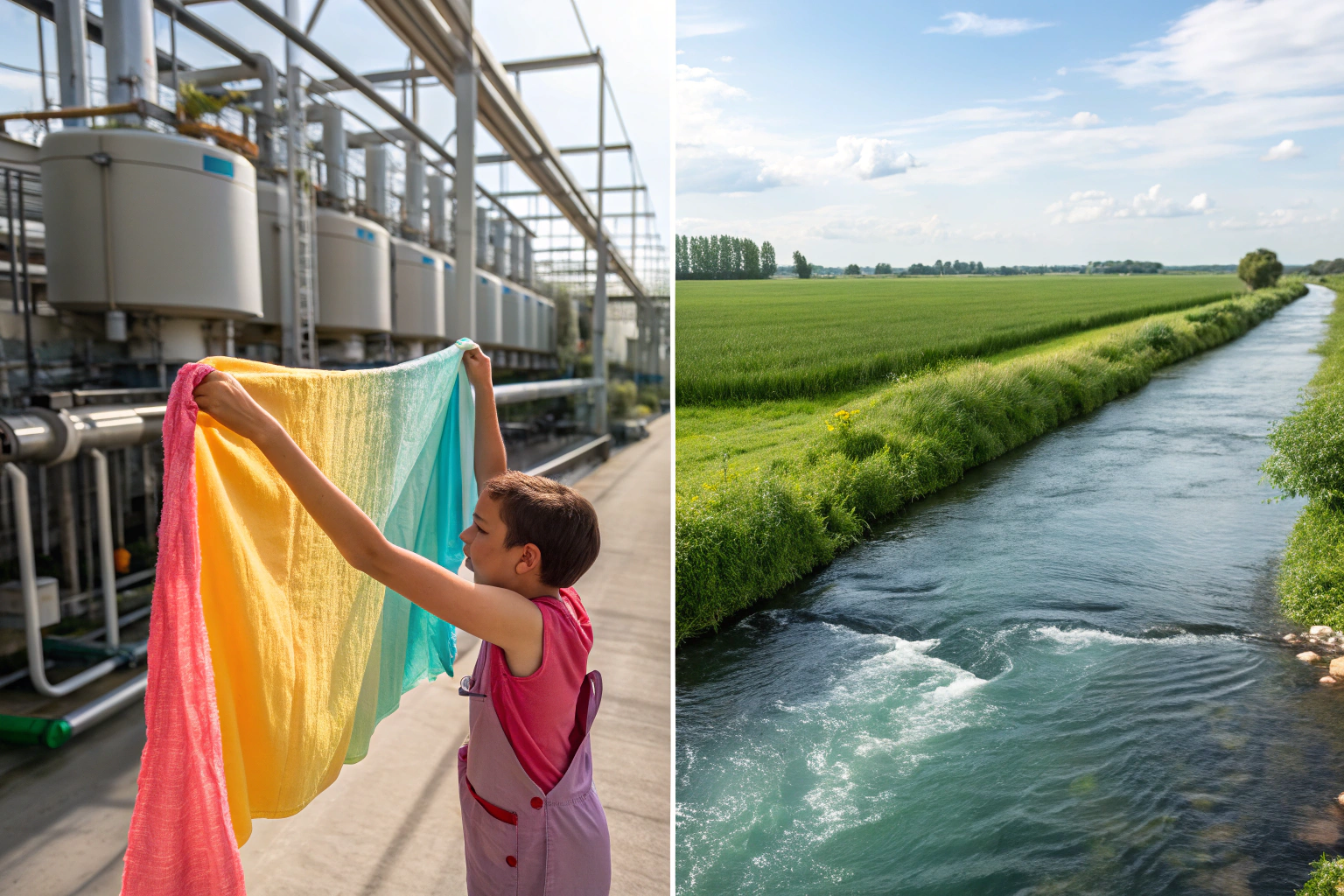
The contrast is dramatic. Conventional dyeing can use 100-150 liters of water to dye 1 kilogram of fabric. Much of this becomes wastewater. Sustainable methods, particularly low-impact dyeing, can reduce water usage by 30-50% through optimized processes. Even more revolutionary are technologies like air dyeing (which uses air instead of water as a carrier) or supercritical CO2 dyeing (a closed-loop system using pressurized carbon dioxide), which reduce water use by over 95%. For a brand marketing to eco-conscious families, being able to quantify this saving—"This dress saved 50 liters of water in dyeing alone"—is a powerful communication tool. Resources like the Sustainable Apparel Coalition's Higg Index help measure this impact.
How Do Sustainable Dyes Prevent Chemical Pollution?
Conventional dyes often use AZO compounds (which can break down into carcinogenic amines), heavy metals (like chromium, lead, and cadmium) as catalysts or for certain colors, and formaldehyde as a fixative. These substances can remain in the fabric as residues and are certainly present in the toxic wastewater, or effluent. Sustainable dyes are defined by the absence of these harmful substances. Low-impact dyes are certified to contain no heavy metals, toxic AZO compounds, or known carcinogens. Natural dyes, when processed correctly without harmful mordants, offer a biodegradable alternative. This shift protects both the local environment around the dye house and the child wearing the garment.
Why is the Skin-Safety Argument Particularly Powerful for Kids?
A child's skin is thinner, more porous, and has a higher surface-area-to-body-weight ratio than an adult's, making it more susceptible to absorbing chemicals. Prolonged contact with clothing containing dye residues can pose risks of allergic reactions, dermatitis, or longer-term health concerns. For parents, "chemical safety" is not an abstract concept—it's a daily worry.
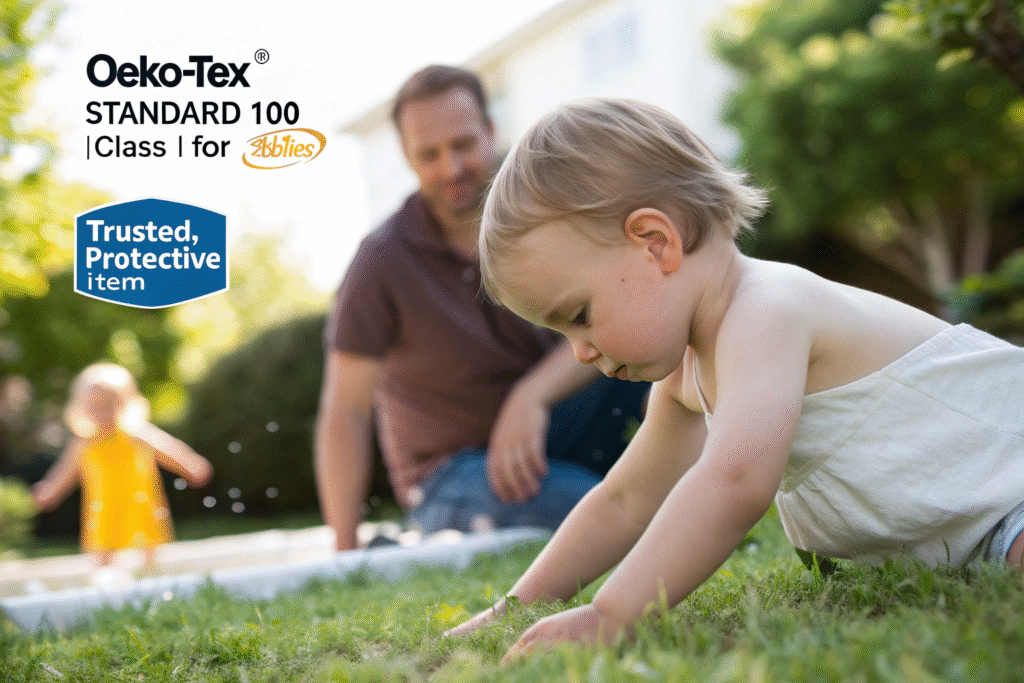
Using certified sustainable dyes virtually eliminates this risk. Certifications like OEKO-TEX Standard 100 (Class I for babies) include rigorous testing for harmful dye substances. By choosing these dyes, brands provide parents with tangible, verified peace of mind, transforming a basic product into a trusted, protective item.
What Are the Most Common Harmful Substances Found in Conventional Dyes?
Parents are becoming literate in ingredient lists, and dyes are no exception. Key culprits include:
- AZO Dyes: The largest group of synthetic dyes. Some can cleave under certain conditions to release aromatic amines, which are classified as carcinogenic. Their use in apparel that contacts skin is heavily restricted in the EU and by OEKO-TEX.
- Heavy Metals: Used to achieve certain vibrant or deep colors (e.g., chromium for blacks, cobalt for blues). These are toxic and can accumulate in the body over time.
- Formaldehyde: Often used as a fixative to prevent colors from running. It's a known skin irritant and sensitizer.
A brand's explicit commitment to being "AZO-free, heavy-metal-free, and formaldehyde-free" directly addresses these specific parental fears.
How Do Certifications Like OEKO-TEX Provide Verifiable Safety?
OEKO-TEX Standard 100 is the gold standard for testing harmful substances in textiles. For a product to carry this label, every component—including every thread, button, and importantly, every dye—must pass stringent laboratory tests for a list of over 350 regulated chemicals. Class I is the strictest level, for products for babies and toddlers. When a brand uses OEKO-TEX certified low-impact dyes and has the final garment certified, it provides an objective, third-party guarantee that goes beyond marketing claims. This certification is a critical tool for building consumer trust in an often-opaque supply chain.
How Does This Align with the Broader Sustainability Narrative?
For brands that have already adopted organic cotton or recycled materials, sustainable dyeing is the logical and necessary next step. It completes the "farm-to-finished garment" story of responsibility. A t-shirt made from GOTS organic cotton but dyed with polluting, water-intensive chemicals represents an incomplete sustainability effort that increasingly savvy consumers can identify as "greenwashing."
Adopting sustainable dyes allows a brand to present a holistic, credible environmental story. It demonstrates that the brand has considered the entire lifecycle impact of its product, not just the most marketable parts. This integrity is crucial for building long-term loyalty with values-driven consumers.
Why is "Supply Chain Transparency" Linked to Dyeing Practices?
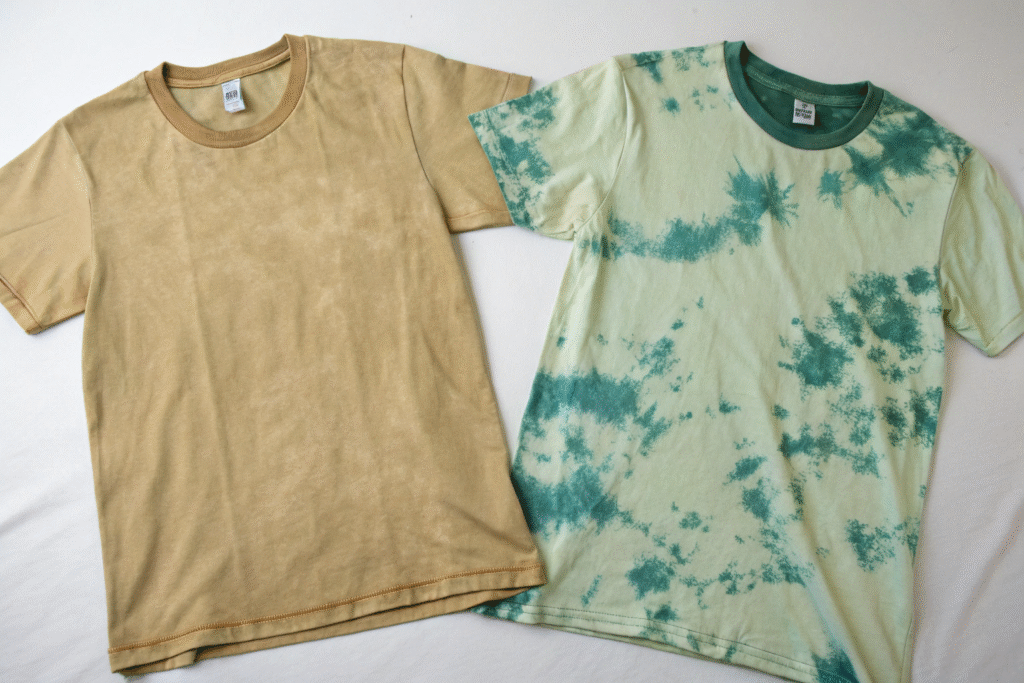
Today's consumers, especially parents, want to know the "how" behind their products. Brands leading with sustainable dyes are often those investing in supply chain transparency. They can often name their dyeing partner, explain the technology used (e.g., "dyed using a closed-loop water recycling system"), and share the certifications held by that facility. This level of detail, often supported by behind-the-scenes content, transforms a simple garment into a case study in responsible manufacturing. It aligns with movements like Fashion Revolution's #WhoMadeMyClothes by pulling back the curtain on a typically hidden but highly impactful part of production.
How Do Sustainable Dyes Support a Circular Economy Model?
The principles of a circular economy include designing out waste and pollution. Conventional dyeing is a linear, polluting process. Sustainable dyeing, especially closed-loop systems, is inherently circular—it keeps water and chemicals in a cycle of reuse. Furthermore, dyes that are free of complex synthetic toxins make the eventual biodegradation or recycling of the garment at end-of-life less problematic. A garment dyed with natural, non-toxic pigments is easier to return safely to the earth or break down for new fibers than one laden with heavy metals. This forward-thinking approach future-proofs the brand against increasingly stringent regulations on waste and chemical management.
What Are the Practical Challenges and Innovations?
The transition to sustainable dyeing is not without its hurdles. It can be more expensive, color palettes may be initially more limited (especially with natural dyes), and accessing truly advanced technology requires deep partnerships with specialized dye houses. However, innovation is rapidly overcoming these barriers.
Challenges include higher cost per kilogram of dyed fabric, the need for expert technical partners, and ensuring colorfastness and consistency at scale. Innovations in biotechnology (engineering microbes to produce pigments), digital printing (which drastically reduces water and ink waste), and new natural dye extraction methods are making sustainable color more viable and vibrant than ever.
How is Digital Printing Revolutionizing Sustainable Color Application?
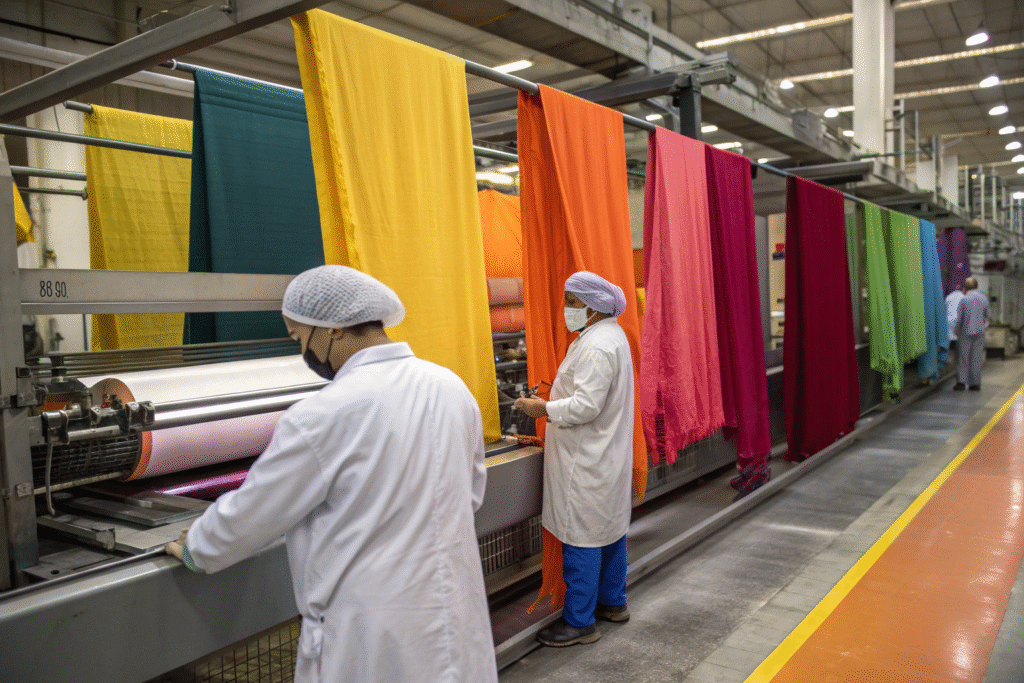
Digital textile printing is a game-changer for sustainable design. Unlike traditional screen printing, which requires washing screens and excess dye paste for each color, digital printing applies ink directly onto fabric with pinpoint accuracy, like an inkjet printer.
- Water Savings: Reduces water usage by over 90% compared to conventional dyeing and printing.
- Chemical Reduction: Uses lower volumes of ink, and many digital inks are formulated to be low-impact.
- Design Freedom: Allows for small-batch, on-demand production of complex prints with no minimums, reducing overproduction waste.
For kids' brands with graphic-heavy designs, digital printing offers a highly sustainable and flexible pathway.
What is the Real Cost Premium, and How Do Brands Justify It?
Sustainable dyeing can add 10-30% to fabric cost, depending on the technology. Brands justify this to consumers by:
- Communicating the Value: Educating customers on the water saved, toxins avoided, and ecosystems protected.
- Bundling into a Premium Positioning: Sustainable dyeing is part of a broader premium product story that includes quality materials and construction, justifying a higher price point.
- Absorbing Some Cost: Viewing it as a necessary investment in brand integrity and long-term viability, not just a cost to be passed on.
As demand grows and technology scales, this cost premium is expected to decrease.
Conclusion
The adoption of sustainable dyes by kids' clothing brands represents a mature and necessary deepening of the industry's commitment to people and planet. It moves beyond surface-level "eco" claims to tackle one of fashion's dirtiest secrets, addressing critical issues of water scarcity, chemical pollution, and child safety in one strategic stroke. For parents, it offers a new layer of assurance; for brands, it builds unshakable credibility and aligns with the trajectory of global environmental regulation.
For manufacturers, this shift demands investment in new partnerships, technologies, and certifications. At Fumao Clothing, we recognize that true sustainability is end-to-end. We are committed to guiding our brand partners toward dyeing solutions that align with their values, whether that means sourcing OEKO-TEX certified fabrics, exploring digital print options, or connecting with specialized dye houses. If you are building a brand where every color tells a story of responsibility, let's create it together. Contact our Business Director, Elaine, at elaine@fumaoclothing.com to develop a collection that is safe, vibrant, and clean from fiber to finish.