
If you've shopped for children's clothing recently, you've likely noticed more tags highlighting "recycled materials" and "sustainable fabrics." This isn't just marketing hype—it's a fundamental shift in how children's wear is being produced. As a manufacturer serving American and European children's brands, I've witnessed this transformation firsthand at our production facilities.
Kids clothing brands are increasingly using recycled materials due to growing consumer demand for sustainable products, stricter environmental regulations, improved quality of recycled fabrics, and genuine corporate responsibility initiatives. This shift represents both a moral imperative and a commercial opportunity for forward-thinking brands in the competitive children's wear market.
The movement toward recycled materials in children's fashion reflects broader environmental concerns while addressing parents' specific desires for safer, more sustainable options for their children. At Fumao Clothing, we've adapted our production processes to meet this demand while maintaining the quality standards our international clients expect.
How Has Consumer Demand Driven the Recycled Materials Movement?
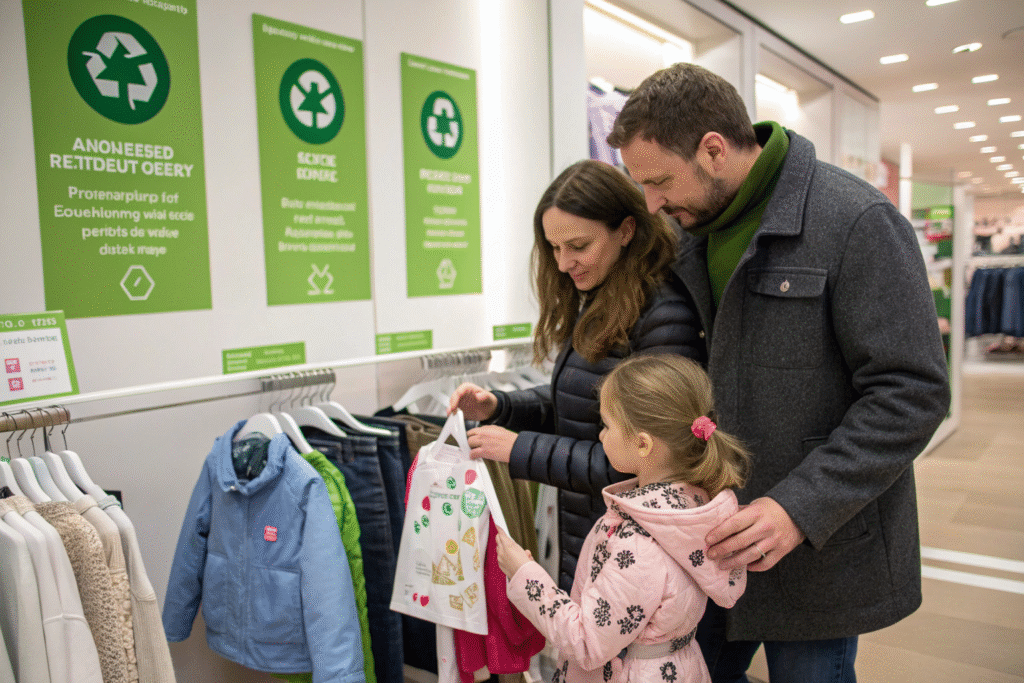
Today's parents, particularly millennials and Gen Z, are increasingly making purchasing decisions based on environmental impact. This shift in consumer behavior has made sustainability a competitive advantage rather than just a ethical consideration.
Modern parents are better informed about environmental issues and more willing to pay premiums for sustainable products. Our brand partners consistently report that collections featuring recycled materials achieve higher sell-through rates and command better price points. This consumer-led revolution has transformed recycled materials from a niche offering to a mainstream expectation in the children's wear sector.
Why Are Millennial Parents Driving This Change?
Millennial parents have grown up with environmental awareness and now apply these values to their purchasing decisions. They actively research brand sustainability practices and prefer companies that demonstrate environmental responsibility. According to Sustainable Fashion Consumer Research, 73% of millennial parents are willing to pay 15-20% more for children's clothing made from recycled materials. This demographic influence has forced brands to reconsider their material sourcing strategies throughout their collections.
How Does Transparency Build Brand Trust?
Brands that provide clear information about their recycled material usage and environmental initiatives build stronger consumer relationships. We've helped our partners implement supply chain transparency systems that track recycled content from raw material to finished garment. This level of openness addresses growing consumer skepticism about environmental claims and demonstrates genuine commitment beyond surface-level marketing.
What Environmental Regulations Are Influencing Material Choices?
Government regulations and industry standards are increasingly mandating sustainable practices, making recycled materials a compliance requirement rather than an optional initiative.
International regulations, particularly in European markets, are establishing stricter environmental standards for children's products. These regulations cover everything from chemical restrictions to recycling requirements, pushing brands toward more sustainable material choices. Our manufacturing processes have evolved to meet these standards while maintaining competitive pricing for our clients.
How Are European Standards Leading the Way?
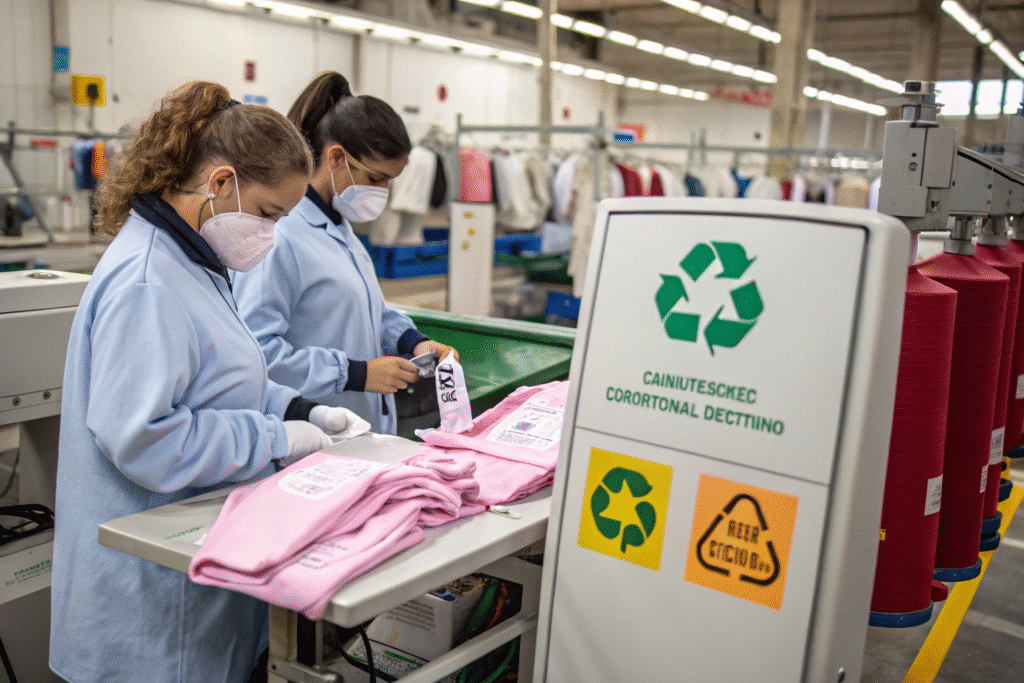
The European Union's comprehensive environmental legislation, particularly REACH regulations and circular economy action plan, has established rigorous standards that global children's wear brands must meet. These regulations restrict hazardous substances and promote recycled content in textile products. Manufacturers serving the EU market, including our facility, must maintain detailed environmental compliance documentation and implement specific recycling protocols throughout production.
What Certification Systems Verify Recycled Content?
Third-party certification systems like Global Recycled Standard (GRS) and Recycled Claim Standard (RCS) provide verification that helps brands communicate their environmental commitments credibly. We guide our partners through certification processes that validate their recycled material claims, creating market differentiation and consumer trust. These certifications require rigorous chain of custody documentation that tracks recycled materials through every production stage.
How Have Recycled Material Qualities Improved?
Technological advancements have transformed recycled materials from inferior alternatives to premium options that often outperform virgin materials in durability and functionality.
Early recycled fabrics suffered from quality limitations that restricted their use in children's wear. Today, recycled polyester made from PET bottles offers exceptional durability, while recycled cotton technologies have improved softness and color retention. These advancements have eliminated the quality compromises that once discouraged brands from using recycled materials.
What Technical Innovations Have Enhanced Performance?
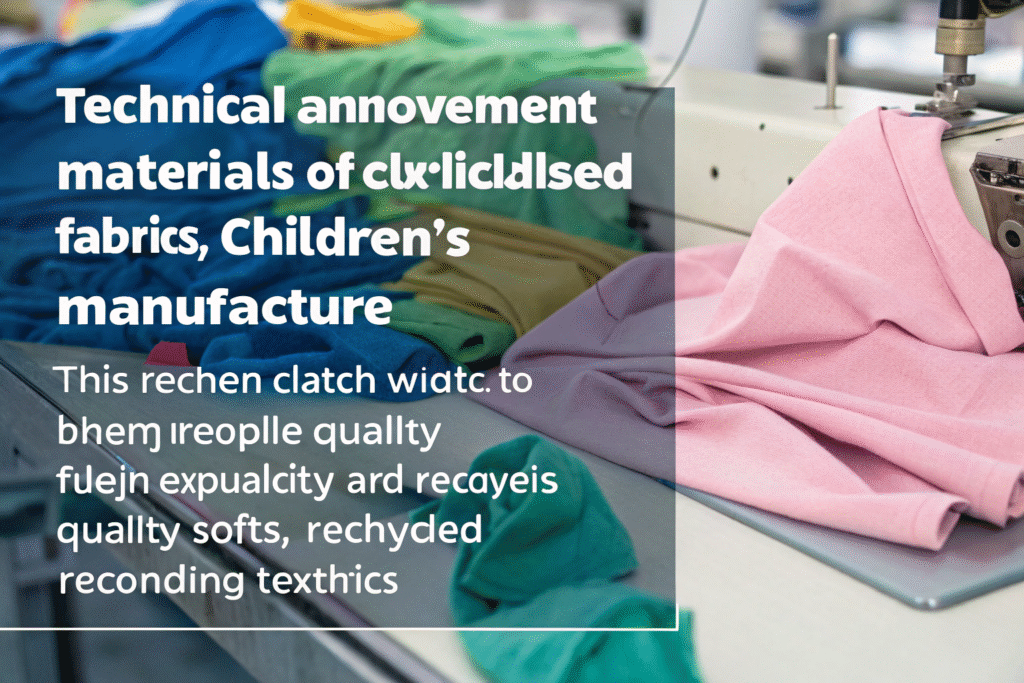
Modern recycling technologies have dramatically improved fiber length and strength in recycled materials. Mechanical recycling processes have been refined to minimize fiber damage, while chemical recycling technologies can break down materials to molecular level for true closed-loop recycling. These advancements have enabled us to produce high-performance recycled fabrics that meet the demanding durability requirements of children's activewear and everyday clothing.
How Do Today's Recycled Fabrics Compare to Virgin Materials?
Current-generation recycled polyester offers equivalent strength, colorfastness, and softness to virgin polyester while reducing environmental impact by up to 50%. Similarly, advanced recycled cotton blends maintain the breathability and comfort expected in children's wear while conserving significant water resources. Our quality testing shows that properly processed recycled materials now meet or exceed the performance standards of conventional fabrics across most metrics relevant to children's clothing.
What Business Advantages Do Recycled Materials Offer?
Beyond environmental benefits, recycled materials provide tangible business advantages that impact brand perception, market positioning, and long-term sustainability.
Brands incorporating recycled materials experience enhanced market positioning, improved customer loyalty, and better protection against resource price volatility. These business benefits have converted many initially skeptical companies into committed advocates for recycled material usage in their collections.
How Does Sustainability Create Competitive Differentiation?
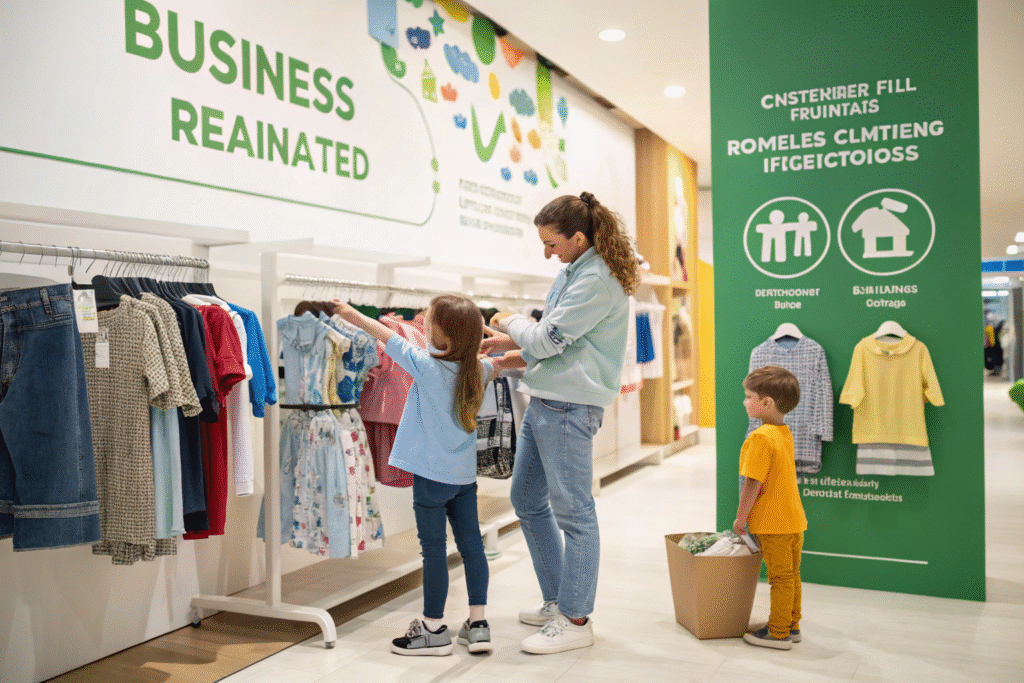
In a crowded children's wear market, sustainability credentials provide meaningful differentiation that resonates with modern consumers. Brands that authentically communicate their recycled material usage capture market share from competitors relying solely on conventional marketing messages. Our most successful partners have built entire brand identities around their sustainable business practices, creating emotional connections that transcend traditional product attributes.
What Cost Advantages Emerge Over Time?
While recycled materials sometimes carry initial price premiums, they offer long-term cost stability as virgin material prices fluctuate with commodity markets. Additionally, brands using recycled content often benefit from reduced waste disposal costs and improved operational efficiency. We've helped clients analyze their total cost of ownership, revealing that recycled materials frequently deliver better value when considering the complete product lifecycle and business ecosystem.
Conclusion
The movement toward recycled materials in kids clothing represents a fundamental transformation in how children's wear is designed, manufactured, and marketed. This shift responds to consumer demand, regulatory requirements, quality improvements, and business advantages that make sustainability both an ethical imperative and a commercial opportunity.
At Shanghai Fumao Clothing, we've integrated recycled material capabilities throughout our manufacturing processes, helping American and European children's wear brands meet their sustainability goals without compromising quality or design integrity. If you're looking to incorporate recycled materials into your children's clothing collections, contact our Business Director Elaine at elaine@fumaoclothing.com to discuss how our sustainable manufacturing expertise can support your brand's evolution.