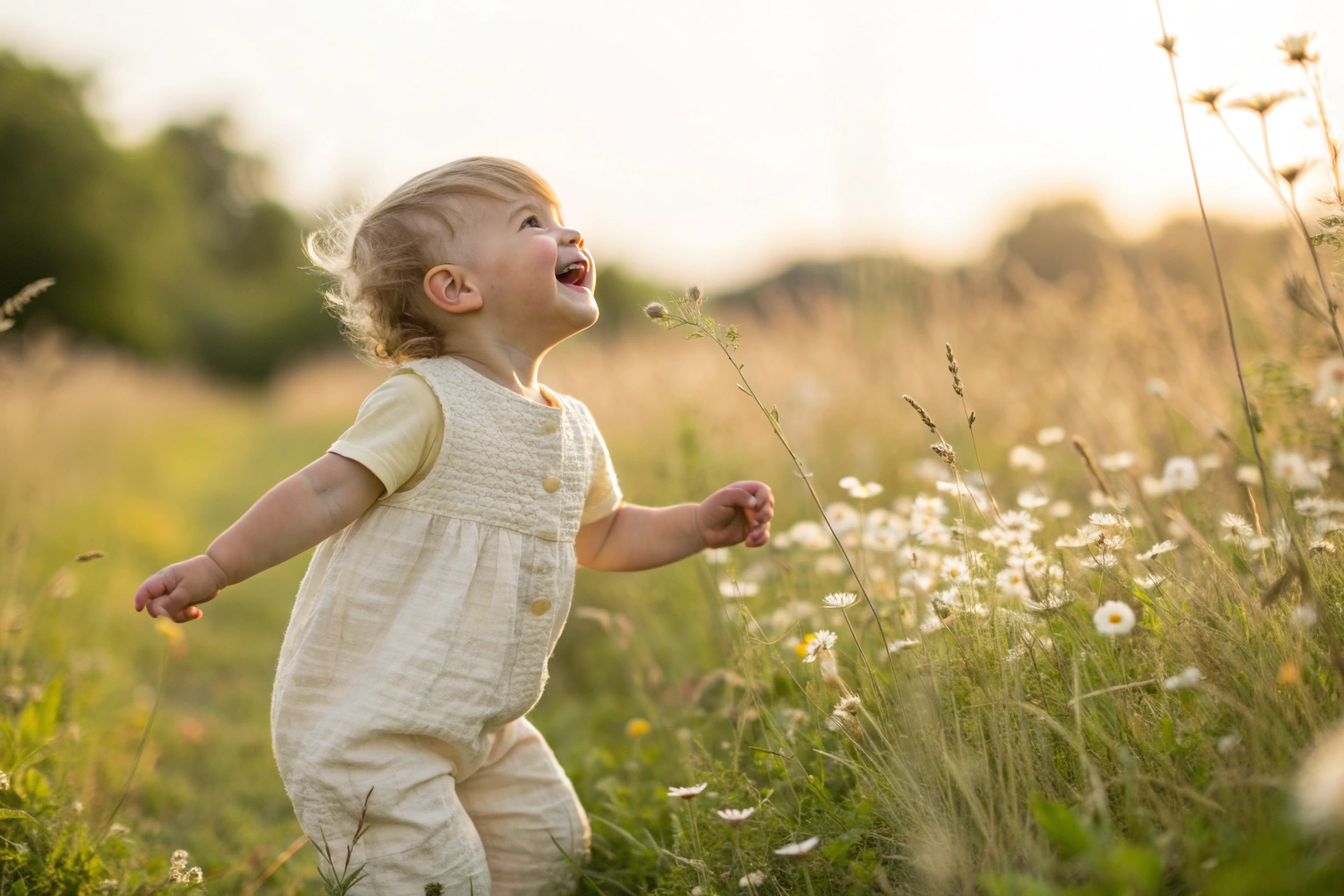
Parents and brands are making a noticeable shift in the children's wear aisle. The soft, colorful racks are increasingly filled with garments made from cotton, bamboo, organic cotton, and linen, moving away from synthetic blends. As a manufacturer deeply embedded in this trend, I see this not as a passing fad but as a fundamental change driven by informed consumer demand and a genuine commitment to child wellness. The question isn't just about fiber choice; it's about redefining what "quality" means for our youngest consumers.
Kids clothing brands are prioritizing natural fibers due to growing consumer demand for better skin comfort, breathability, and safety, alongside increasing awareness of environmental sustainability. Natural fibers like organic cotton, bamboo, and linen offer superior performance for sensitive skin and align with the values of modern, eco-conscious families.
This movement is reshaping sourcing decisions, design approaches, and marketing messages across the industry. Let’s explore the powerful reasons behind this shift and what it means for brands looking to stay relevant and responsible.
What Are the Top Benefits of Natural Fibers for Children's Skin?
A child's skin is up to 30% thinner and more porous than an adult's, making it significantly more sensitive and reactive. The primary driver for using natural fibers is directly linked to this biological fact, focusing on health, comfort, and reducing the risk of irritation.
The top benefits include superior breathability that regulates body temperature, natural moisture-wicking to keep skin dry, hypoallergenic properties that reduce the risk of rashes and eczema, and exceptional softness that improves with washing, providing unmatched comfort for all-day wear.
How Do Natural Fibers Improve Breathability and Temperature Regulation?
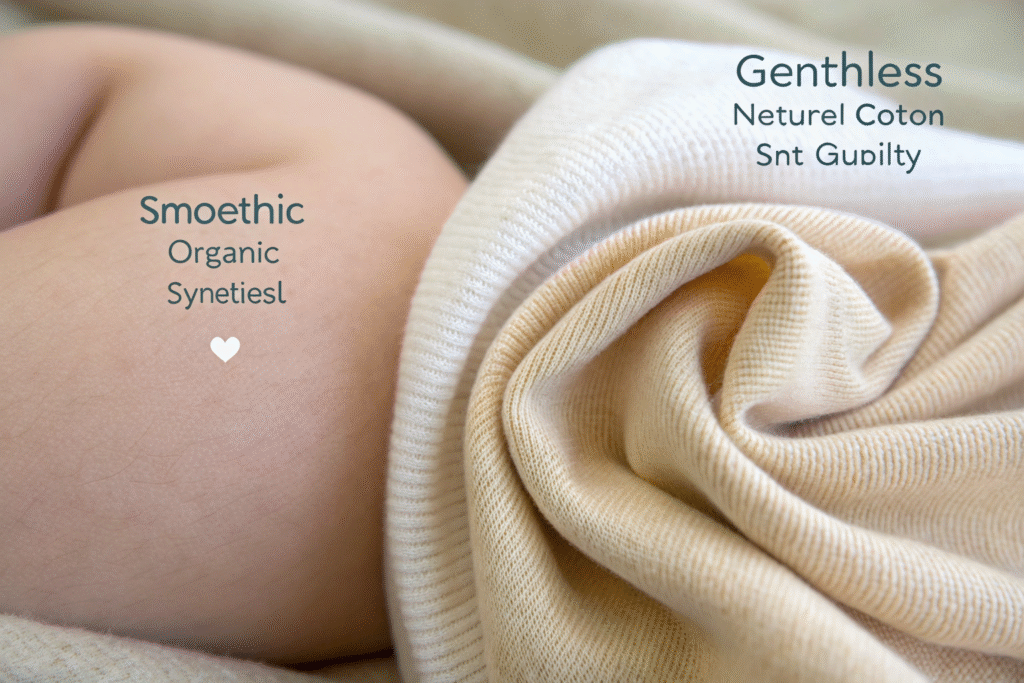
Unlike many synthetic fibers derived from petroleum, natural fibers like cotton and linen have a cellular structure that allows air to circulate freely. This breathability is crucial for active children. It prevents overheating by allowing body heat and sweat vapor to escape, and it helps keep them warm in cooler weather by trapping a layer of air close to the skin. A study on textile science highlights how the hollow structure of fibers like bamboo facilitates exceptional air permeability. This natural thermoregulation means fewer instances of discomfort, clamminess, and the prickly heat rashes often associated with non-breathable, synthetic sleepwear or activewear.
Why Are Hypoallergenic Properties Critical for Baby Apparel?
The term "hypoallergenic" is more than a marketing buzzword for infants. Natural fibers are less likely to contain the chemical residues, dyes, and finishes that can trigger allergic reactions or sensitive skin conditions like atopic dermatitis. Organic cotton, in particular, is grown without toxic pesticides and processed with fewer harsh chemicals, making it the gold standard for baby apparel. Brands are responding to concerned parents by seeking certifications like the Global Organic Textile Standard (GOTS), which verifies the organic status and responsible processing from field to finished garment, ensuring a cleaner product for the most vulnerable skin.
How Does the Sustainability Trend Influence Material Choices?
Today's parents, especially Millennials and Gen Z, are making purchasing decisions aligned with their environmental values. They see children's clothing not just as a product, but as a choice that impacts the planet their children will inherit. This powerful sentiment is pushing brands towards more responsible material sourcing.
The sustainability trend influences material choices by driving demand for renewable, biodegradable fibers with lower environmental footprints. Brands using materials like organic cotton or Tencel™ (made from wood pulp) can leverage compelling stories about water conservation, reduced pesticide use, and circular fashion principles.

What Is the Environmental Impact of Conventional vs. Organic Cotton?
The shift to organic cotton is a direct response to environmental concerns. Conventional cotton farming is notoriously resource-intensive, using a significant portion of the world's insecticides and a vast amount of water. Organic cotton farming, in contrast, prohibits toxic pesticides and uses methods that promote soil health and biodiversity, often requiring less water due to healthier soil. For brands, sourcing sustainable materials like this is not only an ethical decision but also a key point of differentiation. Resources from the Textile Exchange provide vital data for brands to understand and communicate the tangible environmental benefits of their material choices.
How Are Biodegradable Fibers Shaping a Circular Economy for Kids' Wear?
Children outgrow clothes rapidly, leading to a high turnover of garments. Natural fibers like pure cotton, wool, and linen are biodegradable, meaning they can decompose naturally at the end of their life, unlike polyester which can shed microplastics and persist in landfills for centuries. This property is crucial for developing a circular economy in fashion. Forward-thinking brands are designing with this end-of-life in mind, promoting recycling programs or even designing for compostability. This lifecycle approach resonates deeply with eco-conscious families who want to minimize their wardrobe's footprint.
What Are the Performance and Durability Factors for Brands?
While comfort and sustainability are paramount, brands and parents also need practical performance. There's a common misconception that natural fibers are less durable or functional than synthetics, but advancements in yarn engineering and fabric blends have effectively addressed this.
Modern natural fiber fabrics offer excellent durability through strong, long-staple varieties (like Pima or Supima cotton), retain shape well when properly constructed, and provide inherent functionality like UV protection (in linen) and odor resistance (in bamboo). Blending natural fibers with a small percentage of robust materials like recycled polyester can enhance performance for specific uses.

Can Natural Fiber Clothing Withstand the Rigors of Child's Play?
Absolutely. The key is in the fabric construction. A high-quality, tightly woven cotton canvas or a robust interlock knit made from long-staple cotton can be incredibly durable, resisting pilling, abrasion, and frequent washing. For brands, specifying the right yarn weight and knit/weave structure is essential. Furthermore, natural fibers often become softer and more comfortable with each wash, unlike some synthetics that may develop a rough texture or hold odors. This longevity means garments can be passed down through siblings, aligning with both economic and sustainable values.
How Do Blends Enhance Functionality for Specific Categories?
Pure natural fibers are ideal for everyday wear, but strategic blends create optimized performance for specific categories. For instance, blending organic cotton with a small amount of spandex creates stretch for baby leggings or playwear, ensuring freedom of movement. A blend of merino wool and cotton can offer superior temperature regulation for all-weather layers. Brands are innovating with blends that maintain a high percentage of natural content (e.g., 95% organic cotton, 5% elastane) to deliver on comfort, ethics, and function. Understanding these fabric technologies allows brands to tailor material selection to the exact needs of each garment type.
How Does Consumer Demand Drive This Shift in Sourcing?
Ultimately, the market moves where the consumer spends. The increased use of natural fibers is a direct response to a more educated and vocal customer base that researches before buying and values transparency from brands.
Consumer demand is driven by increased online research into materials, the influence of "clean living" advocates on social media, a willingness to pay a premium for perceived health and environmental benefits, and a generational shift towards value-based consumption. Brands that transparently communicate their material story build stronger trust and loyalty.
What Role Does Transparency in Labeling Play in Purchasing Decisions?
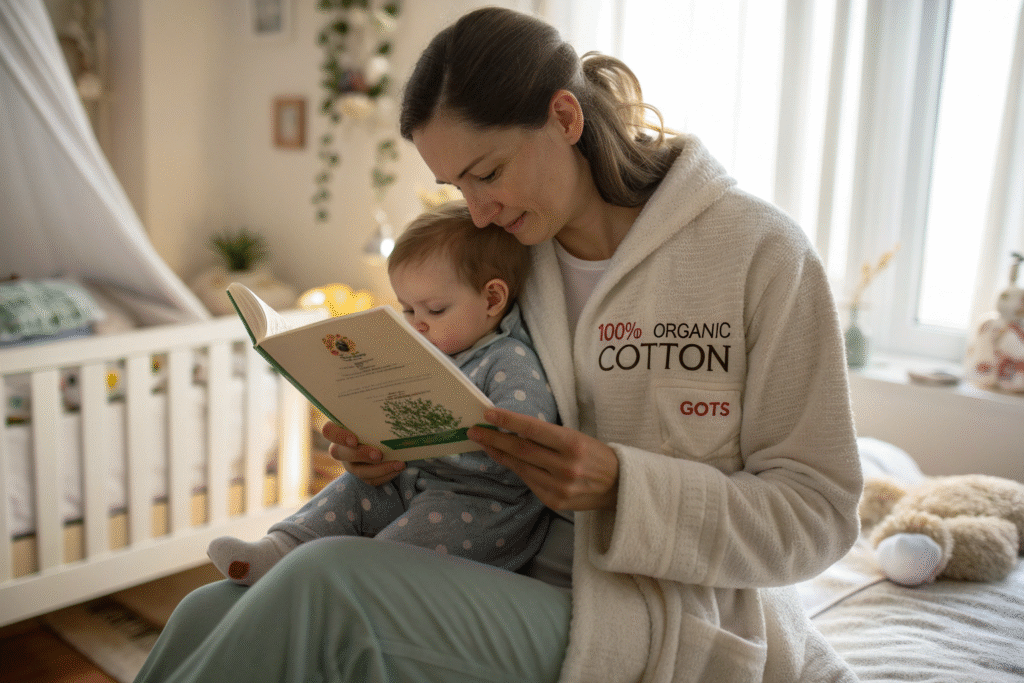
"Greenwashing" has made consumers skeptical. They no longer trust vague terms like "eco-friendly." Instead, they look for specific, verifiable information on labels and websites: fiber content percentages, certification logos (GOTS, Oeko-Tex 100), and country of origin. This demand for transparency forces brands to know their supply chain intimately and partner with manufacturers who can provide certified materials and honest documentation. A brand that can clearly state, "Made from GOTS-certified organic cotton, manufactured in a WRAP-certified facility," wins consumer confidence. Platforms like the Fashion Revolution's Transparency Index are raising the bar for what information consumers expect.
How Are Social Media and Parenting Communities Amplifying This Trend?
Social media platforms like Instagram and TikTok, along with parenting blogs and forums, are powerful educators and trend amplifiers. Influencers and real parents share experiences about eczema-friendly clothing hauls, review the softness of different brands, and discuss the environmental impact of fast fashion. This communal knowledge-sharing elevates consumer expectations rapidly. A brand's commitment to natural fibers becomes a shareable story—a point of community and identity. Brands that engage authentically with these communities and provide the desired quality and safety standards can achieve powerful organic advocacy.
Conclusion
The shift towards natural fibers in kids' clothing is a multifaceted movement rooted in science, ethics, and evolving consumer consciousness. It represents a holistic understanding of quality that encompasses skin health, environmental stewardship, functional durability, and transparent business practices. For brands, this is not merely a material change but an opportunity to build deeper trust and align with the values of the modern family.
As a manufacturer, we have invested in sourcing partnerships and expertise to navigate this shift seamlessly. From GOTS-certified organic cotton to innovative bamboo blends, we help brands translate this demand into beautifully made, responsible garments. If you are looking to develop or transition your kids' clothing line with high-quality, trusted natural fibers, let's connect. Contact our Business Director, Elaine, at elaine@fumaoclothing.com to explore how we can bring your sustainable vision to life.