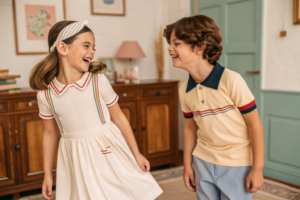
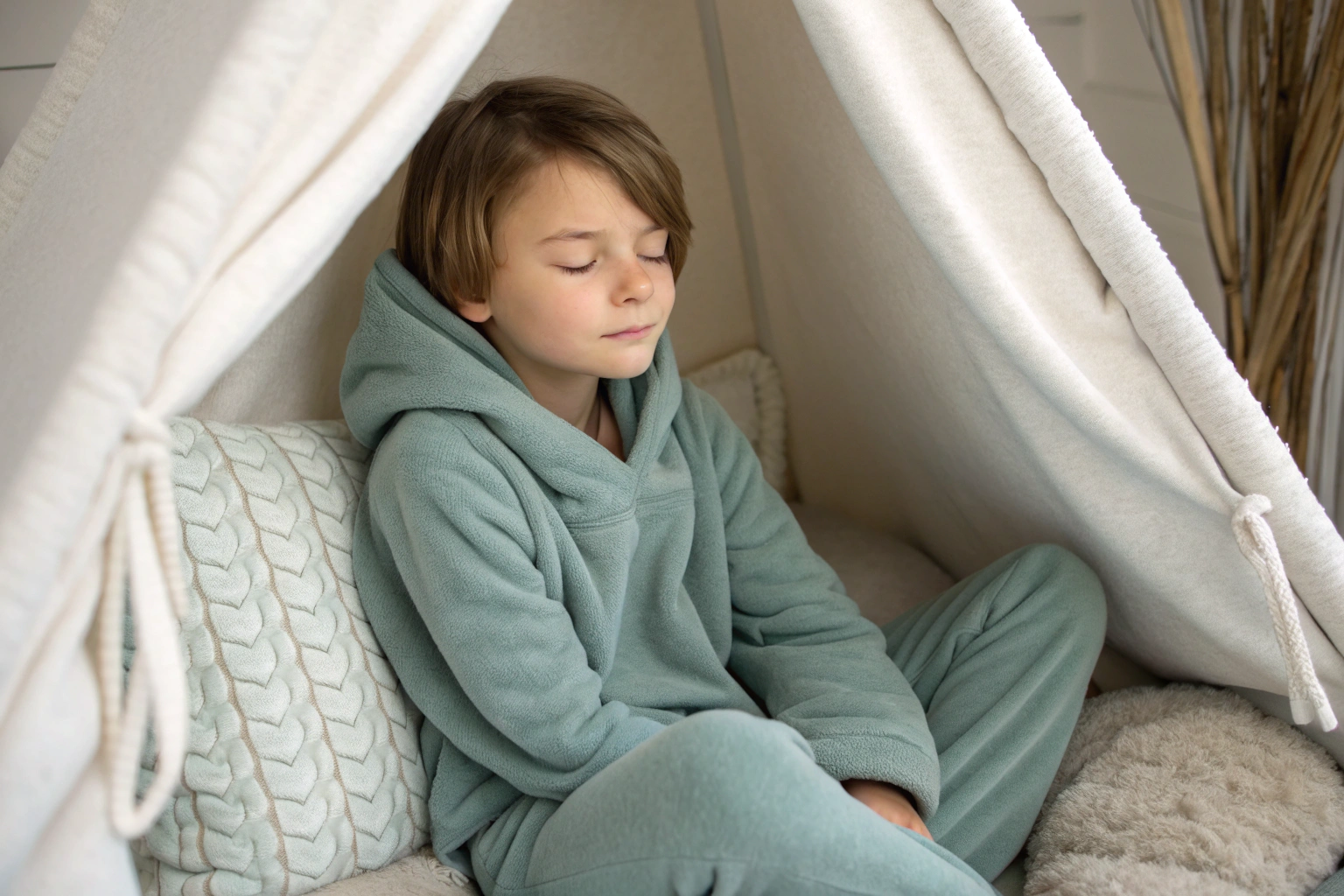
The conversation around children's well-being has expanded dramatically, moving beyond physical safety to encompass emotional and psychological health. In this new landscape, forward-thinking kids' clothing brands are recognizing their unique role—not just as garment providers, but as contributors to a child's daily sensory and emotional experience. This shift isn't merely a marketing trend; it's a response to growing parental awareness of anxiety, sensory processing differences, and the need for self-expression. As a manufacturer, I see this as one of the most profound and meaningful evolutions in our industry.
Kids clothing brands are focusing on mental health to address rising rates of childhood anxiety and sensory sensitivities, to foster self-expression and positive identity, to reduce social pressure and bullying through inclusive design, and to align with the values of a generation of parents who prioritize holistic well-being over mere aesthetics.
This focus manifests in tangible design choices, marketing narratives, and brand missions that prioritize comfort, confidence, and calm. Let's explore how clothing is being reimagined as a tool for emotional support.
How Does Clothing Impact Sensory Processing and Emotional Regulation?
For many children, especially those with Sensory Processing Disorder (SPD), autism, or general anxiety, clothing can be a source of immense distress or a tool for comfort. Scratchy tags, restrictive seams, stiff fabrics, and tight collars aren't just minor annoyances; they can trigger meltdowns, distract from learning, and heighten anxiety. Brands focusing on mental health start by removing these negative stimuli.
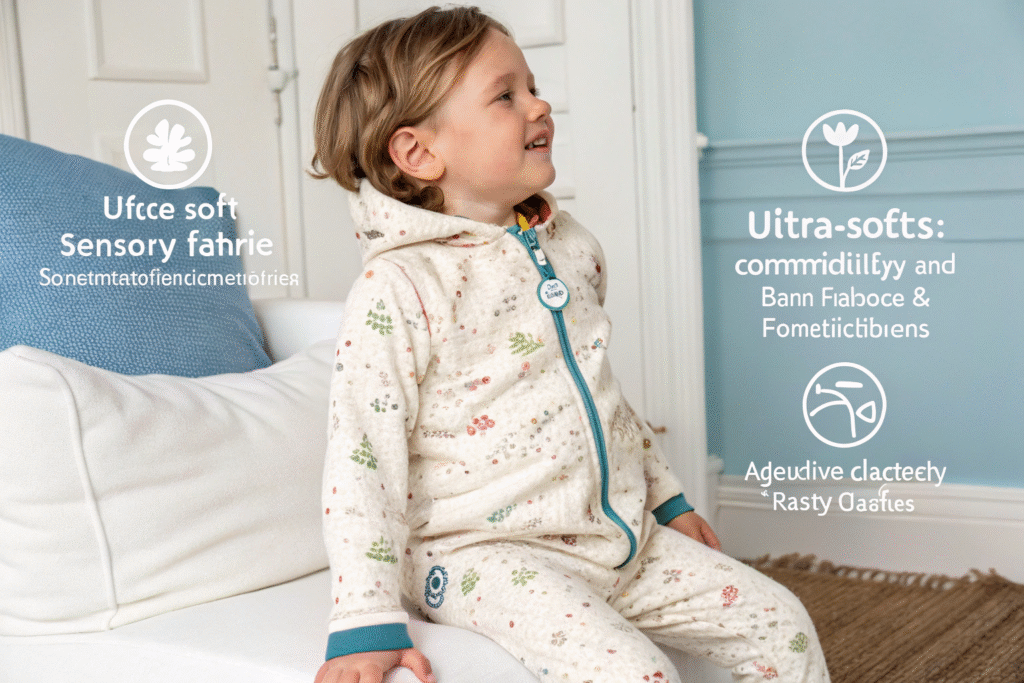
They achieve this by using ultra-soft, natural fabrics like organic cotton and bamboo, implementing tagless labels or printed care instructions, designing with flatlock seams to prevent chafing, and creating adaptive clothing with easy closures for children who struggle with fine motor skills. The goal is to create a "second skin" that feels safe and unnoticeable.
What Are the Hallmarks of Truly Sensory-Friendly Design?
Sensory-friendly design is a science of subtraction and precision. Key features include:
- Seamless or Flat-Seam Construction: Eliminating raised seams that can irritate sensitive skin.
- Wide, Soft Necklines and No Tags: Removing all points of potential irritation.
- Soft, Stretchable, and Breathable Fabrics: Avoiding stiff denim, itchy wool, or crinkly synthetics.
- Easy, Predictable Fastenings: Using magnetic snaps or wide, soft Velcro instead of small buttons or tricky zippers.
- Weighted Options (for older kids): Incorporating light, distributed weight in vests or lap pads for deep-pressure input, which can be calming.
Brands like Tommy Adaptive and Kozie Clothes have pioneered this space, demonstrating that functional design for mental well-being is a viable and needed market.
How Can Fabric Choice Directly Influence a Child's Anxiety Level?
The tactile experience is directly linked to the nervous system. Rough, stiff, or non-breathable fabrics can cause overheating and a feeling of being "trapped," escalating anxiety. Conversely, fabrics like brushed organic cotton, Tencel™, and modal are not only gentle but also help regulate body temperature. Their soft, fluid drape provides constant, gentle tactile input that can be grounding and soothing. By marketing these specific fabric benefits, brands communicate a deep understanding of the mind-body connection, positioning their clothing as an ally in a child's day.
How Are Brands Using Design to Foster Confidence and Self-Expression?
Clothing is one of the first ways children exercise autonomy and communicate their identity. Mental health-focused brands are moving away from rigid gender stereotypes and limiting "cute" motifs to offer a broader palette for self-discovery. This empowers children to feel seen and confident in who they are.
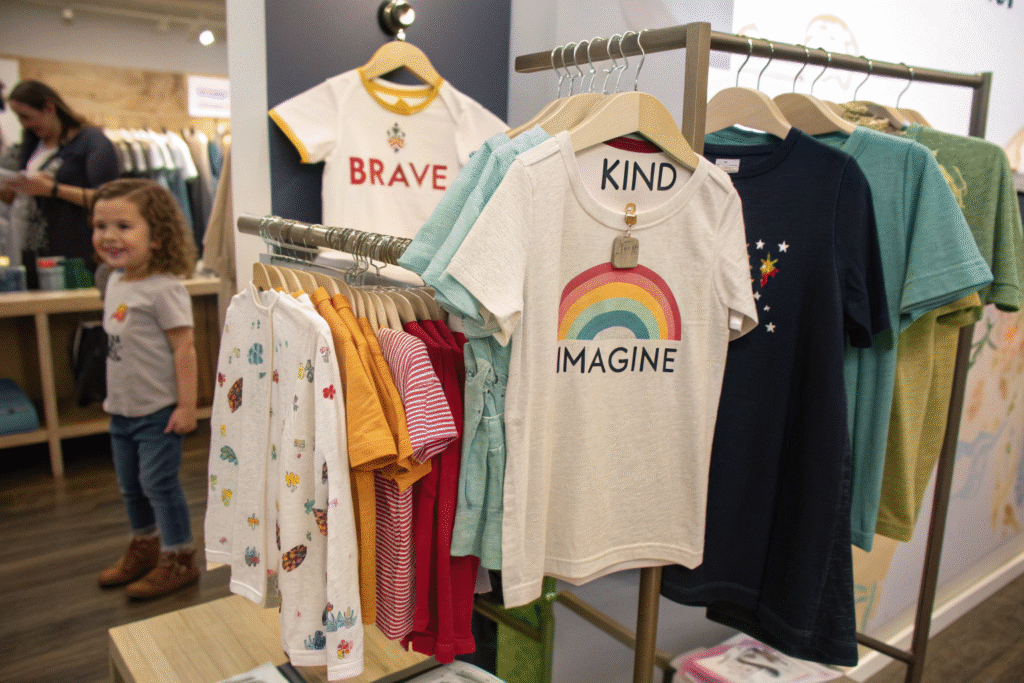
This is achieved through gender-neutral color palettes and styles, prints and messages that promote positivity and resilience (e.g., "Brave," "Kind," "Imagine"), collaborations with child psychologists or artists, and collections that celebrate diverse abilities, body types, and family structures.
Why is Gender-Neutral Design a Mental Health Consideration?
For children exploring their gender identity or simply rejecting stereotypical boxes, being forced into "boys" or "girls" sections can cause significant distress and social anxiety. Offering versatile, neutral styles—like straight-leg pants, simple sweatshirts, and unisex prints—allows children to choose clothes based on comfort and personal style, not societal expectation. This reduces social pressure and supports a child's authentic self-expression, which is foundational to positive self-esteem and mental health. It’s a practice of inclusive design that benefits all children.
How Do Affirmative Messages and "Wearable Therapy" Work?
The concept of "wearable therapy" involves embedding positive psychology into design. This can be as simple as a t-shirt with an affirming word like "Enough" or "Loved," or a jacket with a hidden pocket for a "calm-down" stone. Some brands partner with mental health organizations to create collections where proceeds support counseling services. This approach gives children a tangible, wearable reminder of their strength and worth, and gives parents a tool to initiate conversations about emotions. It turns clothing into a conversation starter about mental well-being.
How Are Brands Addressing Social Pressure and Bullying?
The schoolyard and social media can be minefields for children. Clothing is often a focal point for comparison, teasing, or exclusion. Mental health-conscious brands are actively designing to mitigate these social stressors and build resilience.
Strategies include creating "uniform" style basics that reduce competitive dressing, offering modest yet stylish options for kids who prefer more coverage, ensuring size inclusivity so every body type can find a good fit, and using marketing that celebrates individuality over conformity.
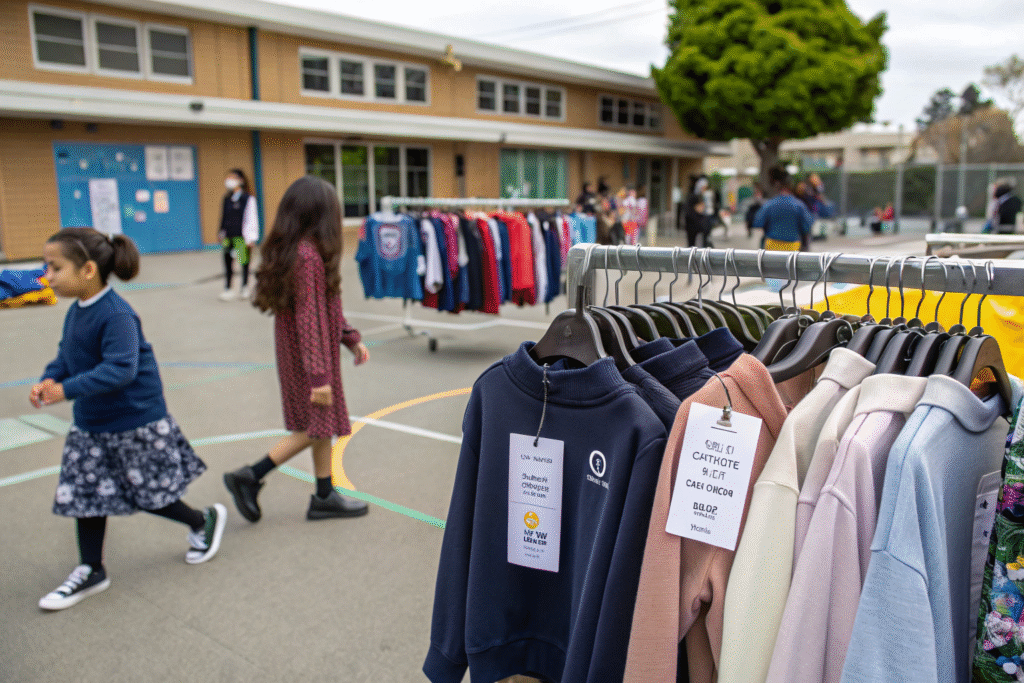
Can Clothing Design Help Reduce Anxiety at School?
Absolutely. For many kids, the daily question of "what to wear" is a source of anxiety. Brands are addressing this by creating capsule wardrobe collections—a small set of high-quality, mix-and-match pieces that take the guesswork out of getting dressed. This reduces decision fatigue, a real source of stress for children. Furthermore, durable, stain-resistant fabrics in darker colors can reduce a child's anxiety about getting dirty or ruining clothes during play, allowing them to engage more freely.
How Does Size and Fit Inclusivity Support Mental Health?
Ill-fitting clothing can be a major source of social discomfort and negative body image, even for young children. Brands that offer extended size ranges and proportioned fits for different body types (not just scaled-up versions of toddler sizes) send a powerful message: You belong here. This inclusivity helps children feel accepted and reduces the stigma and isolation that can come from not fitting into "standard" sizes. It’s a direct application of body-positive principles to children's fashion.
How is This Focus Reflected in Marketing and Community Building?
The mental health focus extends beyond the product to every touchpoint a brand has with a family. Marketing shifts from showcasing perfection to portraying real emotions, challenges, and coping mechanisms. The brand becomes a supportive community, not just a store.
This involves using diverse and unretouched models, sharing real stories from families about their mental health journeys, providing resources and guides (e.g., "How to talk to your child about anxiety"), and fostering safe online communities where parents can connect and share support.

Why is "Real" Marketing More Impactful Than Aspirational Imagery?
The era of the always-happy, perfectly styled child is fading. Parents are exhausted by unrealistic standards. Brands that show children experiencing a full range of emotions—a child taking a quiet moment, looking thoughtful, or even having a meltdown—create profound relatability. This authentic storytelling builds trust. It tells parents, "We see you, we get it, and we're here to help." This approach aligns with broader movements toward authentic marketing and human-centric branding.
How Can Brands Be Allies Beyond Selling Products?
The most committed brands act as platforms and advocates. This can take the form of:
- Donating a percentage of profits to children's mental health charities like The Jed Foundation or Child Mind Institute.
- Hosting or sponsoring workshops for parents on topics like mindfulness for kids.
- Creating free, downloadable content like coloring sheets with emotional check-ins or scripts for difficult conversations.
By providing value that transcends commerce, these brands embed themselves as positive, supportive actors in the family ecosystem, which in turn fosters fierce loyalty.
Conclusion
The focus on mental health in kids' clothing is a transformative and necessary evolution, reflecting a deeper understanding of childhood in the 21st century. It moves the industry's mandate from "what looks good" to "what feels good and does good." By prioritizing sensory comfort, enabling authentic self-expression, reducing social stressors, and building supportive communities, brands are playing a vital role in nurturing resilient, confident, and emotionally healthy children.
For manufacturers like Fumao Clothing, this trend challenges us to source the softest, safest fabrics, master construction techniques that eliminate discomfort, and partner with brands who see clothing as more than a commodity. If you are building a brand that aims to support the whole child—mind, body, and spirit—we have the expertise and shared values to bring that vision to life. Contact our Business Director, Elaine, at elaine@fumaoclothing.com to develop a collection that cares, literally, from the inside out.