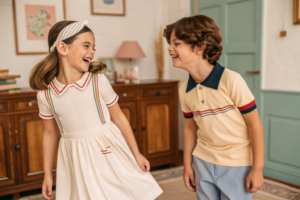
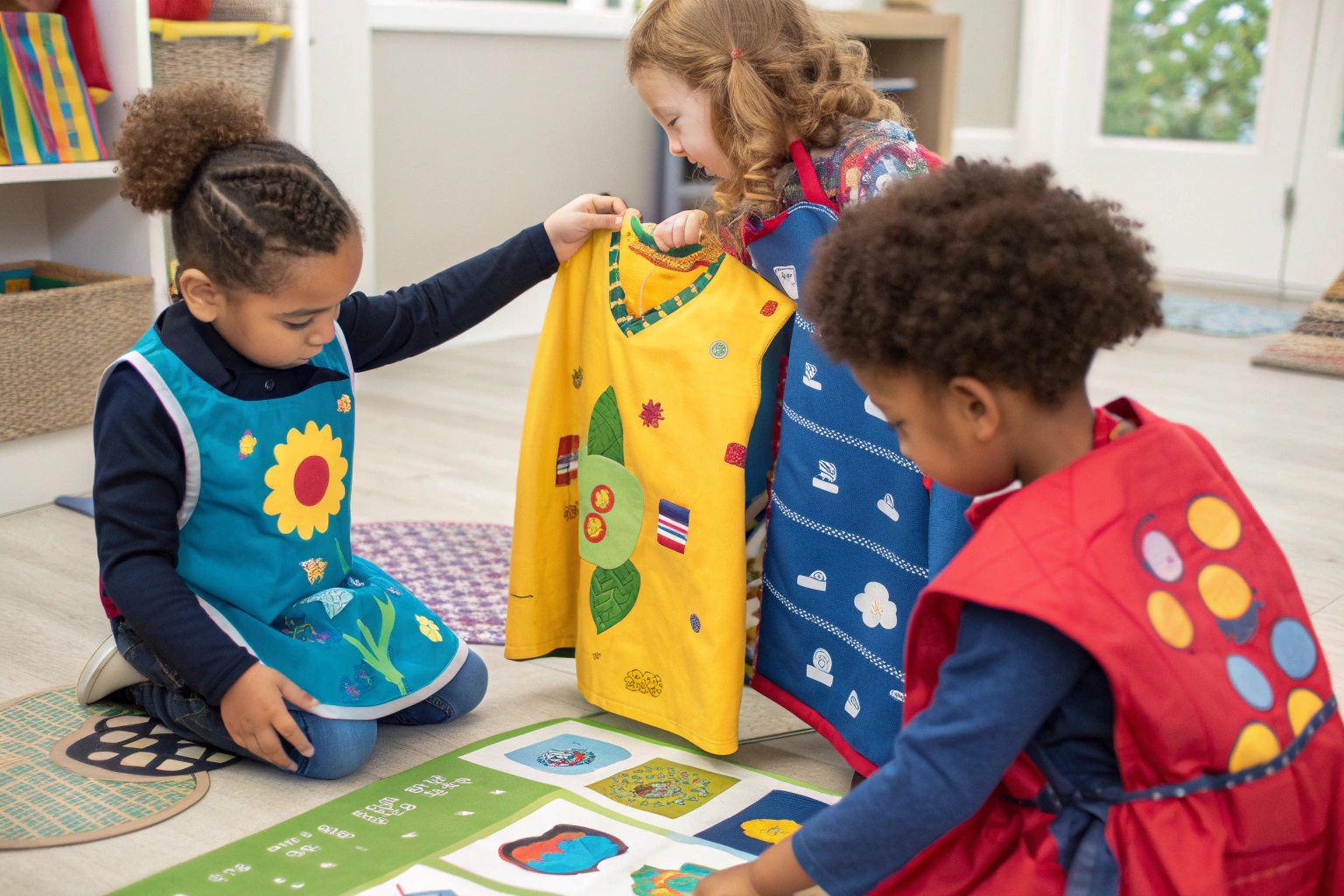
The children's wear industry is experiencing a significant shift toward educational themes that extend far beyond simple alphabet prints or number patterns. This movement represents a strategic response to evolving parental values, increased competition, and growing recognition of clothing's potential as a teaching tool during formative developmental years.
Kids clothing brands are focusing on educational themes because they address parental desires for developmental enrichment, create meaningful product differentiation, align with screen-free learning trends, and build longer-term customer relationships through age-progressive content. This approach transforms clothing from basic necessity to valuable learning companion.
Educational themes in children's fashion have evolved from superficial graphics to integrated learning systems that support cognitive, emotional, and physical development. The most successful implementations balance educational value with playful engagement, creating products that children want to wear and parents feel good about purchasing. Let's explore the specific factors driving this educational focus in children's apparel.
How do educational themes address modern parenting values?
Today's parents increasingly view purchases through the lens of developmental benefit, seeking products that contribute to their children's growth while aligning with their educational priorities and values.
Educational themes address modern parenting values by providing developmental enrichment during everyday activities, supporting early learning goals, reducing guilt about clothing consumption, and creating conversation starters for parent-child interaction. This value-added approach justifies premium positioning in a competitive market.
What developmental benefits resonate with parents?
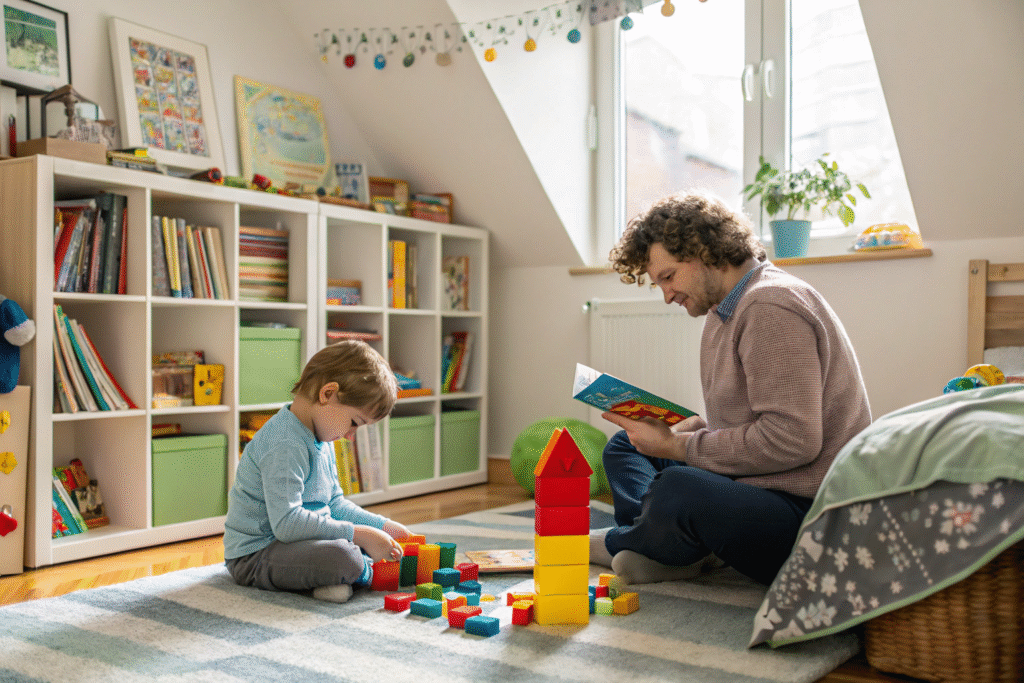
Parents respond positively to clothing that supports specific developmental domains including cognitive development (problem-solving patterns, sequencing elements), language development (conversation-stimulating graphics, vocabulary builders), and motor skills (manipulative elements, dressing practice features). Brands that can clearly articulate these benefits—particularly when backed by child development research—create compelling value propositions beyond basic aesthetics. For example, clothing that incorporates texture exploration supports sensory development, while garments with matching patterns encourage visual discrimination skills important for reading readiness.
How does educational clothing align with conscious consumption?
In an era of increased awareness about overconsumption and sustainability, educational themes help justify clothing purchases by adding lasting value beyond mere appearance. Parents feel better about buying—and children owning—multiple garments when each serves a developmental purpose rather than just satisfying fleeting style preferences. This alignment with values around intentional purchasing creates emotional connections that transcend trends, building brand loyalty among families who prioritize meaningful consumption over accumulation.
How do educational elements create product differentiation?
In a saturated market, educational themes provide meaningful differentiation that transcends superficial style variations, creating defendable brand positioning and reducing direct price competition.
Educational elements create product differentiation by offering unique value propositions, building thematic collections with continuity, creating natural cross-selling opportunities, and establishing expertise that competitors cannot easily replicate. This differentiation supports premium pricing and brand loyalty.
What makes educational positioning defensible?
Unlike fashion trends that can be quickly copied, well-researched educational frameworks create barriers to competition. Brands that develop content in partnership with educators or child development specialists establish credibility that cannot be easily replicated through simple graphic design. Additionally, educational themes naturally lend themselves to systematic collection development—starting with basic concepts and progressing to more complex ideas—creating natural customer progression through multiple product categories and age groups. This systematic approach builds deeper brand engagement than random style introductions.
How can educational themes expand product categories?
Educational clothing naturally extends into complementary product categories like books, toys, and digital content that reinforce the learning themes. A clothing collection about ocean life might expand to include matching bath toys, storybooks, and interactive apps that create a comprehensive learning ecosystem. This category expansion increases customer lifetime value while strengthening the brand's educational positioning. The most sophisticated implementations maintain educational consistency across categories, with each product reinforcing the others to create a cohesive learning experience.
How does educational clothing support screen-free learning?
As parents seek balance in increasingly digital childhoods, educational clothing provides developmentally appropriate learning opportunities that don't involve screens, addressing concerns about excessive screen time.
Educational clothing supports screen-free learning by providing engaging alternatives to digital entertainment, encouraging hands-on exploration, promoting social interaction, and integrating learning into natural daily routines. This positioning resonates strongly with parents concerned about digital overload.
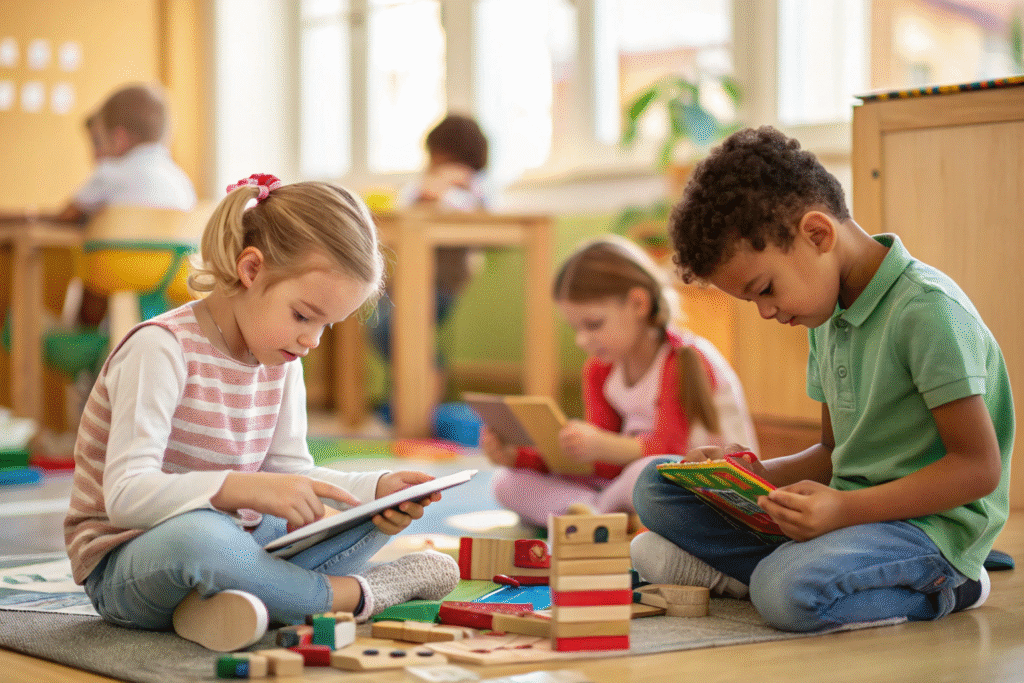
What types of interactive elements reduce screen dependence?
Clothing with tactile elements, manipulation features, and discovery components encourages engagement that competes with digital entertainment. Hidden pockets that reveal educational content, textural variations that invite touch, and transformable elements that require physical manipulation all provide stimulation that doesn't involve screens. These features are particularly valuable during transitional times like car rides or waiting periods when parents might otherwise resort to digital devices to keep children occupied. The most effective designs balance educational content with open-ended play possibilities.
How can clothing promote offline engagement?
Educational clothing naturally encourages real-world interaction and observation that digital devices often replace. A shirt with bird illustrations might prompt children to identify birds during outdoor activities, while clothing with weather patterns could encourage daily weather observation and discussion. This connection to the physical world supports development of observation skills, curiosity, and environmental awareness that screen-based learning sometimes undermines. Brands that explicitly position their products as catalysts for real-world exploration tap into parental desires for balanced childhood experiences.
How do educational themes build long-term customer relationships?
Educational content naturally progresses in complexity, creating natural pathways for customer retention as children develop and their learning needs evolve.
Educational themes build long-term customer relationships by creating age-progressive content systems, establishing brand authority in child development, facilitating family sharing through coordinated themes, and providing continuous value that transcends seasonal trends. This approach supports customer retention throughout childhood.
How can age progression maintain relevance?
Well-designed educational collections follow developmental sequences that naturally carry children from basic concepts to more complex learning. A brand might offer counting themes for toddlers, simple arithmetic for preschoolers, and basic problem-solving for early elementary students—all within the same thematic family. This progression gives parents clear reasons to continue purchasing from the brand as their children develop, rather than switching to competitors when styles or interests change. The most sophisticated systems provide guidance about which products match specific developmental stages, positioning the brand as an educational partner throughout childhood.
What role does educational authority play in loyalty?
Brands that establish credibility in child development become trusted resources rather than just clothing providers. This authority builds loyalty that transcends individual products, as parents come to rely on the brand for developmentally appropriate content. Educational brands can reinforce this authority through supporting content like parenting blogs, developmental milestones guides, and activity suggestions that extend the clothing's educational value. This comprehensive approach positions the brand as a partner in parenting rather than just a source of apparel, creating emotional connections that drive long-term loyalty.
Conclusion
The focus on educational themes in children's clothing represents a strategic response to evolving market dynamics that values developmental benefit alongside aesthetic appeal. By addressing parental desires for enrichment, creating meaningful differentiation, supporting screen-free learning, and building long-term relationships, educational clothing brands position themselves for sustainable success in a competitive market.
The most successful implementations balance educational rigor with playful engagement, recognizing that children must want to wear the clothing for the educational benefits to be realized. This requires thoughtful design that integrates learning naturally into wearable formats rather than simply applying educational graphics to standard garments.
As the educational clothing segment continues to evolve, we can expect to see increasingly sophisticated approaches that leverage child development research, incorporate interactive technologies in balanced ways, and create comprehensive learning ecosystems that extend beyond clothing alone. Brands that lead this evolution will build strong positions as both apparel providers and educational partners throughout childhood.
Ready to develop educational themes for your children's clothing line? Our expertise includes creating developmentally appropriate content, designing engaging interactive elements, and building educational frameworks that support long-term brand growth. Contact our Business Director, Elaine, at elaine@fumaoclothing.com to discuss how we can help you integrate educational themes into your collections.