The movement toward biodegradable materials in children's apparel represents a profound shift in how we conceptualize clothing's entire lifecycle. It's a response to the growing awareness that the environmental impact of a garment doesn't end when a child outgrows it; it lingers for decades, even centuries, in landfills. For parents, the appeal is powerful: clothing that nurtures their child and, at the end of its useful life, returns safely to the earth without leaving a permanent burden. As a manufacturer exploring these innovative fibers, I see this trend as a critical evolution from mere sustainability (doing less harm) towards regenerative design (actively doing good).
Biodegradable materials are gaining popularity in kids apparel because they offer a tangible solution to textile waste, alleviate parental concerns about microplastic pollution and chemical residues, align with the values of a generation of eco-conscious parents, and represent the next logical step for brands committed to a truly circular economy.
This isn't just about a different fiber; it's about redesigning the relationship between consumption and nature. Let's explore the powerful drivers and practical implications of this growing trend.
How Do Biodegradable Materials Address the Textile Waste Crisis?
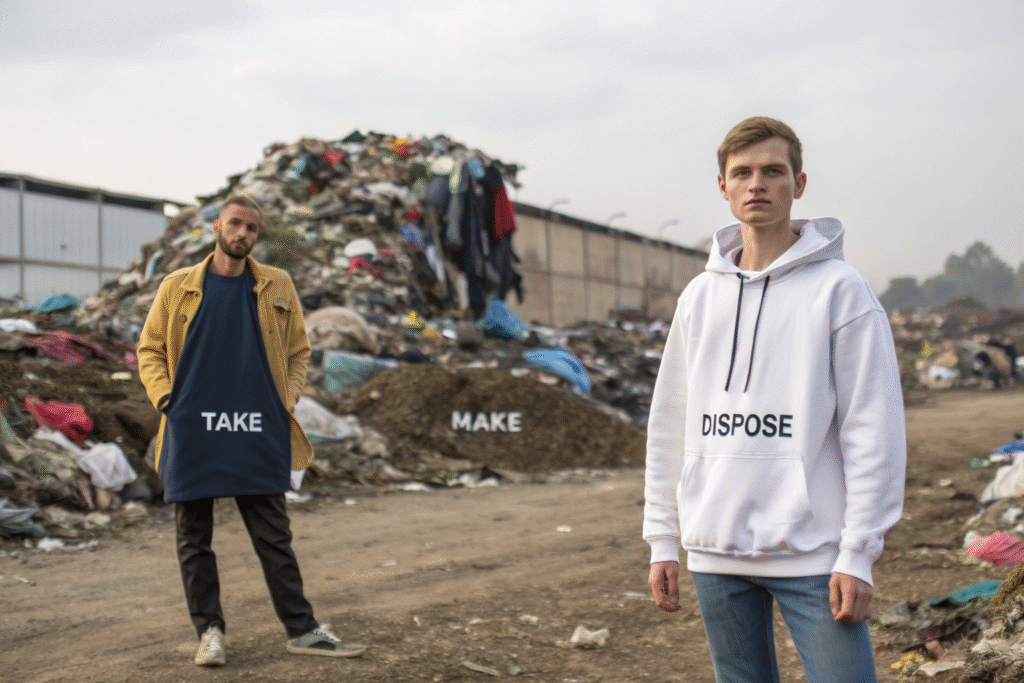
The conventional apparel model is linear: take, make, dispose. The "dispose" stage is catastrophic, with millions of tons of clothing, much of it synthetic, ending up in landfills annually where they may take 200+ years to decompose, leaching chemicals and releasing methane. Children's wear, with its rapid turnover due to growth, is a significant contributor to this waste stream.
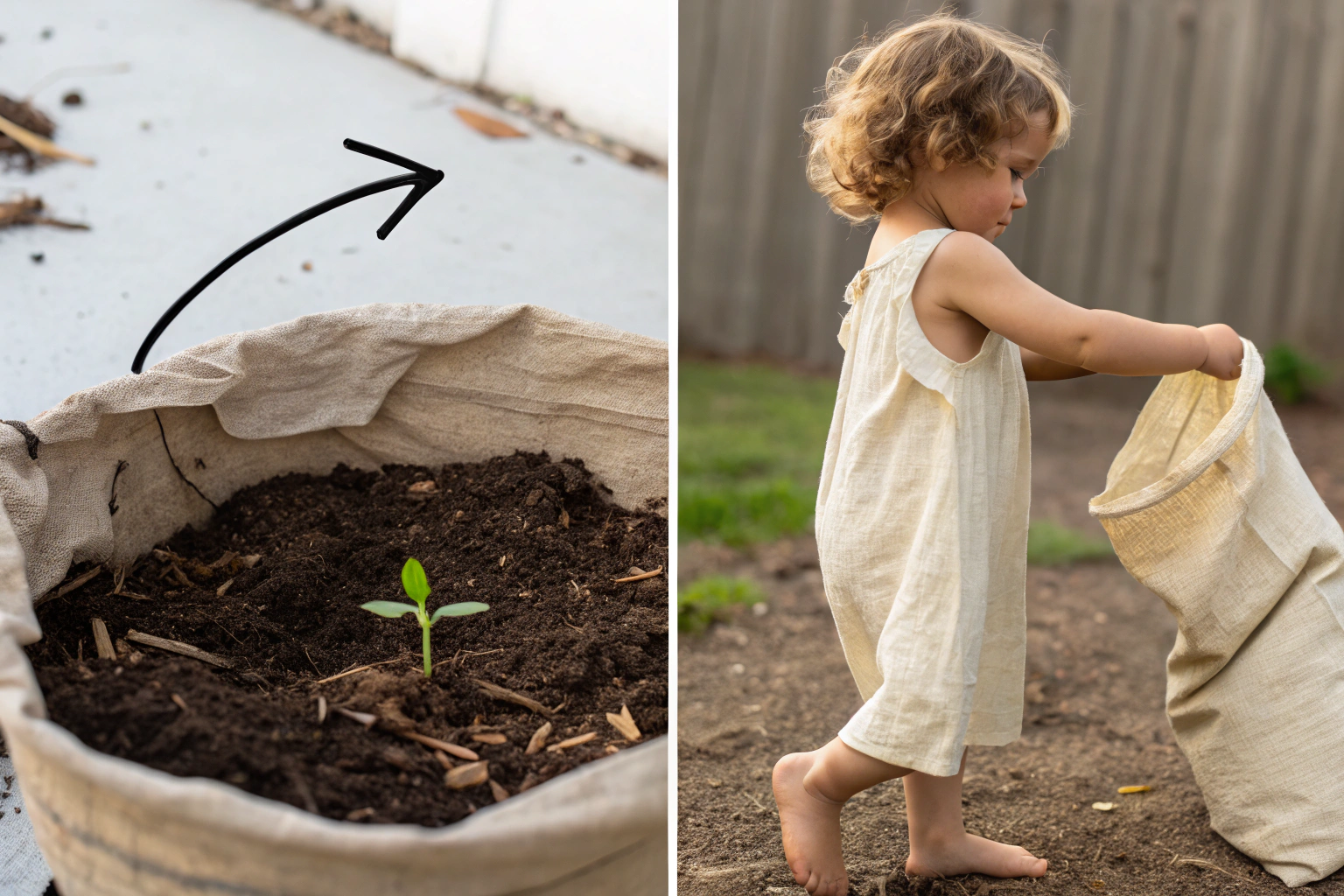
Biodegradable materials offer a pathway to a circular model. At the end of its life, a garment made from certified biodegradable fibers can be composted under industrial conditions (or sometimes at home), breaking down into non-toxic biomass, water, and CO2 within a defined timeframe. This closes the loop, turning waste into nutrient-rich compost rather than permanent pollution.
What is the Difference Between "Biodegradable" and "Compostable"?
These terms are often used interchangeably but have distinct meanings critical for credible marketing:
- Biodegradable: A material that can be broken down by microorganisms (bacteria, fungi) over time. However, the timeframe and environmental conditions are not specified, and the end residue is not defined—it could leave behind microplastics or toxic sludge. This term is vague and can be misused ("greenwashing").
- Compostable: A subset of biodegradable. A compostable material will break down into humus (nutrient-rich organic matter) within a specific timeframe (e.g., 90-180 days) under controlled composting conditions (specific temperature, moisture, microbial activity), leaving no toxic residue. It is certified to standards like ASTM D6400 or EN 13432.
For kids' wear, certified compostable is the gold standard, providing a clear, verifiable end-of-life promise. Brands must educate consumers on proper disposal to realize the environmental benefit.
How Do Natural Fibers Compare to Engineered Biodegradables?
Not all natural fibers are equally biodegradable in modern waste streams.
- Conventional Cotton: While plant-based, it is often grown with pesticides and processed with chemical dyes and finishes that can hinder clean biodegradation and contaminate soil.
- GOTS-Certified Organic Cotton: Grown and processed with strict chemical restrictions, it is a much better candidate for clean biodegradation.
- Engineered Biodegradable Fibers: These include PLA (Polylactic Acid) made from corn starch, Tencel™ Lyocell (from wood pulp in a closed-loop process), and SeaCell™ (made from seaweed). These are designed for performance and have clear biodegradability profiles under specific conditions.
The key is full system design—using biodegradable fibers alongside natural dyes and minimal finishes to ensure the entire garment breaks down cleanly.
How Do They Alleviate Parental Concerns About Health and Microplastics?
Modern parents are acutely aware of the links between environmental toxins and children's health. The fear of microplastics—tiny plastic particles shed from synthetic fabrics like polyester during washing—has become a significant concern. These particles are found in water, food, and even human blood, with unknown long-term health effects.
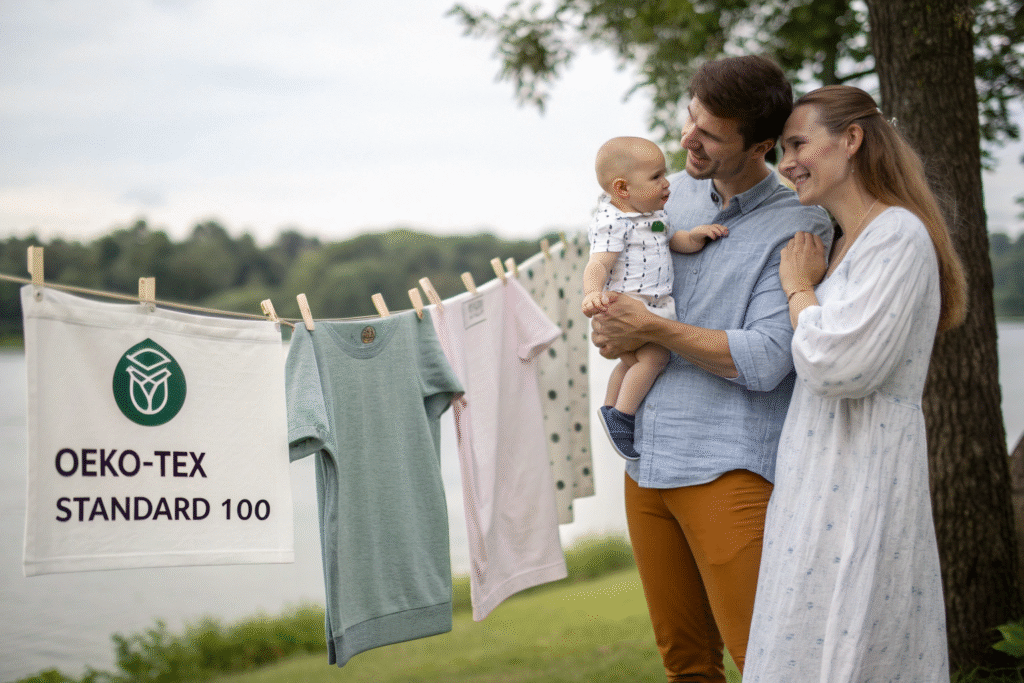
Biodegradable natural fibers like organic cotton, linen, hemp, and lyocell do not shed microplastics. Furthermore, when these materials are processed according to strict standards like OEKO-TEX Standard 100, they guarantee the absence of harmful chemical residues (heavy metals, formaldehyde, AZO dyes) that could be absorbed through a child's sensitive skin or released as the garment breaks down.
What is the Direct Link Between Microplastics and Kids' Health?
Studies show that infants and children may be more exposed to microplastics due to their behaviors (mouthing toys/clothes) and higher food/air intake relative to body weight. Clothing made from polyester, nylon, and acrylic is a primary source of microplastic pollution in waterways. By choosing garments made from natural, biodegradable fibers, parents can directly reduce their household's contribution to this pollution and limit their child's potential exposure. This is a powerful, science-backed purchasing driver detailed in resources from the Plastic Soup Foundation.
How Does the "Clean Ingredients" Analogy Resonate with Parents?
Just as parents scrutinize food labels for artificial additives, they are increasingly applying the same lens to clothing. Marketing biodegradable materials as the "clean ingredient" choice for your child's wardrobe is highly effective. It frames the purchase as a health and safety decision, not just an environmental one. Brands can leverage this by providing transparent fiber sourcing stories and certifications that act as a "nutrition label" for clothing.
How Does This Trend Align with Evolving Consumer Values and Brand Storytelling?
For Millennial and Gen Z parents, sustainability is a non-negotiable value, not a niche interest. They seek brands whose actions match their marketing. Adopting biodegradable materials allows a brand to tell a compelling, complete story: from safe, renewable origins to a responsible, guilt-free end.
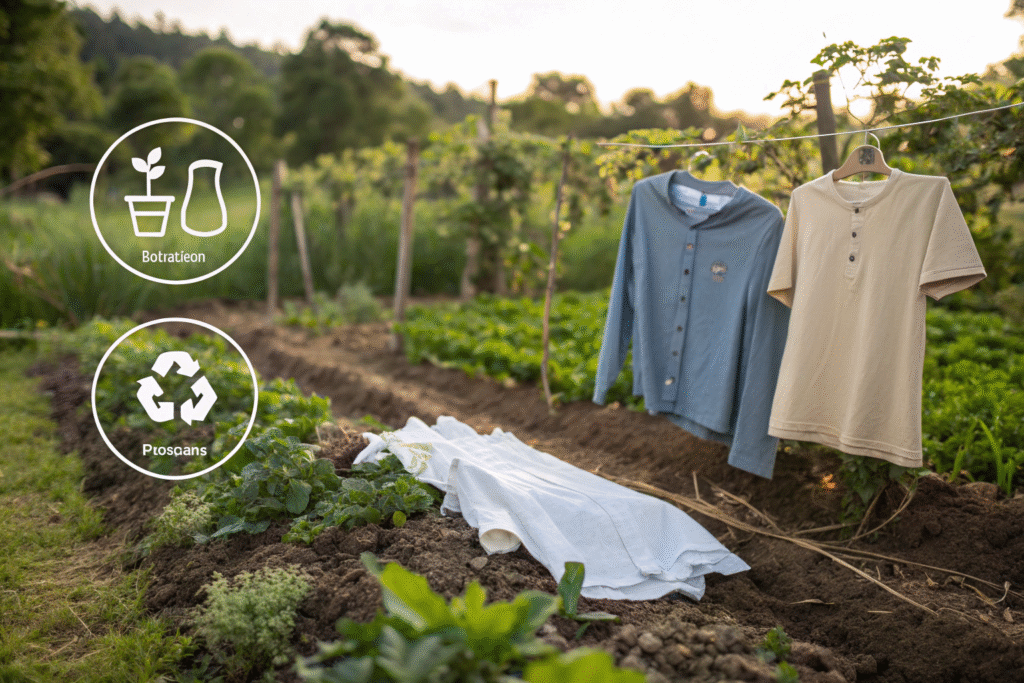
This storytelling is potent. It moves beyond "our clothes are soft" to "our clothes are part of nature's cycle." It allows for powerful visual content showing composting or natural decomposition. It positions the brand as a forward-thinking leader in the circular economy, which is increasingly a key differentiator in a crowded market.
How Can Brands Authentically Communicate Biodegradability?
To avoid greenwashing, communication must be precise and educational.
- Be Specific: Don't just say "biodegradable." Say "GOTS-certified organic cotton, designed to biodegrade cleanly in industrial composting facilities."
- Explain the "How-To": Provide clear instructions: "At end of life, please remove any non-biodegradable trims (like plastic snaps) and compost in a municipal facility. Home compost may take longer."
- Use Certifications: Display logos for GOTS, OEKO-TEX, or specific compostability certifications (like TÜV Austria's OK compost HOME) to back claims.
- Acknowledge Limitations: Be honest that current infrastructure for textile composting is limited, positioning your brand as part of the movement to build it.
This transparency builds immense trust and educates the consumer, turning them into an informed participant.
Why is a "Circular Story" More Compelling Than a "Linear" One?
A linear story is: "We made this, you bought it, the end." A circular story is: "This shirt grew in an organic field, was sewn with care, kept your child comfortable, and when outgrown, will return to the earth to nurture new growth." This narrative is emotionally resonant and philosophically satisfying. It aligns with a growing cultural desire to be part of restorative systems, not extractive ones. Brands like Pangaia with their innovative material storytelling excel at this.
What Are the Practical Challenges and Innovations?
While the ideal is compelling, significant challenges remain. The infrastructure for large-scale textile composting is in its infancy. Not all biodegradable fibers are equally durable or suitable for all garment types. Cost and scalability are also hurdles.
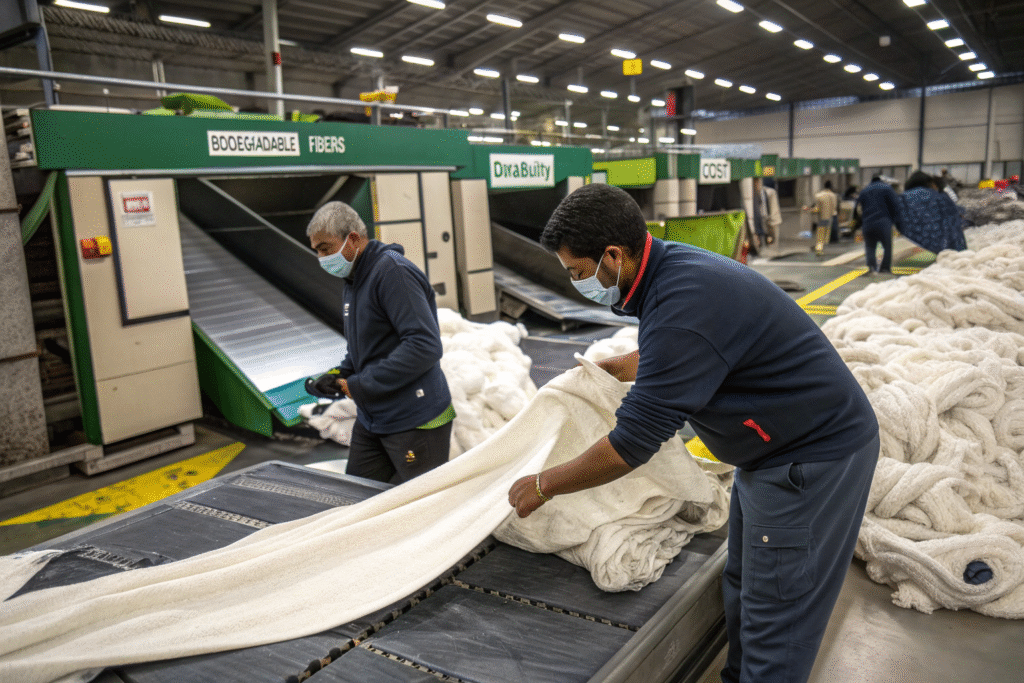
Challenges include: lack of consumer composting access, the need for garment disassembly (removing buttons, zippers), potential lower durability of some natural fibers compared to synthetics, and higher material and production costs. Innovations are addressing these through blended biodegradable fibers for strength, developing biodegradable trims, and brand-led take-back and composting programs to manage the end-of-life process directly.
How are Brands Innovating with Biodegradable Blends and Treatments?
Pure natural fibers aren't always practical for active kids. Innovations include:
- Blending natural fibers with biodegradable synthetics (like PLA): To add stretch, durability, or water resistance while maintaining compostability.
- Natural Dyeing and Finishing: Using plant-based dyes and non-toxic, biodegradable water repellents (e.g., wax-based finishes).
- Biodegradable Elastics and Threads: Sourcing sewing thread and waistband elastics made from natural rubber or specialty biodegradable polymers.
These advancements make biodegradable apparel more functional and versatile for everyday wear.
What is the Role of Brand-Led Take-Back and Recycling Programs?
Given the lack of public composting infrastructure, leading brands are taking responsibility by creating their own closed-loop systems. They offer customers a mail-back program for worn-out garments. The brand then sorts them: items in good condition are resold or donated; items at end-of-life made from biodegradable materials are sent to an industrial composting partner. This not only ensures proper disposal but also deepens customer loyalty and provides the brand with a steady stream of material for recycling or composting, closing their loop. This is a model promoted by the Ellen MacArthur Foundation's Circular Economy initiative.
Conclusion
The rising popularity of biodegradable materials in kids' apparel is a hopeful and necessary evolution. It represents a mature understanding that true sustainability must encompass a product's entire journey, with a graceful and non-toxic conclusion. Driven by waste anxiety, health concerns, and a deep-seated desire for harmony with nature, this trend is pushing brands to innovate in material science, supply chain transparency, and end-of-life systems. While challenges in infrastructure and cost remain, the direction is clear: the future of conscientious children's fashion is not just about what we make, but what we allow to be remade.
For manufacturers, this means investing in knowledge of these new fibers, partnering with certified mills, and re-engineering processes to accommodate them. At Fumao Clothing, we are actively researching and sourcing GOTS-certified and innovative biodegradable materials to support our brand partners in leading this change. If you are building a brand that seeks to leave no trace but a positive legacy, let's explore the possibilities of biodegradable design together. Contact our Business Director, Elaine, at elaine@fumaoclothing.com to develop a collection that cares for children and the planet from start to finish.