As a children's clothing manufacturer with decades of experience, I've witnessed how the right outerwear can significantly impact a child's comfort and activity level. Today's consumers expect more than just attractive designs—they demand functional performance. But what exactly constitutes "high performance" in children's outerwear? It represents the perfect integration of advanced materials, thoughtful construction, and practical features that collectively protect young wearers from environmental elements while supporting their active lifestyles.
Effective kids' outerwear combines specialized fabrics, movement-oriented design, rigorous safety standards, and practical features. These components work together to create garments that protect against harsh weather, endure active play, and deliver lasting value. This guide will explore these essential characteristics to help retailers and brand owners identify truly superior products for their collections.
Understanding these elements is fundamental to making informed purchasing decisions. Let's examine what distinguishes exceptional outerwear from basic alternatives.
How Do Fabric Choices Impact Performance?
The foundation of high-performance outerwear lies in fabric selection. The chosen materials determine everything from weather protection to comfort and longevity. For businesses targeting quality-conscious markets, fabric quality serves as a crucial differentiator.
Performance-oriented outerwear utilizes technical fabrics such as waterproof-breathable membranes, durable soft-shell materials, and advanced insulation. Unlike conventional materials, these engineered textiles are specifically developed for particular weather conditions and activity levels. The objective is to create protective garments that simultaneously permit body temperature regulation, keeping children dry from both external moisture and internal perspiration.

Why Are Waterproof and Breathable Properties Essential?
Water resistance forms the cornerstone of weather protection. Measured in millimeters (mm) through hydrostatic testing, this rating indicates how much water pressure the fabric can endure before permeation occurs. For reliable all-weather protection, seek ratings between 5,000mm and 10,000mm. Breathability proves equally vital, measuring how effectively water vapor (perspiration) can escape the garment. High breathability ratings ensure children remain comfortable during physical activities. Our manufacturing facility prioritizes materials with verified waterproof ratings to guarantee consistent performance. Additionally, all our fabrics undergo thorough chemical safety testing to meet international standards, providing assurance to our partners.
How Does Insulation Technology Affect Thermal Comfort?
Insulation serves to trap body heat effectively. The primary options include natural down and synthetic alternatives. Down provides excellent warmth relative to its weight but loses insulating properties when wet. Synthetic insulations like PrimaLoft® or Thinsulate™ maintain thermal efficiency even in damp conditions and typically offer easier maintenance. Lining materials also contribute significantly to comfort—mesh linings improve air circulation, while soft brushed linings provide comfort against skin. The selection depends on target climate conditions and intended use, ensuring optimal thermal management for various activity levels.
What Design Elements Improve Functionality?
Advanced fabrics alone cannot guarantee performance—the garment's construction must complement the materials through intelligent design. The cut, seam placement, and functional details must collectively support children's natural movement patterns.
Superior design prioritizes unrestricted mobility through articulated patterning—pre-shaped knees and elbows—and strategic gussets in underarm and crotch areas. It also involves thoughtful positioning of practical elements like pockets, hoods, and closures for accessibility without restricting movement. Well-executed design feels intuitive, facilitating rather than limiting physical activity.
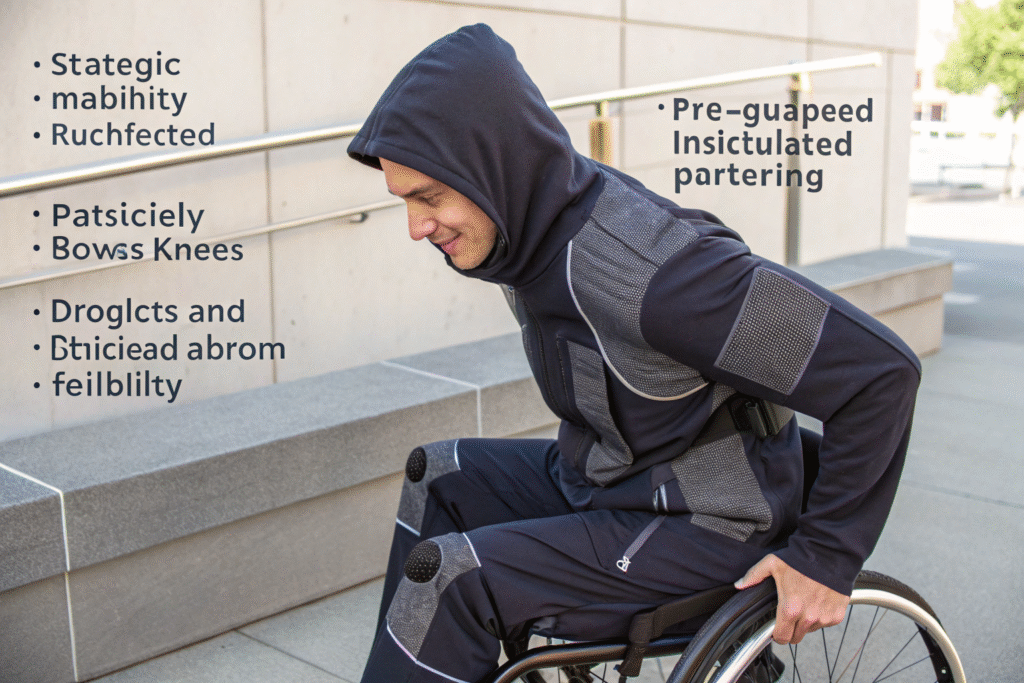
How Does Articulated Patterning Enhance Movement?
Articulated patterning involves cutting garment panels to follow the body's natural posture and range of motion. This approach eliminates restrictive feeling, allowing children to run, climb, and play without garment resistance. Similarly, seam construction plays a critical role. Flatlock or fully taped seams prevent skin irritation and, in the case of sealed seams, ensure complete water protection at stitch lines, representing essential aspects of quality garment engineering.
What Value Do Adjustable Features Provide?
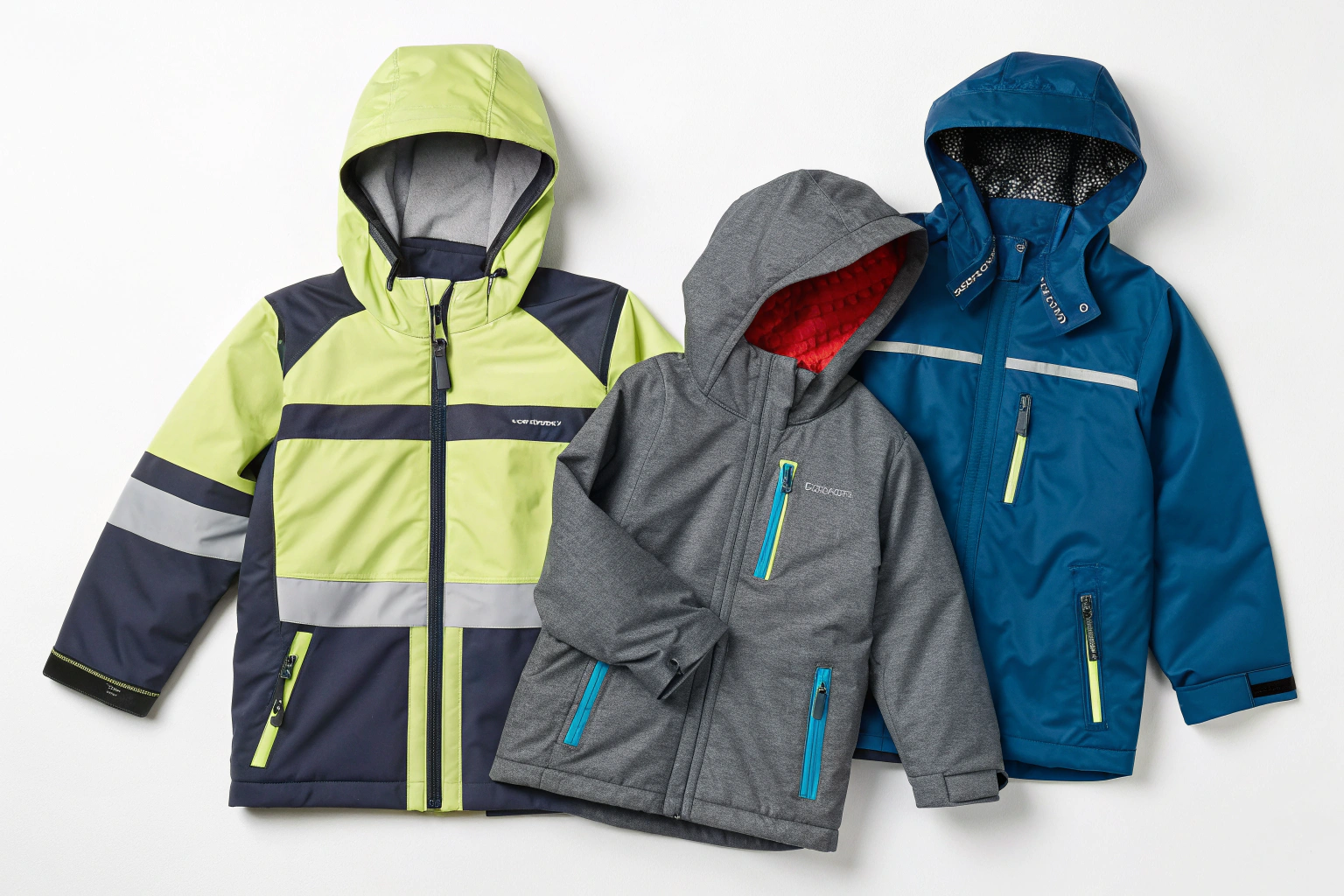
Adjustable components enable customized fit and environmental protection. Elastic, toggle-adjusted, or hook-and-loop cuffs prevent cold air and moisture intrusion through sleeves. Drawcord hems create secure waist seals, while adjustable hoods offer improved facial protection during inclement weather. These adaptable features extend garment usability through growth phases and demonstrate considered apparel development.
| Feature | Primary Function | Common Variations |
|---|---|---|
| Adjustable Cuffs | Prevent element entry; enhance fit precision | Elastic, Hook-and-loop, Button adjustments |
| Adjustable Hem | Create weather seal; maintain position during activity | Drawcord, Elastic integration, Snap fasteners |
| Adjustable Hood | Optimize visibility and protection | Drawcord, Rear adjustment mechanisms |
| Articulated Joint Areas | Accommodate bending motion; improve mobility | Pre-contoured pattern pieces |
Which Safety and Durability Features Matter Most?
For end consumers, safety remains non-negotiable. For business partners, durability translates to reduced returns and strengthened brand reputation. High-performance outerwear must excel in both dimensions, extending beyond basic material strength.
Critical safety considerations include certified non-toxic materials and visibility enhancements for low-light conditions. Durability derives from robust fabric construction, reinforced stress points, and resilient hardware capable of withstanding vigorous use and repeated cleaning cycles. This comprehensive approach to longevity and protection forms the foundation of our quality commitment to partners.
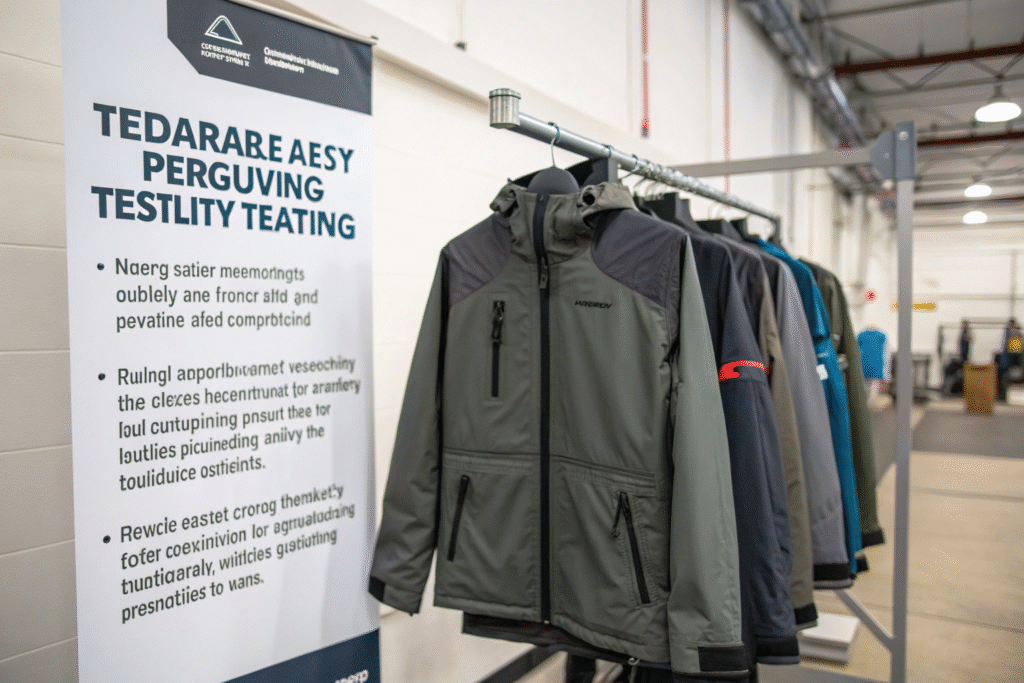
How Do Visibility Features and Material Safety Protect Children?
Reflective elements—whether trims, logos, or printed patterns—significantly enhance visibility during twilight hours or poor weather conditions. This straightforward addition substantially improves safety. Certified non-toxic dyes prove equally crucial. Given children's greater skin permeability, verifying that all coloring agents and finishes exclude harmful substances represents an absolute requirement for child safety compliance, standard in our manufacturing protocols.
Why Is Strategic Reinforcement Necessary?
Children test clothing durability through active play—sliding, climbing, and everyday exploration. Durability necessitates proactive reinforcement at high-wear locations like knees, elbows, and seat areas. This can involve double-layer fabric applications, reinforced ripstop panels, or additional stitch strengthening at stress points. Such reinforcement prevents premature wear, ensuring garments withstand multiple seasons of use—a crucial consideration for brand value perception and supply chain effectiveness.
How Do Practical Features Increase Market Appeal?
Ultimately, performance encompasses practical intelligence. Features that simplify parents' lives while appealing to children significantly enhance product value and, consequently, brand positioning.
These thoughtful differentiators elevate adequate jackets to exceptional ones. They include straightforward maintenance requirements, functional storage solutions, and adaptable configurations. For business partners, incorporating these features leads to heightened customer satisfaction and reduced service inquiries regarding care and functionality.

Why Are Maintenance and Storage Solutions Important?
Parents require outerwear that withstands machine washing while maintaining performance characteristics and appearance through numerous cycles. Garments requiring specialized cleaning prove impractical for children's wear. Similarly, well-considered storage like secure-zip pockets or dedicated internal compartments adds functional value. Elements like two-way zippers facilitate sitting and movement while wearing the garment. These considerations directly influence customer satisfaction.
How Does Adaptability Create Competitive Advantage?
Jackets that compress into integrated stuff sacks offer significant convenience for families with active lifestyles. This packability, combined with features like removable liners or modular systems providing multiple wearing options, delivers versatility across seasonal changes and weather conditions. This multifunctional approach enhances cost-per-wear value, strengthening consumer appeal and inventory efficiency for businesses, perfectly complementing streamlined delivery solutions.
Conclusion
In review, high-performance children's outerwear represents a sophisticated product category built upon four essential principles: advanced technical materials, mobility-focused design, uncompromised safety and durability, and practical user-centered features. By understanding and prioritizing these elements, businesses can source outerwear that not only meets but surpasses market expectations, building consumer trust and strengthening brand positioning.
Should you seek a manufacturing partner with comprehensive understanding of these performance characteristics and capability to deliver premium, reliable children's outerwear for your brand, we welcome conversation. Please contact our Business Director, Elaine, at elaine@fumaoclothing.com to explore collaborative opportunities for developing exceptional clothing lines. Let's work together to create outerwear that supports children's adventures as effectively as they live them.