
Organic baby blankets today serve more purposes than warmth alone; they embody parents’ concerns for safety, eco-consciousness, and style. Families want fabrics that are gentle on skin, breathable, and environmentally friendly, while still fitting seamlessly into modern interiors. Growing awareness of chemical-free production and sustainable sourcing is encouraging brands to design blankets that merge practicality with visual appeal.
Current directions in design emphasize tactile weaves, neutral palettes, multifunctional uses, reversible construction, and certifications confirming safe and ethical production. These features create products that align with both consumer expectations and industry sustainability goals.
Why are textured blankets appealing to families?
Texture has become a hallmark of modern organic baby blankets, valued for both comfort and stimulation.

Which types of textures are in demand?
- Waffle surfaces: Lightweight yet absorbent, suitable year-round.
- Cable knitting: Adds warmth and creates a traditional, cozy appearance.
- Ribbing or raised stitches: Offer gentle tactile experiences for infants.
Why is this important?
Blankets with distinct textures provide not only warmth but also sensory input that supports early development. As highlighted by Fenris Four, cable and waffle designs remain favored choices for balancing softness with breathability.
How does minimalism influence blanket aesthetics?
A pared-down look continues to dominate nurseries worldwide.

What defines this style?
- Soft, neutral shades: Cream, taupe, sage, blush, and grey.
- Uncluttered design: Solid hues or subtle weaves rather than bold prints.
- Natural finishes: Edges left raw or hand-finished for authenticity.
Why do parents choose minimal styles?
Minimalist blankets easily complement changing décor trends. According to CBME Trend Blog, muted earth tones in organic textiles are particularly sought after by parents aiming for calm, timeless spaces.
How do multifunctional blankets meet practical needs?
Designs that serve more than one purpose are increasingly valued.
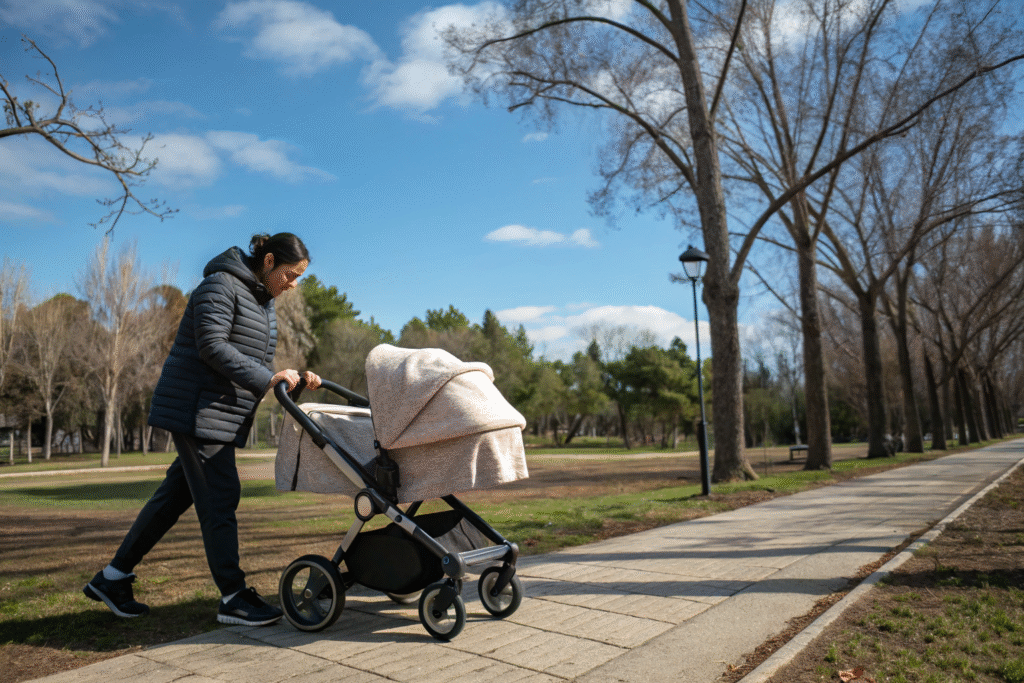
In what ways are they versatile?
- Swaddling and shading: Lightweight muslin doubles as a stroller cover.
- Play surface: Durable fabrics allow use as mats for floor play or picnics.
- Layered adjustments: Some products include removable or foldable panels.
Why is this trend growing?
Parents often prefer fewer, multipurpose products that save both money and storage space. Fenris Four points out that travel-friendly families particularly value blankets that adapt to different situations.
How do reversible features add functionality?
Reversible construction doubles a product’s appeal by offering multiple looks.
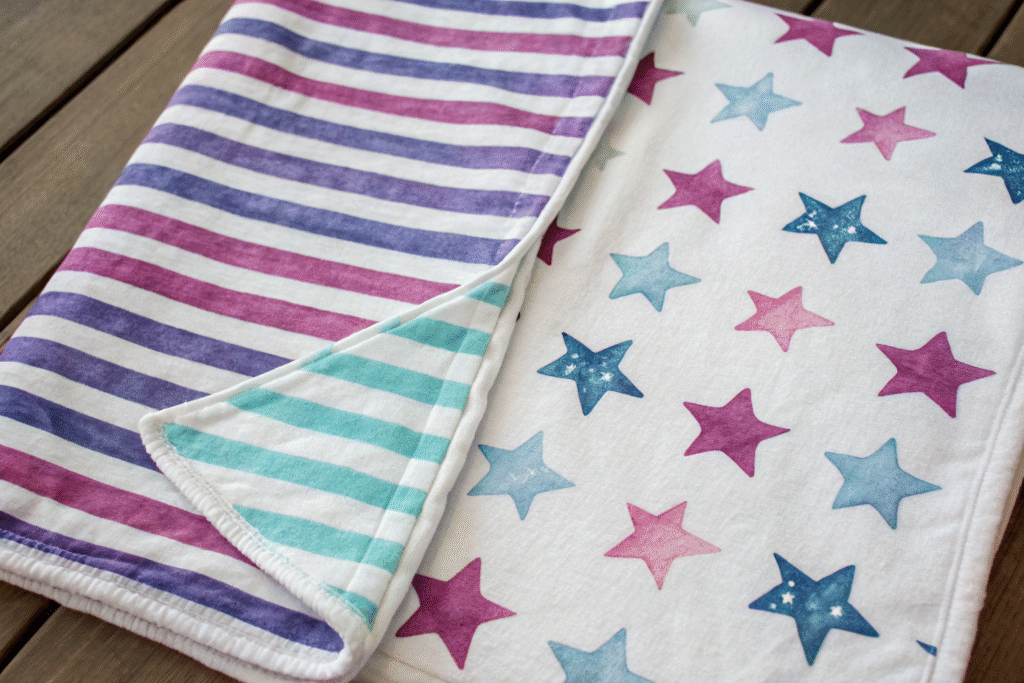
What forms are popular?
- Classic with playful: One side striped, the reverse with stars or animals.
- Neutral paired with patterns: Calm tones balanced by cheerful motifs.
- Two-toned options: Earth shades contrasted with bolder accents.
Why does this attract consumers?
Parents gain two styles in one purchase, offering flexibility for daily use. The Good Trade reports that reversible blankets are both cost-effective and stylish, making them a frequent choice for new families.
Why are certifications increasingly decisive?
Verified standards reassure families about safety and environmental responsibility.
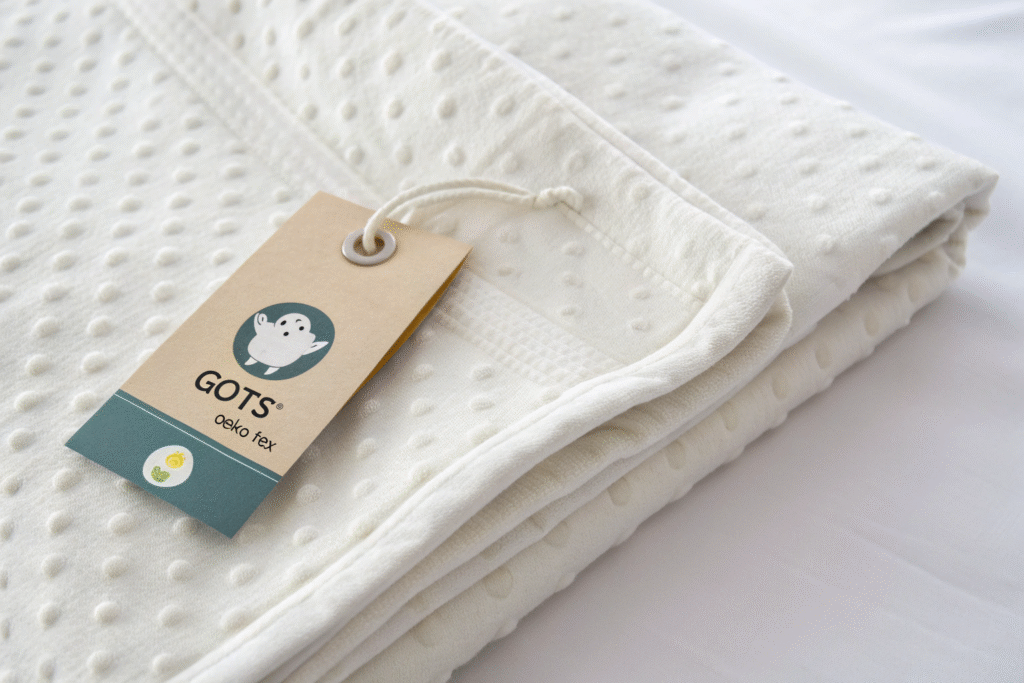
Which labels are most common?
- GOTS (Global Organic Textile Standard): Confirms organic fibers and safe processing.
- OEKO-TEX® Standard 100: Guarantees fabrics are free from toxic substances.
- Fair Trade: Ensures ethical practices in labor and sourcing.
Why do these labels influence buyers?
Parents prioritize non-toxic textiles. As Sustainably Kind Living explains, certified products build trust by demonstrating that items are safe for sensitive skin while also produced responsibly.
Conclusion
The evolution of organic baby blanket design reflects a blend of practical functionality, eco-certification, and visual simplicity. Textured knits meet sensory needs, minimalist palettes bring timeless style, versatile products save resources, reversible models add flexibility, and certified textiles reassure parents.
At Shanghai Fumao, we integrate these principles by producing blankets with certified organic fibers, innovative multi-use designs, and eco-conscious dyeing processes. Our goal is to support parents who value both quality and sustainability. For collaboration opportunities, please reach out to our Business Director Elaine at elaine@fumaoclothing.com.